
Climbing Mount Taranaki: A Demanding Trek to New Zealand’s Perfect Symmetrical Stratovolcano
Mount Taranaki, a dormant stratovolcano on New Zealand’s North Island, offers a challenging and rewarding trek to its 2,518-meter summit. Known for its near-perfect cone shape and alpine conditions, this volcano trek combines dramatic volcanic landscapes, rich Māori cultural significance, and demanding alpine terrain. This guide covers geology, routes, safety, and practical advice for adventurers seeking to conquer Taranaki’s summit.
Quick Volcano Snapshot
| Volcano type | Stratovolcano |
|---|---|
| Elevation | 2,518 meters (8,261 feet) |
| Location | Taranaki Region, North Island, New Zealand |
| Activity status | Dormant |
| Trekking difficulty | Demanding |
| Typical trek duration | 8 to 10 hours (summit climb) |
| Altitude gain | Approx. 1,500 meters (4,921 feet) from trailhead |
| Terrain type | Lava fields, scree slopes, alpine rock, sub-alpine shrubs, native forest |
| Best season | January to April (summer to early autumn) |
| Temperature range | Coastal base mild; summit up to 15°C cooler with wind chill, snow year-round in crater |
| Permit requirement | No permit required, but intentions must be logged at Visitor Centre |
The Experience of Hiking Mount Taranaki
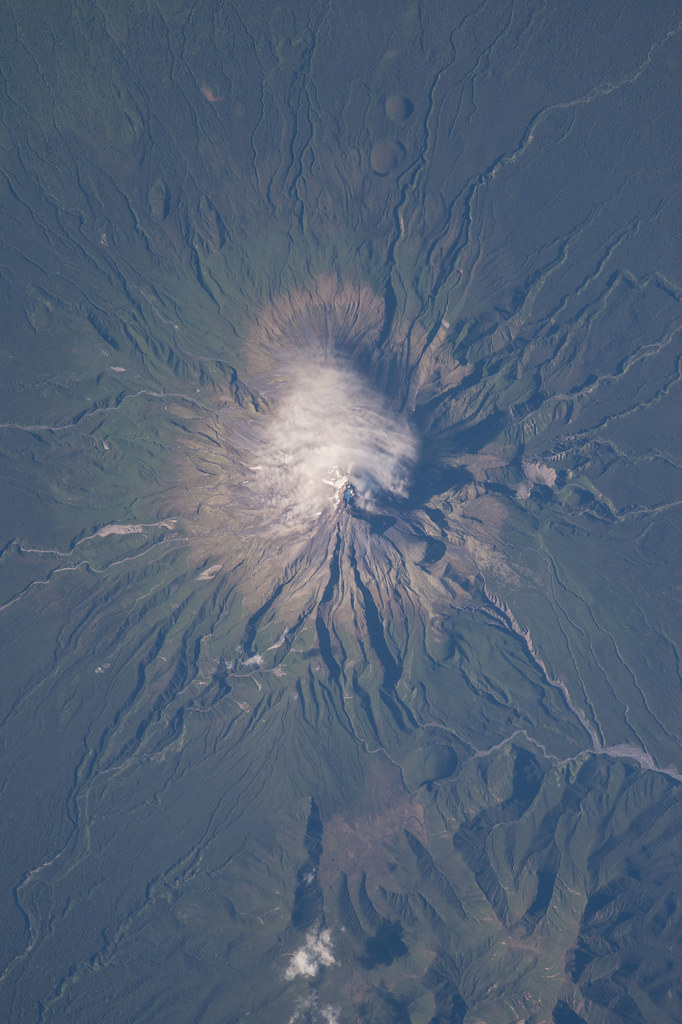
Approaching Mount Taranaki, the mountain’s flawless symmetrical cone dominates the horizon, rising sharply from lush coastal plains. The trek immerses you in a landscape shaped by volcanic power and alpine forces. As you ascend through dense native forests into sub-alpine shrublands, the terrain shifts dramatically. The barren scree and jagged volcanic rock near the summit contrast starkly with the vibrant greenery below. Reaching the crater’s edge, the air is thin and crisp, the silence punctuated only by the wind and distant calls of native birds. Standing on the rim, you feel the raw geological energy that forged this iconic peak, a profound connection to the earth’s fiery heart.
Mount Taranaki: Geological Background
Mount Taranaki is a stratovolcano formed about 120,000 years ago, part of the Taranaki Volcanic Lineament. Its near-perfect cone results from layers of hardened lava, ash, and volcanic rock built over millennia. The last eruption occurred in the mid-19th century, producing a lava dome in the crater. The volcano features a persistent ice-filled crater and fumaroles that release steam and sulfurous gases. Unique to Taranaki are its repeated cone collapses, which have shaped broad debris fans around its base. The mountain’s geology tells a story of arc volcanism fueled by subduction processes beneath New Zealand’s North Island, creating a dynamic and powerful landscape.
Terrain and Hiking Experience on Mount Taranaki
The ascent begins in dense native forest with towering rimu and kamahi trees, transitioning to sub-alpine shrubs and herb fields above the snow line. The trail climbs steeply on volcanic scree and loose gravel, demanding careful footing. Near the summit, hikers scramble over large volcanic boulders along the famous Lizard Ridge. The exposed crater rim offers little shelter from strong alpine winds and rapidly changing weather. Altitude effects are moderate but noticeable, with temperatures dropping sharply and snowfields present year-round. The terrain’s mix of forest, scree, and rock requires endurance, sure-footedness, and alpine experience for a safe climb.

What Makes the Mount Taranaki Trek Unique
Mount Taranaki’s near-perfect symmetrical cone is a rare geological marvel, often compared to Japan’s Mount Fuji. Its alpine conditions on a coastal volcano create a striking contrast between lush rainforests and barren volcanic scree. The ice-filled crater and year-round snowfields add to the mountain’s dramatic character. Culturally, Taranaki is a sacred ancestor to local Māori iwi, adding spiritual depth to the climb. The mountain’s isolation and weather patterns produce rapidly shifting conditions, making each trek a unique challenge. The panoramic summit views encompass the Tasman Sea, surrounding volcanic peaks, and fertile farmlands, offering an unforgettable visual reward.
Summit and Crater Experience on Mount Taranaki
Reaching the summit, hikers encounter a rugged volcanic crater filled with perennial ice and snow. The air is thin and cold, carrying the faint scent of sulfur from fumaroles. The crater rim exposes climbers to fierce winds and sweeping 360-degree views of the North Island’s volcanic plateau, the Tasman Sea, and the patchwork of farmland below. The summit rock is sacred to Māori, and climbers are asked to respect this by not standing on it. The silence and vastness evoke a profound sense of awe and connection to the mountain’s ancient volcanic power.
Best Time to Trek Mount Taranaki
The optimal trekking season is summer to early autumn, from January to April, when weather is generally more stable and snow less prevalent. Winter and spring climbs require advanced alpine skills and equipment such as crampons and ice axes due to persistent snow and ice. Weather on Taranaki can change rapidly, with sudden storms, heavy rain, and strong winds even in summer. Early morning starts are recommended to avoid afternoon weather deterioration. Always check Department of Conservation forecasts and heed safety advice before attempting the summit.
Trekking Routes and Trail Options on Mount Taranaki
The primary and only marked route to the summit is the Mount Taranaki Summit Track, starting from the North Egmont Visitor Centre at 986 meters elevation. This demanding trail covers approximately 8 to 10 hours round trip with a vertical gain of about 1,500 meters. Alternative unmarked routes exist but require advanced mountaineering skills and local knowledge. Longer multi-day options include the Around the Mountain Circuit, a 52 km loop taking 4 to 5 days, and the Pouākai Circuit, a 2 to 3 day trek. Guided climbs are available and recommended for less experienced hikers.
Difficulty Assessment of Mount Taranaki Trek
Mount Taranaki is classified as a demanding volcano trek. The steep ascent on loose scree and volcanic rock demands good fitness, balance, and mountain experience. Altitude is moderate but combined with exposure and rapidly changing weather, the climb can be challenging. Winter ascents require technical alpine skills and equipment. This trek is not suitable for beginners or casual hikers. Preparation, acclimatization, and respect for the mountain’s conditions are essential for safety.
Essential Volcano Trekking Gear for Mount Taranaki
Key gear includes sturdy hiking boots with excellent grip for scree and rock, trekking poles to aid balance on loose terrain, and gaiters to protect against volcanic ash and debris. Layered clothing is vital to adapt to temperature shifts; windproof and waterproof jackets are mandatory. A headlamp is recommended for early starts. Carry sufficient water and high-energy food. In colder months, mountaineering equipment such as crampons, ice axe, helmet, and harness are necessary. A GPS device or map and compass are essential for navigation, especially if venturing off the main track.
Safety and Volcanic Hazards on Mount Taranaki
Though dormant, Mount Taranaki poses hazards including unstable scree slopes, falling rocks, and sudden weather changes. Volcanic gases are minimal but sulfur smells near fumaroles may be present. The crater edges are unstable and should be approached with caution. Rapid weather shifts can cause hypothermia risk. The mountain has a history of fatal accidents; climbers must register intentions at the Visitor Centre and follow Department of Conservation safety guidelines. Monitoring agencies provide alerts; heed all warnings and avoid climbing in marginal conditions.
Permits, Guides, and Logistics for Mount Taranaki
No permit is required to climb Mount Taranaki, but all climbers must sign in and out at the North Egmont Visitor Centre intentions book. Guided tours are available and recommended for those unfamiliar with alpine conditions. The Department of Conservation manages the park and provides up-to-date trail and weather information. Seasonal closures may occur due to snow or volcanic risk. Planning logistics around transport and accommodation in nearby towns is essential for a smooth trek.
Where to Stay Near Mount Taranaki
New Plymouth, approximately 30 minutes by car from the trailhead, offers a range of accommodations including hotels, hostels, and lodges. Stratford is another nearby town providing convenient access to the mountain’s southeast side. Within Egmont National Park, private tourist lodges and alpine club huts such as Tahurangi Lodge offer mountain-side accommodation by prior arrangement. Camping is possible in designated areas. Early booking is advised during peak trekking season.