
Trekking Mount Suwanosejima: Guide to Japan’s Most Active Stratovolcano Adventure
Mount Suwanosejima, one of Japan’s most active stratovolcanoes, offers a thrilling moderate trek through dynamic volcanic landscapes. This guide covers its geology, terrain, routes, safety, and practical tips for adventurers seeking to experience frequent eruptions and dramatic crater views in the Ryukyu Islands.
Quick Volcano Snapshot
| Volcano type | Andesitic Stratovolcano |
|---|---|
| Elevation | 796 meters |
| Location | Suwanosejima Island, Ryukyu Islands, Japan |
| Activity status | One of the most active volcanoes in Japan with near-continuous Strombolian eruptions |
| Trekking difficulty | Moderate |
| Typical trek duration | 4 to 6 hours round trip |
| Altitude gain | Approximately 600 meters |
| Terrain type | Steep ash slopes, rugged lava fields, loose volcanic rock, pumice |
| Best season | October to April |
| Temperature range | 10°C to 25°C depending on season and altitude |
| Permit requirement | Permits required during elevated volcanic activity; regulated by local authorities |
The Experience of Hiking Mount Suwanosejima
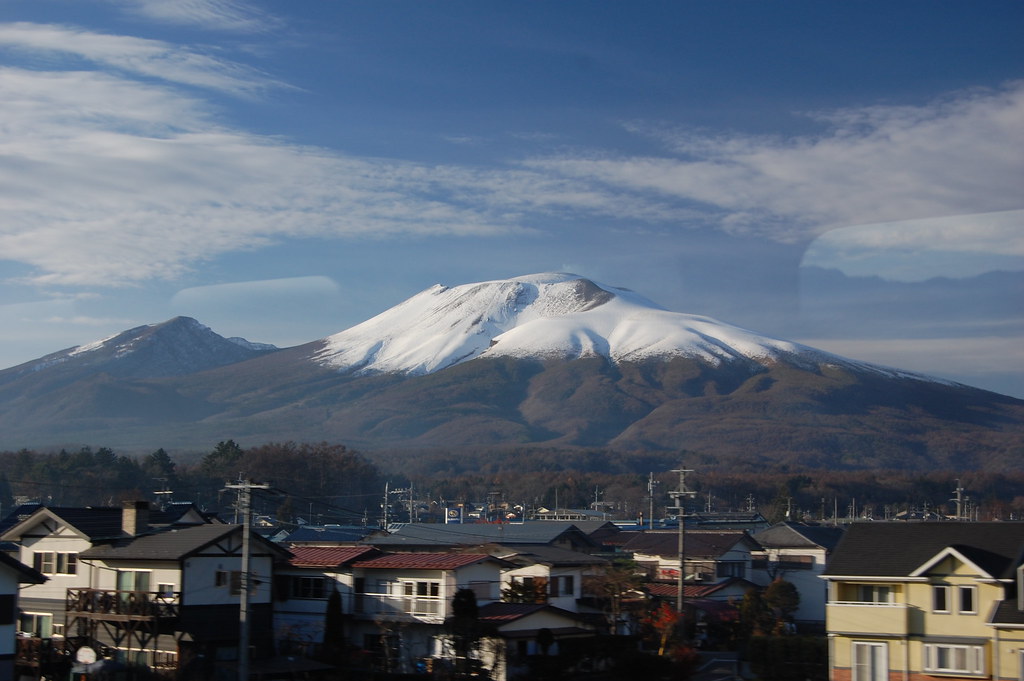
Mount Suwanosejima rises sharply from the East China Sea, its rugged volcanic cone dominating the island’s landscape. The trek immerses hikers in a dramatic environment where black lava flows and ash-strewn slopes contrast with subtropical vegetation. The air often carries the sharp scent of sulfur, and distant rumbles hint at the volcano’s restless nature. Approaching the crater rim reveals steaming vents and glowing bursts of incandescent lava, offering a vivid encounter with an active volcanic system.
Geological Background of Mount Suwanosejima
Mount Suwanosejima is an andesitic stratovolcano formed by the subduction of the Philippine Sea Plate beneath the Eurasian Plate, part of the Ryukyu volcanic arc. Its volcanic activity spans thousands of years, with the most significant historical eruption occurring between 1813 and 1814, a Plinian event that led to the island’s evacuation for decades. The volcano features two active summit craters, with Otake as the primary vent exhibiting near-continuous Strombolian eruptions since 1949. The landscape is shaped by hardened lava flows, ash deposits, and sulfur-rich fumaroles, providing a unique natural laboratory for studying volcanic processes.
Terrain and Hiking Experience on Suwanosejima
The trail ascends steep slopes covered in volcanic ash and rugged lava fields, requiring hikers to navigate loose volcanic rock and pumice. Some sections involve scrambling over jagged lava blocks and uneven ground formed by recent eruptions. Winds intensify near the summit, and temperatures can drop sharply despite the island’s subtropical climate. The route is exposed with minimal shade, making sun protection and hydration essential. Although the altitude is moderate at 796 meters, hikers may feel mild effects during the ascent.
What Makes the Suwanosejima Trek Unique
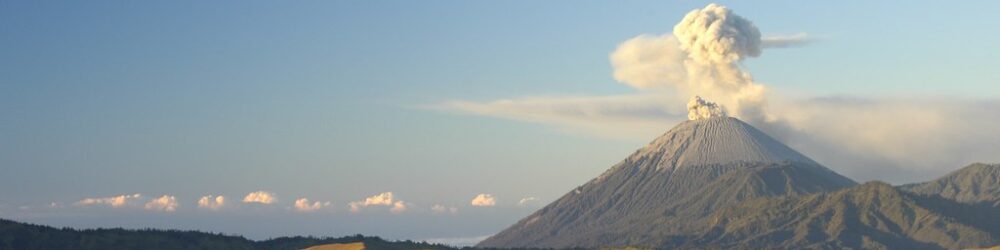
Suwanosejima is renowned for its persistent volcanic activity, with near-continuous Strombolian eruptions visible from the trail. This frequent explosive activity produces glowing lava bombs, ash plumes, and sulfurous fumaroles, creating a spectacular live volcanic display. The island’s isolation and small population enhance the sense of remoteness. The trek also offers cultural insights, including the history of the Banyan Ashram commune and the island’s resilience through repeated evacuations caused by eruptions.
Summit and Crater Experience at Mount Suwanosejima
At the Otake crater rim, hikers encounter a dramatic volcanic scene. Steaming fumaroles emit sulfurous gases, and incandescent bursts illuminate the crater interior, especially during twilight. The pungent sulfur smell and subtle ground vibrations from volcanic tremors create a powerful sensory experience. Views extend over the East China Sea and neighboring islands, framed by drifting ash clouds. The ambient sounds include the hiss of escaping gases and occasional explosive pops, immersing visitors in the volatile nature of an active stratovolcano.
Best Time to Trek Mount Suwanosejima
The best time to hike Mount Suwanosejima is from October to April, when the weather is cooler and drier, avoiding the island’s rainy season and typhoon period. These conditions improve trail safety and visibility. Volcanic activity is continuously monitored by the Japan Meteorological Agency, and trekkers must follow alerts, especially during elevated activity levels that restrict crater access. Sunrise climbs offer spectacular views of eruptive glow, while daytime hikes provide safer conditions and better footing.
Trekking Routes and Trail Options on Suwanosejima
The main trekking route begins in Toshima village and ascends approximately 600 meters over 2 to 3 kilometers to the Otake crater rim. The trail is well-marked but rugged, with no alternative paths due to the island’s small size and volcanic hazards. Guided treks are recommended during periods of heightened volcanic activity for safety and local knowledge. Self-guided hikers must prepare thoroughly and strictly observe access restrictions.
Difficulty Assessment of the Suwanosejima Trek
The trek is classified as moderate, requiring good physical fitness and experience with uneven volcanic terrain. Hikers face steep slopes, loose scree, and occasional scrambling over lava blocks. While the altitude is moderate, volcanic hazards and exposure to the elements increase the challenge. No technical climbing gear is necessary, but preparedness for sudden weather changes and volcanic activity is essential.
Essential Volcano Trekking Gear for Suwanosejima
Recommended gear includes sturdy hiking boots with excellent grip and trekking poles for stability on loose ash and rocks. Volcanic ash gaiters help protect against fine particles, and a windproof jacket is necessary for summit winds. A gas mask or respirator is advised to guard against sulfur fumes and ash emissions. Sun protection such as a hat, sunglasses, and sunscreen is critical due to exposed terrain. A headlamp is useful for early morning or dusk climbs. Carry sufficient water and a first aid kit to ensure safety.
Safety and Volcanic Hazards on Mount Suwanosejima
Mount Suwanosejima’s frequent eruptions pose hazards including ashfall, ballistic volcanic bombs, toxic gases, and unstable crater edges. The Japan Meteorological Agency enforces alert levels and access restrictions that must be strictly followed. Sudden explosions can occur without warning, making proximity to the crater dangerous. Falling rocks and loose scree increase the risk of injury. Hikers should monitor volcanic activity updates closely and avoid the crater area during elevated alert levels.
Permits, Guides, and Logistics for Suwanosejima Trekking
Access to Mount Suwanosejima is regulated, with permits required during periods of increased volcanic activity. Local authorities and the Japan Meteorological Agency provide current information on restrictions. Hiring a local guide is strongly recommended for safety, navigation, and up-to-date volcanic conditions. The island’s limited infrastructure requires careful planning for transport and accommodation. Visitors should arrange logistics well in advance to ensure a smooth trekking experience.
Where to Stay Near Mount Suwanosejima
Accommodation on Suwanosejima is limited to small guesthouses and local inns in Toshima village near the trailhead. These facilities are basic but offer authentic island hospitality. For more extensive amenities, travelers can stay in Kagoshima city on the mainland and take the ferry to the island. There are no eco camps or trekking lodges on Suwanosejima, so early booking is advised to secure lodging.