
Trekking Mount Tolbachik: A Complete Guide to Kamchatka’s Active Volcanic Complex
Mount Tolbachik in Kamchatka, Russia, offers an extraordinary trekking experience across vast lava fields and fissure eruptions. This guide covers geology, routes, safety, and logistics for adventurers seeking to explore one of Asia’s most dynamic volcanic landscapes.
Quick Volcano Snapshot
| Volcano type | Complex volcano (shield and stratovolcano) |
|---|---|
| Elevation | 3,672 meters |
| Location | Kamchatka Peninsula, Russia |
| Activity status | Active |
| Trekking difficulty | Moderate to demanding |
| Typical trek duration | 3 to 7 days |
| Altitude gain | Up to 1,000 meters |
| Terrain type | Lava fields, volcanic ash slopes, scree, fumarole areas |
| Best season | July to early September |
| Temperature range | 5°C to 25°C |
| Permit requirement | Permit required from Kamchatka Volcanoes Nature Park |
The Experience of Hiking Mount Tolbachik
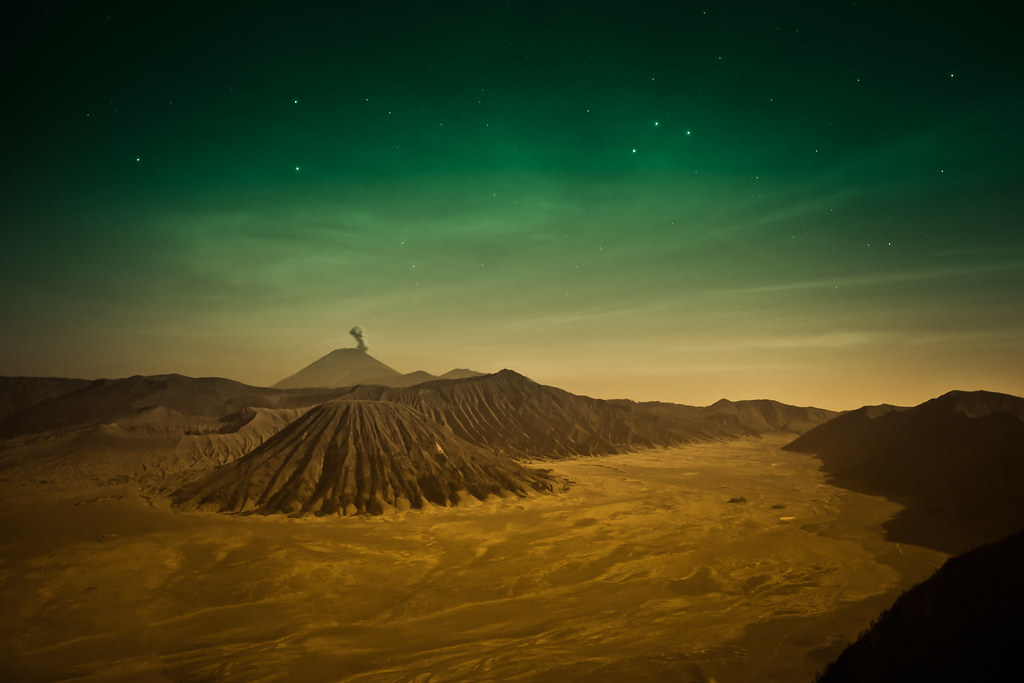
Approaching Mount Tolbachik, trekkers enter a surreal volcanic realm where vast lava fields stretch beneath towering peaks. The landscape pulses with raw geological energy — barren, blackened terrain contrasts sharply with pockets of recovering forest and alpine flora. Each step on volcanic ash and jagged lava rocks brings a sense of awe at the Earth’s power. Reaching the crater rim, hikers confront steaming fumaroles and expansive views of fissure eruptions, feeling the planet’s fiery heart beneath their feet. The isolation and vastness of the Kamchatka wilderness enhance the profound connection to nature and volcanic forces.
Mount Tolbachik: Geological Background
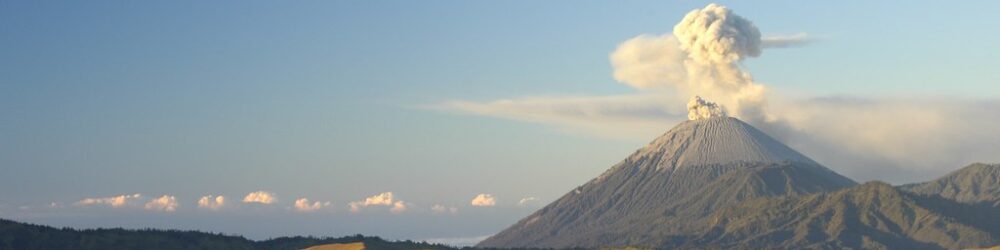
Mount Tolbachik is a complex volcano featuring two main summits: Plosky Tolbachik, a broad shield volcano with a flat top, and Ostry Tolbachik, a sharp stratovolcano peak. Its geology is defined by repeated fissure eruptions, notably the Great Tolbachik Fissure Eruption of 1975-76, which produced extensive lava flows and numerous new cinder cones. The volcano’s basaltic lava creates vast fields of dark, rugged rock. Active fumaroles emit sulfur-rich gases, depositing rare minerals such as alarsite and tolbachite around vents. The terrain includes lava caves formed by cooling flows, offering unique geological features rarely found elsewhere.
Terrain and Hiking Experience on Tolbachik
Trekking Tolbachik involves navigating diverse volcanic terrain. Steep ash slopes challenge footing, while jagged lava fields require careful scrambling. Loose pumice and volcanic scree demand sturdy boots and good balance. Ridge walks along crater rims expose hikers to strong winds and panoramic views. Altitude effects are moderate but noticeable near the summit, requiring acclimatization for some. Temperatures can shift rapidly, with cool winds contrasting the heat radiating from fumaroles. The rugged landscape tests endurance but rewards with dramatic volcanic vistas and a deep sense of wilderness.
What Makes the Tolbachik Trek Unique
Tolbachik’s uniqueness lies in its massive fissure eruptions that have dramatically reshaped the landscape, creating vast lava deserts and multiple new volcanic cones. The 1975-76 eruption remains one of Kamchatka’s largest basaltic events, while the 2012-13 eruption added fresh lava flows and caves. Trekkers encounter active fumaroles, sulfur deposits, and mineral-rich vents rarely accessible elsewhere. The dual summits offer contrasting experiences — from the gentle slopes of the shield volcano to the steep stratovolcano peak. The surrounding Kamchatka wilderness adds a profound sense of isolation and raw natural beauty.
Summit and Crater Experience on Tolbachik
Reaching Tolbachik’s summit or crater rim is a sensory climax. The air carries the sharp scent of sulfur, mingled with the warmth of steaming fumaroles beneath your feet. The ground vibrates subtly with volcanic activity. From the rim, panoramic views reveal endless lava fields, jagged cinder cones, and distant Kamchatka peaks shrouded in clouds. The soundscape includes hissing gases and the occasional crackle of cooling lava. This moment connects trekkers intimately with the planet’s molten core, offering a rare glimpse into active volcanic processes.
Best Time to Trek Mount Tolbachik
The optimal trekking season is mid-summer, from July to early September, when temperatures range from 5°C to 25°C and snow has melted from higher elevations. Weather is relatively stable, though sudden changes and strong winds are common. Avoid winter and late autumn due to snow cover and harsh conditions. Volcanic activity is continuously monitored; trekkers should check for any restrictions or alerts before planning their trip to ensure safety.
Trekking Routes and Trail Options
Two main routes ascend Tolbachik. The Plosky Tolbachik trail offers a longer, less steep approach across lava fields and ash slopes, suitable for multi-day treks with moderate difficulty. The Ostry Tolbachik route is steeper and more demanding, leading to the highest peak at 3,672 meters. Both routes start near the villages of Kozyrevsk or Tolbachinsky Dol, with options for guided or self-guided treks. Typical trek durations range from 3 to 7 days depending on itinerary and pace. Trail conditions vary seasonally and require careful planning.
Difficulty Assessment
Tolbachik trekking ranges from moderate to demanding. Challenges include unstable volcanic ash, sharp lava rocks, and steep slopes. Altitude gain up to 1,000 meters requires good cardiovascular fitness and acclimatization. No technical climbing gear is generally needed, but sure-footedness and experience with volcanic terrain are essential. This trek suits experienced hikers comfortable with remote wilderness, variable weather, and self-sufficiency. Weather and volcanic activity can increase difficulty unpredictably.
Essential Volcano Trekking Gear
Key gear includes sturdy hiking boots with excellent grip for lava and scree, trekking poles for stability on loose terrain, and volcanic ash gaiters to protect against fine particles. A windproof and waterproof jacket is vital for sudden weather shifts. Gas masks or respirators may be necessary near active fumaroles to protect against sulfur gases. Headlamps are recommended for early starts or multi-day treks. Hydration systems and high-SPF sun protection are essential due to limited shade and high UV exposure.
Safety and Volcanic Hazards
Volcanic gases like sulfur dioxide pose respiratory risks; avoid fumarole vents and carry protective masks if advised. Crater edges may be unstable and prone to collapse. Loose scree and falling rocks require caution on steep slopes. Although Tolbachik is active, eruptions are monitored by the Kamchatka Volcanic Eruption Response Team. Always check current volcanic activity reports and follow park regulations. Weather can change rapidly, so prepare for cold, wind, and rain. Emergency communication options are limited; plan accordingly.
Permits, Guides, and Logistics
A permit from Kamchatka Volcanoes Nature Park is required for trekking Tolbachik, obtainable at the park office in Yelizovo or via email. Guided tours are recommended for safety and local knowledge, especially for multi-day expeditions. The nearest access points are the villages of Kozyrevsk and Tolbachinsky Dol. Transport options include off-road vehicles from Petropavlovsk-Kamchatsky. Registration with local authorities is mandatory upon arrival in Kamchatka. Planning logistics well in advance is essential due to the region’s remoteness.
Where to Stay Near Mount Tolbachik
Accommodation options include guesthouses and hostels in Kozyrevsk and Petropavlovsk-Kamchatsky. For trekking groups, campsites and glamping near Tolbachinsky Dol provide base camps close to trailheads. Some lodges offer hot springs and local cuisine, enhancing the trekking experience. Booking in advance is advised during peak season. Petropavlovsk-Kamchatsky also offers hotels with amenities for acclimatization before the trek. Facilities are basic near the volcano, so prepare accordingly.