
Mount Ijen Volcano Trekking Guide: Experience Indonesia’s Blue Fire and Acidic Crater Lake
Discover the thrilling Mount Ijen trek in East Java, Indonesia, famous for its rare blue fire phenomenon and the world’s largest acidic crater lake. This expert guide covers geology, trekking routes, safety tips, and the best seasons to visit for an unforgettable volcanic adventure.
Quick Volcano Snapshot
| Volcano type | Stratovolcano with caldera |
|---|---|
| Elevation | 2,386 meters |
| Location | East Java, Indonesia |
| Activity status | Active |
| Trekking difficulty | Moderate |
| Typical trek duration | 4-6 hours (round trip) |
| Altitude gain | Approximately 600 meters |
| Terrain type | Steep paved paths, volcanic ash slopes, rocky crater rim |
| Best season | Dry season (May to October) |
| Temperature range | 5°C to 20°C near summit |
| Permit requirement | Required (managed by Ijen National Park) |
The Experience of Hiking Mount Ijen
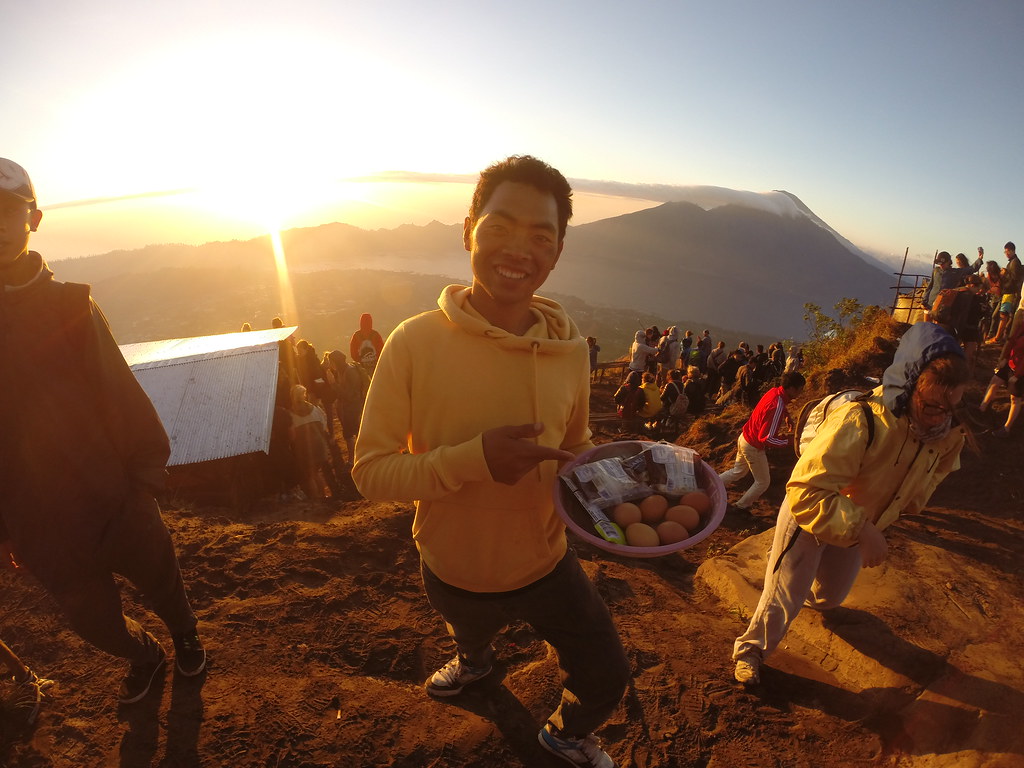
Approaching Mount Ijen, the landscape shifts dramatically from lush tropical forests to stark volcanic terrain. The air grows cooler and the ground beneath your feet turns to hardened lava and ash. As you ascend the steep, winding path, anticipation builds for the surreal spectacle awaiting you at the crater. The contrast between the barren volcanic slopes and the vibrant turquoise crater lake below is striking. Reaching the rim at night, the rare blue flames flicker mysteriously, illuminating the sulfurous vents in an otherworldly glow. This trek is a profound encounter with Earth’s raw geological power.
Mount Ijen: Geological Background
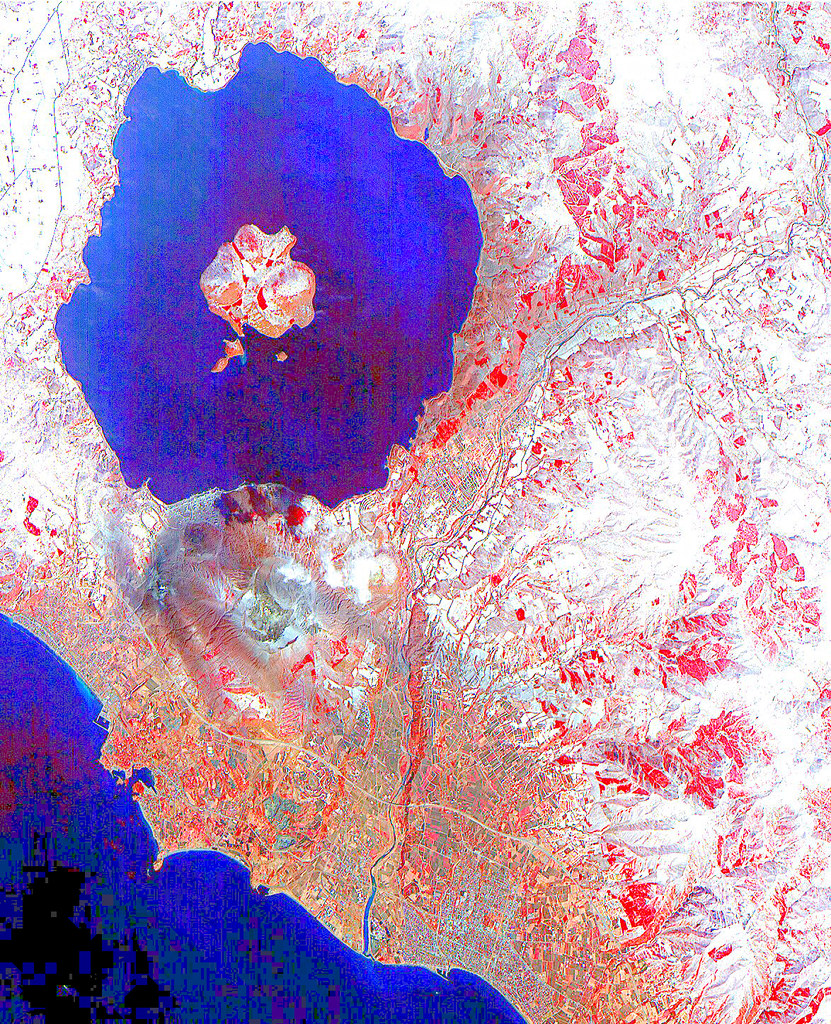
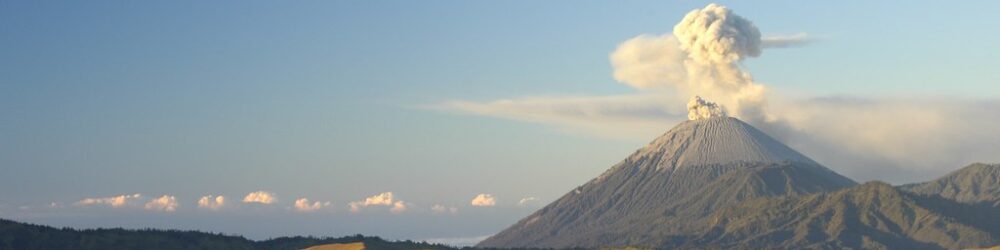
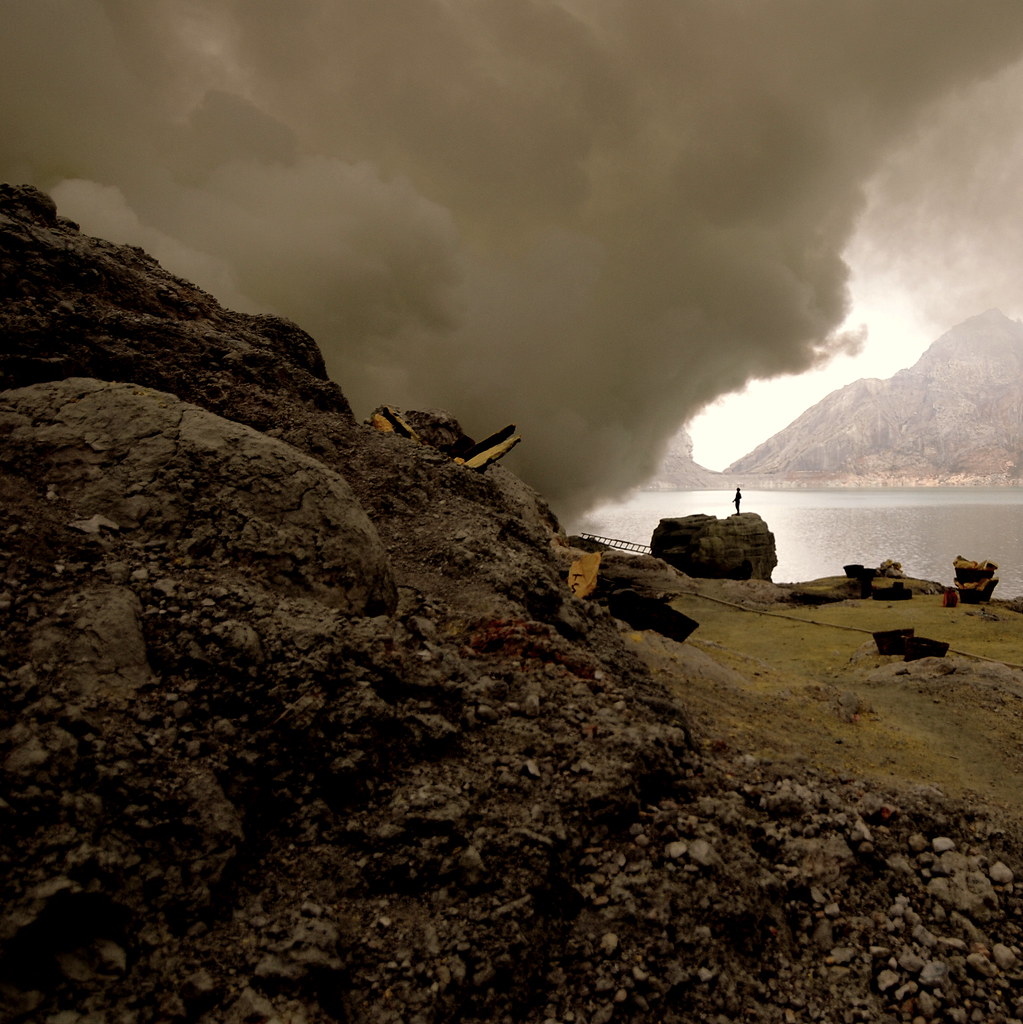
Mount Ijen is a stratovolcano featuring a large caldera formed by past explosive eruptions. Its most notable geological feature is the acidic crater lake, the largest of its kind globally, with a pH around 0.5 and temperatures near 40°C. The volcano emits sulfuric gases through fumaroles and vents, which ignite to create the famous blue fire phenomenon. Sulfur deposits accumulate around these vents, mined traditionally by local workers. The volcanic landscape is shaped by layers of lava flows, ash, and pyroclastic materials, offering a vivid window into volcanic processes.
Terrain and Hiking Experience on Mount Ijen
The trek to Mount Ijen’s crater rim follows a steep, paved path that winds through dense forest before emerging onto volcanic slopes. The terrain becomes rocky and uneven near the crater, with loose volcanic ash and sharp sulfur deposits. Hikers encounter strong winds and temperature drops as they ascend. The final approach to the crater rim requires careful footing on rugged volcanic rock. Altitude effects are mild but noticeable. The trail’s steepness and occasional slippery sections demand moderate fitness and surefootedness.
What Makes the Mount Ijen Trek Unique
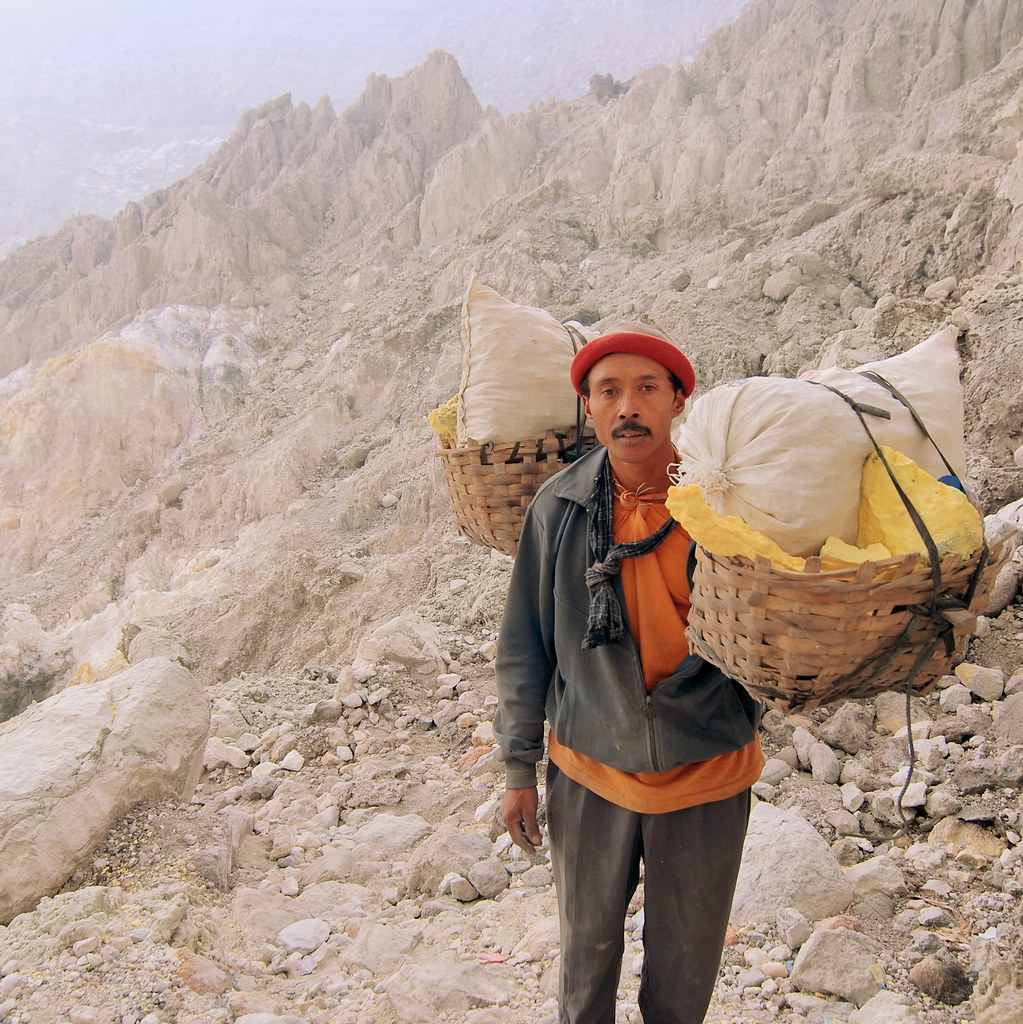
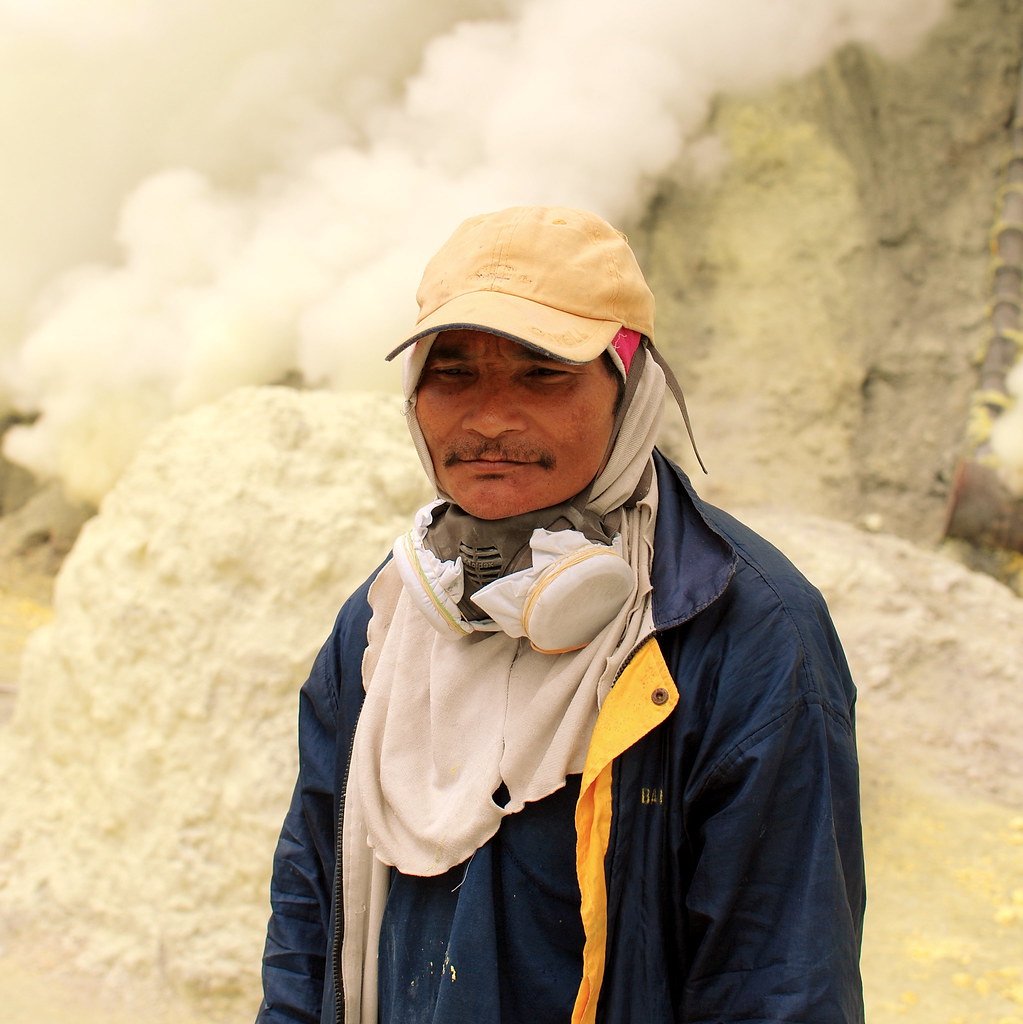
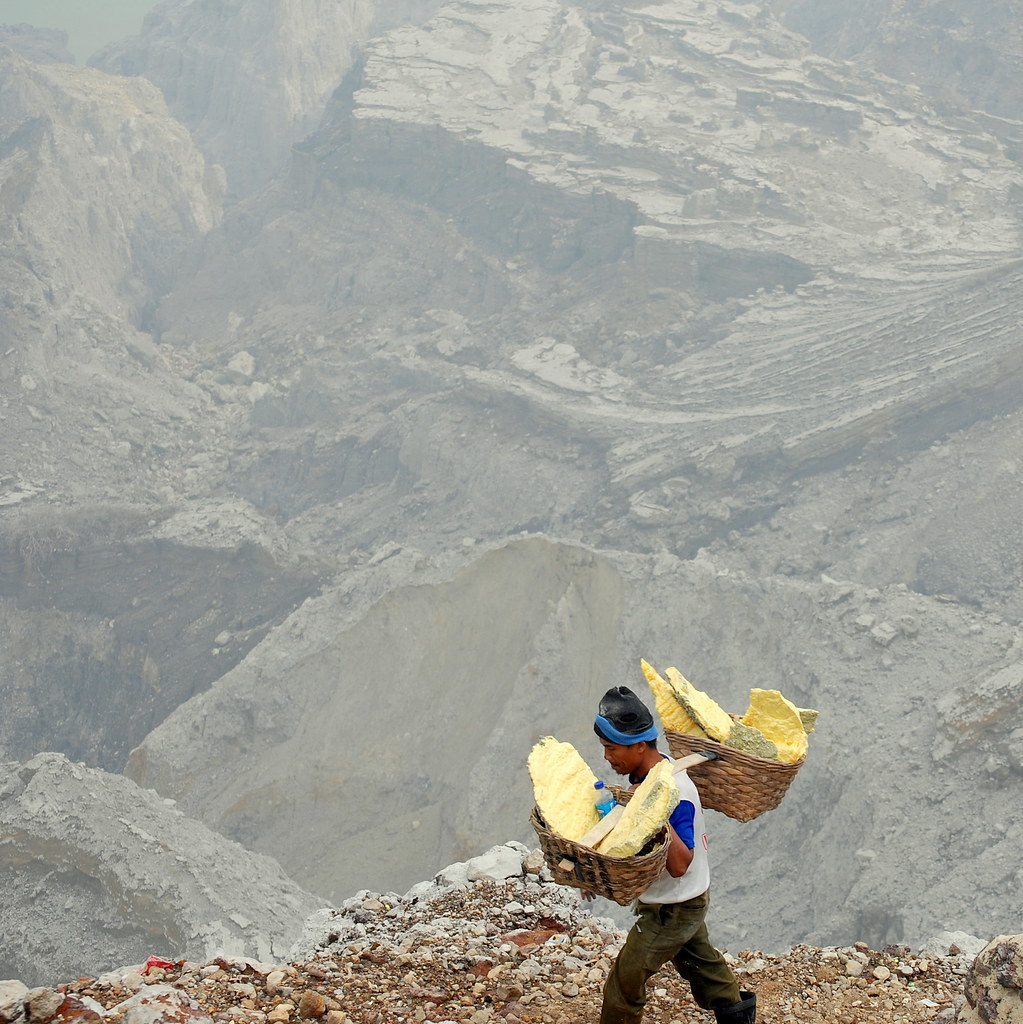
Mount Ijen’s trek is distinguished by the rare blue fire phenomenon—electric-blue flames caused by ignited sulfuric gases visible only at night. This natural spectacle is one of the few of its kind worldwide. The trek also offers a chance to witness traditional sulfur mining inside the crater, where miners carry heavy loads of sulfur on their backs. The acidic turquoise crater lake, surrounded by steep volcanic walls, adds to the dramatic scenery. The combination of geological wonders and cultural insights makes this trek truly exceptional.
Summit and Crater Experience
Reaching the crater rim at Mount Ijen is a sensory immersion. The air carries a pungent sulfur smell, and heat radiates from fumaroles and steam vents. At night, the blue flames dance along the crater floor, casting an eerie glow on the rugged terrain. As dawn breaks, the blue fire fades, revealing the vast turquoise acidic lake below, framed by jagged volcanic cliffs. The panoramic views stretch over the surrounding volcanic landscape and distant mountains. The sound of escaping gases and the sight of miners at work create a powerful connection to the volcano’s living energy.
Best Time to Trek Mount Ijen
The optimal time to visit Mount Ijen is during the dry season from May to October, when weather conditions are stable and trails are less slippery. Night hikes to see the blue fire are best on clear, windless evenings to maximize visibility. Avoid the rainy season (November to March) due to slippery paths and increased volcanic gas hazards. Volcanic activity is monitored continuously; access may be restricted during heightened activity for safety.
Trekking Routes and Trail Options
The primary route starts at Paltuding Base Camp, approximately 3 kilometers from the crater rim, with an elevation gain of about 600 meters. The paved trail is steep but well-maintained. Guided night treks are common to witness the blue fire, with local guides providing gas masks and headlamps. Descending into the crater floor to see the blue flames up close is sometimes restricted due to safety concerns. Alternative routes from other villages exist but are less frequented and more challenging.
Difficulty Assessment
Mount Ijen is classified as a moderate volcano trek. The paved but steep trail requires good cardiovascular fitness and stamina. The altitude is moderate, so altitude sickness is uncommon but possible for sensitive individuals. Technical climbing skills are not required, but hikers must be cautious on loose volcanic rock and slippery sections. The presence of volcanic gases necessitates carrying a gas mask, especially near fumaroles.
Essential Volcano Trekking Gear
Key gear includes sturdy hiking boots with good grip, trekking poles for stability on steep slopes, and volcanic ash gaiters to protect against fine ash. A gas mask or respirator is essential to safely navigate sulfur gas zones. Carry a windproof jacket and warm layers for cold summit temperatures. A reliable headlamp is necessary for night ascents. Hydration systems and sun protection (hat, sunscreen) are vital due to exposed terrain and lack of shade.
Safety and Volcanic Hazards
Mount Ijen is an active volcano with hazards including toxic sulfur gases, unstable crater edges, and loose volcanic scree. Sudden changes in volcanic activity can lead to temporary closures. Always heed warnings from the Ijen National Park authorities and use provided gas masks. Avoid descending into the crater floor when restricted. Weather can change rapidly, increasing risk on exposed slopes. Guided treks with experienced local guides enhance safety.
Permits, Guides, and Logistics
A permit issued by Ijen National Park is required to trek Mount Ijen. Park fees contribute to conservation and safety management. Hiring a licensed local guide is strongly recommended for navigation, safety, and gas mask provision. Organized tours from Banyuwangi or Bali simplify logistics, including transport, ferry crossings, and accommodation. Seasonal restrictions may apply based on volcanic activity and weather.
Where to Stay Near Mount Ijen
Banyuwangi town is the main gateway, offering hotels, guesthouses, and eco-lodges within 1.5 hours’ drive of the base camp. Accommodations range from budget hostels to mid-range hotels. Some trekkers opt to stay at homestays or mountain lodges near Paltuding Base Camp for early summit starts. Banyuwangi also provides access to transport and tour services. Nearby attractions include Mount Bromo and Baluran National Park.