
Mount Etna Volcano Trekking Guide: Exploring Europe's Largest Active Stratovolcano
Discover the thrill of trekking Mount Etna, Europe's largest active stratovolcano. This comprehensive guide covers geology, terrain, routes, safety, and logistics for an unforgettable volcanic adventure in Sicily.
Quick Volcano Snapshot
| Volcano type | Stratovolcano |
|---|---|
| Elevation | 3,329 meters |
| Location | Sicily, Italy |
| Activity status | Active |
| Trekking difficulty | Moderate |
| Typical trek duration | 2 to 7 hours depending on route |
| Altitude gain | Up to 1,000 meters on summit routes |
| Terrain type | Lava fields, ash slopes, volcanic rock, pumice |
| Best season | Late spring to early autumn (May to October) |
| Temperature range | -5°C to 20°C depending on altitude and season |
| Permit requirement | Guide required above 2,800 meters |
The Experience of Hiking Mount Etna
Approaching Mount Etna, the landscape shifts dramatically from lush Sicilian countryside to vast expanses of black lava and ash. The air carries a faint scent of sulfur, hinting at the volcano's restless power. As you ascend, barren slopes give way to jagged lava formations and steaming fumaroles, a raw testament to Earth's fiery forces. Reaching the crater rim, the panorama unfolds: a rugged lunar terrain punctuated by active vents and distant views of the Mediterranean Sea. The emotional impact is profound—a blend of awe, respect, and exhilaration at standing atop one of Europe's most dynamic natural wonders.
Mount Etna: Geological Background
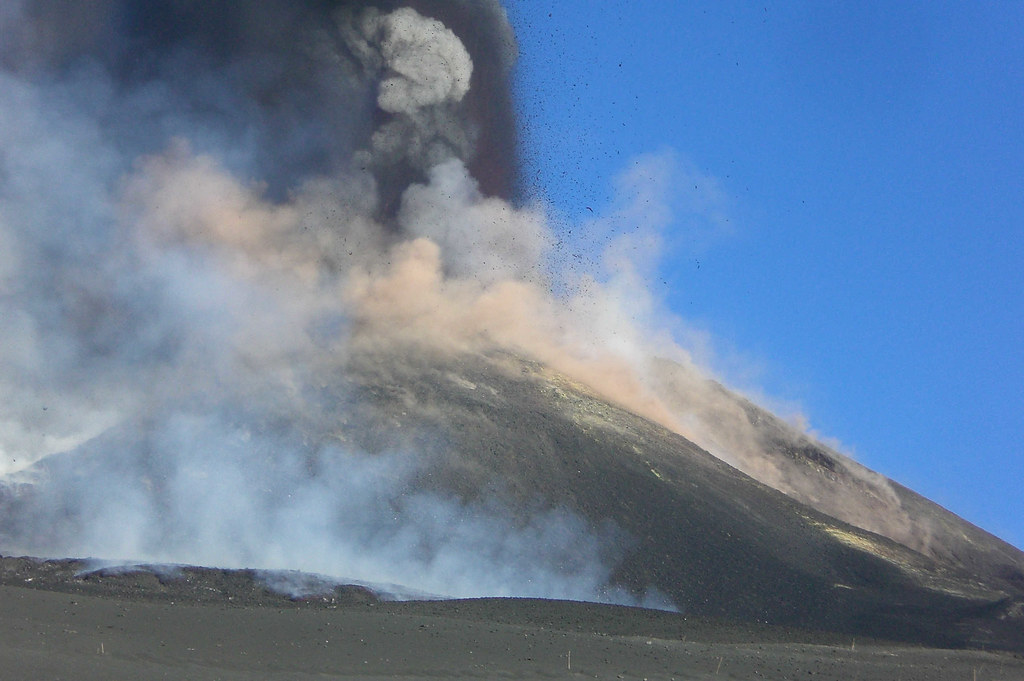
Mount Etna is a towering stratovolcano formed by layers of hardened lava, ash, and volcanic debris. Its origins trace back hundreds of thousands of years, shaped by repeated eruptions that have sculpted its complex structure. Frequent activity includes explosive eruptions and effusive lava flows, creating a landscape of diverse volcanic features. The summit hosts multiple craters, fumaroles emitting sulfurous gases, and mineral deposits coloring the terrain in yellows and whites. Unique formations such as hornitos—small lava spatter cones—dot the slopes, while vast lava fields reveal the volcano's recent fiery past.
Terrain and Hiking Experience on Mount Etna
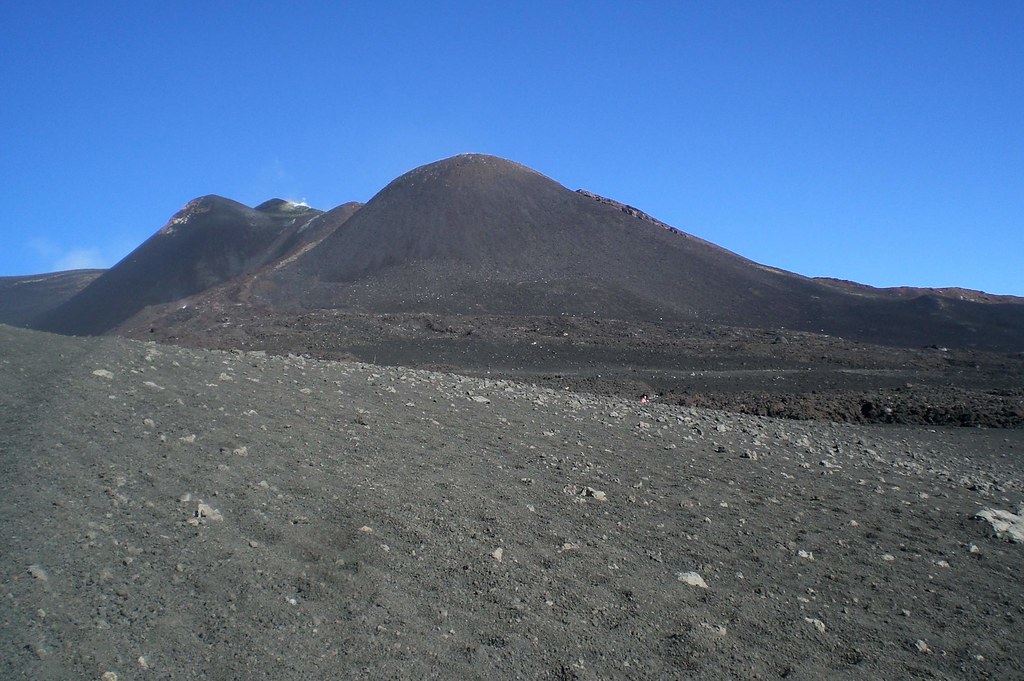
Trekking Mount Etna involves navigating varied terrain: loose volcanic ash slopes that challenge footing, rugged lava rock requiring careful scrambling, and pumice fields that shift underfoot. Trails often traverse exposed ridges where wind gusts intensify the chill. Altitude effects become noticeable above 2,500 meters, with thinner air and cooler temperatures. The volcanic sand can be abrasive, making sturdy boots essential. Despite these challenges, the trail rewards hikers with ever-changing vistas—from dense pine forests at lower elevations to stark, moonlike deserts near the summit.
What Makes Mount Etna Trek Unique
Mount Etna stands out as Europe's largest active volcano, offering a rare chance to witness ongoing volcanic processes up close. Unique features include active summit craters with visible fumaroles, recent lava flows still warm to the touch, and the vast Valle del Bove caldera—a dramatic volcanic amphitheater. The trek combines diverse ecosystems, from Mediterranean forests to barren lava deserts. Seasonal contrasts add to the allure, with winter snow-capped peaks transforming the volcano into a striking alpine landscape. The cultural backdrop of Sicily enriches the experience, blending natural wonder with local heritage.
The Summit and Crater Experience
Reaching Mount Etna's summit is a sensory immersion. The sulfurous smell from fumaroles is unmistakable, mingling with the crisp mountain air. Heat radiates from cracks in the earth, while the low rumble of escaping gases underscores the volcano's vitality. From the crater rim, panoramic views stretch across Sicily and the Ionian Sea, framed by jagged lava spires and steaming vents. The ground beneath is a mosaic of black basalt, ochre sulfur deposits, and white mineral crusts. This moment is both humbling and exhilarating—a direct encounter with Earth's primal forces.
Best Time to Trek Mount Etna
The ideal trekking season on Mount Etna spans late spring to early autumn (May to October), when weather is generally stable and snow-free at higher elevations. Summer offers long daylight hours but can be hot at lower altitudes. Winter treks are possible but require technical gear due to snow and ice. Weather on Etna can change rapidly; sudden fog, wind, or volcanic gas emissions may restrict access. Authorities monitor volcanic activity closely, and summit access may be limited during eruptions or hazardous conditions. Early morning climbs are recommended for cooler temperatures and clearer views.
Trekking Routes and Trail Options on Mount Etna
Mount Etna offers a variety of trekking routes suited to different skill levels. The popular South Craters trek starts at Rifugio Sapienza (1,900 m), lasting 2–4 hours over gentle terrain with views of extinct craters and lava fields—ideal for beginners. The challenging Summit trek begins with a cable car and 4×4 transfer to 2,800 m, followed by a 5–7 hour hike to 3,300 m, requiring a certified guide. The North trek from Piano Provenzana offers moderate difficulty through pine forests and volcanic deserts over 4–6 hours. Guided and self-guided options exist, but above 2,800 m a guide is mandatory by law.
Difficulty Assessment of Mount Etna Treks
Mount Etna treks range from moderate to demanding. Lower routes feature uneven volcanic terrain but manageable elevation gains, suitable for hikers with basic experience. Summit ascents involve steep ash slopes, loose scree, and high altitude challenges, requiring good fitness and acclimatization. Technical mountaineering skills are generally not needed, but hikers must be prepared for variable weather and unstable ground. Overall, Mount Etna is classified as a moderate volcano trek with demanding summit options, accessible to well-prepared adventure travelers.
Essential Volcano Trekking Gear for Mount Etna
Key gear includes sturdy hiking boots with strong grip for volcanic rock and ash, trekking poles for stability on loose terrain, and gaiters to keep volcanic sand out of boots. Layered clothing is essential to adapt to temperature shifts; a windproof and waterproof jacket is recommended. Above 2,800 meters, a gas mask or respirator may be necessary due to sulfur fumes. Headlamps are useful for early starts or sunset treks. Carry at least 2 liters of water, sun protection including sunglasses and sunscreen, and energy-rich snacks. A backpack with emergency supplies and a map or GPS device is advised.
Safety and Volcanic Hazards on Mount Etna
Mount Etna's active status poses specific risks: toxic volcanic gases like sulfur dioxide can cause respiratory irritation, especially near fumaroles. Crater edges may be unstable and prone to collapse. Loose scree and falling rocks increase the risk of slips and injuries. Sudden eruptions or ash emissions can occur with little warning. Weather changes rapidly, with fog and high winds reducing visibility and increasing exposure. Visitors must heed warnings from local authorities and only trek with certified guides above 2,800 meters. Monitoring agencies provide real-time updates to ensure safety.
Permits, Guides, and Logistics for Mount Etna Trekking
Access to Mount Etna is unrestricted up to 2,800 meters, but above this altitude a certified mountain or volcanological guide is legally required. Permits are included with guided tours; independent trekkers must arrange guides for summit ascents. Park entry fees apply in some areas. Seasonal closures or restrictions may be enforced during heightened volcanic activity. Transfers from nearby towns like Catania or Taormina to trailheads are available. Cable cars and 4×4 vehicles assist with altitude gain on summit routes. Booking in advance is recommended, especially for guided excursions.
Where to Stay Near Mount Etna
Accommodation options range from rustic mountain huts and bivouacs on the volcano slopes to comfortable lodges and guesthouses in nearby towns. Rifugio Sapienza and Piano Provenzana serve as popular base points with facilities catering to trekkers. The city of Catania, about 30 km away, offers extensive lodging, dining, and transport connections. Taormina provides a scenic alternative with cultural attractions. Eco camps and trekking hostels are available for budget travelers. Staying near trailheads allows early starts and easy access to guided tours.