
Climbing Mount Fuji: The Definitive Volcano Trekking Guide to Japan’s Iconic Stratovolcano
Mount Fuji, Japan’s highest peak and a sacred stratovolcano, offers a moderate yet unforgettable trekking experience. This guide covers its geology, trekking routes, seasonal tips, permit requirements, and safety advice for adventurers seeking to conquer this iconic volcanic cone.
Quick Volcano Snapshot
| Volcano type | Stratovolcano |
|---|---|
| Elevation | 3,776 meters |
| Location | Honshu, Japan |
| Activity status | Dormant (last eruption 1707) |
| Trekking difficulty | Moderate |
| Typical trek duration | 6 to 10 hours ascent, 3 to 5 hours descent |
| Altitude gain | Approximately 1,400 meters from 5th station |
| Terrain type | Volcanic ash slopes, scree, rocky trails |
| Best season | July to early September |
| Temperature range | 5°C to 15°C at summit during climbing season |
| Permit requirement | Mandatory climbing permit with pre-registration and fee |
The Experience of Hiking Mount Fuji
Approaching Mount Fuji reveals a striking contrast between its perfectly symmetrical volcanic cone and the lush forests that blanket its lower slopes. The ascent immerses hikers in a dramatic geological landscape where barren volcanic ash and rocky terrain stretch skyward. Each step upward deepens the connection to the mountain’s silent power, culminating in an emotional arrival at the crater rim. From this vantage point, the vastness of Japan’s highest peak is felt in every breath, offering a profound sense of achievement and awe.

Mount Fuji: Geological Background
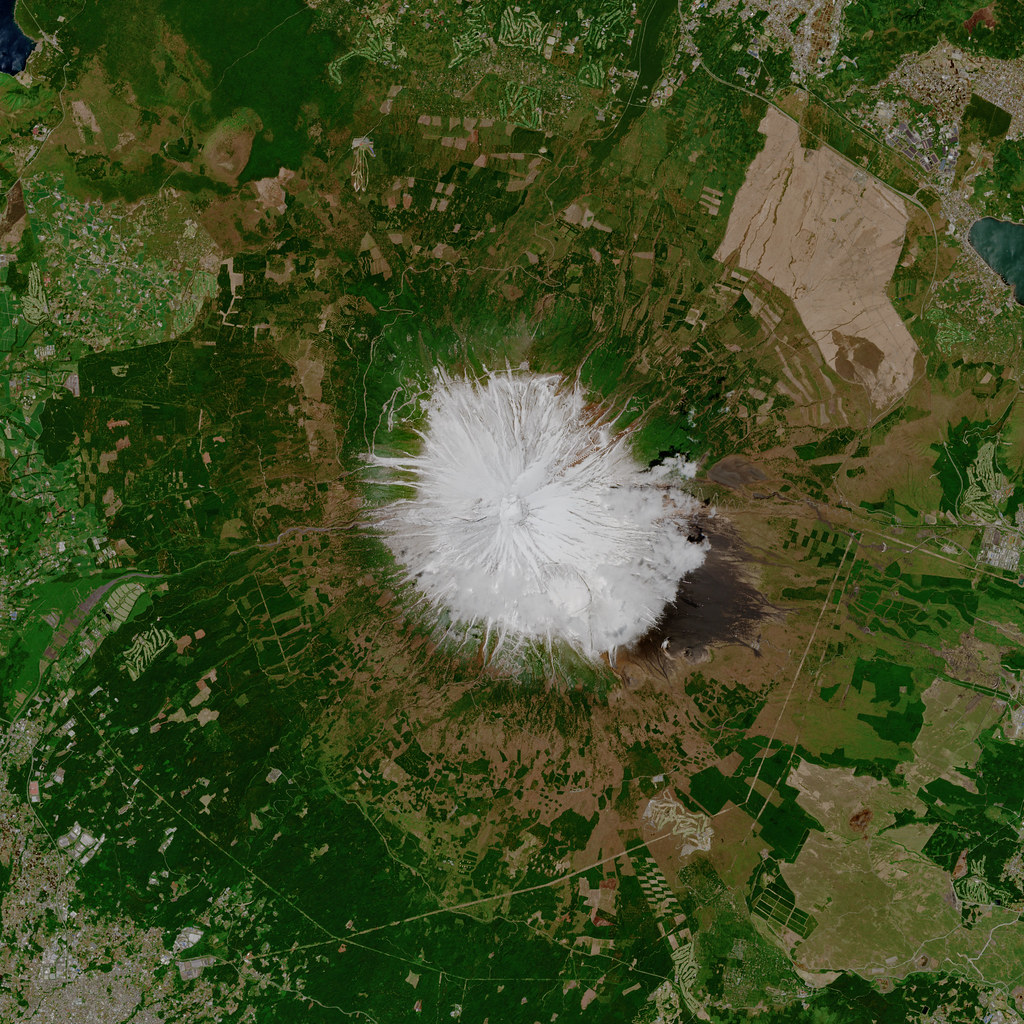
Mount Fuji is a classic stratovolcano formed by successive layers of lava flows, volcanic ash, and pyroclastic deposits over tens of thousands of years. Its iconic symmetrical cone rises to 3,776 meters above sea level, shaped by multiple eruptive phases dating back approximately 100,000 years. The most recent eruption occurred in 1707, known as the Hoei eruption, which deposited a fresh layer of volcanic ash on the eastern slopes. The summit crater spans roughly 500 meters in diameter and contains fumaroles and sulfur vents, indicating that while currently dormant, the volcano remains geothermally active beneath the surface.
Terrain and Hiking Experience on Mount Fuji
The trek up Mount Fuji features a mix of steep volcanic ash slopes, loose scree, and rocky trails. Hikers begin their ascent typically from one of the 5th stations, where the trail steadily climbs through forested areas before transitioning to barren volcanic terrain. The loose scree sections demand careful footing, especially during descent when slipping is common. Above 2,500 meters, altitude effects become noticeable, with cooler temperatures and stronger winds challenging climbers. The trail includes occasional ridge walking near the summit, requiring steady pacing and good balance. Despite the steepness and altitude, no technical climbing skills are necessary.
What Makes the Mount Fuji Trek Unique
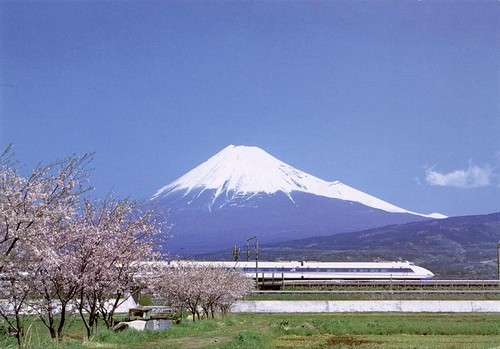
Mount Fuji’s trek is unique due to its cultural and spiritual significance, combined with its stunning natural beauty. The mountain’s perfect cone shape is visible from miles around, symbolizing Japan itself. Climbers have the rare opportunity to stand atop the country’s highest peak and witness the breathtaking sunrise above a sea of clouds, a moment known as "Goraiko." Traditional mountain huts along the trail provide a distinctive Japanese mountain experience, offering rest and meals in a communal setting. The stark volcanic landscape contrasts sharply with the verdant foothills, making the journey both a natural adventure and a spiritual pilgrimage.
Summit and Crater Experience
At the summit, hikers are rewarded with panoramic views encompassing Japan’s islands, distant mountain ranges, and on clear days, even Mount Hakone and the Pacific Ocean. The crater rim reveals steaming fumaroles and sulfur vents that emit faint volcanic gases, a reminder of the mountain’s dormant power. The wind often whistles across the barren summit plateau, enhancing the sense of isolation and grandeur. The vast crater’s depth and rugged interior impress visitors, who often pause to absorb the silence and majesty before beginning their descent.

Best Time to Trek Mount Fuji
The official climbing season runs from July 1 to early September, when mountain huts and facilities are fully operational and weather conditions are most stable. Outside this period, trails are typically closed due to snow, ice, and hazardous weather. Early morning climbs to catch the sunrise are popular but require headlamps, warm clothing, and careful pacing to avoid altitude sickness. Climbers should avoid typhoon season in late summer and remain prepared for sudden weather changes, including strong winds and temperature drops, even during the official season.
Trekking Routes and Trail Options
Mount Fuji offers four main climbing routes: Yoshida, Subashiri, Gotemba, and Fujinomiya. The Yoshida Trail is the most popular and beginner-friendly, starting from the 5th station on the north side and featuring numerous mountain huts. The Subashiri Trail ascends through forested lower slopes, providing a quieter experience. Gotemba Trail is the longest and steepest, favored by experienced hikers seeking a challenging ascent. The Fujinomiya Trail is the shortest route with a steep final section, often used for faster climbs. All routes require climbers to register and obtain a climbing permit.
Difficulty Assessment
Mount Fuji is classified as a moderate volcano trek. The primary challenges include altitude, steep volcanic ash slopes, and rapidly changing weather conditions. While no technical climbing skills are necessary, hikers should possess a good level of physical fitness and consider acclimatization to reduce altitude sickness risks. The ascent tests endurance more than technical ability, making it accessible to prepared hikers with moderate trekking experience. Proper pacing and rest are essential to safely complete the climb.
Essential Volcano Trekking Gear for Mount Fuji
Key gear for climbing Mount Fuji includes sturdy hiking boots with excellent grip to handle loose scree and rocky terrain. Trekking poles provide stability on steep and unstable slopes. Layered clothing is essential to adapt to temperature fluctuations, including windproof and waterproof jackets. A reliable headlamp is necessary for early morning or nighttime climbs. Climbers must carry their climbing permit QR code or printed registration. Sun protection such as sunglasses, sunscreen, and hats is critical due to high UV exposure at altitude. Adequate water, high-energy snacks, and optional gas masks or respirators are recommended for those sensitive to volcanic gases.
Safety and Volcanic Hazards
Although Mount Fuji is currently dormant, fumaroles at the summit emit sulfur gases that can irritate sensitive individuals. The loose scree and steep slopes increase the risk of slips and falls, especially during descent. Sudden weather changes can bring cold temperatures, strong winds, and reduced visibility. Climbers are discouraged from "bullet climbing," or rushing to the summit without rest, due to the risk of altitude sickness. Official monitoring agencies continuously assess volcanic activity and weather conditions, issuing warnings and regulating access. It is vital to follow all official guidance and safety instructions.
Permits, Guides, and Logistics
Since 2024, all climbers must pre-register online and pay a ¥4,000 climbing fee valid for one ascent during the official season. Daily entries are capped at 4,000 people to minimize environmental impact and preserve the mountain’s natural state. Registration includes completing an e-learning course covering climbing rules and safety. Guides are available and recommended for first-time climbers or those attempting off-season ascents. Entry is controlled at the 5th stations, where QR codes are scanned and permits verified before allowing access to the trails.
Where to Stay Near Mount Fuji
Accommodation options near Mount Fuji include mountain huts located along the climbing trails that offer meals and resting spaces. Guesthouses and hotels are available in nearby towns such as Fujiyoshida, providing comfortable lodging with easy access to trailheads via bus. Eco-lodges and ryokans around the Fuji Five Lakes area offer scenic stays with traditional Japanese hospitality. Many climbers choose to stay overnight at huts located at the 7th or 8th stations to facilitate early morning summit attempts. Booking accommodations well in advance is essential during the peak climbing season.