
Mount Sibayak Volcano Trekking Guide: Exploring North Sumatra’s Active Stratovolcano
Mount Sibayak, an active stratovolcano in North Sumatra, Indonesia, offers a moderately challenging trek through lush forests, volcanic terrain, and steaming sulfur fumaroles. This guide covers geology, trekking routes, safety, and practical tips for an unforgettable volcano hiking adventure.
Quick Volcano Snapshot
| Volcano type | Stratovolcano |
|---|---|
| Elevation | 2,212 meters |
| Location | North Sumatra, Indonesia |
| Activity status | Active (last eruption 1881, geothermally active) |
| Trekking difficulty | Moderate |
| Typical trek duration | 3 to 4 hours round trip |
| Altitude gain | Approximately 550 meters |
| Terrain type | Montane forest, volcanic scree, rocky summit |
| Best season | May to September (dry season) |
| Temperature range | 5°C to 20°C |
| Permit requirement | Entrance fee required; no special permits |
The Experience of Hiking Mount Sibayak
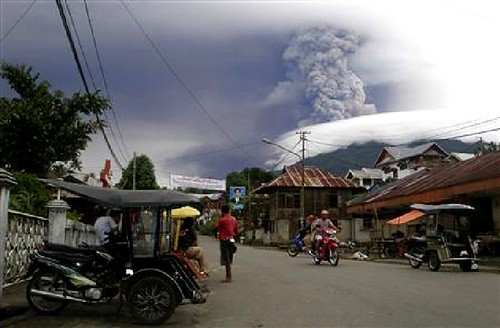
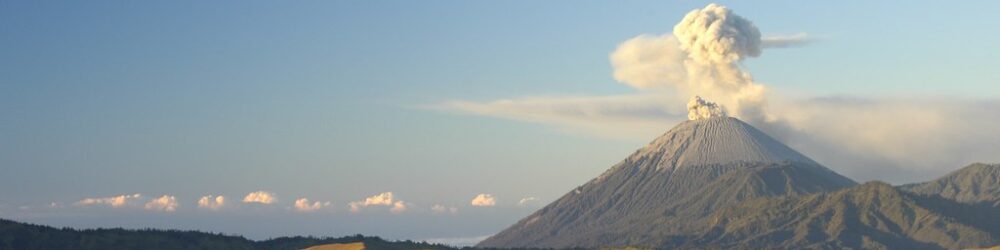
Approaching Mount Sibayak, hikers transition from lush montane forests to stark volcanic slopes. The air carries a faint sulfur scent, signaling the geothermal activity beneath. Along the trail, steaming fumaroles and vivid sulfur deposits create striking contrasts with the greenery. Upon reaching the crater rim, panoramic views reveal a steaming volcanic cauldron framed by distant peaks and the smoking cone of Mount Sinabung. The palpable volcanic energy inspires awe and respect for this active natural wonder.
Geological Background of Mount Sibayak
Mount Sibayak is a stratovolcano formed by layers of lava and ash, rising to 2,212 meters. Its last eruption occurred in 1881, but it remains geothermally active with persistent fumaroles emitting sulfurous gases. The crater floor is coated with yellow and white sulfur crystals, and steam vents punctuate the rocky terrain. The volcano is part of the Sunda Arc, where the Indo-Australian Plate subducts beneath the Eurasian Plate, generating frequent volcanic activity and rich mineral deposits.
Terrain and Hiking Experience on Mount Sibayak
The trek begins in dense montane forest with cool, shaded trails. As elevation increases, vegetation thins and gives way to loose volcanic scree and rugged lava rocks. Near the summit, hikers encounter sulfur fumaroles and steam vents that create an otherworldly atmosphere. The trail can be slippery and uneven, requiring careful footing. Wind intensifies near the crater rim, and temperatures drop noticeably. This combination of forest paths and volcanic terrain offers a varied and engaging hiking experience.
What Makes Mount Sibayak Trek Unique
Mount Sibayak offers rare access to active sulfur fumaroles and steaming vents right at the crater edge, a feature uncommon among Indonesian volcanoes. Its proximity to Berastagi town allows for a quick ascent and descent, ideal for day hikes. The dramatic views of the smoking Mount Sinabung and surrounding highlands enhance the experience. Nearby natural hot springs provide a relaxing reward after the trek, adding to the unique appeal of this volcano adventure.
Summit and Crater Experience on Mount Sibayak
At the summit, hikers witness steaming fumaroles emitting sulfurous gases with a distinctive pungent aroma. The ground subtly vibrates with volcanic energy, while the hiss of escaping steam fills the air. Yellow sulfur crystals glitter against dark volcanic rock. From the crater rim, panoramic views extend across misty valleys to the smoking peak of Mount Sinabung. The cold wind and sulfur scent immerse visitors in the living geology of this active volcano.
Best Time to Trek Mount Sibayak
The dry season from May to September offers the most stable weather and clear views. Early morning treks are popular for sunrise vistas but require navigating slippery trails in low light. Daytime climbs starting after breakfast provide safer conditions and still cool temperatures. Avoid the rainy season when trails become muddy and visibility drops. Volcanic activity is monitored closely, and access may be restricted during heightened alerts.
Trekking Routes and Trail Options
The primary route begins north of Berastagi near Jalan Pendidikan, ascending through forest to volcanic terrain. The trail is approximately 4.8 kilometers round trip with about 550 meters elevation gain. Most hikers complete the ascent in 1.5 to 2 hours and return in 1 to 1.5 hours. Both guided and independent trekking options are available; guides enhance safety and local knowledge, especially for sunrise climbs. The trail is well-marked but can be challenging in darkness.
Difficulty Assessment of Mount Sibayak Trek
Mount Sibayak is classified as a moderate trek. The terrain includes steep forest paths, loose volcanic scree, and rocky sections near the summit. No technical climbing skills are required, but a reasonable fitness level is necessary. Altitude effects are mild but noticeable above 2,000 meters. The uneven trail surface and sulfur fumes may challenge sensitive hikers. Overall, it suits beginners with some hiking experience and adventurous families.
Essential Volcano Trekking Gear for Mount Sibayak
Recommended gear includes sturdy hiking boots with good grip for rocky and slippery terrain, trekking poles for stability, and volcanic ash gaiters to protect against fine dust. A windproof jacket and light rain gear are essential for summit winds and sudden weather changes. Carry a face mask or respirator to filter sulfur gases near fumaroles. Headlamps are necessary for pre-dawn starts. Hydration systems and sun protection such as hats and sunscreen are vital due to limited shade.
Safety and Volcanic Hazards on Mount Sibayak
Volcanic gases like sulfur dioxide can irritate eyes and lungs; sensitive individuals should use masks. Crater edges may be unstable; hikers must stay on marked paths. Loose scree and falling rocks pose slipping hazards. Although Sibayak’s last eruption was over a century ago, sudden activity is possible—check local volcanic monitoring updates before trekking. Weather can change rapidly, increasing hypothermia risk near the summit. Always inform others of your plans and avoid trekking alone.
Permits, Guides, and Logistics for Mount Sibayak Trek
An entrance fee of approximately 20,000 IDR is required at the trailhead; no special permits are needed. Hiring a local guide is optional but recommended for safety and navigation, especially for sunrise treks. Guides also support the local economy. The trailhead is accessible by moped or car from Berastagi. Inform your accommodation of your trekking plans. Seasonal closures may occur during volcanic alerts or heavy rains.
Where to Stay Near Mount Sibayak
Berastagi town offers a range of accommodations from budget hostels to mid-range hotels with mountain views. Popular options include Wisma Sunrise View and Hotel Kalang Ulu. Staying in Berastagi provides easy access to the trailhead and local amenities. Some lodges arrange guided tours and transport. After the trek, nearby natural hot springs at Sidebuk-debuk offer relaxing baths. Early bookings are advised during peak trekking seasons.