
Climbing Mount Semeru: The Ultimate Trekking Guide to Java’s Highest Active Volcano
Mount Semeru, Java’s tallest volcano at 3,676 meters, offers a demanding yet unforgettable trek through volcanic landscapes, alpine lakes, and rugged lava terrain. This guide covers geology, trekking routes, safety, permits, and preparation for an expert adventure on an active stratovolcano.
Quick Volcano Snapshot
| Volcano type | Stratovolcano |
|---|---|
| Elevation | 3,676 meters |
| Location | East Java, Indonesia |
| Activity status | Active |
| Trekking difficulty | Demanding |
| Typical trek duration | 2-3 days |
| Altitude gain | Approx. 1,559 meters |
| Terrain type | Volcanic forest, alpine meadows, lava fields, scree slopes |
| Best season | May to November (dry season) |
| Temperature range | 5°C to 25°C |
| Permit requirement | Mandatory permits and certified guides required |
The Experience of Hiking Mount Semeru
Mount Semeru stands as a towering sentinel over East Java, its peak often shrouded in volcanic ash and steam. Hiking Semeru is a profound encounter with nature’s raw forces, beginning in dense pine forests and ascending through diverse ecosystems. The trail leads trekkers past serene alpine lakes and rugged volcanic terrain, culminating at the active crater rim. Here, the air is thick with sulfur, and the constant rumble of the volcano reminds hikers of the earth’s restless energy. This trek challenges both body and spirit, offering unforgettable views and a deep connection to volcanic activity.
Geological Background of Mount Semeru
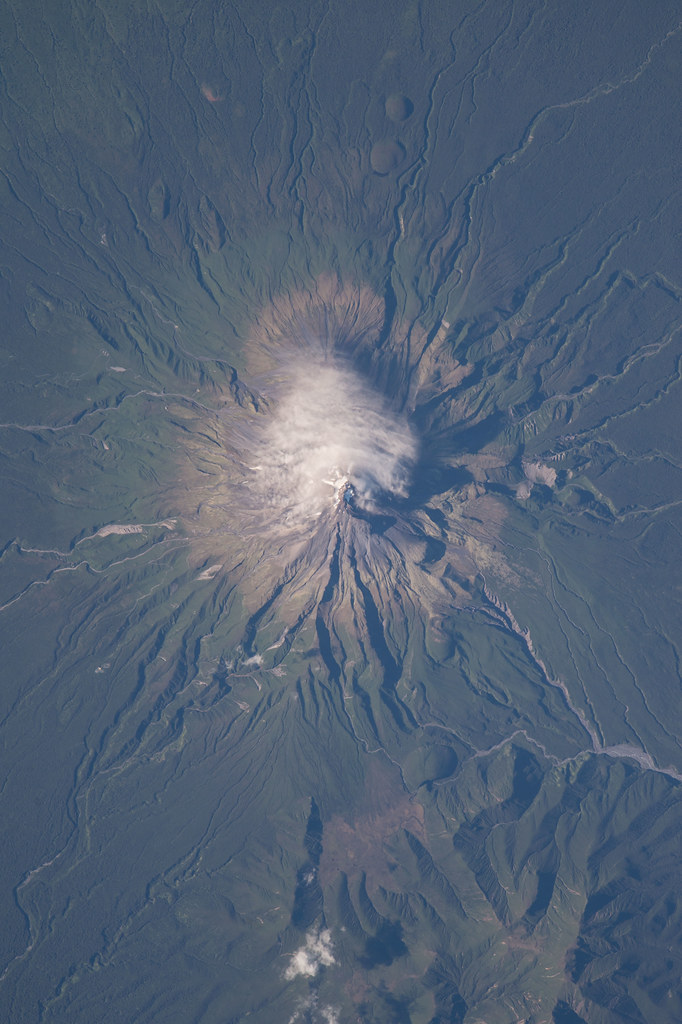
Mount Semeru is a classic stratovolcano formed by the subduction of the Indo-Australian Plate beneath the Eurasian Plate. Its towering cone is built from layers of andesitic lava flows and pyroclastic deposits accumulated over thousands of years. Located at the southern edge of the Tengger Volcanic Complex, Semeru’s summit crater frequently emits ash and volcanic gases. Since 1818, it has erupted over 60 times, producing lava flows and pyroclastic surges. The landscape features fumaroles, sulfur deposits, crater lakes, and maars, reflecting its dynamic and volatile geological history.
Terrain and Hiking Experience on Mount Semeru
The trek begins at Ranu Pani village, winding through dense pine forests and agricultural fields. As elevation increases, hikers reach alpine meadows and the picturesque Ranu Kumbolo lake, a popular camping spot. Beyond the lake, the terrain becomes more challenging with hardened lava rocks, loose volcanic ash, and steep scree slopes. The final ascent is exposed and steep, demanding careful footing and endurance. Weather conditions can change rapidly, with strong winds and temperature drops near the summit. The trail offers a mix of natural beauty and rugged volcanic terrain that tests hikers’ skills.
What Makes Mount Semeru Trek Unique
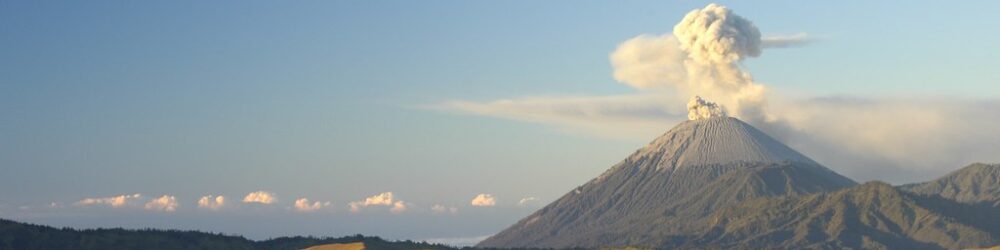
Mount Semeru’s distinction as Java’s highest volcano and its near-constant volcanic activity create a unique trekking experience. Hikers witness frequent small eruptions, with ash plumes rising close to the trail. The trek traverses diverse ecosystems, from lush forests to barren volcanic deserts, and features iconic landmarks like Ranu Kumbolo lake and the steep 'Slope of Love.' The opportunity to stand on an active crater rim, feeling fumarole heat and smelling sulfur, surrounded by panoramic views of the Tengger caldera, is a rare and unforgettable experience.
The Summit and Crater Experience
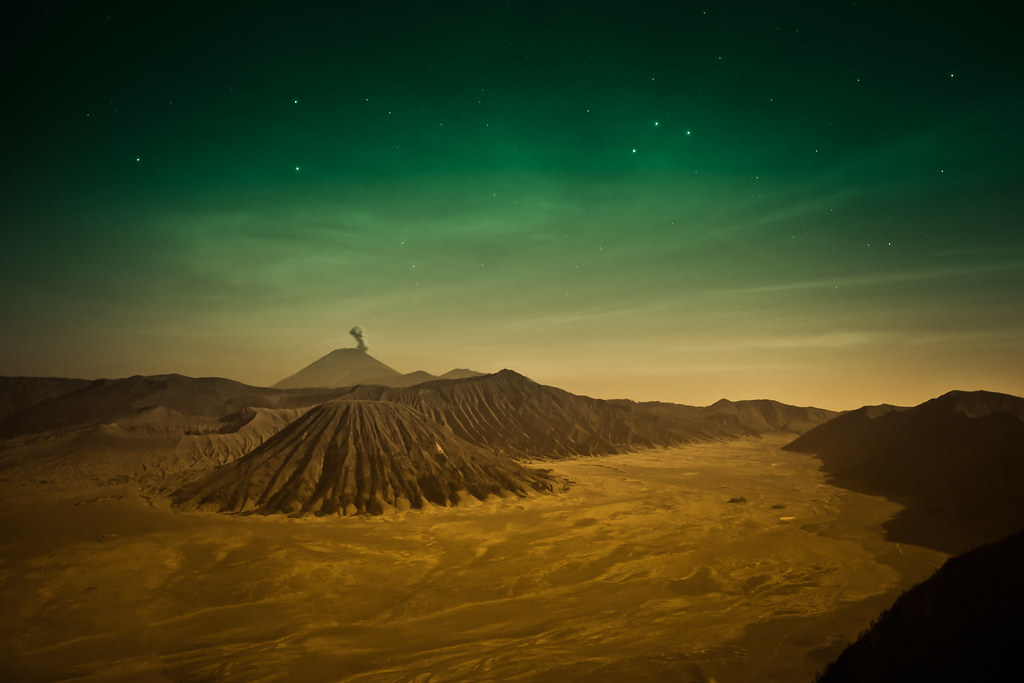
Reaching the summit of Mount Semeru is a powerful sensory experience. The sharp scent of sulfur fills the air as heat radiates from fumaroles near the crater rim. The constant rumble of volcanic gases and periodic ash emissions create a dynamic and intense atmosphere. At night, glowing embers may be visible within the crater. From this vantage point, hikers can see the vast Tengger caldera and neighboring peaks such as Mount Bromo. The summit’s raw volcanic energy and sweeping vistas offer a profound connection to the earth’s fiery core.
Best Time to Trek Mount Semeru
The best time to climb Mount Semeru is during the dry season, from May to November, when trails are more accessible and weather conditions are stable. The rainy season, from January to April, brings slippery paths and increased risks of volcanic hazards like lava dome collapses. Trekking may be restricted during periods of heightened volcanic activity or adverse weather. Early morning ascents are recommended to avoid afternoon winds that can carry toxic gases downhill, improving safety and visibility.
Trekking Routes and Trail Options
The official and only permitted route to Mount Semeru’s summit starts at Ranu Pani village, located at 2,117 meters elevation. The 22-kilometer trail passes through four checkpoints, including key stops at Ranu Kumbolo lake (2,389 meters) and Kalimati base camp (2,700 meters). The final 3-kilometer ascent is steep and challenging, requiring careful navigation. Guided treks are mandatory for safety and route management. An alternative descent route exists but is rarely used and requires an experienced guide due to difficult terrain and safety concerns.
Difficulty Assessment
Mount Semeru is classified as a demanding trek due to its steep elevation gain of approximately 1,559 meters, unstable volcanic scree, and exposure to volcanic gases. Hikers should possess good physical fitness and experience with rugged, high-altitude terrain. While technical climbing equipment is not required, preparedness for sudden weather changes, altitude effects, and challenging footing is essential. This trek is not suitable for beginners, individuals with respiratory issues, or those unaccustomed to strenuous mountain hiking.
Essential Volcano Trekking Gear
Key gear for trekking Mount Semeru includes sturdy hiking boots with excellent grip, trekking poles for stability on loose scree, and gaiters to protect against volcanic ash. A windproof and waterproof jacket is essential to withstand summit winds and rain. A reliable headlamp is necessary for early morning starts. Carrying a gas mask or respirator is recommended to filter volcanic gases. Ample water and hydration systems are critical. Sun protection, warm layers, and a sleeping bag are required for overnight camping and cold summit conditions.
Safety and Volcanic Hazards
Mount Semeru’s active status presents several hazards including toxic volcanic gases, sudden ash emissions, unstable crater edges, and falling rocks. The National Park enforces strict safety regulations: all hikers must register, provide health certificates, and be accompanied by certified guides. Monitoring agencies issue eruption alerts and trail closures to protect visitors. Avoid summit visits during periods of high volcanic activity. Always follow guide instructions and park regulations to minimize exposure to volcanic dangers.
Permits, Guides, and Logistics
Permits are mandatory for climbing Mount Semeru and require a health certificate issued within 24 hours before the trek. The Bromo Tengger Semeru National Park limits daily hikers to 300, necessitating advance online registration. All groups must hire certified local guides and porters for safety and support. Entrance fees and permits are collected at Ranu Pani village. Transportation options include jeep rides from Malang or Lumajang to the trailhead. Due to quota limits, early planning and booking are essential.
Where to Stay Near Mount Semeru
Accommodation near Mount Semeru includes basic homestays and guesthouses in Ranu Pani village, the official starting point for the trek. Camping is popular at Ranu Kumbolo lake and Kalimati base camp along the trail, offering scenic and convenient overnight options. Nearby towns such as Malang and Lumajang provide hotels and guesthouses with more amenities. It is advisable to book accommodations in advance, especially during the peak trekking season, to ensure availability.