
Mount Suswa Volcano Trekking Guide: Exploring Kenya’s Unique Double Crater and Lava Tubes
Discover the thrilling trek of Mount Suswa, a dormant shield volcano in Kenya’s Great Rift Valley. This guide covers its unique double crater, extensive lava tubes, baboon parliament caves, trekking routes, geology, safety tips, and best seasons for an unforgettable volcanic adventure.
Quick Volcano Snapshot
| Volcano type | Shield volcano |
|---|---|
| Elevation | 2,356 meters |
| Location | Great Rift Valley, Kenya |
| Activity status | Dormant |
| Trekking difficulty | Moderate |
| Typical trek duration | 4 to 7 hours depending on route |
| Altitude gain | Approximately 600 meters |
| Terrain type | Rocky lava fields, grassy slopes, volcanic caves |
| Best season | Dry seasons: January–March and July–October |
| Temperature range | 10°C to 25°C |
| Permit requirement | Yes, community-managed entry fees and guide recommended |
The Experience of Hiking Mount Suswa
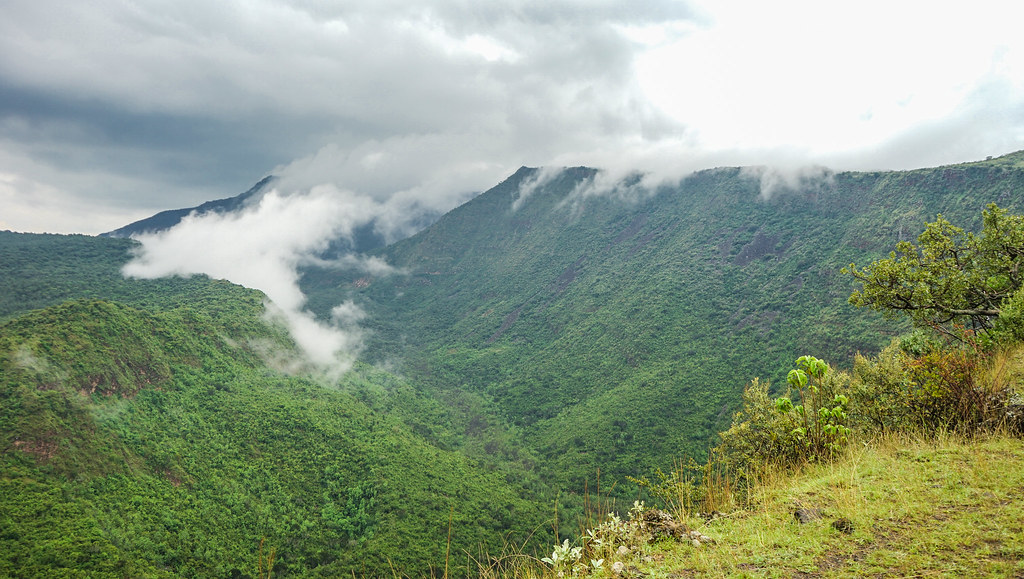
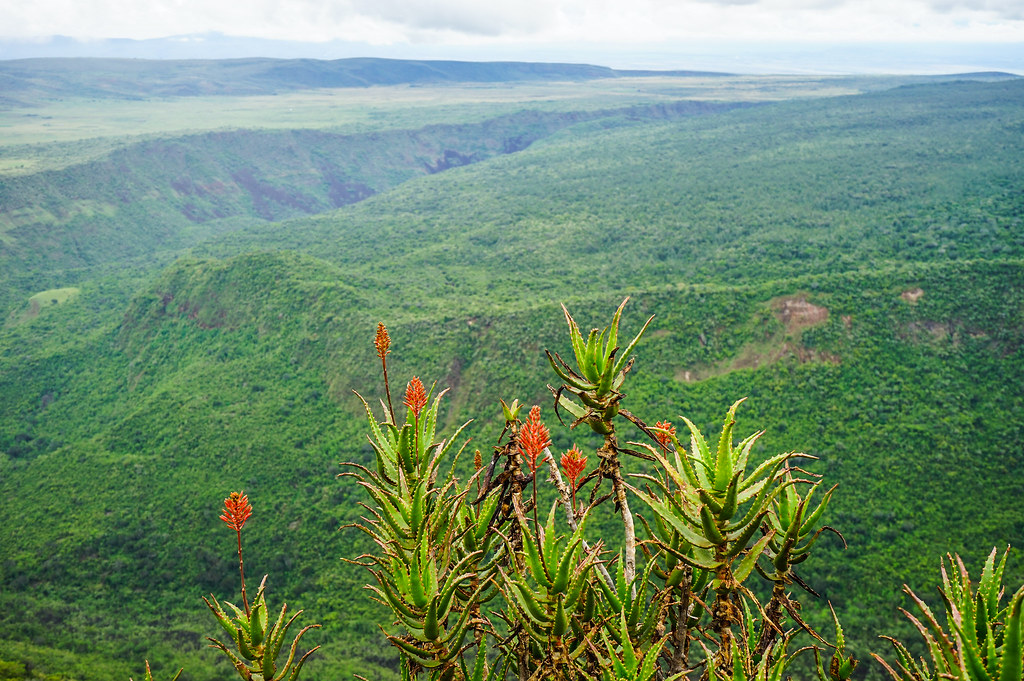
Approaching Mount Suswa, the vastness of the Great Rift Valley unfolds beneath you, framed by the volcano’s rugged silhouette. The landscape is a dramatic contrast of barren lava fields and pockets of green forest within the double crater. Hiking here feels like stepping into a geological time capsule, where ancient molten rivers carved tunnels beneath your feet. The air carries a faint earthy scent, and the silence is punctuated only by the calls of baboons and birds. Reaching the crater rim, the panorama of rolling hills and distant peaks rewards your effort with a profound sense of connection to Earth’s fiery past.
Mount Suswa: Geological Background
Mount Suswa is a classic shield volcano formed by successive low-viscosity lava flows that built its broad, gently sloping profile. Its most striking feature is the rare double crater system: an outer caldera and an inner crater separated by a volcanic plug. The volcano’s lava tubes formed as surface lava cooled and hardened while molten rock drained beneath, leaving behind extensive underground tunnels. These caves host fumaroles and sulfur deposits, evidence of residual geothermal activity despite Suswa’s dormant status. The terrain showcases solidified lava ripples and fragile lava stalactites, offering a unique glimpse into volcanic processes.
Terrain and Hiking Experience on Mount Suswa
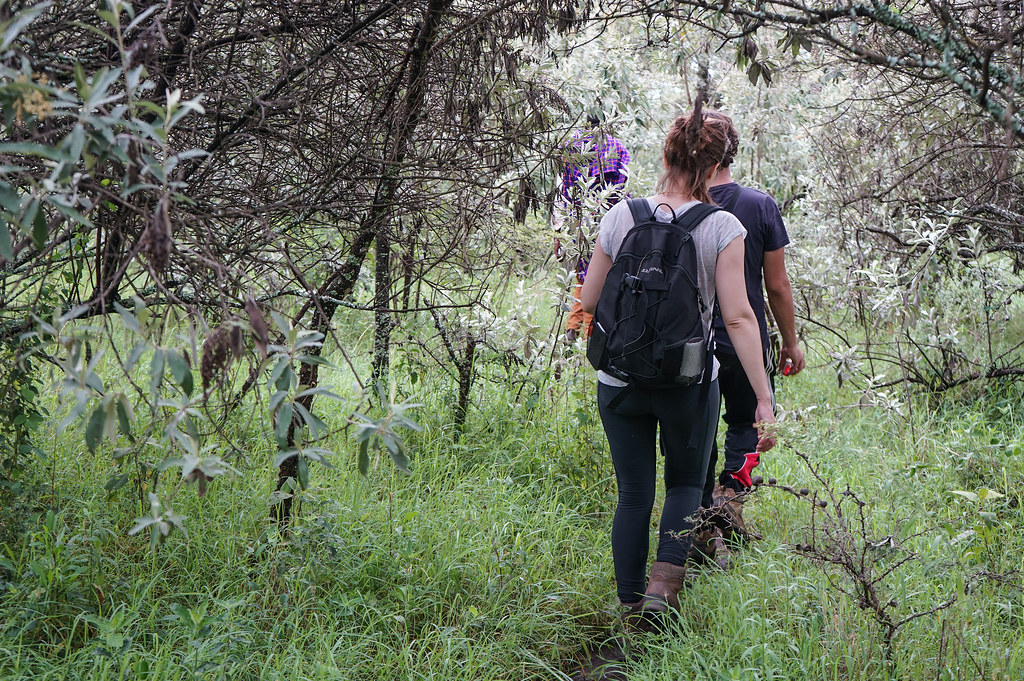
The trek combines varied terrain: rocky lava fields demand careful footing, while grassy slopes provide gentle relief. Trails wind through acacia woodlands and volcanic shrubland, with occasional steep sections near crater rims. The volcanic scree can be loose, requiring sturdy boots and trekking poles for stability. Altitude effects are mild but noticeable, with cooler temperatures near the summit. Wind can intensify on exposed ridges, and temperature shifts between shaded forest and open lava plains keep hikers alert. The terrain’s diversity shapes a rewarding moderate challenge for adventurous trekkers.
What Makes the Mount Suswa Trek Unique
Mount Suswa’s defining feature is its double crater with an extensive network of lava tubes, including the famous Baboon Parliament caves where olive baboons shelter at dusk. This blend of geological wonder and wildlife spectacle is unparalleled. The underground passages with skylights and lava formations create a surreal environment rarely found on volcano treks. Additionally, the cultural connection with the Maasai community and the opportunity to witness traditional land stewardship add depth to the adventure. The panoramic views of the Rift Valley and neighboring volcanoes complete this extraordinary experience.
Summit and Crater Experience
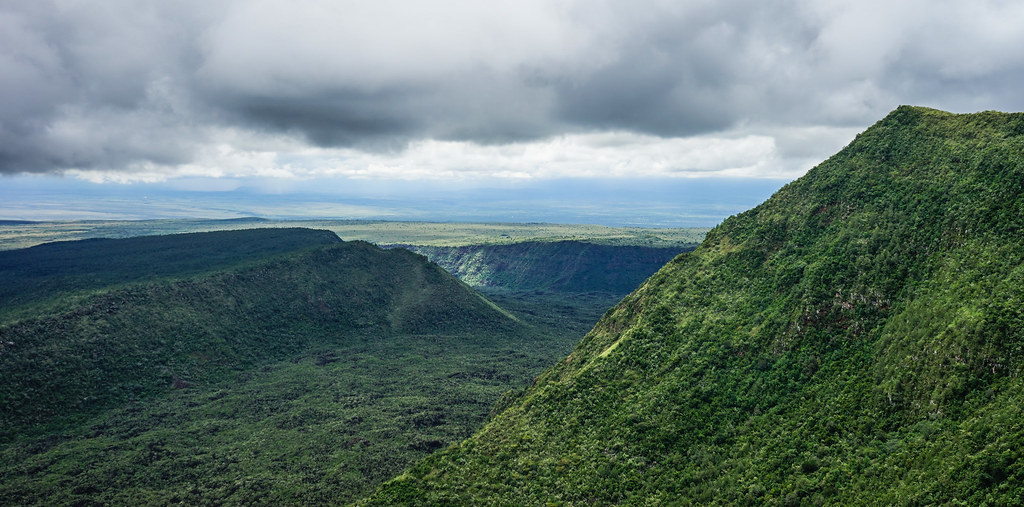
Reaching Mount Suswa’s summit reveals a breathtaking panorama of the Great Rift Valley’s undulating landscape. The double crater’s rims frame a dramatic scene of volcanic rock and verdant patches. At the crater edge, the faint warmth of fumaroles and the subtle sulfur scent remind you of the volcano’s latent power. The Baboon Parliament caves lie nearby, their entrances marked by shafts of sunlight piercing collapsed roofs. The soundscape includes distant baboon calls and the whisper of wind through volcanic formations, creating a sensory-rich moment that lingers long after descent.
Best Time to Trek Mount Suswa
The optimal trekking seasons are during Kenya’s dry periods: January to March and July to October. These months offer stable weather, clear skies, and reduced trail slipperiness. Avoid the rainy seasons (April to June and November to December) when trails become muddy and access roads challenging. Early morning starts are recommended to enjoy cooler temperatures and avoid midday heat. Volcanic activity is dormant, but always check local advisories before your trip. Seasonal winds can be strong near the summit, so prepare accordingly.
Trekking Routes and Trail Options
Mount Suswa offers several trekking routes tailored to different interests and timeframes. The Outer Crater Rim Trail is a 10 km loop taking 3 to 5 hours, providing panoramic views and geothermal features. The Inner Crater Descent & Forest Trail is a 6 to 8 km out-and-back route lasting 2 to 4 hours, leading into a cooler, forested crater ecosystem. For cave enthusiasts, the Lava Cave Trail is a 1 to 2 km loop with exploration of the Baboon Parliament caves, taking about 1 to 1.5 hours. Guided tours are highly recommended for navigation and safety, with options for day trips or overnight camping.
Difficulty Assessment
Mount Suswa is classified as a moderate volcano trek. The terrain includes rocky lava fields, loose scree, and some steep ascents requiring good balance and fitness. Altitude is moderate at 2,356 meters, with minimal risk of altitude sickness. No technical climbing skills are needed, but trekking poles and sturdy footwear are essential. The trails are unmarked in places, so local guides are advised. Overall, the trek suits hikers with moderate experience seeking a mix of geological exploration and wildlife encounters.
Essential Volcano Trekking Gear
Key gear includes sturdy hiking boots with good grip for rocky and loose terrain, trekking poles for stability, and gaiters to protect against volcanic ash and debris. A windproof jacket is important for summit winds, and layered clothing helps manage temperature shifts. Carry at least 3 liters of water and high-energy snacks. A headlamp is useful for cave exploration and early starts. Sun protection—hat, sunglasses, and sunscreen—is critical due to limited shade. A gas mask or respirator is generally not required but consider one if sensitive to dust. A camera with extra batteries is recommended to capture dramatic landscapes.
Safety and Volcanic Hazards
Though dormant, Mount Suswa’s volcanic terrain presents hazards such as unstable crater edges, loose scree, and falling rocks. Lava tubes can be dark and uneven; always explore with a guide and proper lighting. Volcanic gases are minimal but avoid enclosed fumarole areas. Sudden weather changes and strong winds near the summit require preparedness. There are no recent eruptions, but stay informed through local monitoring agencies and respect community safety guidelines. Carry a first aid kit and inform someone of your itinerary before trekking.
Permits, Guides, and Logistics
Mount Suswa is community-managed, requiring payment of entry fees directly to local Maasai representatives. Permits cost approximately KES 500 for Kenyan citizens and $30 USD for non-residents. Hiring a local guide is highly recommended for safety, navigation, and cultural insight, with fees negotiable around KES 2,000 to 4,000 per group. There are no formal gates or online payments; bring cash. Seasonal closures are rare but check ahead. Transport to the trailhead is best arranged via 4×4 vehicles due to rough roads. Planning ahead ensures a smooth and respectful visit.
Where to Stay Near Mount Suswa
Accommodation options near Mount Suswa include community-run campsites within the conservancy, offering authentic camping under the stars close to crater rims and caves. Nearby Suswa Town and Narok provide guesthouses and lodges with basic amenities. For those seeking comfort, Nairobi is approximately 70 to 120 km away, with numerous hotels and hostels. Staying near the trailhead allows early starts and easy access. Camping gear must be brought as rentals are not available on-site. Engaging with Maasai homestays offers cultural immersion and supports local livelihoods.