
Trekking Mount Satima: A Complete Guide to Kenya’s Aberdare Range Highest Peak
Mount Satima, the highest peak in Kenya's Aberdare Range, offers a unique volcano trekking experience through moorlands, bamboo forests, and dramatic rock formations known as the Dragon's Teeth. This guide covers geological insights, trekking routes, terrain challenges, safety tips, and practical logistics for adventurers seeking a moderate but rewarding ascent in a biodiverse national park.
Quick Volcano Snapshot
| Volcano type | Stratovolcano |
|---|---|
| Elevation | 3,999 meters (13,120 feet) |
| Location | Aberdare Range, Kenya |
| Activity status | Dormant |
| Trekking difficulty | Moderate |
| Typical trek duration | 6–8 hours round trip |
| Altitude gain | Approx. 1,000 meters |
| Terrain type | Moorland ridges, bamboo forest, rocky outcrops |
| Best season | June to October (dry season) |
| Temperature range | 5°C to 20°C (41°F to 68°F) |
| Permit requirement | Kenya Wildlife Service park permit required |
The Experience of Hiking Mount Satima
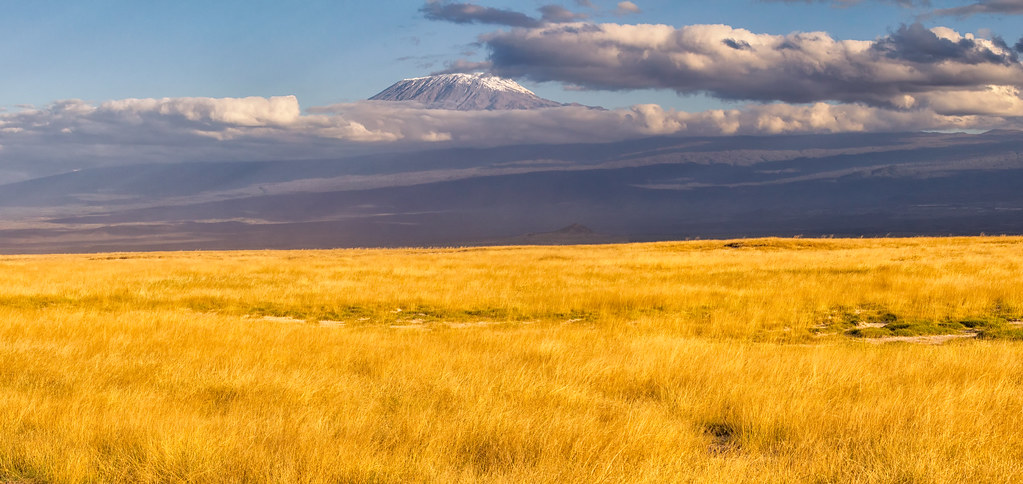
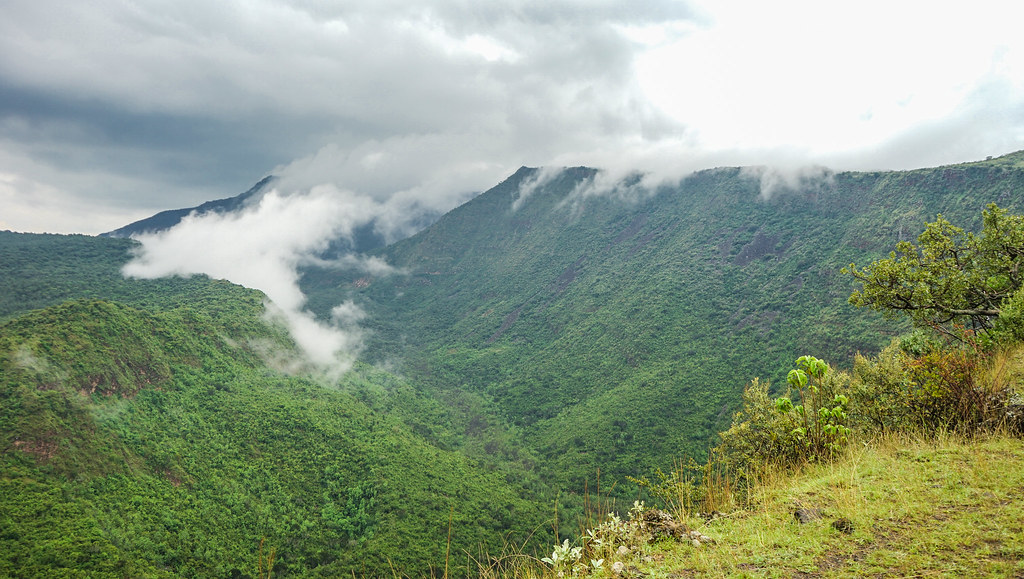
Approaching Mount Satima, the highest peak of the Aberdare Range, immerses you in a landscape of stark contrasts. The trek begins in lush bamboo forests that give way to open moorlands crowned by jagged volcanic rock formations known as the Dragon's Teeth. The air is crisp and often misty, lending a mystical quality to the ascent. As you climb, the vastness of the Kenyan highlands unfolds beneath you, punctuated by distant views of Mount Kenya’s snow-capped peaks. Reaching the summit brings a profound sense of standing atop ancient volcanic forces, surrounded by sweeping panoramas and the quiet power of a dormant giant.
Mount Satima: Geological Background
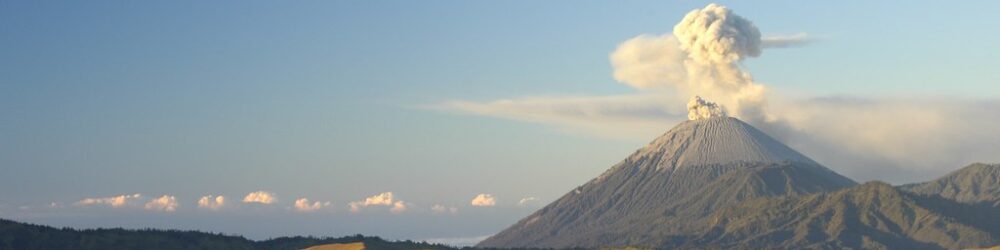
Mount Satima is a stratovolcano formed by layers of hardened lava and volcanic ash. It is part of the Aberdare volcanic complex, shaped by tectonic activity along the East African Rift. Though currently dormant, its rugged summit features sharp volcanic spires called the Dragon's Teeth, created by erosion of hardened lava flows. The mountain’s geology includes rich volcanic minerals and ancient lava fields that tell a story of fiery eruptions millions of years ago. Steam vents and fumaroles are absent today, but the volcanic origins remain visible in the rock formations and soil composition.
Terrain and Hiking Experience on Mount Satima
The trek to Mount Satima’s summit traverses diverse terrain. Starting in dense bamboo forests, the path climbs steadily through moist montane vegetation. Above the forest line, hikers enter moorland ridges dotted with tussock grasses and giant lobelias. The final approach involves scrambling over rocky outcrops and navigating loose volcanic scree near the Dragon's Teeth formations. The altitude and occasional strong winds add to the challenge, but the trail remains well-defined. Temperature shifts from cool forest shade to exposed, windy summit conditions require layered clothing and steady pacing.
What Makes the Mount Satima Trek Unique
Mount Satima stands out for its dramatic Dragon's Teeth rock formations—jagged volcanic spires that create a surreal skyline. Unlike many volcano treks, Satima combines volcanic geology with rich biodiversity inside Aberdare National Park. Trekkers encounter rare wildlife such as bongo antelope and giant forest hogs, alongside endemic alpine flora. The mountain’s position offers sweeping views of the Great Rift Valley and Mount Kenya’s glaciers on clear days. This blend of geological spectacle, wildlife, and highland ecosystems makes the trek a rare adventure in East Africa.
The Summit and Crater Experience
Reaching Mount Satima’s summit reveals a rugged volcanic ridge crowned by the Dragon's Teeth. The air is thin and cool, with gusts sweeping across the exposed rocky outcrops. From here, panoramic views stretch across the Aberdare Range, the Great Rift Valley, and distant Mount Kenya. The summit lacks an active crater but the volcanic rock formations evoke the mountain’s fiery past. The silence is profound, broken only by wind and distant bird calls. The sense of standing on a dormant volcano’s peak, surrounded by wild moorlands, is both humbling and exhilarating.
Best Time to Trek Mount Satima
The ideal trekking season for Mount Satima is during Kenya’s dry months from June to October. These months offer clearer skies, reduced rainfall, and more stable trail conditions. Early mornings provide crisp air and spectacular sunrises over the highlands. Avoid the long rains from March to May and the short rains in November, when trails become slippery and visibility drops. Weather can change rapidly at altitude, so trekkers should prepare for cold winds and occasional mist even in dry seasons.
Trekking Routes and Trail Options
Mount Satima can be ascended via two main routes: the Wandare Trail and the Shamata Trail. The Wandare Trail is less frequented, offering a gentler ascent through bamboo forests and moorlands, typically taking 6–8 hours round trip. The Shamata Trail is more direct and slightly steeper, passing near the iconic Dragon's Teeth rock formations. Both trails start at designated park gates requiring permits and are best done with local guides familiar with the terrain and wildlife. Self-guided trekking is possible but not recommended due to park regulations and safety.
Difficulty Assessment of the Mount Satima Trek
Mount Satima is classified as a moderate volcano trek. The terrain includes steady elevation gain of about 1,000 meters, rocky sections, and occasional loose scree. Altitude near 4,000 meters requires acclimatization to avoid sickness. No technical climbing skills or equipment are needed, but good fitness and hiking experience are essential. Weather conditions and wind exposure near the summit add to the challenge. Overall, the trek suits hikers comfortable with mountain environments and moderate endurance.
Essential Volcano Trekking Gear for Mount Satima
Key gear includes sturdy hiking boots with good grip for rocky and loose terrain, trekking poles to aid balance, and gaiters to protect against volcanic ash and mud. Layered clothing is vital to adapt to temperature shifts—base layers, insulating mid-layers, and a windproof waterproof jacket. A hat and gloves protect against cold winds near the summit. Carry a headlamp for early starts or late finishes. Sun protection such as sunglasses and sunscreen is important due to high altitude exposure. Water bottles or hydration systems ensure adequate fluid intake. A basic first aid kit and a map or GPS device are recommended.
Safety and Volcanic Hazards on Mount Satima
Though dormant, Mount Satima’s volcanic terrain presents hazards such as unstable rocky sections and loose scree that can cause slips or falls. Weather changes can be sudden, bringing cold winds and fog that reduce visibility. There are no active fumaroles or gas emissions, but hikers should remain cautious near cliff edges and steep drop-offs. Kenya Wildlife Service monitors park safety and enforces regulations. Hiring a local guide is strongly advised to navigate trails safely and respond to emergencies. Always check weather forecasts and park alerts before trekking.
Permits, Guides, and Logistics for Mount Satima Trekking
A Kenya Wildlife Service (KWS) permit is required to enter Aberdare National Park and trek Mount Satima. Permits can be purchased at park gates or online through KWS. Hiring a local guide is mandatory for safety and navigation, and supports community livelihoods. Guides provide valuable knowledge of the terrain, wildlife, and cultural history. Access to trailheads is by road from Nairobi or nearby towns, with transport options including private vehicles or arranged transfers. Park regulations prohibit camping outside designated areas; day treks are most common.
Where to Stay Near Mount Satima
Accommodation options near Mount Satima include lodges and campsites within Aberdare National Park and guesthouses in nearby towns such as Nyeri and Nanyuki. The park offers rustic campsites for those seeking immersion in nature, while lodges provide comfortable amenities and easy access to trailheads like Wandare and Shamata Gates. Booking in advance is recommended during peak trekking seasons. Staying near the park entrance allows early starts and maximizes daylight for the ascent and descent.