
Mount Nyiragongo Volcano Trekking Guide: Africa’s Fiery Giant with the World’s Largest Lava Lake
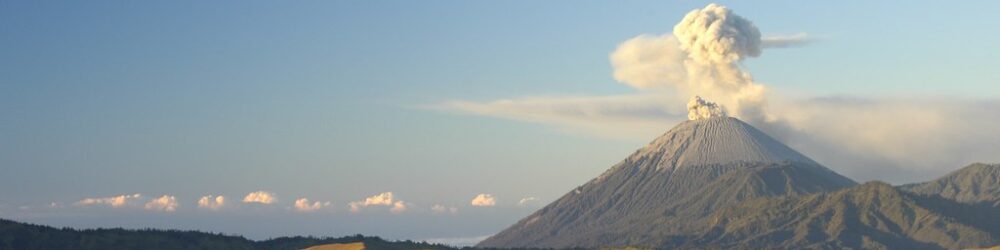
Mount Nyiragongo, an active stratovolcano in the Democratic Republic of Congo’s Virunga Mountains, offers one of the most demanding and spectacular volcano treks in Africa. Renowned for its vast, glowing lava lake, this trek combines intense volcanic terrain, rich geological history, and breathtaking summit experiences. This guide covers everything from geology and trekking routes to safety, permits, and logistics for adventurers seeking to witness Earth’s raw power.
Quick Volcano Snapshot
| Volcano type | Stratovolcano |
|---|---|
| Elevation | 3,470 meters |
| Location | Virunga Mountains, Democratic Republic of the Congo |
| Activity status | Active |
| Trekking difficulty | Demanding |
| Typical trek duration | 1-2 days |
| Altitude gain | Approx. 1,200 meters |
| Terrain type | Volcanic ash slopes, lava rock, forest trails |
| Best season | June to August and December to February (dry seasons) |
| Temperature range | 5°C to 20°C (summit can be cold and windy) |
| Permit requirement | Required (issued by Virunga National Park) |
The Experience of Hiking Mount Nyiragongo
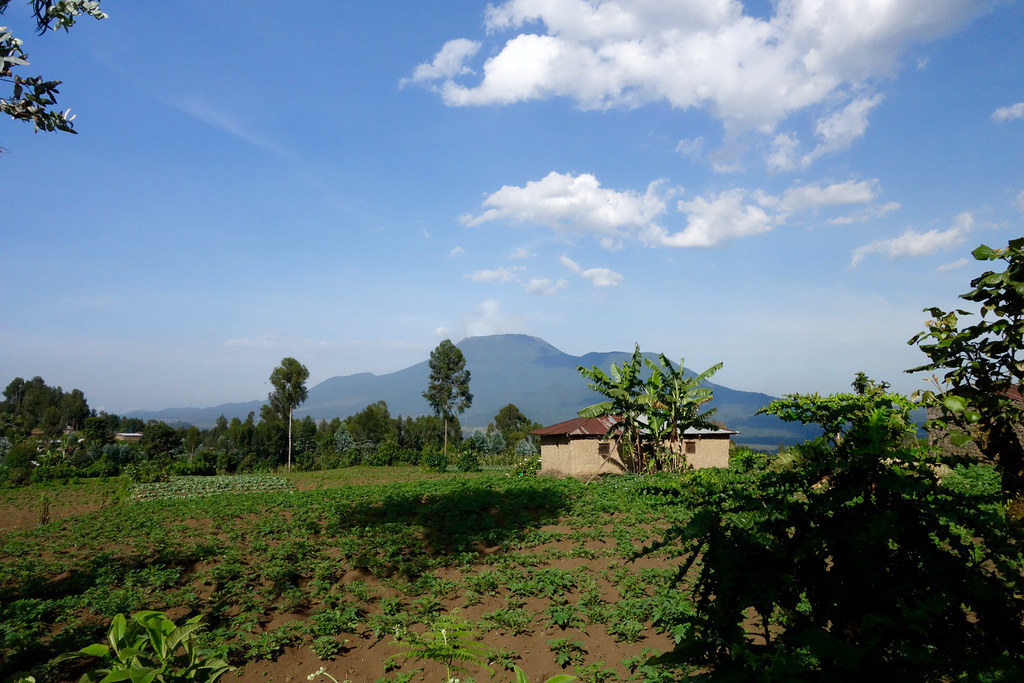
Approaching Mount Nyiragongo, the landscape shifts dramatically from lush forest to stark volcanic terrain. The air carries a faint sulfur scent, hinting at the geological forces beneath your feet. As you ascend, the trail reveals jagged lava flows and ash-covered slopes, a raw testament to the volcano’s fiery temperament. Reaching the crater rim, the glowing lava lake pulses with molten energy, illuminating the night with a surreal, otherworldly light. The emotional impact of standing on the edge of this active giant is profound, blending awe, respect, and exhilaration.
Mount Nyiragongo: Geological Background
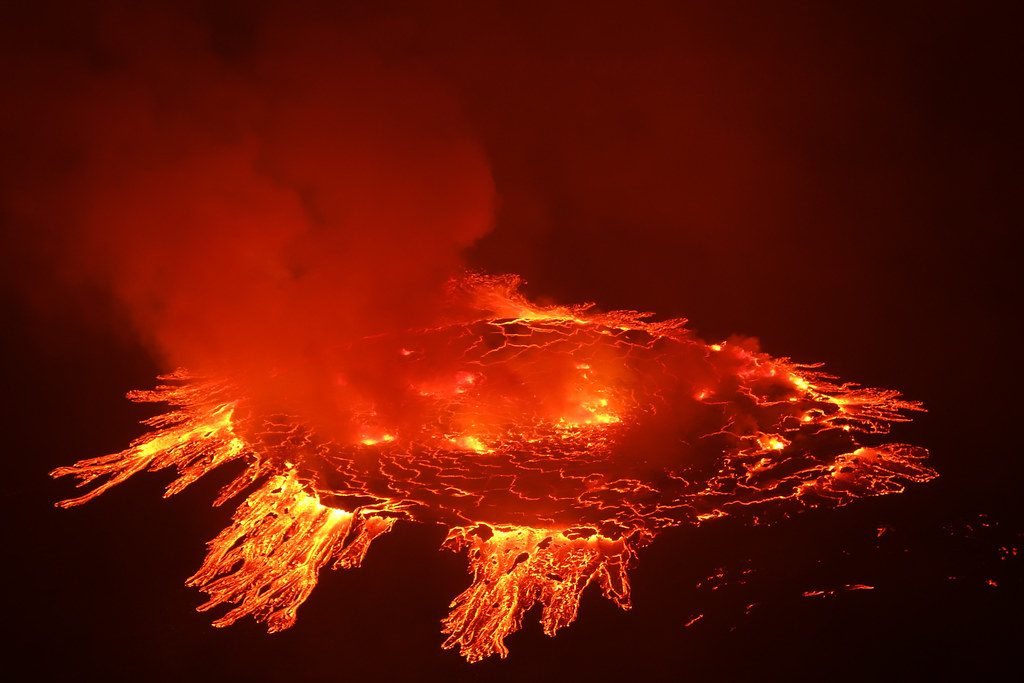
Mount Nyiragongo is a steep stratovolcano formed along the Albertine Rift, part of the East African Rift system. Its summit crater, about 1.2 kilometers wide, hosts one of the world’s largest and most active lava lakes. The volcano’s lava is unusually fluid, composed mainly of melilite nephelinite, allowing it to flow rapidly during eruptions. Nyiragongo has erupted over 30 times since 1882, with notable events in 1977 and 2002 causing devastating lava flows that reached nearby communities. The crater features terraces marking former lava lake levels, fumaroles emitting sulfurous gases, and unique volcanic minerals scattered across the slopes.
Terrain and Hiking Experience on Mount Nyiragongo
The trek begins through dense montane forest, where wildlife like monkeys may be spotted. As you climb higher, the trail transitions to loose volcanic ash, steep slopes, and rugged lava rock fields. The final ascent involves a challenging 300-meter climb on steep, unstable scree. Wind intensifies near the summit, and temperatures drop sharply, requiring careful pacing and preparation. The terrain demands good balance and sturdy footwear, with occasional scrambling over jagged lava formations. Altitude effects are moderate but noticeable, adding to the physical challenge.
What Makes the Mount Nyiragongo Trek Unique
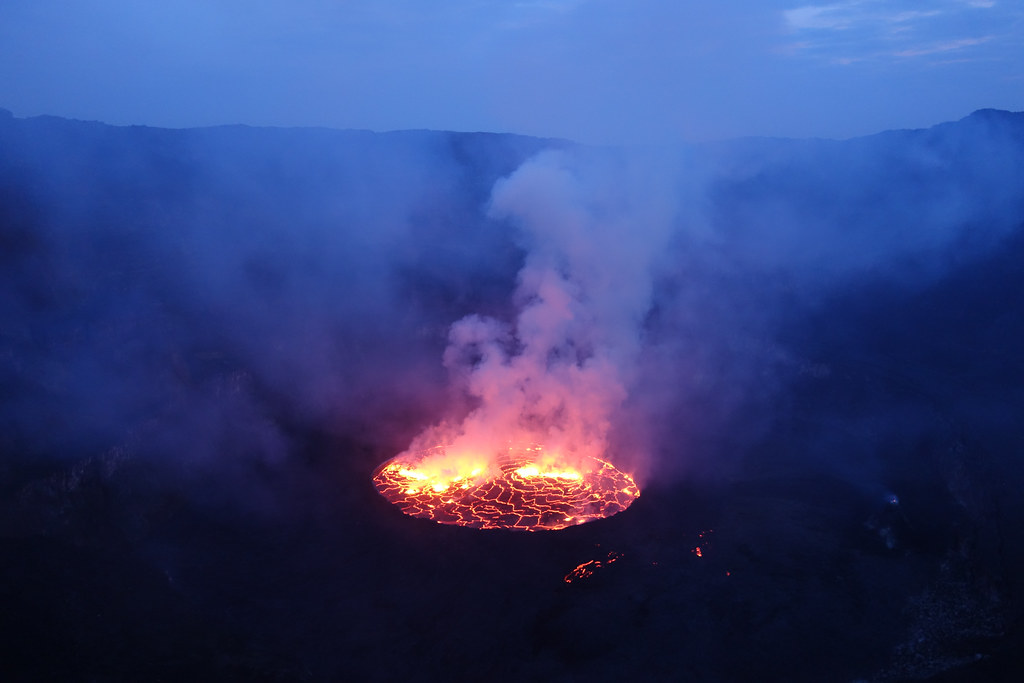
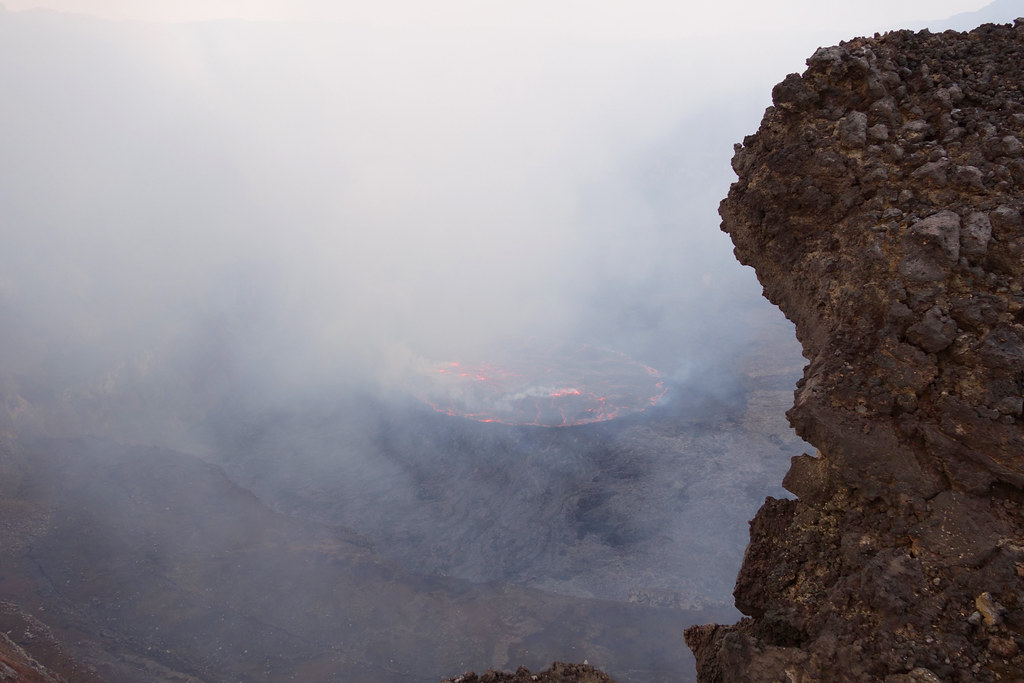
Mount Nyiragongo’s defining feature is its massive, glowing lava lake—the largest permanent lava lake on Earth. Few volcanoes offer such close, safe access to molten lava visible both day and night. The speed and fluidity of its lava flows are exceptional, creating dramatic eruptions and fast-moving lava rivers. The trek’s location within Virunga National Park adds rich biodiversity and the chance to combine volcanic adventure with wildlife experiences. The overnight stay near the crater rim under a starry African sky, with the lake’s fiery glow below, is an unforgettable highlight.
Summit and Crater Experience
Reaching the summit, hikers are greeted by a vast crater rim overlooking the bubbling lava lake. The air is thick with sulfurous aromas and the low rumble of escaping volcanic gases. The molten lake’s surface churns and spits incandescent lava fountains, casting an eerie red-orange light that flickers against the night sky. The heat radiating from fumaroles contrasts with the cold mountain air. Panoramic views stretch over the Virunga Mountains and Lake Kivu, offering a dramatic, sensory-rich encounter with Earth’s inner fire.
Best Time to Trek Mount Nyiragongo
The optimal trekking seasons are the dry months from June to August and December to February, when trails are firm and visibility is clear. Rainy seasons bring slippery conditions and increased risk of landslides. Volcanic activity is continuously monitored, and treks only proceed with official clearance. Sunrise climbs are popular for spectacular crater illumination, but night temperatures can be very cold. Avoid the rainy season to minimize hazards and maximize the chance of clear summit views.
Trekking Routes and Trail Options
The primary route starts at Kibati Patrol Post, about 30–40 minutes from Goma. The ascent covers roughly 8 kilometers with an altitude gain of around 1,200 meters. Most trekkers complete the climb in 5–6 hours, with an overnight stay at basic crater rim huts. Guided group treks with armed ranger escorts are mandatory for safety. There are no alternative official routes due to park regulations and security concerns. The descent typically takes 3 hours, returning to Kibati and onward to Goma or Rwanda.
Difficulty Assessment
Mount Nyiragongo is classified as a demanding volcano trek. The steep, loose volcanic ash and scree slopes require good physical fitness, balance, and endurance. Altitude is moderate but can affect those sensitive to oxygen reduction. No technical climbing skills are needed, but the terrain is challenging and can be slippery. Fitness for sustained uphill hiking and the ability to cope with cold, windy summit conditions are essential. This trek suits experienced hikers comfortable with strenuous mountain ascents.
Essential Volcano Trekking Gear
Key gear includes sturdy hiking boots with excellent grip, trekking poles for stability on loose ash, and gaiters to keep volcanic ash out of boots. A windproof and warm jacket is vital for summit conditions. Headlamps are necessary for night climbs and crater rim stays. Carry sun protection—hat, sunglasses, and sunscreen—as the trail offers little shade. A gas mask or respirator is recommended to protect against sulfur fumes near fumaroles. Hydration systems and layered clothing complete the essential kit.
Safety and Volcanic Hazards
Mount Nyiragongo’s active status poses risks including toxic volcanic gases, unstable crater edges, falling rocks, and sudden weather changes. The Virunga National Park and Goma Volcanic Observatory monitor activity continuously. Treks require armed ranger escorts and group-only ascents to ensure security. Visitors must heed official warnings and avoid restricted areas. Awareness of carbon dioxide pockets (mazuku) near the base is critical. Emergency protocols and evacuation plans are in place, but hikers must remain vigilant and follow guide instructions at all times.
Permits, Guides, and Logistics
A permit issued by Virunga National Park is mandatory and must be obtained before the trek. Guided group treks with armed rangers are compulsory for safety and park regulations. Permits and park fees are arranged through official channels or reputable tour operators. The nearest international airport is Kigali, Rwanda, with onward road transfer to Goma and the trailhead. Visa for the DRC is required in advance. Local operators provide transport, guides, porters, and accommodation arrangements. Pre-trek briefings cover safety and environmental guidelines.
Where to Stay Near Mount Nyiragongo
Accommodation options range from basic mountain huts near the crater rim to lodges and tented camps around Goma and Kibumba. Popular choices include Mikeno Lodge, Bukima Tented Camp, and Kibumba Tented Camp, offering varying comfort levels. Many trekkers stay in Goma or Gisenyi (Rwanda) before and after the climb. Summit huts provide simple shelter for overnight stays but are cold and sparse. Booking through established tour operators ensures access to secure and comfortable lodging close to the trailhead.