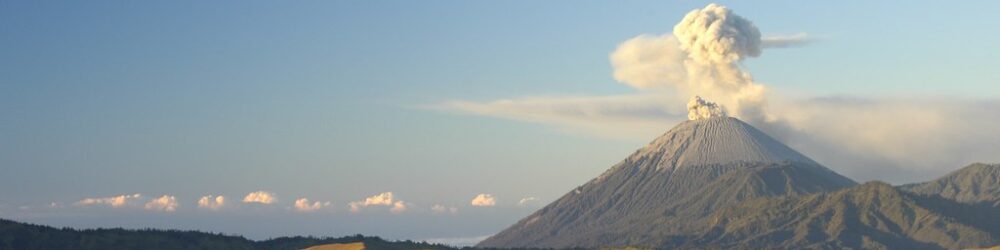

Trekking Mount Lantoto: A Complete Guide to Uganda’s Dormant Stratovolcano with Crater Lake
Mount Lantoto in Eastern Uganda offers a unique volcano trekking experience with its dormant stratovolcano structure, forested slopes, and a serene crater lake. This guide covers geological insights, trekking routes, terrain challenges, safety tips, and logistics for adventurers seeking a moderate yet rewarding ascent in Africa’s volcanic landscapes.
Quick Volcano Snapshot
| Volcano type | Stratovolcano |
|---|---|
| Elevation | 3,200 meters |
| Location | Eastern Uganda, Africa |
| Activity status | Dormant |
| Trekking difficulty | Moderate |
| Typical trek duration | 1 to 2 days |
| Altitude gain | Approximately 1,000 meters |
| Terrain type | Forested slopes, volcanic rock, crater lake basin |
| Best season | Dry season (June to September, December to February) |
| Temperature range | 5°C to 20°C |
| Permit requirement | Required from Uganda Wildlife Authority |
Introduction: The Experience of Hiking Mount Lantoto
Approaching Mount Lantoto, trekkers are met with a striking contrast: dense, verdant forests cloak the lower slopes, giving way to rugged volcanic rock and the shimmering blue of the crater lake at the summit. The air carries a crispness that hints at the mountain’s elevation and geological history. As you ascend, the silence of the forest is punctuated by the occasional call of birds and the rustle of leaves, underscoring the volcano’s dormant power. Reaching the crater rim, the vast basin of the lake unfolds beneath you, a serene reminder of the earth’s fiery past. This trek offers a profound connection to Uganda’s volcanic heartland, blending adventure with moments of quiet reflection.
The Volcano Itself: Geological Background
Mount Lantoto is a classic stratovolcano formed through successive layers of lava flows and volcanic ash. Its origins trace back hundreds of thousands of years, shaped by tectonic activity along the East African Rift. Though currently dormant, its crater lake marks a collapsed summit where past eruptions created a natural basin. The volcano’s slopes are rich in volcanic minerals, and fumaroles occasionally release faint steam, hinting at residual subterranean heat. The surrounding forest thrives on fertile volcanic soils, while sulfur deposits near fumarole vents add to the unique geology. This volcano exemplifies the dynamic processes that have sculpted Eastern Africa’s dramatic landscapes.
The Volcano Trek: Terrain and Hiking Experience
The trek up Mount Lantoto traverses varied terrain, starting with dense forest trails that gradually open onto volcanic rock and ash slopes. Hikers encounter loose pumice and fragmented lava fields requiring careful footing. The ascent includes moderate scrambling over rocky outcrops and ridge walking with occasional exposure to winds near the summit. Altitude effects become noticeable above 2,500 meters, with cooler temperatures and thinner air. The trail’s mix of soft soil and hard volcanic rock demands steady pace and good traction. Overall, the terrain offers a rewarding challenge that balances physical effort with spectacular natural surroundings.
What Makes This Volcano Trek Unique
Mount Lantoto stands out for its rare combination of a dormant stratovolcano featuring a pristine crater lake surrounded by lush forested slopes. Unlike many African volcanoes dominated by barren lava fields, Lantoto’s greenery offers a refreshing trekking environment. The crater lake itself is a tranquil centerpiece, reflecting the sky and volcanic rim. This trek provides a quieter, less crowded alternative to more famous East African volcanoes, appealing to adventurers seeking solitude and intimate encounters with volcanic landscapes. The blend of geological features and biodiversity makes it a distinctive destination in Uganda’s volcanic corridor.
The Summit and Crater Experience
Reaching Mount Lantoto’s summit reveals a breathtaking panorama: the crater lake’s deep blue waters nestled within steep volcanic walls, framed by the surrounding forested ridges. The air here is cool and carries a faint mineral scent from the volcanic soil. Gentle steam vents may be felt near the crater edge, accompanied by the subtle hiss of escaping gases. The silence is profound, broken only by the wind sweeping across the rim. From this vantage point, views extend over Eastern Uganda’s rolling hills and distant peaks. The crater’s serene beauty contrasts with the raw geological forces that formed it, creating a powerful sensory experience.
Best Time to Trek Mount Lantoto
The optimal trekking seasons for Mount Lantoto are during Uganda’s dry periods: June to September and December to February. These months offer stable weather, clearer skies, and safer trail conditions. The wet seasons bring heavy rains that can make forest paths slippery and increase the risk of landslides. Volcanic gas emissions are minimal due to the volcano’s dormant status, but weather can change rapidly at higher elevations, so trekkers should be prepared for cold winds and sudden temperature drops. Sunrise climbs are rewarding for spectacular light on the crater lake, but require headlamps and warm clothing.
Trekking Routes and Trail Options
Mount Lantoto offers a primary ascent route starting from the village at the volcano’s base, winding through forest trails before reaching the volcanic slopes and crater rim. The main trail covers approximately 10 kilometers with an elevation gain of about 1,000 meters. Treks can be completed in a long day or split into two days with an overnight camp near the forest edge. Guided treks are recommended for navigation and safety, though experienced hikers may opt for self-guided excursions with proper preparation. Alternative routes explore the forested lower slopes, offering biodiversity viewing opportunities but adding distance and time.
Difficulty Assessment
Mount Lantoto is classified as a moderate volcano trek. The terrain requires good fitness due to steady elevation gain and variable footing on volcanic rock and loose ash. No technical climbing skills are necessary, but hikers should be comfortable with scrambling and navigating uneven surfaces. Altitude effects are moderate but can affect those unaccustomed to elevations above 2,500 meters. The trek suits adventurous travelers with prior hiking experience and basic mountain preparedness. It is more demanding than beginner volcano hikes but less technical than high-altitude or glaciated volcano ascents.
Essential Volcano Trekking Gear
Key gear for Mount Lantoto includes sturdy hiking boots with strong grip for volcanic rock and loose ash, trekking poles to aid balance on uneven terrain, and gaiters to protect against volcanic debris. A windproof and waterproof jacket is essential for summit winds and sudden weather changes. Sun protection—hat, sunglasses, and sunscreen—is critical due to limited shade above the forest line. A headlamp is recommended for early starts or sunrise climbs. Carry sufficient water and snacks, and consider a lightweight respirator if sensitive to dust. A first aid kit and layered clothing complete the essential kit.
Safety and Volcanic Hazards
Though Mount Lantoto is dormant, trekkers should remain cautious of unstable crater edges and loose volcanic scree that can cause slips or falls. Falling rocks are possible on steep slopes, especially after rains. Volcanic gases are minimal but hikers with respiratory issues should monitor their condition. Weather can shift rapidly, bringing cold winds and rain. It is vital to trek with a guide familiar with local conditions and to check with Uganda Wildlife Authority for any advisories. Emergency communication is limited, so preparation and caution are paramount.
Permits, Guides, and Logistics
Trekking Mount Lantoto requires permits issued by the Uganda Wildlife Authority to regulate access and support conservation. Permits should be arranged in advance through authorized tour operators or directly with UWA. Hiring a local guide is strongly recommended for navigation, safety, and enriching the experience with geological and ecological insights. Logistics include arranging transport to the trailhead from nearby towns in Eastern Uganda. Porters can be hired to assist with gear. Seasonal closures or restrictions may apply, so confirm current regulations before planning.
Where to Stay Near Mount Lantoto
Accommodation options near Mount Lantoto range from basic guesthouses in nearby villages to eco-lodges offering comfortable stays with local hospitality. Camping near the trailhead or forest edge is possible for multi-day treks, with some campsites providing basic facilities. Staying in regional towns provides access to supplies and transport connections. Booking in advance is advisable during peak trekking seasons. Local communities offer cultural experiences that complement the volcano trek, enhancing the adventure with authentic Ugandan hospitality.