
Mount Meru Volcano Trekking Guide: Conquer Tanzania’s Majestic Stratovolcano
Mount Meru, Tanzania’s second-highest peak, offers a moderately challenging trek through diverse ecosystems within Arusha National Park. This guide covers geology, trekking routes, wildlife encounters, and practical advice for an unforgettable volcano hiking adventure.
Quick Volcano Snapshot
| Volcano type | Stratovolcano |
|---|---|
| Elevation | 4,566 meters (14,980 feet) |
| Location | Arusha Region, Tanzania, Africa |
| Activity status | Dormant |
| Trekking difficulty | Moderate |
| Typical trek duration | 3-4 days |
| Altitude gain | Approx. 3,000 meters |
| Terrain type | Rainforest, heath moorland, volcanic ash slopes, rocky ridges |
| Best season | June to October, January to February |
| Temperature range | 5°C to 20°C (41°F to 68°F) depending on altitude and season |
| Permit requirement | Mandatory park permit and licensed guide required |
The Experience of Hiking Mount Meru
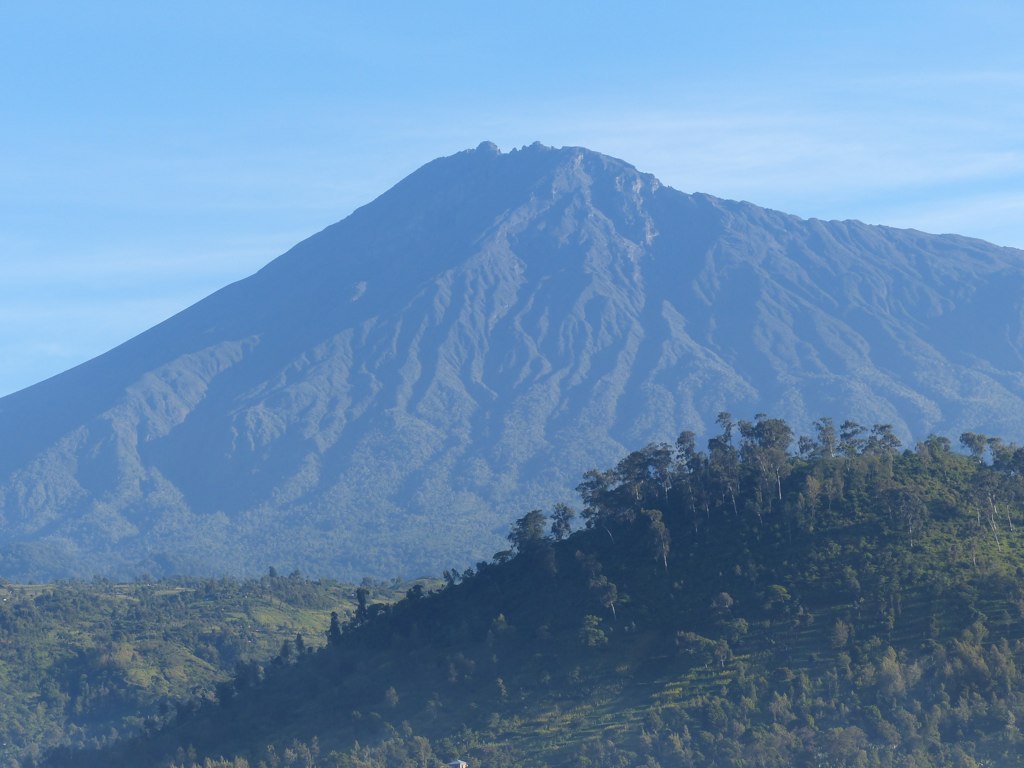
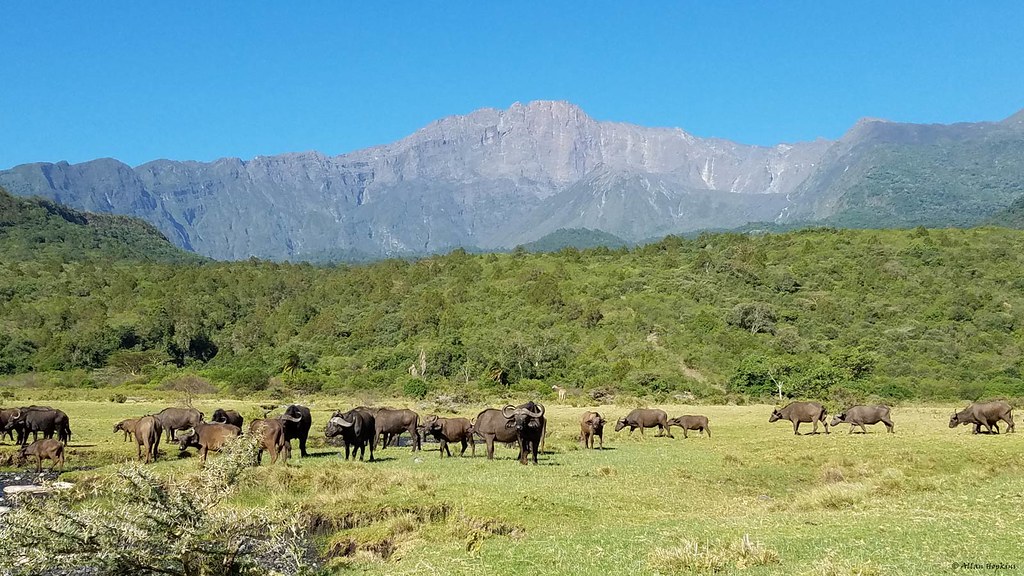
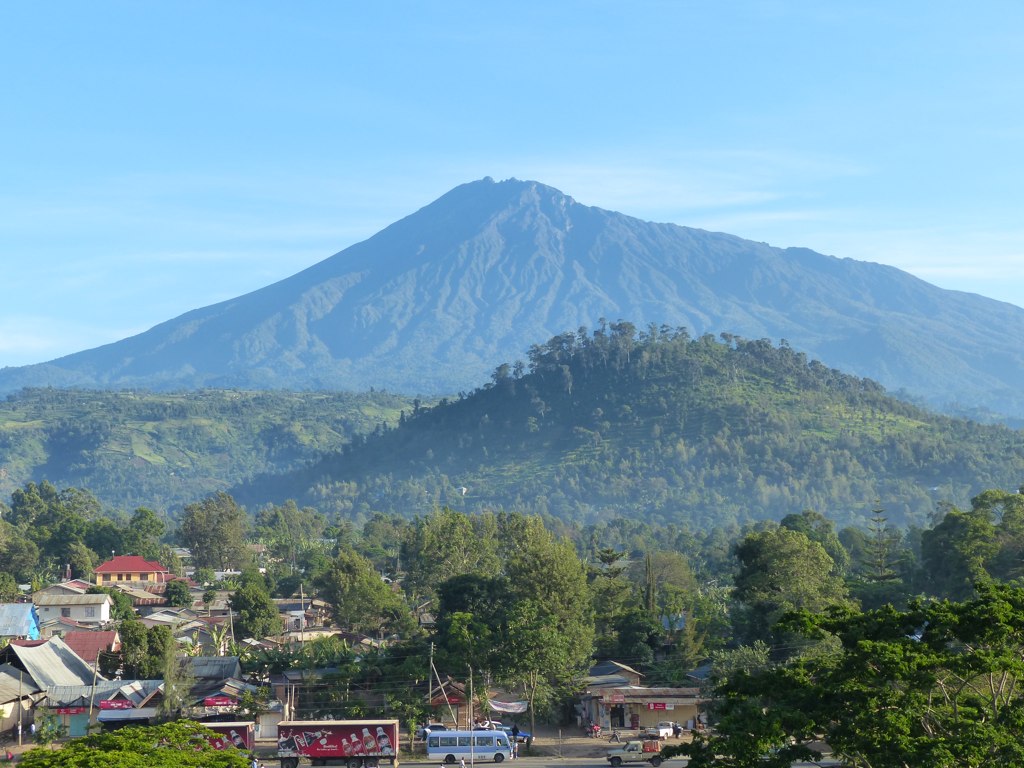
Approaching Mount Meru, the landscape shifts dramatically from savannah plains teeming with wildlife to dense tropical forests that cloak the volcano’s lower slopes. The towering conical peak looms above, its crater rim etched sharply against the sky. Trekking here immerses you in raw geological power and vibrant ecosystems. The trail winds through wildlife-rich habitats, offering encounters with giraffes, buffaloes, and monkeys, before ascending steep volcanic ash slopes. Reaching the summit crater at sunrise reveals a breathtaking panorama of Kilimanjaro’s distant peak and the vast Rift Valley below, a moment charged with awe and the silent pulse of the Earth’s fiery heart.
Mount Meru: Geological Background
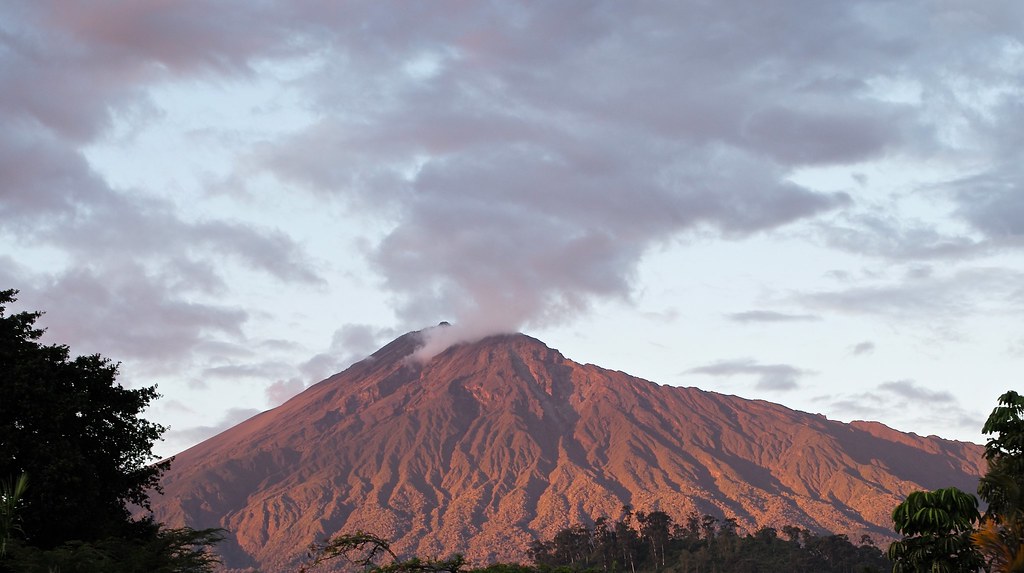
Mount Meru is a classic stratovolcano formed by successive layers of lava and ash. Its formation began over half a million years ago, culminating in a massive eruption that created a large horseshoe-shaped crater. The volcano’s summit hosts a deep crater lake and an ash cone that continues to evolve. The terrain features volcanic minerals and fumaroles emitting steam and sulfurous gases. The inner crater walls rise dramatically, forming some of Africa’s tallest cliffs. This dormant volcano’s geological story is written in its rugged ridges, ash fields, and the vibrant soils that support diverse flora.
Terrain and Hiking Experience on Mount Meru
The trek begins in open grasslands and rainforest, where the trail is soft and shaded. As you ascend, the terrain becomes steeper with volcanic ash slopes and rocky ridges requiring careful footing. The final summit push involves narrow paths along the crater rim with exposure to wind and altitude effects. The trail’s diversity—from lush forest to alpine moorland—demands adaptability. Hikers experience temperature shifts and occasional strong winds near the summit. The volcanic scree and loose pumice can challenge balance but reward with spectacular views.
What Makes the Mount Meru Trek Unique
Mount Meru’s trek stands out for its blend of rich wildlife encounters within a national park and dramatic volcanic landscapes. Unlike the crowded Kilimanjaro routes, Meru offers solitude and intimate nature experiences. The trek features a stunning crater lake, steep ash cones, and panoramic views of Kilimanjaro and the Rift Valley. The presence of wild animals like elephants and buffalo on the lower slopes adds a safari dimension to the climb. The trail’s varied ecosystems—from rainforest to alpine heath—create a dynamic and immersive adventure.
Summit and Crater Experience
Reaching Socialist Peak at dawn is a sensory crescendo. The air is thin and crisp, carrying the faint sulfur scent from fumaroles near the crater. The ground beneath is warm in places, hinting at the volcano’s dormant power. From the summit, the vast ash crater stretches below, its steep walls plunging into shadow. The rising sun paints Kilimanjaro’s snowy peak in golden light, while the Rift Valley unfolds endlessly. The silence is profound, broken only by the whisper of wind and distant wildlife calls. This moment captures the raw majesty of East Africa’s volcanic heart.
Best Time to Trek Mount Meru
The optimal trekking windows are during the dry seasons: June to October and January to February. These months offer stable weather, clearer skies, and drier trails, increasing summit success rates. The rainy seasons (March to May and November) bring lush vegetation but slippery paths and reduced visibility. Early morning summit attempts are favored for calm winds and spectacular sunrises. Seasonal hazards include sudden weather changes and occasional volcanic gas emissions, so monitoring local conditions is essential.
Routes and Trail Options on Mount Meru
Mount Meru’s sole official route is the Momella Route, starting at Momella Gate (1,500m). The trek typically spans 3 to 4 days: Day 1 ascends to Miriakamba Hut (2,514m) through forest and grasslands; Day 2 climbs to Saddle Hut (3,570m) via heath moorland; Day 3 is the summit push to Socialist Peak (4,566m) and descent to Miriakamba Hut; Day 4 offers a relaxed return to the gate. An optional side hike to Little Meru Peak provides additional acclimatization and views. Guided treks with porters and armed rangers are mandatory for safety and wildlife protection.
Difficulty Assessment of Mount Meru Trek
Classified as a moderate volcano trek, Mount Meru demands good fitness and acclimatization. The terrain includes steep ash slopes, rocky ridges, and narrow crater rim paths requiring surefootedness. Altitude reaches 4,566 meters, posing mild risks of altitude sickness. The trek is less technical than Kilimanjaro but still physically demanding, especially on summit day’s steep ascent. No technical climbing skills are needed, but stamina, leg strength, and mental resilience are essential for a safe and successful climb.
Essential Gear for Mount Meru Volcano Trekking
Key gear includes sturdy hiking boots with good grip for volcanic scree, trekking poles for stability, and gaiters to protect against ash and debris. Layered clothing is vital to adapt to temperature changes, including a warm insulated jacket and waterproof shell. A headlamp is necessary for pre-dawn summit climbs. Sun protection—hat, sunglasses, and sunscreen—is critical due to high UV exposure and sparse shade. Carry sufficient hydration systems and snacks. A gas mask or respirator is generally not required but check current volcanic activity reports.
Safety and Volcanic Hazards on Mount Meru
Trekking Mount Meru involves risks from volcanic gases, unstable crater edges, and wildlife encounters. The presence of an armed ranger is mandatory to mitigate wildlife threats such as buffalo and elephants. Sudden weather changes can bring cold temperatures and strong winds near the summit. Loose scree and falling rocks require caution on steep slopes. Although the volcano is dormant, monitoring by Tanzanian park authorities ensures timely warnings of any activity. Always follow guide instructions and stay on marked trails for safety.
Permits, Guides, and Logistics for Mount Meru Trek
Climbers must obtain a park entry permit and hire a licensed guide and armed ranger; independent trekking is prohibited. Permits are valid for 12 hours, so timing is crucial. Porters and cooks are commonly included in guided packages. The Momella Gate serves as the trailhead, located about 30 minutes from Arusha town. Kilimanjaro International Airport is the nearest major airport. Booking through reputable operators ensures compliance with regulations, safety, and quality support throughout the trek.
Where to Stay Near Mount Meru
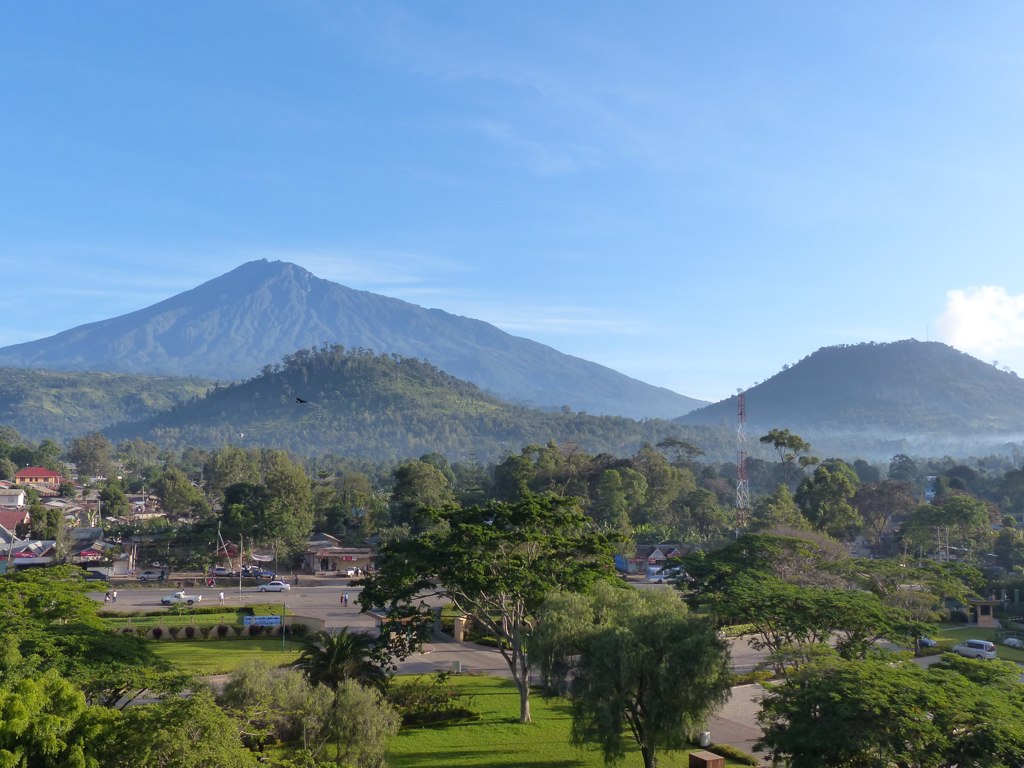
Accommodation options near Mount Meru include lodges and hotels in Arusha town, which is the main base for trek departures. Closer to the trailhead, basic campsites and mountain huts such as Miriakamba and Saddle Huts provide shelter during the trek. Eco-lodges and safari camps in Arusha National Park offer immersive nature experiences before or after the climb. Booking in advance is recommended, especially during peak trekking seasons.