
Mount Longonot Volcano Trekking Guide: Hiking Kenya’s Great Rift Valley Stratovolcano
Explore Mount Longonot, a dormant stratovolcano in Kenya’s Great Rift Valley, with this expert trekking guide. Discover the geological marvels, crater rim trails, terrain challenges, and practical tips for a memorable volcano hike near Nairobi.
Quick Volcano Snapshot
| Volcano type | Stratovolcano |
|---|---|
| Elevation | 2,776 meters (9,108 feet) |
| Location | Great Rift Valley, Kenya |
| Activity status | Dormant |
| Trekking difficulty | Moderate |
| Typical trek duration | 4 to 6 hours |
| Altitude gain | Approximately 630 meters (2,067 feet) |
| Terrain type | Volcanic ash slopes, loose volcanic rock, crater rim trail |
| Best season | June to October (dry season) |
| Temperature range | 20°C to 30°C |
| Permit requirement | Yes, park entry permit required |
The Experience of Hiking Mount Longonot
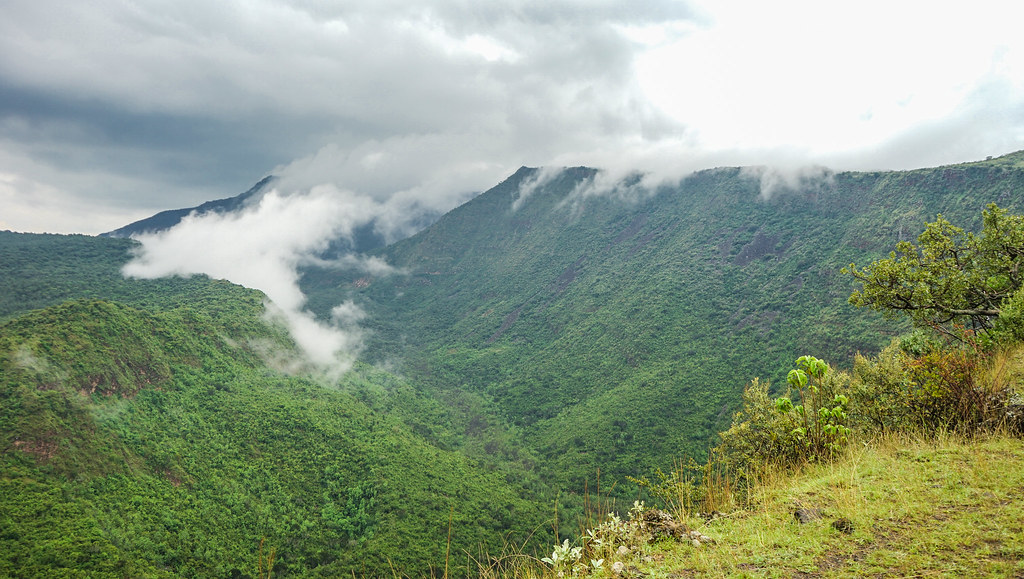
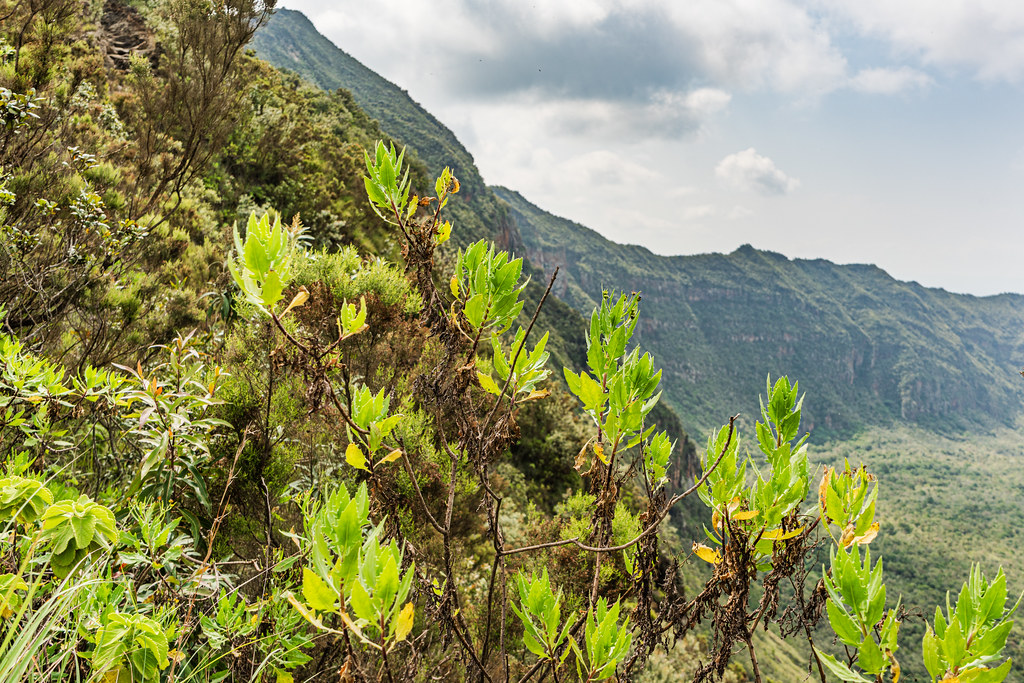
Approaching Mount Longonot, the landscape unfolds with stark volcanic drama. The steep ridges rise sharply from the Rift Valley floor, their rugged contours etched by ancient lava flows. As you ascend, the barren volcanic slopes contrast vividly with the lush greenery of the crater forest below. The air carries a faint scent of earth and dry brush, while the vastness of the Great Rift Valley stretches beneath you. Reaching the crater rim, a profound sense of geological power and isolation envelops you, as panoramic views reveal a deep forested caldera and distant lakes. This is a journey into the heart of a sleeping giant, where every step connects you to the planet’s fiery past.

Mount Longonot: Geological Background
Mount Longonot is a dormant stratovolcano formed through successive layers of lava, ash, and volcanic rock. Its last eruption occurred in the 1860s, leaving behind a large caldera approximately 8 kilometers wide. The volcano’s steep ridges, reflected in its Maasai name Oloonong’ot meaning “mountain of many steep ridges,” are remnants of powerful eruptions that shaped the landscape. The crater hosts a unique forest ecosystem thriving on volcanic soil, surrounded by fumaroles and steam vents that hint at residual geothermal activity. The volcanic minerals enrich the soil, supporting diverse flora. The caldera’s rim offers dramatic views of lava fields and the Rift Valley, making it a living museum of volcanic processes.
Terrain and Hiking Experience on Mount Longonot
The trek begins through scrubby forest at the park gate, quickly giving way to steep volcanic ash slopes. The path is rugged, with loose pumice and volcanic rock requiring careful footing. As you climb, the trail steepens sharply, demanding steady pace and endurance. The crater rim trail is narrow and undulating, with frequent ascents and descents along exposed edges. Wind can be strong near the summit, and temperature shifts from warm base conditions to cooler, breezy heights. The terrain’s crumbly volcanic scree challenges hikers, especially on descents where trekking poles prove invaluable. Altitude effects are moderate but noticeable, adding to the physical demand.
What Makes Mount Longonot Trek Unique
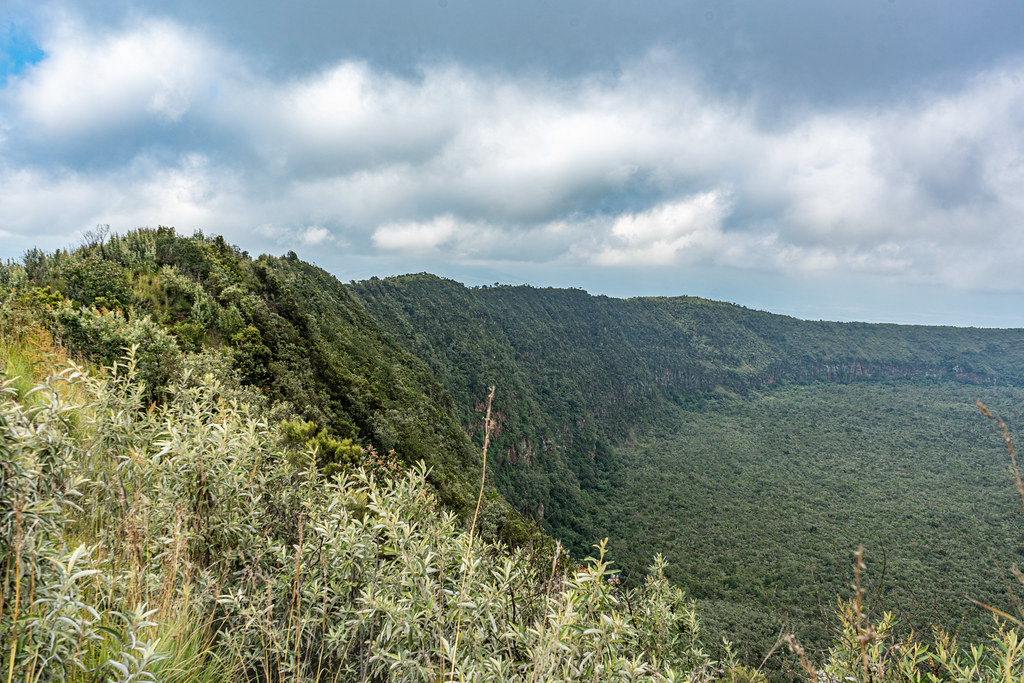
Mount Longonot’s defining feature is its vast caldera with an accessible crater rim trail offering 360° panoramic views. Unlike many volcanoes, the crater floor is densely forested, creating a striking contrast with the barren rim. Wildlife sightings of zebras, giraffes, and gazelles add to the experience. The trail’s steep ridges and volcanic terrain provide a challenging yet rewarding hike close to Nairobi. The volcano’s dormant status allows safe exploration of fumaroles and volcanic formations. The combination of geological grandeur, rich biodiversity, and dramatic Rift Valley vistas makes this trek a singular adventure in East Africa.
Summit and Crater Experience
Reaching the summit rim, hikers are greeted by sweeping views over the Great Rift Valley, Lake Naivasha, and distant mountain ranges like the Aberdares. The crater’s interior reveals a lush green forest, a hidden ecosystem thriving within volcanic walls. The air carries a faint sulfuric tang near fumaroles, and the ground beneath is warm in places. The sound of escaping gases and the sight of steam vents remind you of the volcano’s latent power. The narrow rim trail exposes you to wind and steep drops, heightening the sense of adventure. This moment is a sensory immersion into volcanic majesty and natural beauty.
Best Time to Trek Mount Longonot
The ideal trekking season is during Kenya’s dry months from June to October when trails are firm and weather stable. Early morning starts help avoid midday heat and strong winds common on the crater rim. Avoid the rainy seasons (March to May and November to December) as trails become slippery and visibility reduces. Volcanic activity is dormant, but always check local conditions. Sunrise hikes offer spectacular light and cooler temperatures, while daytime climbs provide clearer views. Prepare for temperature variations and sun exposure throughout the day.
Trekking Routes and Trail Options
The primary route starts at the Mount Longonot National Park gate, ascending approximately 3.1 km to the crater rim. From there, hikers can choose a shorter hike by returning or complete the full 7.2 km crater rim loop for a total of about 13.5 km. The rim loop includes steep ascents and descents, with one challenging section near the summit. The entire trek typically takes 4 to 6 hours depending on pace and stops. Both guided and self-guided options are available, with local guides offering geological insights and wildlife spotting. The trail is well-marked and maintained by Kenya Wildlife Service.

Difficulty Assessment
Mount Longonot is classified as a moderate volcano trek. The steep initial climb to the rim is short but strenuous, with uneven volcanic rock and loose scree. The crater rim loop adds length and technical challenges with narrow, exposed sections and frequent elevation changes. Altitude gain of around 630 meters requires good fitness and stamina. No technical climbing skills are needed, but hikers should be comfortable with steep trails and variable terrain. Fit beginners can reach the rim, while experienced hikers will enjoy the full loop. Proper preparation and pacing are essential.
Essential Volcano Trekking Gear
Key gear includes sturdy hiking boots with strong grip for volcanic rock, trekking poles to aid balance on loose scree, and gaiters to protect against volcanic ash. A windproof jacket is vital for summit winds, along with sun protection such as hat, sunglasses, and sunscreen due to minimal shade. Carry at least 2 liters of water and high-energy snacks. A headlamp is recommended for early starts or late finishes. Though volcanic gases are minimal, sensitive hikers may consider a lightweight respirator. A first aid kit, map, and mobile phone with GPS enhance safety.
Safety and Volcanic Hazards
While Mount Longonot is dormant, hikers must remain cautious of unstable crater edges and loose volcanic scree that can cause falls. Sudden weather changes and strong winds on the rim increase risk. Volcanic gases are minimal but avoid fumaroles if sensitive to sulfur. Stay on marked trails to prevent accidents and protect fragile ecosystems. Kenya Wildlife Service monitors the park and provides safety updates. Carry sufficient water to prevent dehydration and inform someone of your hiking plans. Emergency services are limited; preparedness is key.
Permits, Guides, and Logistics
Entry to Mount Longonot National Park requires a permit purchased at the Kenya Wildlife Service gate or online. Fees are approximately $50 USD for non-resident adults, with reduced rates for residents and children. Guided hikes are available and recommended for first-timers or those seeking geological insights. Guides cost around KSH 2,000 for up to 4 hours. The park is open daily from 6 AM to 6 PM. No overnight accommodation is inside the park, but camping is possible with prior reservation. Visitors must adhere to park rules and respect wildlife.
Where to Stay Near Mount Longonot
The nearby town of Naivasha, about 30 km from the park, offers a range of accommodations including lodges, guesthouses, and self-catering apartments. Naivasha is a convenient base with transport options to the park entrance. For adventurous visitors, camping is available at designated sites near the volcano, requiring advance booking. Nairobi, 90 km away, is suitable for day trips but involves longer travel. Staying in Naivasha allows early starts and exploration of other Rift Valley attractions.