
Climbing Mount Taranaki: A Demanding Volcano Trekking Guide to New Zealand’s Perfect Alpine Cone
Mount Taranaki, a dormant stratovolcano on New Zealand’s North Island, offers a challenging and rewarding trek to its 2,518-meter summit. Known for its near-perfect symmetrical cone and alpine conditions, this demanding climb combines steep scoria slopes, rock scrambling, and icy crater crossings. This guide covers geological insights, trekking routes, safety tips, and seasonal advice for adventurers seeking a unique volcanic experience.
Quick Volcano Snapshot
| Volcano type | Stratovolcano |
|---|---|
| Elevation | 2,518 m |
| Location | Taranaki Region, North Island, New Zealand |
| Activity status | Dormant |
| Trekking difficulty | Demanding |
| Typical trek duration | 8–10 hours (summit climb) |
| Altitude gain | Approx. 1,572 m (from North Egmont Visitor Centre) |
| Terrain type | Steep scoria slopes, rock scrambling, alpine ice, forested lower slopes |
| Best season | December to April |
| Temperature range | -5°C to 15°C (summit alpine conditions) |
| Permit requirement | No permit required for most trails; summit climb registration recommended |
The Experience of Hiking Mount Taranaki
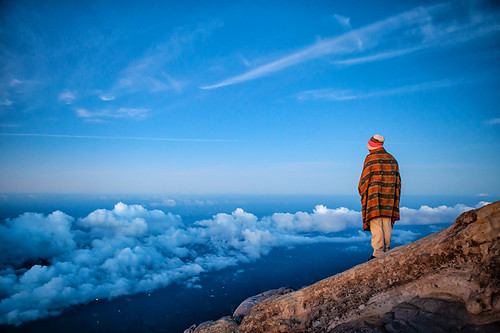
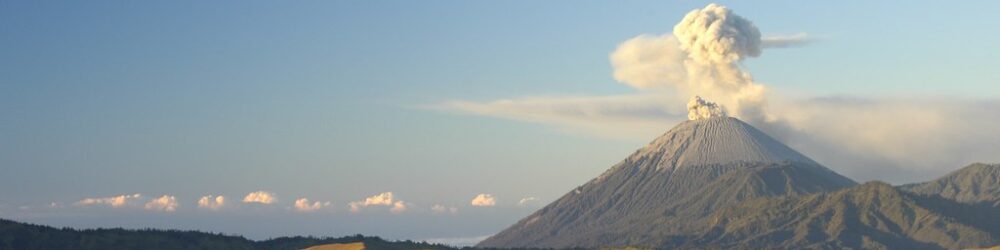
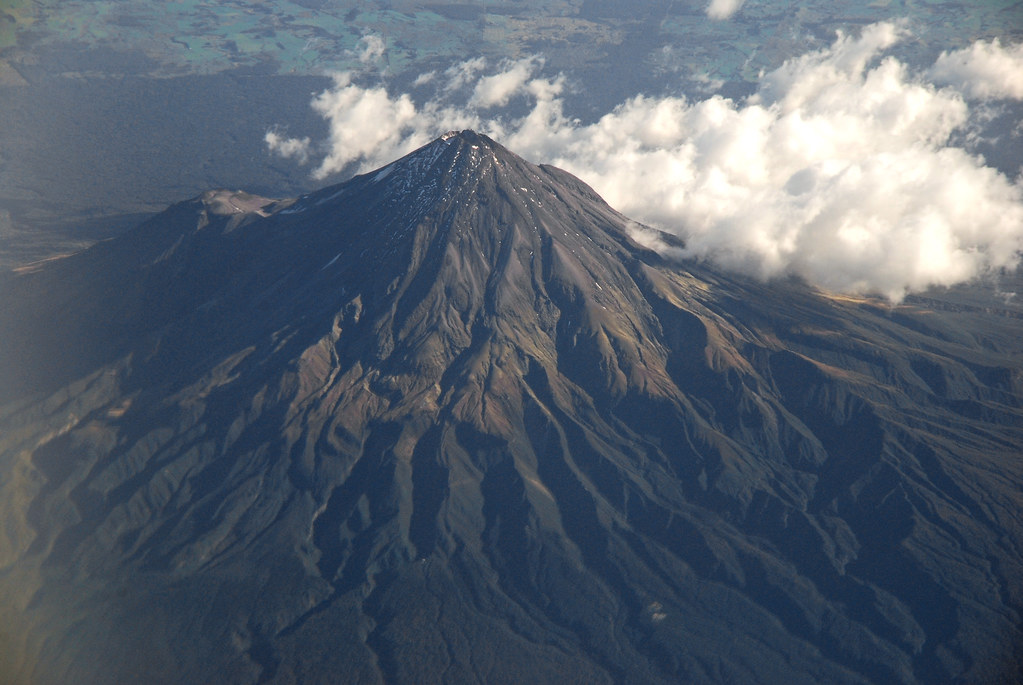
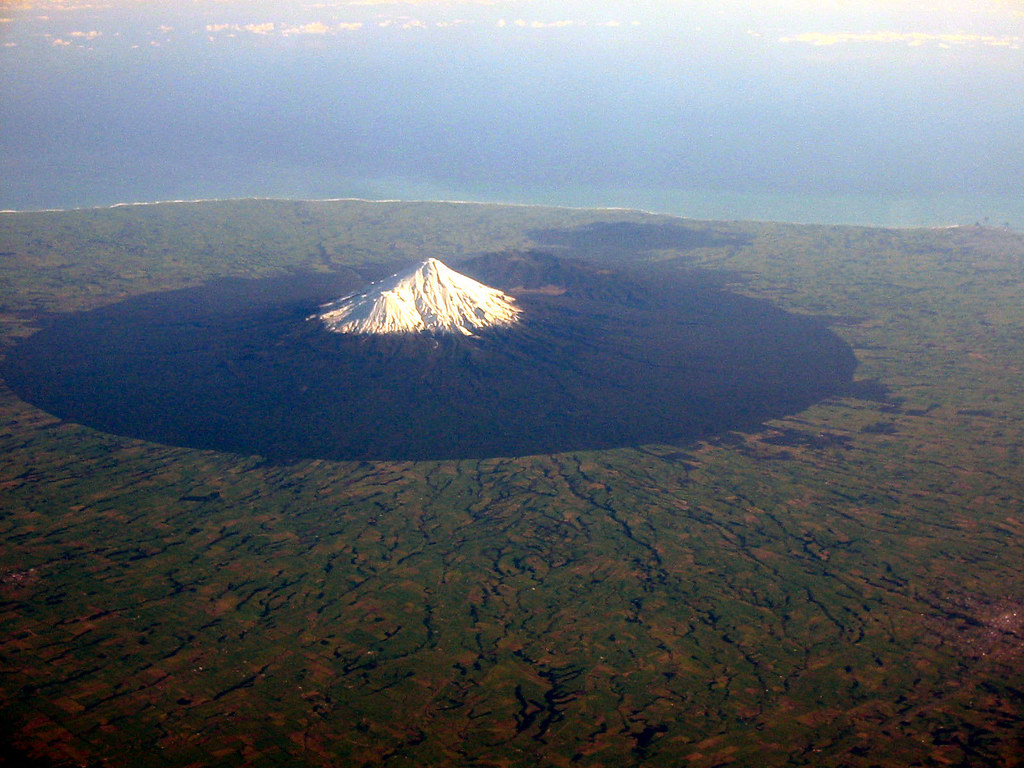
Approaching Mount Taranaki, the mountain’s flawless cone rises dramatically above lush native forests and fertile plains. The stark contrast between the dense greenery at its base and the barren, rocky upper slopes evokes a powerful sense of geological force. As you ascend, the air thins and the terrain shifts from mossy forest to steep volcanic scree and icy crater fields. Reaching the summit reveals a breathtaking 360-degree panorama, where the raw power of this dormant giant is palpable, and the silence is punctuated only by the whisper of alpine winds.
Mount Taranaki: Geological Background
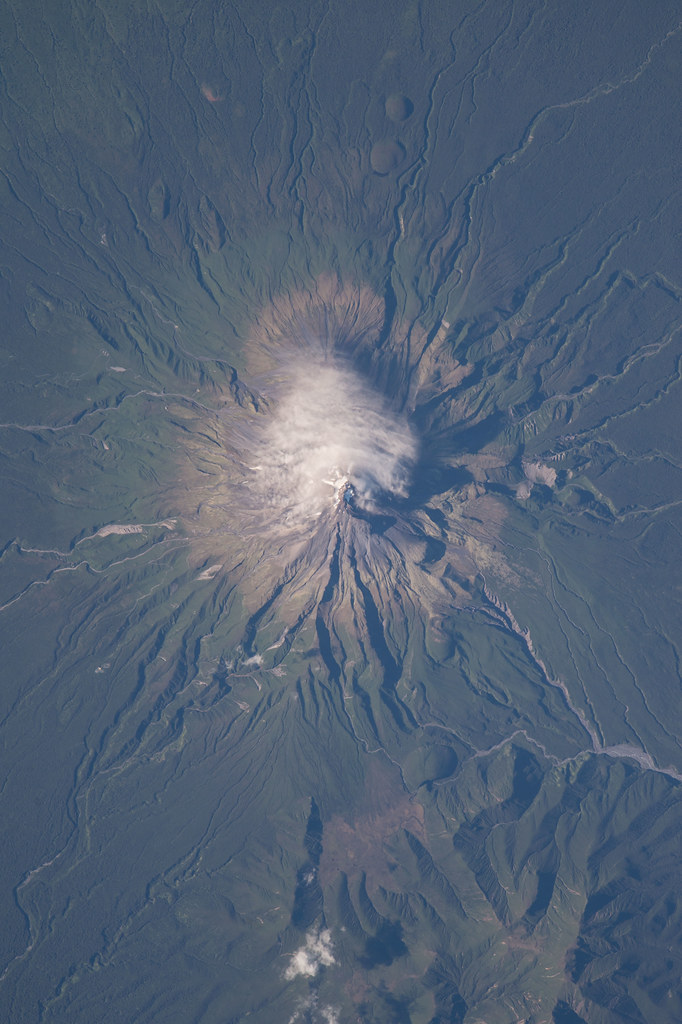
Mount Taranaki is a classic stratovolcano formed approximately 120,000 years ago through repeated eruptions of andesitic lava and ash. Its near-perfect symmetrical cone is the result of layered lava flows and pyroclastic deposits. The last major eruption occurred around 1854, leaving the volcano dormant but still geologically active beneath the surface. The summit crater contains perennial ice and snow fields, with fumaroles and sulfur deposits occasionally visible. Unique geological features include steep scoria slopes, rugged ridges like the Lizard, and the icy crater floor that demands technical caution.
Terrain and Hiking Experience on Mount Taranaki
The trek begins in dense native forest with towering rimu and mountain cabbage trees, gradually transitioning to alpine tussock and scree slopes. The route to the summit is relentlessly steep, featuring cemented gravel paths known as 'The Puffer,' boulder-strewn valleys, and long wooden staircases ascending the ridges. The upper sections require rock scrambling, careful navigation of loose scoria, and crossing icy crater fields that may necessitate crampons and ice axes. Wind exposure and rapid weather changes add to the physical and mental demands of the climb.
What Makes the Mount Taranaki Trek Unique
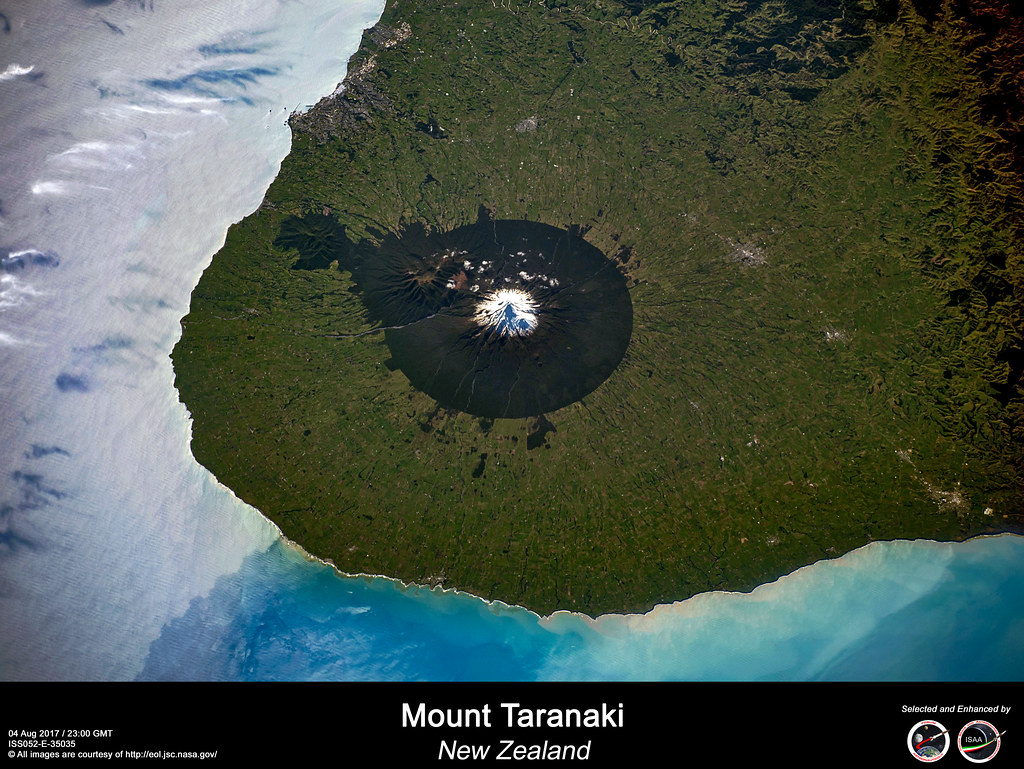
Mount Taranaki’s perfect cone shape is globally renowned, rivaling Japan’s Mount Fuji but with far fewer crowds. Its isolated position creates dramatic weather patterns and alpine conditions unusual for New Zealand’s North Island. The trek offers a rare combination of lush rainforest, volcanic desert, and icy crater terrain within a single ascent. The spiritual significance of Taranaki Maunga to the Māori people adds a profound cultural dimension, emphasizing respect and conservation. The summit’s panoramic views and the challenge of navigating the icy crater make this trek a singular volcanic adventure.
Summit and Crater Experience
Reaching the summit of Mount Taranaki is a moment of awe and exhilaration. The crater rim offers sweeping views of the surrounding Taranaki region, the Tasman Sea, and distant mountain ranges. The air is crisp and cold, often carrying the faint scent of sulfur from fumaroles. The crater itself is icy year-round, with patches of snow and ice that glisten under the sun. The sound of wind rushing through the crater and the sight of the steep rocky ledges create a dramatic and humbling atmosphere. Climbers are reminded to respect the sacred nature of the summit and avoid standing on the peak itself.
Best Time to Trek Mount Taranaki
The optimal trekking season runs from December to April when snow and ice are minimal, and weather conditions are generally stable. Outside this window, the summit is often covered in snow and ice, requiring advanced mountaineering skills and equipment. Weather on Taranaki can change rapidly, with sudden storms and high winds common year-round. Early morning starts are recommended to avoid afternoon weather deterioration. Always check local weather forecasts and track conditions before attempting the summit climb.
Trekking Routes and Trail Options
The primary route to the summit begins at the North Egmont Visitor Centre, ascending via the Tahurangi Lodge and Hongi Valley. This 12.6 km return trek involves approximately 1,572 meters of elevation gain and takes 8–10 hours. Alternative routes include the Mangorei Track to Pouākai Tarns for a less strenuous hike with spectacular views. Multi-day circuits like the Pouakai Circuit offer extended exploration of alpine ridges and tarns. Guided summit climbs are available, though self-guided experienced hikers often attempt the main route during favorable conditions.
Difficulty Assessment
Mount Taranaki’s summit climb is classified as a demanding volcano ascent. The steep gradient, loose volcanic scree, rock scrambling sections, and icy crater crossing require good physical fitness, sure-footedness, and some mountaineering experience. Altitude effects are moderate but combined with exposure and weather volatility, the climb challenges even seasoned hikers. This trek is unsuitable for beginners and should only be attempted by those prepared for technical terrain and alpine conditions.
Essential Volcano Trekking Gear
Key gear includes sturdy hiking boots with excellent grip, trekking poles to reduce knee strain, and gaiters to protect against volcanic ash and scree. Layered clothing is essential to adapt to temperature shifts, including a windproof and waterproof jacket. For summit climbs, crampons and an ice axe may be necessary to safely cross the icy crater. A headlamp is recommended for early starts or late finishes. Carry at least 3 liters of water, high-energy food, sun protection, a first aid kit, and a map or GPS device. Gas masks are not typically required.
Safety and Volcanic Hazards
Though dormant, Mount Taranaki presents hazards such as unstable crater edges, rockfall, loose scree, and sudden weather changes including snow and ice. The icy crater crossing is particularly dangerous and requires caution. Volcanic gases are minimal but the sulfur smell near fumaroles can be strong. Climbers must heed official warnings, check weather and track conditions at the Visitor Centre, and be prepared to turn back if conditions deteriorate. Rescue incidents are not uncommon, underscoring the mountain’s challenging nature.
Permits, Guides, and Logistics
No formal permit is required for most trails, but summit climbers should register at the North Egmont Visitor Centre for safety tracking. Guided climbs are recommended for less experienced hikers or those unfamiliar with alpine conditions. Park entry is free, but shuttle services may be needed for certain routes. Seasonal closures or restrictions may apply during adverse weather or volcanic activity. Always consult the Department of Conservation and local authorities before planning your trek.
Where to Stay Near Mount Taranaki
Accommodation options include lodges within Egmont National Park such as Tahurangi Lodge and Dawson Falls Mountain Lodge, offering proximity to trailheads. Pouakai Hut on the Pouakai Circuit provides basic shelter for multi-day hikes. Nearby towns like New Plymouth and Stratford offer a range of hotels, hostels, and guesthouses within 30–45 minutes’ drive. Booking in advance is advised during peak season. Staying in New Plymouth provides access to amenities and transport links.