
Mount Ruapehu Volcano Trekking Guide: Conquer New Zealand’s Active Stratovolcano and Crater Lake
Explore Mount Ruapehu, New Zealand’s highest active stratovolcano, with this comprehensive trekking guide. Discover its volcanic geology, demanding routes, crater lake experience, and essential safety tips for an unforgettable adventure in Tongariro National Park.
Quick Volcano Snapshot
| Volcano type | Stratovolcano |
|---|---|
| Elevation | 2,797 m (9,177 ft) |
| Location | North Island, New Zealand |
| Activity status | Active |
| Trekking difficulty | Demanding |
| Typical trek duration | 5-7 hours (round trip) |
| Altitude gain | 633 – 1,033 m depending on route |
| Terrain type | Volcanic ash slopes, lava rock, pumice, crater rim |
| Best season | January to March (summer) |
| Temperature range | -5°C to 15°C (varies with altitude and season) |
| Permit requirement | Park entry fee required; no special permits for hiking |
The Experience of Hiking Mount Ruapehu
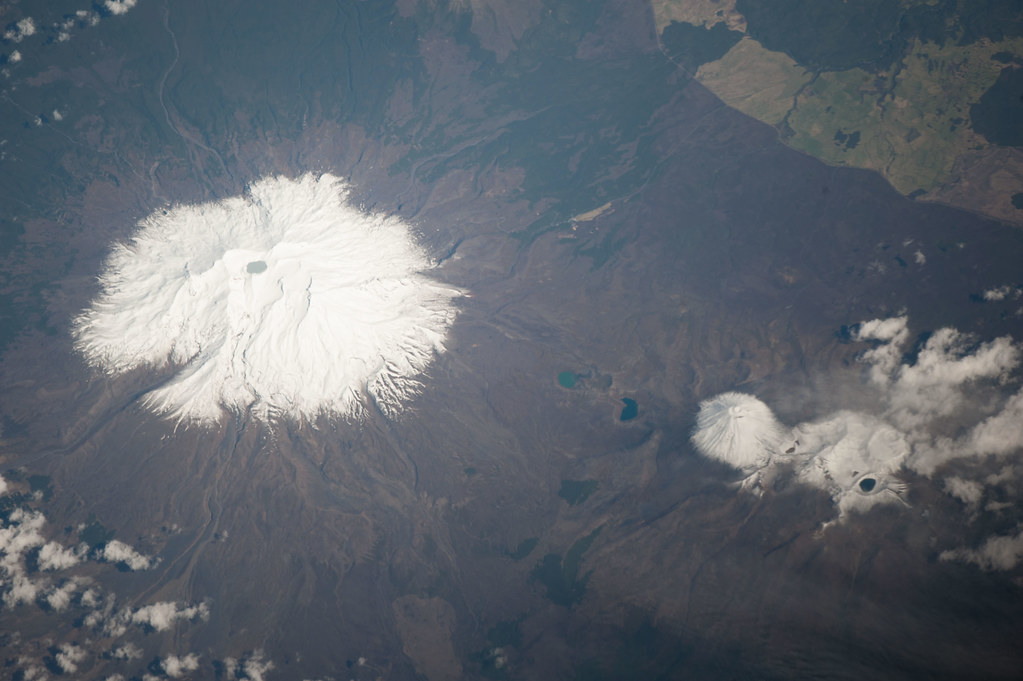
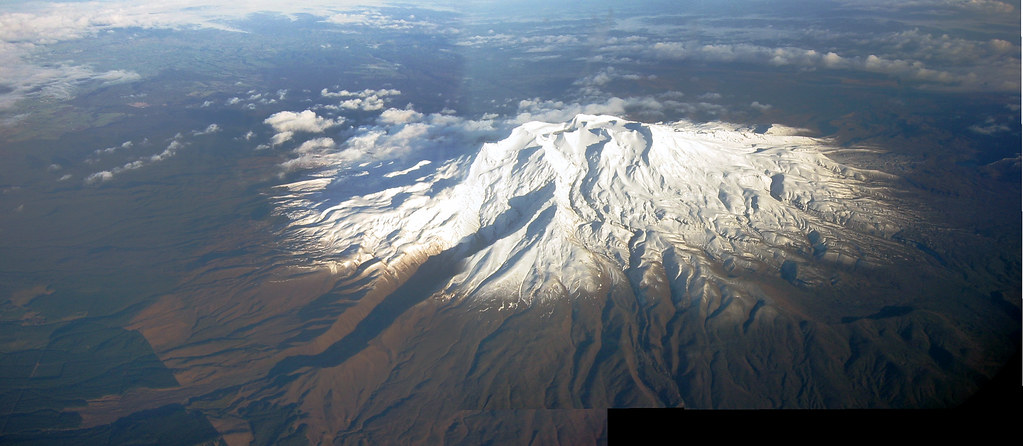
Approaching Mount Ruapehu, the landscape unfolds into a dramatic volcanic wilderness. Jagged lava flows and ash-strewn slopes contrast sharply with the lush forests below. The air carries a faint sulfuric tang, a reminder of the mountain’s fiery heart. As you ascend, the terrain shifts from dense alpine vegetation to barren volcanic rock, exposing the raw power beneath your feet. Reaching the crater lake, a steaming, acidic pool nestled within the summit, evokes awe and respect for this living giant. The panoramic views from the summit reveal the vast Tongariro National Park, a testament to Earth’s restless geology.
Mount Ruapehu: Geological Background
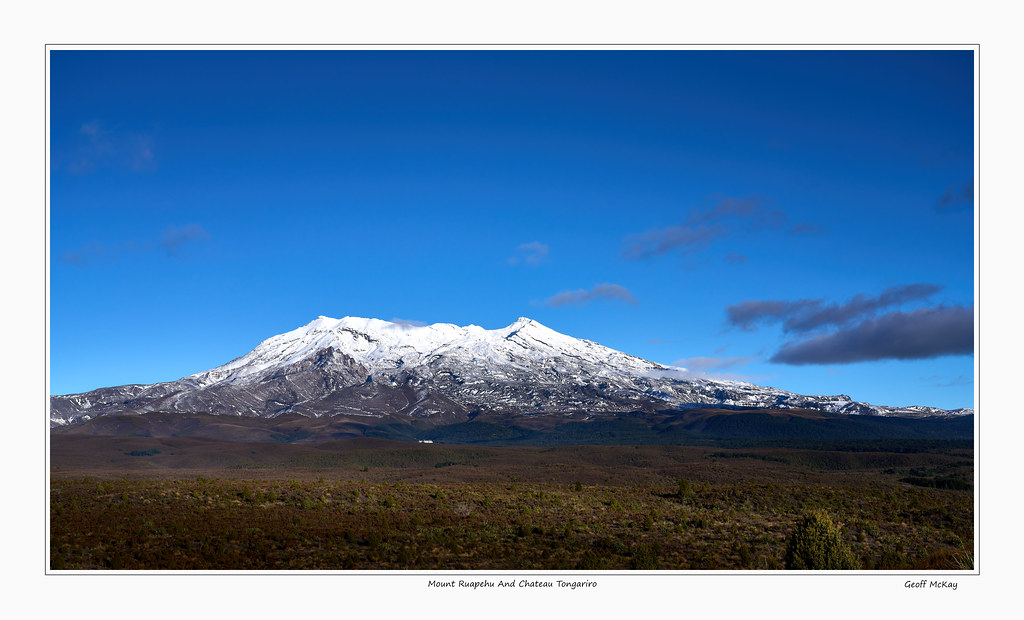
Mount Ruapehu is a classic stratovolcano formed by successive layers of lava and ash from repeated eruptions. It sits on the Pacific Ring of Fire, shaped by the subduction of the Pacific Plate beneath the Indo-Australian Plate. Its summit hosts a crater lake, one of the few active volcanic lakes worldwide, whose temperature and acidity fluctuate with volcanic activity. Notable eruptions occurred in 1995-1996 and 2007, producing ash clouds and lahars. The volcano’s fumaroles emit steam and sulfur gases, creating vivid mineral deposits around vents. Rugged lava flows and pumice fields characterize the upper slopes, while the mountain’s geology reveals a dynamic volcanic system still very much alive.
Terrain and Hiking Experience on Mount Ruapehu
The trek involves steep ash and pumice slopes that challenge footing, interspersed with sections of jagged lava rock requiring careful scrambling. The volcanic terrain is loose and unstable in places, demanding sure-footedness and concentration. Ridge walking near the crater rim exposes hikers to strong alpine winds and sudden temperature drops. Altitude effects become noticeable above 2,000 meters, with thinner air and cooler conditions. The trail’s volcanic nature means hikers traverse a landscape constantly reshaped by eruptions, with stark contrasts between barren summit zones and verdant lower forests.
What Makes the Mount Ruapehu Trek Unique
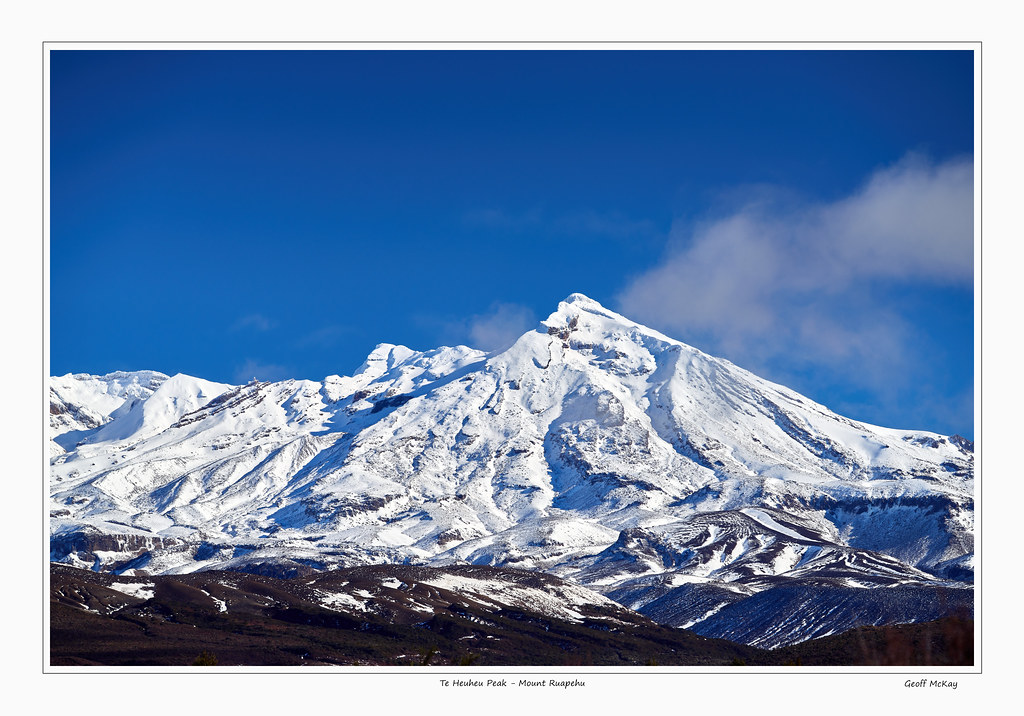
Mount Ruapehu’s active crater lake is a rare volcanic feature, offering a surreal, steaming azure pool at the summit. The volcano’s dual identity as a ski field in winter and a demanding hiking destination in summer adds to its allure. The surrounding Tongariro National Park, a UNESCO Dual World Heritage site, enriches the trek with diverse volcanic landscapes, including nearby cones and lava flows. The mountain’s cultural significance to the Māori people and its cinematic fame as Mordor in the Lord of the Rings films deepen the trek’s unique character.
Summit and Crater Experience
Reaching the summit, hikers encounter the steaming crater lake, its acidic waters shimmering with mineral hues. The smell of sulfur is pungent, and the heat from fumaroles warms the air despite alpine chill. The crater’s rim offers expansive views over Tongariro National Park’s volcanic peaks and valleys. The sound of escaping gases and occasional rockfalls punctuate the eerie silence. This sensory immersion into an active volcanic environment is both humbling and exhilarating, a vivid reminder of Earth’s inner forces.
Best Time to Trek Mount Ruapehu
The prime trekking season is summer, from January to March, when weather is most stable and snow-free. Winter transforms Ruapehu into a ski resort, making hiking hazardous. Spring and autumn can bring unpredictable weather and lingering snow patches. Volcanic activity is continuously monitored; hikers should heed alerts and avoid the summit during unrest. Early morning starts are recommended to avoid afternoon winds and to enjoy clear views. Avoid monsoon or stormy periods when lahars and rockfalls are more likely.
Routes and Trail Options on Mount Ruapehu
The most popular route starts at Whakapapa Village, ascending via the Whakapapa Ski Area and the Sky Waka Gondola to Knoll Ridge Cafe. From there, hikers tackle the steep climb to Dome Peak (2,746 m) or continue to Tahurangi Peak (2,797 m), the summit. The round trip covers approximately 10-11 km with 633 to 1,033 meters of elevation gain, taking 5-7 hours. Alternative routes include longer approaches from Iwikau Village or combined treks with Tongariro Alpine Crossing. Guided tours are available and recommended for less experienced hikers due to route complexity and volcanic hazards.
Difficulty Assessment
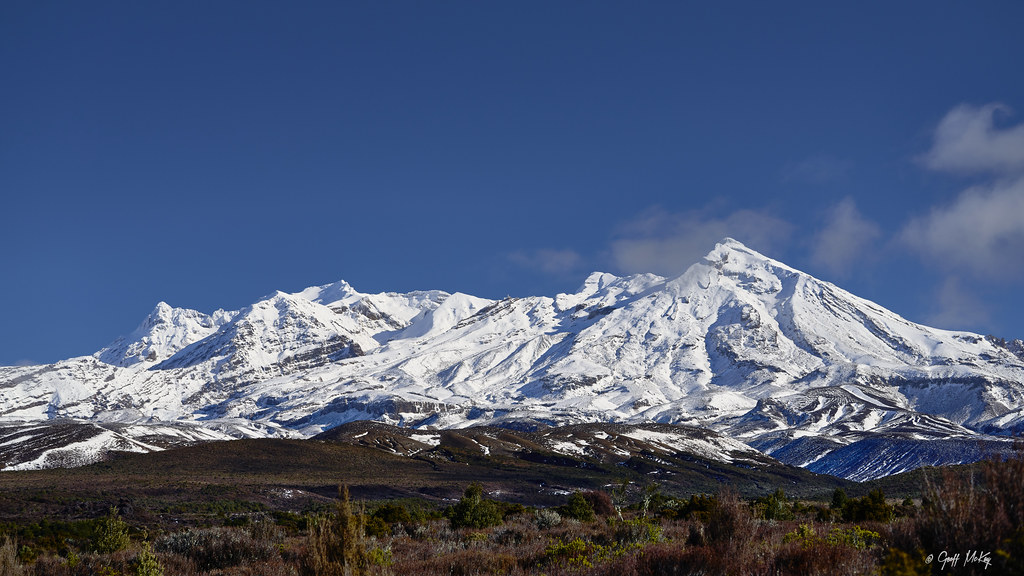
Mount Ruapehu is classified as a demanding volcano trek. The terrain’s loose volcanic ash and pumice, steep gradients, and exposure to alpine weather require good fitness and hiking experience. Altitude and variable weather add to the challenge. While technical climbing gear is not mandatory in summer, hikers must be prepared for rugged conditions and navigation on unmarked sections near the crater lake. This trek suits experienced hikers comfortable with mountain environments and volcanic terrain.
Essential Volcano Trekking Gear for Mount Ruapehu
Recommended gear includes sturdy hiking boots with excellent grip for loose volcanic rock, trekking poles to aid balance on ash slopes, and gaiters to keep volcanic dust out. A windproof and waterproof jacket is essential due to sudden weather changes. Sun protection is critical as the alpine environment offers little shade. Carry sufficient water and snacks for a long day. A headlamp is useful for early starts or late finishes. In periods of volcanic unrest, a gas mask or respirator may be advised. Navigation tools and a map are important since some trails near the crater are unmarked.
Safety and Volcanic Hazards on Mount Ruapehu
Mount Ruapehu’s active status means hazards include sudden eruptions, toxic volcanic gases, unstable crater edges, falling rocks, and lahars. The crater lake’s acidity and temperature can change rapidly. Weather can shift quickly, causing hypothermia risk. Always check GeoNet volcanic alerts before hiking. Stay on marked trails and avoid the crater rim during unrest. Carry communication devices and inform others of your plans. Guided hikes offer enhanced safety through expert knowledge of volcanic behavior and terrain.
Permits, Guides, and Logistics
No special permits are required to hike Mount Ruapehu, but Tongariro National Park entry fees apply. Guided tours are recommended for safety and route navigation, especially to the crater lake. The Tongariro National Park Visitor Centre in Whakapapa Village provides up-to-date volcanic activity information and trail conditions. Seasonal closures may occur during volcanic unrest or extreme weather. Booking accommodations and transport in advance is advised during peak summer months.
Where to Stay Near Mount Ruapehu
Whakapapa Village is the main base for Mount Ruapehu treks, offering alpine lodges, hostels, and hotels such as Skotel Alpine Resort and The Park Hotel Ruapehu. Accommodation ranges from budget to luxury, all within easy access to trailheads and ski facilities. Nearby Iwikau Village provides parking and access to the Sky Waka Gondola. For multi-day adventures, eco camps and local guesthouses in the wider Tongariro National Park area offer alternative options.