
Mount Lokon Volcano Trekking Guide: Hiking Indonesia’s Active Stratovolcano in Sulawesi
Mount Lokon, an active stratovolcano in North Sulawesi, Indonesia, offers a thrilling moderate trek through volcanic landscapes, fumaroles, and panoramic summit views. This guide covers geology, trekking routes, safety, permits, and local logistics for an unforgettable volcano adventure.
Quick Volcano Snapshot
| Volcano type | Stratovolcano |
|---|---|
| Elevation | 1,580 meters |
| Location | North Sulawesi, Indonesia |
| Activity status | Active |
| Trekking difficulty | Moderate |
| Typical trek duration | 3-4 hours |
| Altitude gain | Approximately 800 meters |
| Terrain type | Lava flows, rocky slopes, volcanic ash, grassy summit |
| Best season | May to October (dry season) |
| Temperature range | 15°C to 28°C |
| Permit requirement | Required from local authorities |
The Experience of Hiking Mount Lokon
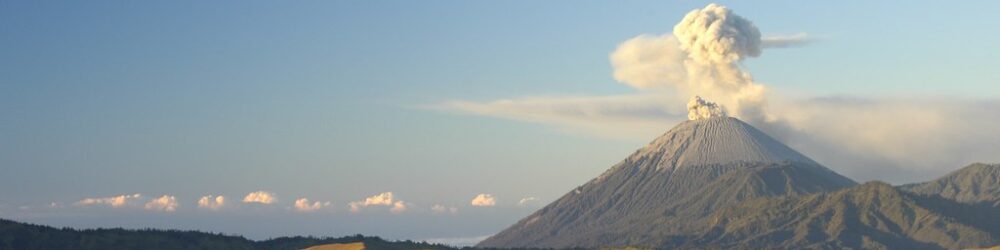
Approaching Mount Lokon, the landscape shifts dramatically from lush agricultural fields to stark volcanic rock and fumarolic steam. The twin peaks of Lokon and Empung dominate the skyline, their craters whispering the volcano’s restless power. Hiking here immerses you in raw geology — the scent of sulfur, the crunch of volcanic ash underfoot, and the sight of smoke rising from the Tompaluan crater. Reaching the crater rim rewards you with a visceral connection to Earth’s fiery heart, framed by panoramic views of Tomohon town and distant islands.
Mount Lokon: Geological Background
Mount Lokon is a classic stratovolcano formed by layers of hardened lava, ash, and volcanic debris. It shares a volcanic complex with the adjacent Empung peak. The active Tompaluan crater, nestled between these peaks, is the source of frequent eruptions characterized by explosive activity and ash plumes. The volcano’s geology features smooth lava flows, sulfur deposits, fumaroles emitting steam and gases, and rugged volcanic rock. These elements create a dynamic landscape shaped by ongoing volcanic processes.
Terrain and Hiking Experience on Mount Lokon
The trek begins from Tomohon town at around 800 meters elevation, winding through rural lanes before ascending steep volcanic slopes. The path crosses a dry riverbed, an old lava flow that can be slippery and requires careful footing. Rocky sections with moss-covered stones and loose volcanic sand challenge hikers. Near the summit, tall razor-sharp grasses dominate, demanding protective clothing and sometimes a machete to clear the trail. Wind and temperature shifts add to the ruggedness, making the hike a rewarding moderate challenge.
What Makes the Mount Lokon Trek Unique
Mount Lokon’s frequent eruptions and accessible active crater set it apart. Unlike many volcanoes where summit access is restricted, Lokon allows close encounters with fumaroles and steaming vents. The twin volcano structure with the overgrown Empung crater nearby adds geological interest. The trek’s proximity to Tomohon and Manado provides cultural insights and easy logistics. The panoramic views of surrounding volcanoes, lush valleys, and the Bunaken islands enhance the volcanic adventure.
Summit and Crater Experience on Mount Lokon
Reaching the Tompaluan crater rim, hikers confront a steaming, sulfur-scented landscape alive with volcanic energy. The heat from fumaroles warms the air as gases hiss and escape through vents. The crater’s rugged edges frame views of the verdant valleys below and the distant active Soputan volcano. The summit beyond is cloaked in tall grasses, with a hidden trig pillar marking the peak. From here, the panorama stretches over Tomohon, volcanic peaks, and the sea, a breathtaking reward for the climb.
Best Time to Trek Mount Lokon
The ideal trekking season is during the dry months from May to October when trails are less slippery and weather is stable. Early morning starts before sunrise improve chances of clear views and cooler temperatures. Avoid the wet season (November to April) due to heavy rains and increased risk of mudflows. Always check volcanic activity updates, as eruptions can prompt sudden closures or expanded danger zones.
Trekking Routes and Trail Options on Mount Lokon
The primary route starts from Tomohon, ascending through agricultural land to a stone quarry, then following a dry riverbed lava flow to the Tompaluan crater rim. This route takes 3-4 hours round trip with about 800 meters altitude gain. Most hikers stop at the crater, but the true summit is accessible via a narrow, grass-covered path requiring gloves and caution. Guided tours are recommended for safety and local knowledge. Transport from Tomohon to trailheads is available via taxis or arranged by tour operators.
Difficulty Assessment of Mount Lokon Trek
Mount Lokon is classified as a moderate volcano trek. The trail involves steep sections, slippery lava rock, and loose volcanic ash. The altitude is moderate at 1,580 meters, with no technical climbing required but some scrambling over rocks. Fitness levels should be good, with caution advised near steep ravines and unstable terrain. Protective clothing is necessary for the sharp grasses near the summit. Overall, it is accessible to experienced hikers comfortable with uneven volcanic terrain.
Essential Gear for Mount Lokon Volcano Trekking
Key gear includes sturdy hiking boots with good grip for slippery lava and rocky terrain, trekking poles for stability, and long trousers plus gloves to protect against sharp summit grasses. A windproof jacket is essential for summit winds. Carry a headlamp for early starts, sun protection including hat and sunscreen due to limited shade, and sufficient water. A gas mask or respirator is recommended during periods of increased volcanic gas emissions. A machete can be useful for clearing vegetation if hiking off-trail.
Safety and Volcanic Hazards on Mount Lokon
Mount Lokon’s active status requires vigilance. Hazards include sudden phreatic eruptions, toxic volcanic gases, unstable crater edges, falling rocks, and slippery lava flows. Authorities have established a 2.5-kilometer danger zone around the Tompaluan crater during elevated activity. Always check current volcanic alerts from the Indonesian Geological Agency. Use local guides familiar with safety protocols. In case of ashfall, wear masks and goggles. Avoid river valleys during rainy seasons due to risk of lava and mudflows.
Permits, Guides, and Logistics for Mount Lokon Trekking
A hiking permit is required from local authorities in Tomohon. Guided treks are strongly recommended for safety and to navigate volcanic hazards. Guides also provide geological insights and cultural context. Park entry fees apply. Seasonal closures may occur during heightened volcanic activity. Arrange transport from Manado to Tomohon by taxi or public minivan. Local guesthouses and lodges in Tomohon serve as convenient bases. Confirm all arrangements in advance, especially during peak trekking seasons.
Where to Stay Near Mount Lokon
Tomohon town, situated at around 800 meters elevation, is the primary base for Mount Lokon treks. It offers a range of accommodations from budget guesthouses to mid-range hotels and eco-lodges. Staying in Tomohon provides easy access to the trailhead and local guides. Manado, the provincial capital, is about 30 kilometers away and offers more extensive lodging and transport options. Booking in advance is advisable during the dry season and festival periods.