
Climbing Mount Klyuchevskaya Sopka: Technical Trekking Guide to Eurasia’s Highest Active Volcano
Mount Klyuchevskaya Sopka, the tallest active stratovolcano in Eurasia, offers a challenging and dramatic climb on Russia’s Kamchatka Peninsula. This guide covers its geology, trekking routes, technical difficulty, safety, permits, and the unforgettable summit experience.
Quick Volcano Snapshot
| Volcano type | Stratovolcano |
|---|---|
| Elevation | 4,750 meters |
| Location | Kamchatka Peninsula, Russia |
| Activity status | Active |
| Trekking difficulty | Technical mountaineering |
| Typical trek duration | 5 to 7 days |
| Altitude gain | Approximately 2,200 meters |
| Terrain type | Volcanic ash slopes, lava fields, glaciers, scree |
| Best season | July to August |
| Temperature range | -10°C to 10°C during climbing season |
| Permit requirement | Required (Kamchatka Volcanoes Nature Park permit) |
The Experience of Hiking Mount Klyuchevskaya Sopka
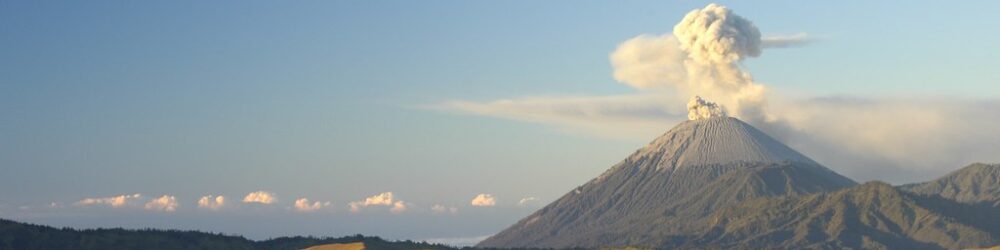
Approaching Klyuchevskaya Sopka reveals a dramatic landscape shaped by intense volcanic forces. Its towering symmetrical cone rises sharply above vast lava fields and ash deserts, contrasting with the surrounding wild tundra and distant ocean. The climb is a profound journey into the Earth’s molten core, where every step echoes millennia of eruptions. Reaching the summit crater offers an emotional climax — standing atop Eurasia’s highest active volcano and witnessing the primal forces that continue to shape our planet.
Geological Background of Klyuchevskaya Sopka
Klyuchevskaya Sopka is a classic stratovolcano formed approximately 7,000 years ago through successive eruptions of basaltic and andesitic lava interlayered with volcanic ash. It has erupted over 110 times during the Holocene epoch, maintaining near-continuous activity since its first documented eruption in 1697. The summit crater hosts fumaroles emitting sulfurous gases and steam, while periodic lava flows reshape its flanks. Notable geological features include extensive lava fields, pyroclastic deposits, and sulfur accumulations near fumaroles.
Terrain and Hiking Experience on Klyuchevskaya Sopka
The ascent involves negotiating steep ash slopes prone to shifting underfoot, extensive scrambling over jagged lava rocks, and glacier crossings that require technical mountaineering skills. Loose pumice and scree demand careful footing, while exposed ridges near the summit expose climbers to strong winds and cold temperatures. Altitude effects become significant above 3,000 meters, necessitating proper acclimatization. The rugged terrain and volcanic debris make this climb physically demanding and technically complex.
What Makes the Klyuchevskaya Sopka Trek Unique
This trek is distinguished as the highest active volcano climb in Eurasia, blending dramatic volcanic landscapes with demanding technical mountaineering challenges. Climbers witness near-continuous volcanic activity, including fumaroles and recent lava flows. The panoramic views of the Kamchatka volcanic group from the summit are unparalleled. The region’s remoteness and wildness enhance the adventure, offering a rare opportunity to explore a powerful, living volcano that few have conquered.
The Summit and Crater Experience
Reaching the summit crater immerses climbers in a sensory experience: the sulfurous scent of fumaroles, heat radiating from vents, and the low rumble of escaping gases vividly demonstrate the volcano’s power. Panoramic views extend over the Kamchatka volcanic range, vast tundra, and the distant Pacific Ocean. The crater rim is often edged with ice and snow, contrasting with steaming vents below. This moment is both humbling and exhilarating, a testament to nature’s raw force.
Best Time to Trek Mount Klyuchevskaya Sopka
The prime climbing season is July through August when snow cover diminishes and weather conditions stabilize. Early July may still have snow, which can aid safety on steep slopes. Winter and shoulder seasons bring extreme cold, heavy snowfall, and high avalanche risk, making climbs inadvisable. Climbers must closely monitor volcanic activity and weather forecasts, as sudden eruptions or storms can occur at any time.
Trekking Routes and Trail Options
The classic Northern Route is the most popular, beginning near Klyuchi village with a base camp established around 3,300 meters. This route includes glacier travel and steep snow and rock sections. The Southeastern Route is steeper and more technical, demanding advanced mountaineering skills and glacier navigation. Both routes require guided expeditions for safety. Approaches involve multi-day treks through volcanic landscapes with camps at strategic passes and ridges.
Difficulty Assessment
Klyuchevskaya Sopka presents a demanding technical mountaineering challenge. Climbers must be proficient with crampons, ice axes, and rope techniques. The altitude, steep volcanic slopes, unstable scree, and glacier crossings require excellent physical fitness and mountaineering experience. This climb is not suitable for beginners and ranks among the most challenging active volcano ascents worldwide.
Essential Volcano Trekking Gear
Key equipment includes mountaineering boots compatible with crampons, ice axe, climbing harness, helmet, rope, and protection gear. Windproof and insulated clothing layers are critical for summit conditions. Volcanic ash gaiters protect against fine ash and scree. A gas mask or respirator is recommended due to sulfurous gases near fumaroles. Headlamps are essential for early starts. Hydration systems and high-SPF sun protection are vital given the exposed terrain.
Safety and Volcanic Hazards
Climbing an active volcano involves risks from volcanic gases, sudden eruptions, unstable crater edges, falling rocks, and loose scree. Weather can change rapidly, increasing danger. Climbers must heed warnings from Kamchatka Volcanoes Nature Park and volcano monitoring agencies. Guided climbs with experienced leaders and proper emergency plans are mandatory. Awareness and respect for the volcano’s power are essential to ensure safety.
Permits, Guides, and Logistics
Permits are required to enter Kamchatka Volcanoes Nature Park and to climb Klyuchevskaya Sopka. These can be obtained from the park office in Yelizovo or via email. Due to the technical difficulty and hazards, hiring certified local guides is strongly recommended. Logistics include arranging transport from Petropavlovsk-Kamchatsky Airport to trailheads, often involving long off-road drives. Planning for weather delays and emergency contingencies is crucial.
Where to Stay and Nearby Bases
Accommodation options include guesthouses in Klyuchi village, basic huts near base camps, and tent camping on the volcano’s slopes. Some volcanologist huts exist but may be damaged or inaccessible. Petropavlovsk-Kamchatsky offers hotels and lodges suitable for pre- and post-trek stays. Campsites at strategic passes provide staging points for summit attempts. Early booking is recommended during the peak climbing season.