
Trekking Mount Kelimutu: A Complete Guide to Indonesia’s Tri-Colored Crater Lakes
Mount Kelimutu on Flores Island, Indonesia, offers a unique volcano trekking experience with its three color-shifting crater lakes. This guide covers the geology, trekking routes, cultural insights, and practical tips for exploring this dormant stratovolcano.
Quick Volcano Snapshot
| Volcano type | Stratovolcano |
|---|---|
| Elevation | 1,639 meters |
| Location | Flores Island, Indonesia |
| Activity status | Dormant |
| Trekking difficulty | Moderate |
| Typical trek duration | 20 to 45 minutes to summit viewpoint |
| Altitude gain | Approximately 600 meters |
| Terrain type | Paved steps, volcanic ash slopes, forest patches |
| Best season | April to October (dry season) |
| Temperature range | 10°C to 20°C near summit |
| Permit requirement | Entrance fee required at Kelimutu National Park |
The Experience of Hiking Mount Kelimutu
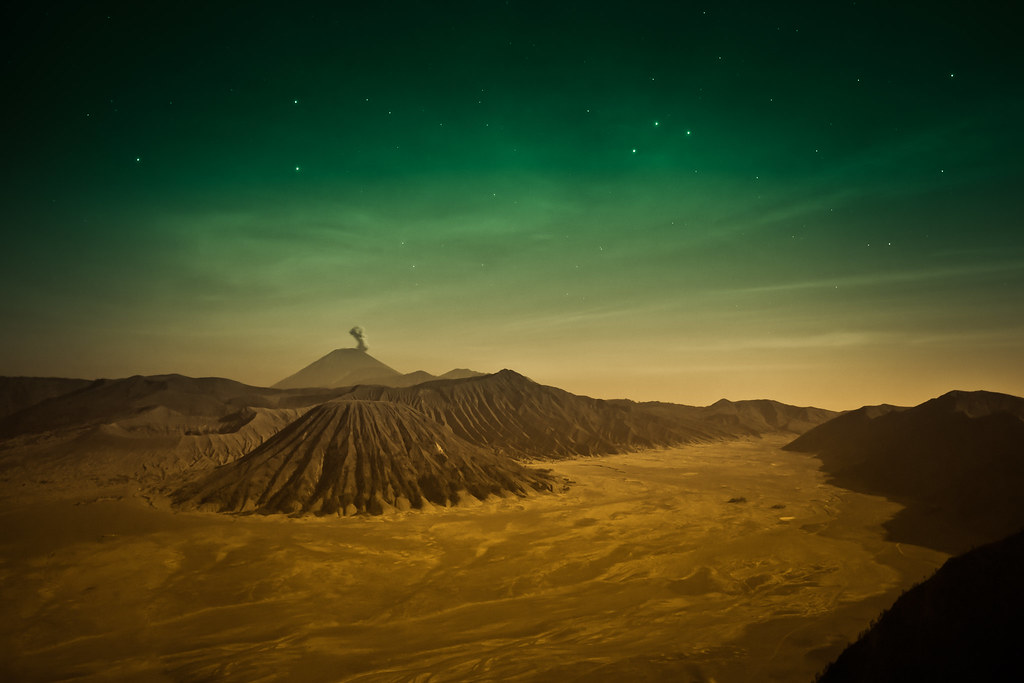
Approaching Mount Kelimutu, hikers transition from lush tropical forests to stark volcanic landscapes. The air often carries a faint sulfur scent as the trail ascends via paved steps toward the summit. Along the way, the contrast between vibrant greenery and volcanic terrain highlights the mountain’s geological significance. Upon reaching the viewpoint, visitors witness the three crater lakes, each displaying mesmerizing and ever-changing colors. This spectacle evokes awe and invites reflection on the dynamic forces shaping the earth.
Geological Background of Mount Kelimutu
Mount Kelimutu is a stratovolcano composed of alternating layers of hardened lava and volcanic ash. Its three crater lakes occupy separate craters formed by historic eruptions, now dormant for centuries. The lakes’ distinctive and shifting colors result from varying mineral compositions and volcanic gases beneath the surface. Sulfur deposits and fumarolic activity influence the lakes’ hues, which range from blue and green to red and black. This rare natural phenomenon is unique to Kelimutu and reflects ongoing subterranean chemical processes.
Terrain and Hiking Experience on Kelimutu
The trek to Kelimutu’s summit is moderate and well-suited for most hikers with average fitness. The trail features paved steps and well-marked paths that wind through volcanic ash slopes and patches of tropical forest. Hikers encounter occasional loose rocks but generally enjoy stable footing. The altitude gain of approximately 600 meters is gradual compared to other Indonesian volcanoes. Near the summit, the terrain becomes more exposed, with cool breezes and temperature fluctuations requiring appropriate clothing and preparation.
What Makes the Kelimutu Trek Unique
Kelimutu’s defining feature is its three crater lakes, each exhibiting distinct and changing colors caused by volcanic mineral reactions. This rare natural spectacle is deeply intertwined with local legends that regard the lakes as resting places for souls. The combination of geological marvel and cultural significance creates a mystical atmosphere. Unlike many volcano treks that demand strenuous effort, Kelimutu offers a relatively short and accessible hike with profound visual and spiritual rewards.
The Summit and Crater Experience
At the summit, hikers are greeted by panoramic views of the tri-colored crater lakes nestled within their volcanic basins. The air is crisp and carries subtle sulfur aromas from nearby fumaroles. The lakes’ vibrant colors shift with changes in sunlight and volcanic activity, presenting a surreal palette of blues, greens, reds, and blacks. The crater rims provide dramatic vistas over Flores Island’s mountainous terrain, inviting quiet contemplation of the volcano’s dormant power and the natural cycles that continue beneath the surface.
Best Time to Trek Mount Kelimutu
The optimal trekking season runs from April to October during the dry months when trails are clear and weather conditions are stable. Early morning visits, especially before 7 AM, offer the best light to observe the lakes’ vivid colors before clouds and mist gather. The rainy season, from November to March, is less suitable due to slippery paths and reduced visibility. Seasonal variations also affect the lakes’ hues, making timing important for experiencing the full visual impact.
Trekking Routes and Trail Options
The primary route begins at the Kelimutu National Park entrance near Moni village. Visitors can take a vehicle to the upper parking area, from which a paved trail of 20 to 45 minutes leads to the summit viewpoint. This well-maintained path is suitable for self-guided hikes. For those seeking a longer trek, descending via forest and village trails back to Moni covers approximately 10 kilometers, passing local communities and rice fields. Guided tours are available and recommended for cultural insights and enhanced safety.
Difficulty Assessment of the Kelimutu Trek
Mount Kelimutu is classified as a moderate trek. The paved trail and manageable altitude gain make it accessible to hikers with average fitness levels. There are no technical climbing sections, but the altitude and occasional exposure to wind near the summit require proper acclimatization and appropriate gear. Compared to other Indonesian volcanoes, Kelimutu’s trek is less demanding, making it ideal for travelers seeking a unique volcanic landscape without extreme physical exertion.
Essential Volcano Trekking Gear for Kelimutu
Recommended gear includes sturdy hiking boots with good traction, a windproof jacket to protect against summit chills, and trekking poles for stability on steps. A headlamp is useful for early morning starts to catch sunrise views. Sun protection such as hats and sunscreen is essential due to limited shade along the trail. Carry sufficient water and snacks, and consider a light rain jacket during shoulder seasons. A camera with extra batteries is advised to capture the lakes’ changing colors.
Safety and Volcanic Hazards at Mount Kelimutu
Although dormant, Kelimutu’s crater lakes contain toxic sulfuric waters and steep cliffs, making swimming or approaching crater edges hazardous. Visitors must stay on marked paths and follow park regulations to ensure safety. Weather conditions can change rapidly, so hikers should prepare for cold winds and sudden rain. While there is no recent eruption risk, Indonesian geological agencies continue to monitor the volcano. Awareness of local wildlife, including monkeys that may snatch belongings, is also advised.
Permits, Guides, and Logistics for Kelimutu Trekking
An entrance fee to Kelimutu National Park is required for all visitors, with higher rates for foreigners. Permits are obtained at the park entrance. Guided hikes are optional but recommended for cultural context and enhanced safety. Local drivers can transport hikers from Moni village to the trailhead. The park is open daily from early morning until evening. Seasonal closures are rare but checking in advance is advised. Visitors should respect local customs and conservation rules to support sustainable eco-tourism.
Where to Stay Near Mount Kelimutu
The village of Moni, located about 12 kilometers from the park entrance, serves as the main base for Kelimutu treks. Moni offers a range of accommodations including guesthouses, homestays, and small hotels with basic amenities. Staying here allows easy access to early morning hikes and opportunities for cultural interaction with local communities. Some accommodations provide guided tours and transport arrangements. For a more immersive experience, eco-lodges and homestays near the park offer tranquil settings surrounded by rice paddies and forest.