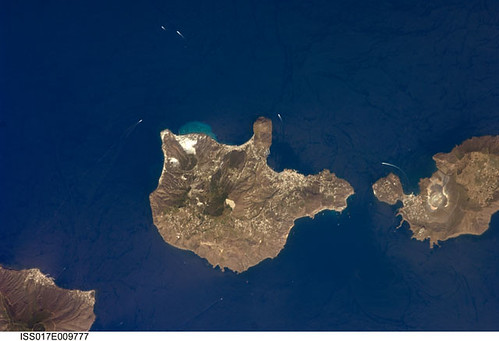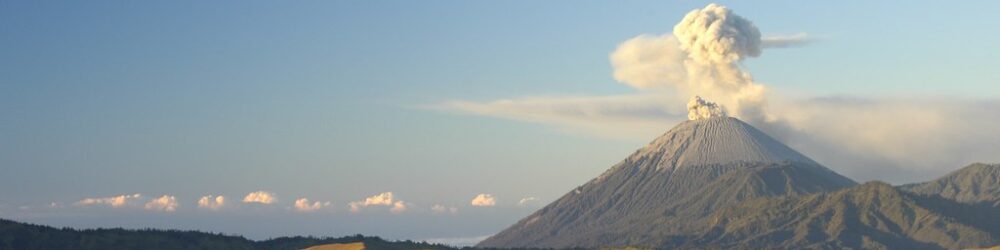

Trekking Lipari Volcano: A Complete Guide to Exploring Aeolian Islands’ Largest Volcanic Landscape
Discover the unique volcanic trails of Lipari, Italy’s largest Aeolian Island. This guide covers geology, hiking terrain, routes, safety, and cultural highlights for an easy yet captivating volcano trek.
Quick Volcano Snapshot
| Volcano type | Complex volcano |
|---|---|
| Elevation | 602 m |
| Location | Lipari, Aeolian Islands, Italy |
| Activity status | Dormant |
| Trekking difficulty | Easy |
| Typical trek duration | 2–4 hours |
| Altitude gain | Up to 400 m |
| Terrain type | Volcanic rock, pumice slopes, coastal trails |
| Best season | Spring to early autumn (April to October) |
| Temperature range | 15°C to 30°C |
| Permit requirement | No permit required for Lipari hikes |
Introduction: The Experience of Hiking Lipari Volcano
Approaching Lipari’s volcanic landscapes, hikers are greeted by a striking contrast between rugged lava formations and the vibrant Mediterranean vegetation. The island’s volcanic origins shape a terrain that feels both ancient and alive, with panoramic views over the Tyrrhenian Sea. Trekking here is a sensory journey through time, where the silence of dormant craters meets the whispers of history embedded in archaeological sites. Reaching viewpoints atop volcanic ridges offers an emotional crescendo, revealing the island’s layered geology and the surrounding Aeolian archipelago.
The Volcano Itself: Geological Background
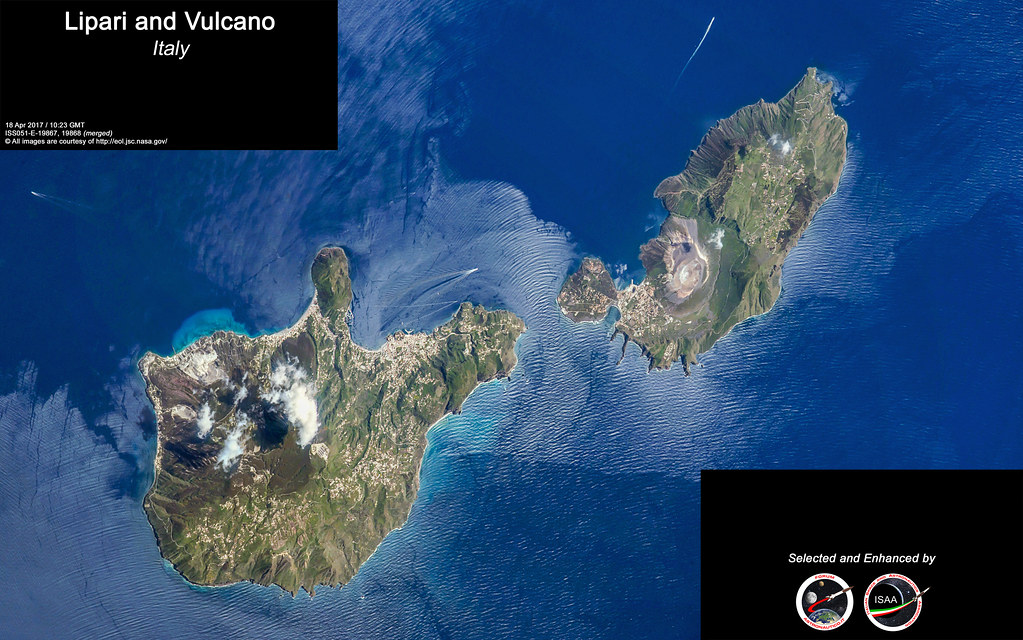
Lipari is a complex volcano formed through multiple eruptive phases over hundreds of thousands of years. Its structure includes overlapping lava domes, pumice deposits, and tuff layers. The island’s volcanic activity has created varied rock types, including obsidian and pumice, prized since antiquity. Though currently dormant, fumaroles and hydrothermal vents hint at lingering subterranean heat. The volcanic landscape is punctuated by ancient craters and calderas, with sulfur deposits and steam vents visible in some areas. This geology underpins Lipari’s unique terrain and rich archaeological heritage.
The Volcano Trek: Terrain and Hiking Experience
Hiking on Lipari is characterized by gentle ascents over volcanic rock, pumice slopes, and coastal paths. Trails are well-marked and mostly easy, suitable for families and casual trekkers. The terrain varies from firm lava fields to softer ash and pumice, requiring steady footing but minimal technical skill. Occasional rocky scrambles and steps add variety without demanding advanced climbing. The Mediterranean climate brings warm sun and cooling sea breezes, with occasional wind gusts near ridges. The volcanic soil supports sparse vegetation, creating open vistas and dramatic contrasts.

What Makes This Volcano Trek Unique
Lipari’s trek stands out for combining volcanic landscapes with rich cultural and archaeological sites. Hikers encounter ancient obsidian quarries, Roman ruins, and traditional villages along the trails. The island’s volcanic origins are visible in its pumice beaches and striking lava formations. Unlike more active volcanoes, Lipari offers a peaceful trekking experience with panoramic views of neighboring Aeolian islands. The opportunity to blend trekking with local wine tasting and culinary experiences adds a distinctive flavor to the adventure.
The Summit and Crater Experience
Reaching Lipari’s highest volcanic ridges rewards trekkers with sweeping views of the Tyrrhenian Sea and the Aeolian archipelago. Though the craters are dormant, their rugged rims tell stories of past eruptions. The air carries faint traces of sulfur, and the ground beneath reveals volcanic minerals and pumice stones. The summit areas offer quiet contemplation spots where the vastness of the sea meets the raw power of ancient volcanism. The experience is both humbling and inspiring, a moment to connect deeply with Earth’s geological forces.
Best Time to Trek Lipari Volcano
The ideal trekking season on Lipari spans from spring through early autumn, typically April to October. During these months, temperatures range comfortably between 15°C and 30°C, with minimal rainfall. Summer brings warm days and cooler sea breezes, perfect for combining hikes with beach visits. Avoid winter months when occasional storms and cooler weather can make trails slippery. Since Lipari is dormant, volcanic activity does not restrict access, but always check local weather forecasts for sudden changes.
Trekking Routes and Trail Options
Lipari offers several easy hiking routes suitable for all levels. Popular trails start from Lipari town, Marina Lunga, or Canneto beach. The circular trail around the southern part of the island passes through San Salvatore and San Bartolo al Monte, offering panoramic views and cultural stops. Another favored route leads to the Osservatorio Vulcanologico, an observatory with geological exhibits. Most hikes cover 5 to 10 kilometers with elevation gains up to 400 meters, taking between 2 and 4 hours. Guided tours are available but self-guided exploration is common and safe.

Difficulty Assessment
Lipari’s volcano treks are classified as easy, suitable for beginners and families. The terrain is mostly gentle with well-maintained paths and minimal technical challenges. Altitude is low, peaking around 600 meters, so altitude sickness is not a concern. Fitness levels required are moderate; casual walkers can complete most routes comfortably. The main considerations are sun exposure and uneven volcanic surfaces, which require sturdy footwear and sun protection.
Essential Volcano Trekking Gear
For trekking Lipari, essential gear includes sturdy hiking boots with good grip for volcanic rock and pumice, sun protection such as hats and sunscreen, and a windproof jacket for coastal breezes. Trekking poles can aid balance on loose terrain but are optional. Carry sufficient water, as natural sources are scarce on trails. A headlamp is useful for early morning or late afternoon hikes. While gas masks are unnecessary due to dormancy, a small first aid kit and a map or GPS device are recommended.
Safety and Volcanic Hazards
Lipari’s dormant status means volcanic hazards are minimal. However, hikers should remain cautious of loose volcanic scree and uneven rocky paths that can cause slips or falls. Coastal winds can be strong near ridges, so secure footing is essential. There are no active fumaroles or gas emissions posing risks on Lipari, unlike nearby Stromboli. Always follow marked trails and heed local advice. Emergency services are accessible from Lipari town. Check weather conditions before hiking to avoid sudden storms.
Permits, Guides, and Regulations
No permits or official guides are required for hiking on Lipari’s volcanic trails. The island’s protected status encourages responsible tourism but does not restrict access to hiking routes. Guided tours are available for those seeking expert geological insights or combined cultural experiences. Visitors should respect local regulations, avoid off-trail hiking in sensitive archaeological areas, and follow Leave No Trace principles. For Stromboli volcano nearby, guides and permits are mandatory, but Lipari remains open for independent exploration.
Where to Stay Near the Volcano
Accommodation options on Lipari range from charming guesthouses and eco-friendly lodges to family-run hostels and boutique hotels. Many are located near Lipari town or Marina Lunga, providing easy access to trailheads and ferry connections. For a more immersive experience, consider staying in smaller villages like Canneto or Pianoconte, which offer quieter atmospheres and local dining. Booking in advance is recommended during peak season. Facilities often include bike rentals and guided tour services.