
Trekking Nisyros Volcano: A Complete Guide to Greece’s Active Volcanic Caldera
Explore Nisyros, an active volcanic island in Greece’s Dodecanese, with this expert trekking guide. Discover the unique caldera landscape, accessible fumaroles, and easy hiking routes around the Stefanos crater. Learn about the volcano’s geology, trekking logistics, safety, and best seasons for your adventure.
Quick Volcano Snapshot
| Volcano type | Caldera volcano |
|---|---|
| Elevation | 698 meters |
| Location | Nisyros Island, Dodecanese, Greece |
| Activity status | Active, last eruption circa 1888 |
| Trekking difficulty | Easy to moderate |
| Typical trek duration | 45 minutes to 4 hours |
| Altitude gain | Approximately 300 meters |
| Terrain type | Volcanic ash, lava rock, caldera floor crust |
| Best season | May to September |
| Temperature range | 15°C to 30°C (59°F to 86°F) |
| Permit requirement | Small entrance fee for Stefanos crater; no special permits for island trails |
The Experience of Hiking Nisyros Volcano
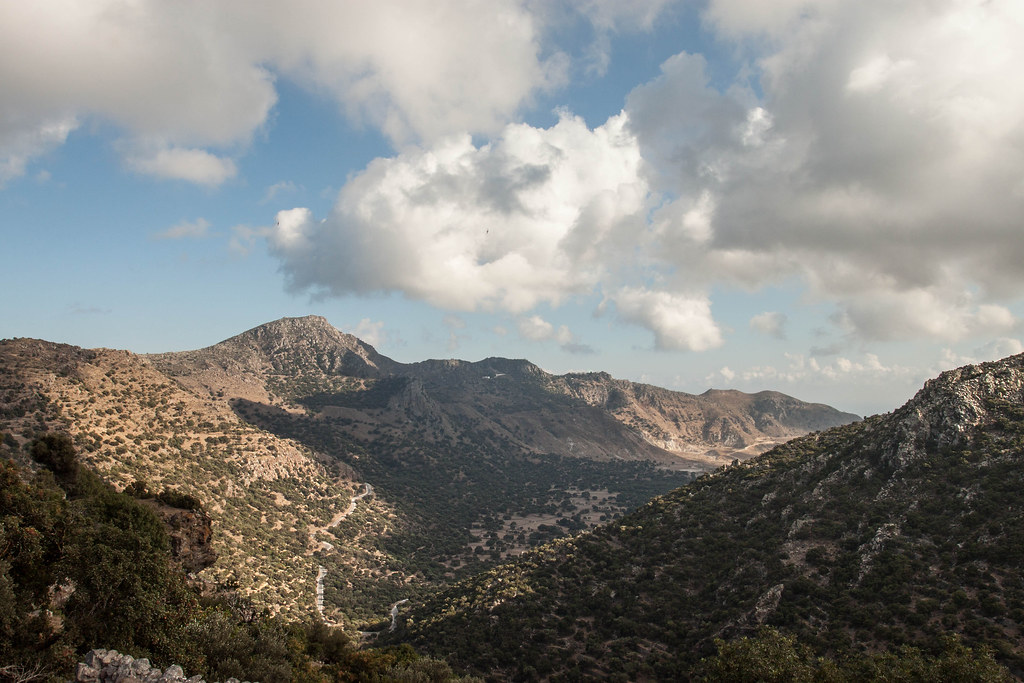
Nisyros Island is dominated by a vast volcanic caldera that shapes its unique landscape. Hiking here offers a rare chance to walk within an active volcanic environment. The contrast between whitewashed villages perched on the caldera rim and the sulfur-stained earth below creates a striking visual. As you descend into the Stefanos crater, the ground emits steam and sulfurous gases, immersing you in a dynamic geological setting. This trek connects you directly to the Earth's inner forces, offering both awe and insight.

Geological Background of Nisyros Volcano
Nisyros is a caldera volcano formed approximately 160,000 years ago through a series of explosive eruptions. Its 4-kilometer-wide crater was shaped by these violent events. The last recorded eruption occurred around 1888, leaving the volcano active but currently dormant. The caldera floor features fumaroles, mud pools, and extensive sulfur deposits, indicating ongoing hydrothermal activity. Volcanic minerals stain the rocks in vivid yellows and whites, while steam vents release gases from deep beneath the surface. This active geology provides a valuable window into Mediterranean volcanic processes.
Terrain and Hiking Experience on Nisyros
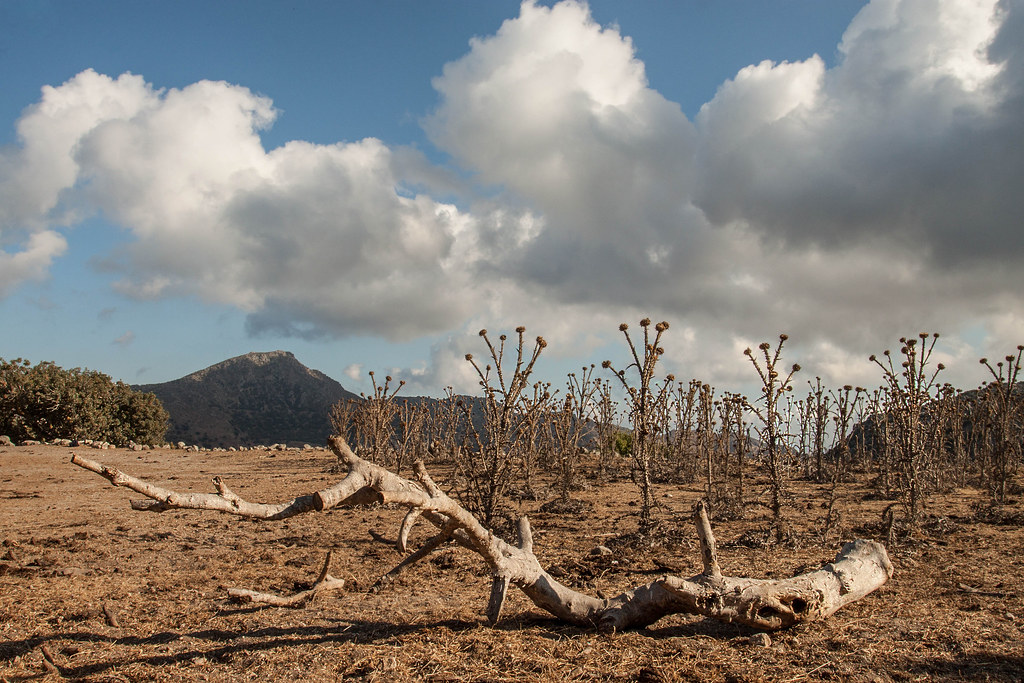
The hiking trails on Nisyros are well-marked and accessible, suitable for a wide range of fitness levels. Routes typically descend from villages such as Nikia into the crater, traversing varied terrain including loose volcanic ash slopes, solidified lava rock, and porous caldera floor crusts. Hikers must navigate carefully around steaming fumaroles and bubbling mud pools, requiring sturdy footwear and attentiveness. The moderate altitude minimizes elevation effects, but wind and temperature changes near the crater rim add an invigorating element to the trek.
What Makes the Nisyros Volcano Trek Unique
Nisyros offers one of the few opportunities worldwide to safely explore an active volcanic crater on foot. The Stefanos crater’s steaming fumaroles and bubbling mud pools create an otherworldly landscape rarely accessible elsewhere. The island’s blend of volcanic activity, traditional villages perched on the caldera rim, and panoramic views of the Aegean Sea combine geology and culture in a singular experience. The intense sulfur aromas and visible volcanic heat vents heighten the sensory connection to the Earth's inner workings.
The Summit and Crater Experience on Nisyros
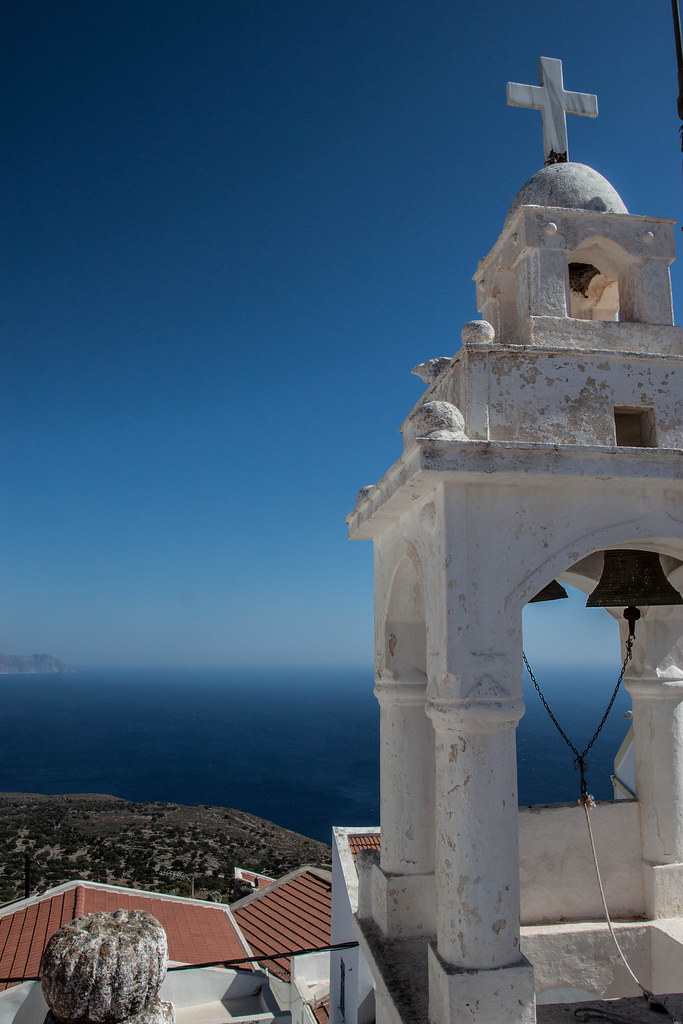
At the crater floor of Stefanos, hikers encounter a surreal environment marked by yellow sulfur crystals, steaming vents, and bubbling mud pools. The ground radiates warmth beneath your feet, and the air is thick with the sharp scent of sulfur. The occasional hiss of escaping gases punctuates the silence. Views from the crater rim reveal whitewashed villages and the expansive Aegean Sea beyond. This immersive experience offers a rare and humbling glimpse into active volcanic processes.
Best Time to Trek Nisyros Volcano
The optimal trekking season on Nisyros spans from May through September, when weather conditions are warm and dry. Summer months provide stable weather, while early mornings and late afternoons offer cooler temperatures and ideal lighting for photography. Winter and early spring are less favorable due to cooler temperatures and increased rainfall. Volcanic activity is continuously monitored, and access to the crater may be restricted during periods of heightened fumarole emissions or seismic events.
Trekking Routes and Trail Options on Nisyros
Popular trekking routes include the descent from Nikia village to the Stefanos crater, a 45-minute walk with moderate elevation loss. Another favored option is a circular trail connecting Mandraki, the caldera rim villages of Nikia and Emborios, and the crater floor, which takes approximately 3 to 4 hours to complete. Trails are well marked and suitable for self-guided hikers, though hiring a local guide can enrich the experience with geological insights. The paths range from paved village streets to volcanic ash and rocky terrain.
Difficulty Assessment of Nisyros Volcano Trek
Nisyros offers an easy to moderate volcano trek accessible to most fitness levels. The terrain is generally gentle but includes some uneven volcanic surfaces. No technical climbing skills are required. The low altitude reduces the risk of altitude sickness. The main challenges involve careful navigation around fragile crater floor areas and avoiding fumaroles. Overall, the trek is ideal for families, casual hikers, and geology enthusiasts seeking a safe yet engaging volcanic experience.
Essential Volcano Trekking Gear for Nisyros
Recommended gear includes sturdy hiking boots with good traction suitable for volcanic terrain, trekking poles to aid stability on loose ash, and gaiters to protect against volcanic dust. A windproof jacket is advisable near the exposed crater rim. Sun protection is essential due to limited shade; bring sunscreen, a hat, and sunglasses. Carry ample water and snacks for hydration and energy. A headlamp can be useful for early starts or late returns. Gas masks are generally unnecessary but exercise caution near strong fumarole vents.
Safety and Volcanic Hazards on Nisyros
Although Nisyros is an active volcano, eruptions are rare and closely monitored by Greek volcanological authorities. Potential hazards include toxic volcanic gases near fumaroles, unstable crust on the crater floor, and hot mud pools. Visitors must adhere to warning signs and remain on designated paths to ensure safety. Sudden weather changes and strong winds can occur near the caldera rim. It is important to check local advisories before trekking and consider hiring a guide for enhanced safety and interpretation.
Permits, Guides, and Logistics for Nisyros Trekking
Access to the Stefanos crater requires payment of a small entrance fee at the site. No special permits are needed for hiking the island’s trails. Guided tours are widely available and recommended for first-time visitors to improve safety and deepen geological understanding. Nisyros is accessible by ferry from Kos and Rhodes, with regular schedules during the tourist season. Local buses and taxis provide connections between villages and trailheads.
Where to Stay Near Nisyros Volcano
Accommodation options on Nisyros include guesthouses and small hotels in Mandraki, the island’s main harbor town, and the traditional village of Nikia located on the caldera rim. Eco-lodges and family-run hostels offer authentic local experiences. Staying in Nikia provides immediate access to crater trails and panoramic views, while Mandraki offers more amenities and transport links. Early booking is advised during the peak tourist season to secure preferred lodging.