
Mount Kilimanjaro Volcano Trekking Guide: Conquer Africa’s Highest Peak and Its Glacial Summit
Explore the ultimate trekking experience on Mount Kilimanjaro, Africa’s tallest dormant stratovolcano. This comprehensive guide covers geology, terrain, routes, safety, and logistics for adventurers seeking to summit the iconic Uhuru Peak and witness shrinking glaciers near the equator.
Quick Volcano Snapshot
| Volcano type | Dormant stratovolcano |
|---|---|
| Elevation | 5,895 meters (19,341 feet) |
| Location | Tanzania, East Africa |
| Activity status | Dormant |
| Trekking difficulty | Demanding |
| Typical trek duration | 6 to 9 days |
| Altitude gain | Approximately 3,700 meters (12,140 feet) |
| Terrain type | Rainforest, moorland, alpine desert, volcanic scree, glacial summit |
| Best season | December to March and June to October |
| Temperature range | -7°C to 20°C (19°F to 68°F) depending on altitude and season |
| Permit requirement | Mandatory Kilimanjaro National Park climbing permit |
The Experience of Hiking Mount Kilimanjaro
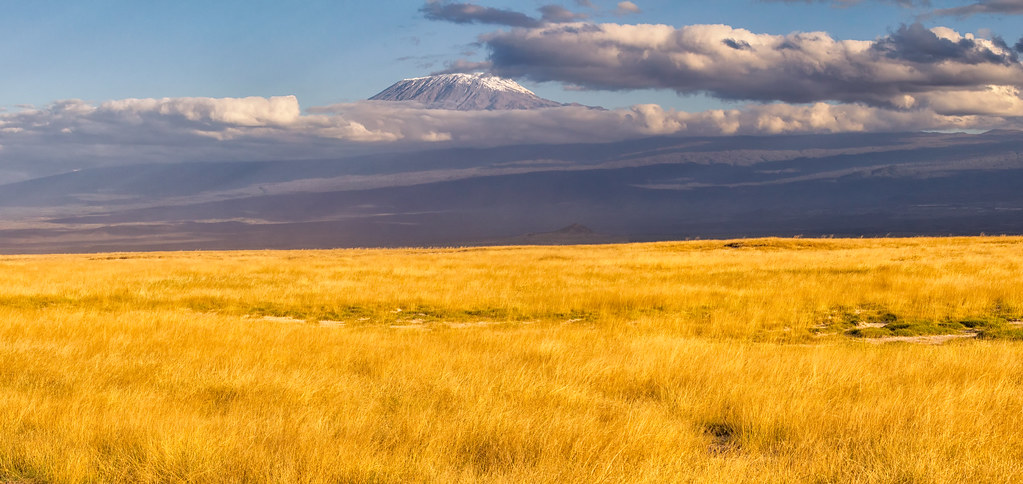
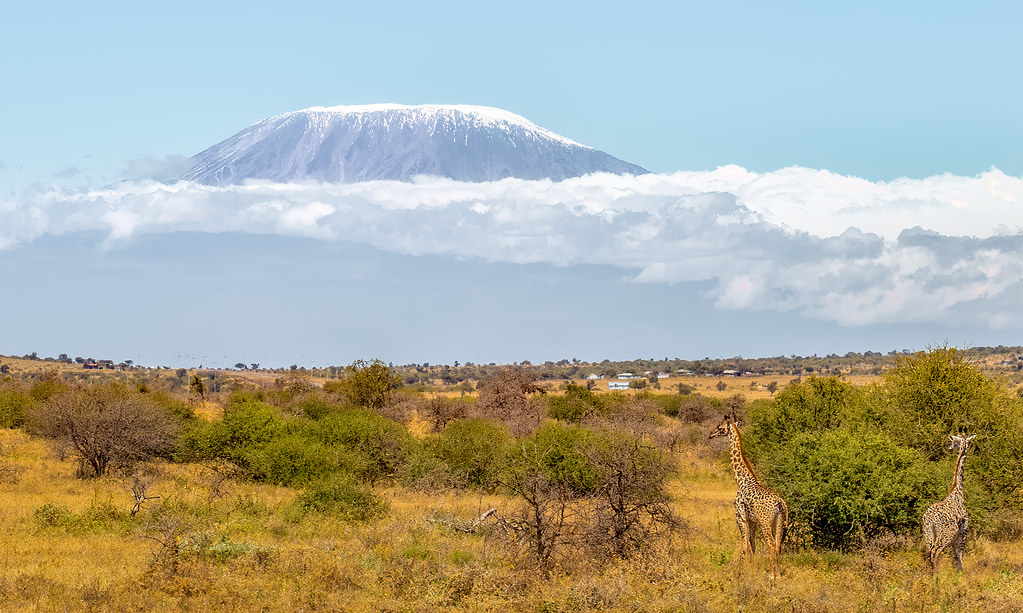
Mount Kilimanjaro rises majestically as Africa’s highest peak, offering trekkers a journey through diverse ecological zones. Starting in lush rainforests, hikers ascend through moorlands and alpine deserts before reaching the stark, icy summit. The contrast between vibrant greenery and barren volcanic landscapes creates a unique trekking experience. Standing atop Uhuru Peak, surrounded by shrinking glaciers, provides a profound sense of achievement and connection to the mountain’s volcanic heritage.
Mount Kilimanjaro: Geological Background
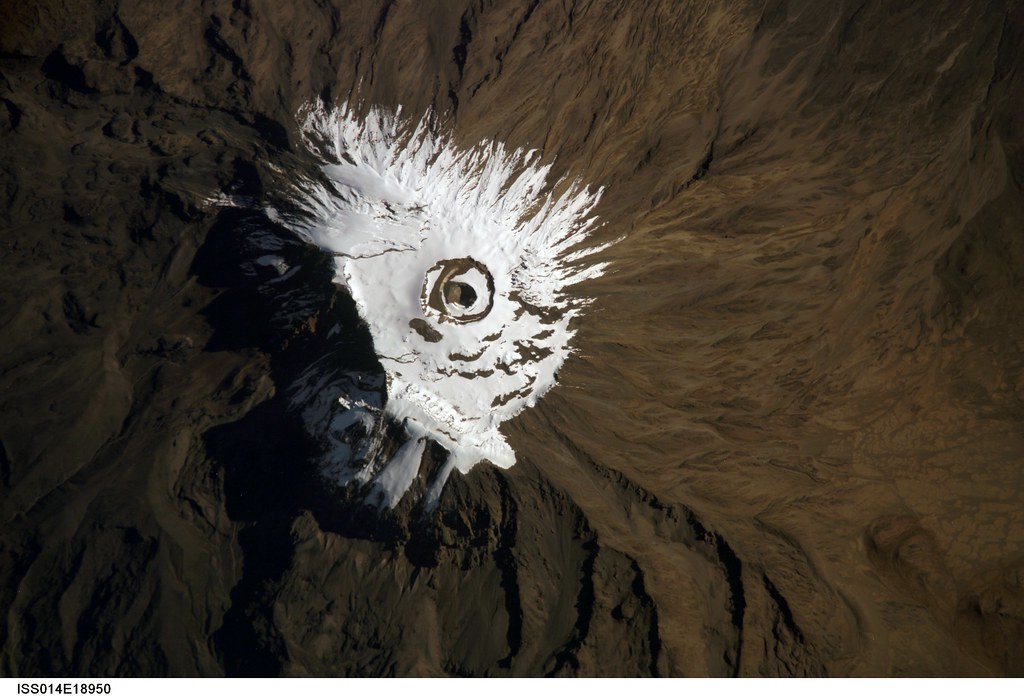
Kilimanjaro is a dormant stratovolcano formed over two million years ago along the East African Rift. It consists of three volcanic cones: Kibo, Mawenzi, and Shira. Kibo is the highest and contains the summit crater with remnants of glaciers and fumaroles. The mountain’s layered lava flows and volcanic minerals reveal a history of ancient eruptions, though no recent activity has been recorded. Kilimanjaro’s glaciers, such as the Furtwängler and Rebmann, are rapidly retreating due to climate change, marking a significant geological transformation near the equator.
Terrain and Hiking Experience on Kilimanjaro
The trek covers varied terrain including dense rainforest with high humidity, moorlands featuring giant groundsels and lobelias, alpine deserts of volcanic scree, and icy slopes near the summit. Hikers face steep ash and scree sections requiring careful footing and occasional rock scrambling. Weather conditions can change rapidly, with strong winds and temperature swings from warm days to freezing nights. Altitude effects intensify above 3,000 meters, demanding endurance and adaptability throughout the ascent.
What Makes Mount Kilimanjaro Trek Unique
Kilimanjaro stands as the tallest free-standing mountain in the world and Africa’s highest peak. Its glaciers near the equator create a rare combination of ice and tropical climate. The mountain’s distinct ecological zones—from rainforest to alpine desert—offer exceptional biodiversity. Unlike technical climbs, Kilimanjaro requires no specialized mountaineering skills, making it accessible to fit trekkers. The panoramic summit views, sunrise above the clouds, and the rich cultural heritage of the Chagga people enhance the trek’s uniqueness.
The Summit and Crater Experience
Reaching Uhuru Peak at dawn rewards trekkers with a spectacular sunrise illuminating the crater rim and vast African plains below. The air is thin, cold, and crisp, carrying a faint sulfur scent from fumaroles. The crater floor is icy and glistening, a fragile reminder of Kilimanjaro’s glacial past. The profound silence, broken only by the wind, evokes awe at the mountain’s dormant volcanic power and the dynamic forces shaping our planet.
Best Time to Trek Mount Kilimanjaro
The best times to trek Kilimanjaro are during the dry seasons from December to March and June to October. These months offer clearer skies, stable weather, and lower chances of rain or snow, reducing trail slipperiness and altitude sickness risks. Summit attempts are best started early in the morning to maximize clear views and safer conditions. Although Kilimanjaro is dormant, monitoring weather forecasts and park advisories remains important for a safe trek.
Trekking Routes and Trail Options
Seven main routes lead to Uhuru Peak, each with unique characteristics. The Lemosho Route is popular for its scenic variety and excellent acclimatization over 6 to 8 days. The Machame Route is challenging and favored for its dramatic landscapes. Rongai is the only northern approach, drier and less crowded. Marangu, known as the 'Coca-Cola' route, is the easiest but has lower summit success due to rapid ascent. Shira, Umbwe, and Mweka routes offer alternatives for different skill levels and preferences. All treks require mandatory guides for safety and logistics.
Difficulty Assessment of Kilimanjaro Trek
Kilimanjaro is a demanding trek primarily due to its high altitude and length. While no technical climbing skills are needed, steep scree slopes, significant altitude gain of nearly 3,700 meters, and unpredictable weather present challenges. Physical fitness, endurance, and proper acclimatization are essential for success. Altitude sickness is a common risk, making careful pacing and experienced guides critical. The trek is not recommended for beginners but is achievable for well-prepared hikers with moderate to high fitness levels.
Essential Volcano Trekking Gear for Kilimanjaro
Key gear includes sturdy, well-broken-in hiking boots with strong grip and ankle support. Trekking poles help maintain stability on scree slopes. Gaiters protect against volcanic ash and debris. Layered clothing is vital: moisture-wicking base layers, insulating mid-layers, and windproof, waterproof outer shells. Warm hats, gloves, and a reliable headlamp are essential for summit night. High UV exposure requires effective sun protection. Hydration systems and water purification methods are necessary. Some trekkers carry lightweight gas masks for occasional sulfur fumes near fumaroles.
Safety and Volcanic Hazards on Kilimanjaro
Although Kilimanjaro is dormant, hazards include altitude sickness, sudden weather changes, and rockfalls, especially near the Arrow Glacier area. Unstable scree and steep slopes demand caution. Volcanic gases are minimal but may be detected near fumaroles. Kilimanjaro National Park authorities monitor conditions closely, enforcing mandatory guides and rescue protocols. Trekkers must follow safety instructions, avoid risky areas, and maintain communication with guides. Proper acclimatization and physical preparation significantly reduce health risks.
Permits, Guides, and Logistics for Kilimanjaro Trekking
All climbers must obtain a Kilimanjaro National Park climbing permit through licensed tour operators. Permits cover park fees, camping, and rescue services. Hiring certified guides and porters is mandatory, ensuring safety and supporting the local economy. Logistics include transportation from Moshi or Arusha to trailheads, equipment rental, and acclimatization planning. Early booking is recommended, especially during peak seasons. Strict regulations protect the environment and promote responsible trekking practices.
Where to Stay Near Mount Kilimanjaro
Moshi and Arusha are the main base towns offering a wide range of accommodations from budget hostels to luxury lodges. Along trekking routes, eco-camps and mountain huts provide overnight stays. Many operators offer pre-trek lodging with acclimatization options. Staying near park gates allows early starts and easy access to trailheads. Combining Kilimanjaro treks with nearby safari lodges enhances the overall Tanzanian adventure experience.