
Mount Rungwe Volcano Trekking Guide: Exploring Tanzania’s Dormant Stratovolcano with Crater Lakes and Hot Springs
Discover the adventure of trekking Mount Rungwe, Tanzania’s majestic dormant stratovolcano in the Southern Highlands. This guide covers geology, trekking routes, terrain, unique crater lakes, hot springs, biodiversity, safety tips, best seasons, permits, and local accommodations for an unforgettable volcano hiking experience.
Quick Volcano Snapshot
| Volcano type | Stratovolcano |
|---|---|
| Elevation | 2,981 meters |
| Location | Southern Highlands, Tanzania |
| Activity status | Dormant |
| Trekking difficulty | Moderate |
| Typical trek duration | 8-10 hours (round trip) |
| Altitude gain | Approximately 1,200 meters |
| Terrain type | Tropical montane forest, volcanic ash slopes, crater lakes, hot springs |
| Best season | Dry season (June to October) |
| Temperature range | 6°C to 29°C depending on altitude |
| Permit requirement | Required (obtain at Tukuyu Municipal Office) |
The Experience of Hiking Mount Rungwe
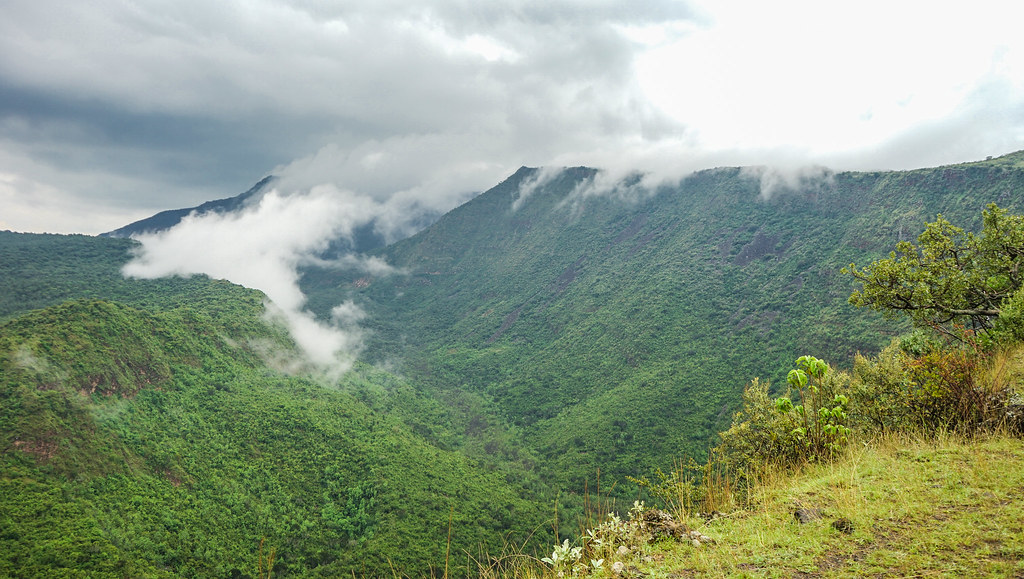
Approaching Mount Rungwe, the landscape shifts dramatically from lush tea plantations to dense tropical montane forests blanketing the dormant stratovolcano. The air is thick with the scent of damp earth and moss, while the towering peak looms above, crowned by shimmering crater lakes. Trekking here is a journey through geological time, where ancient lava flows meet vibrant biodiversity. The contrast between the rugged volcanic terrain and the surrounding verdant valleys evokes a profound sense of nature’s power and resilience. Reaching the summit, hikers are rewarded with breathtaking views of the Southern Rift Valley and the rare sight of Lake Ngosi, a crater lake shaped like the African continent. The emotional impact of standing on this silent giant’s rim, surrounded by steaming hot springs and endemic wildlife, is unforgettable.
Mount Rungwe: Geological Background
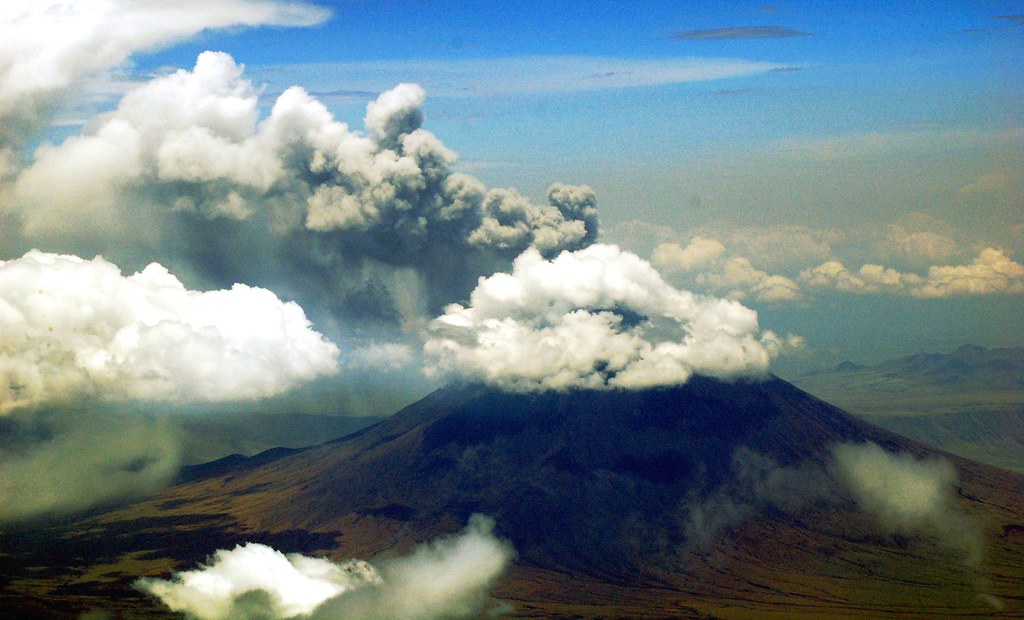
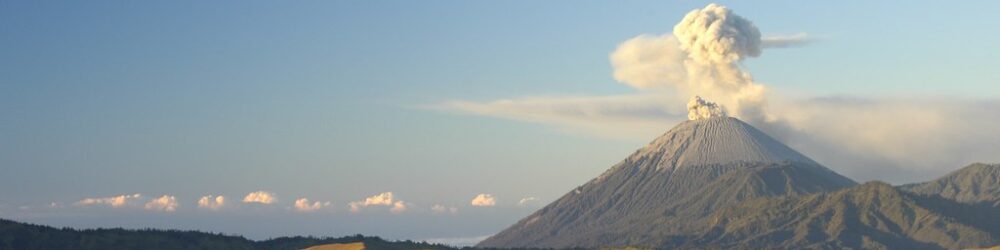
Mount Rungwe is a dormant stratovolcano forming the northern edge of the Southern Rift in the Great Rift Valley. Rising to 2,981 meters, it was shaped by successive eruptions that deposited layers of lava and ash. Its volcanic activity ceased thousands of years ago, leaving behind a complex landscape of crater lakes, fumaroles, and hot springs. The most notable crater lake, Lake Ngosi, is the second largest in Africa and sits atop the summit. The volcano’s soils are rich in volcanic minerals, supporting dense montane forests. Steam vents and sulfur deposits mark the remnants of its fiery past. This geological mosaic offers a rare glimpse into the dynamic processes that sculpt East Africa’s highlands.
Terrain and Hiking Experience on Mount Rungwe
The trek begins through thick montane forests with soft, mossy trails that gradually steepen. Hikers navigate volcanic ash slopes and patches of loose scree, requiring steady footing. The trail ascends through diverse vegetation zones, from lush lower forests to bamboo belts and heathlands near the summit. Occasional rocky outcrops demand light scrambling. Altitude effects become noticeable above 2,500 meters, with cooler temperatures and stronger winds. The terrain’s mix of soft volcanic soil and rugged rock creates a moderate challenge, rewarding trekkers with varied landscapes and rich biodiversity along the way.
What Makes Mount Rungwe Trek Unique
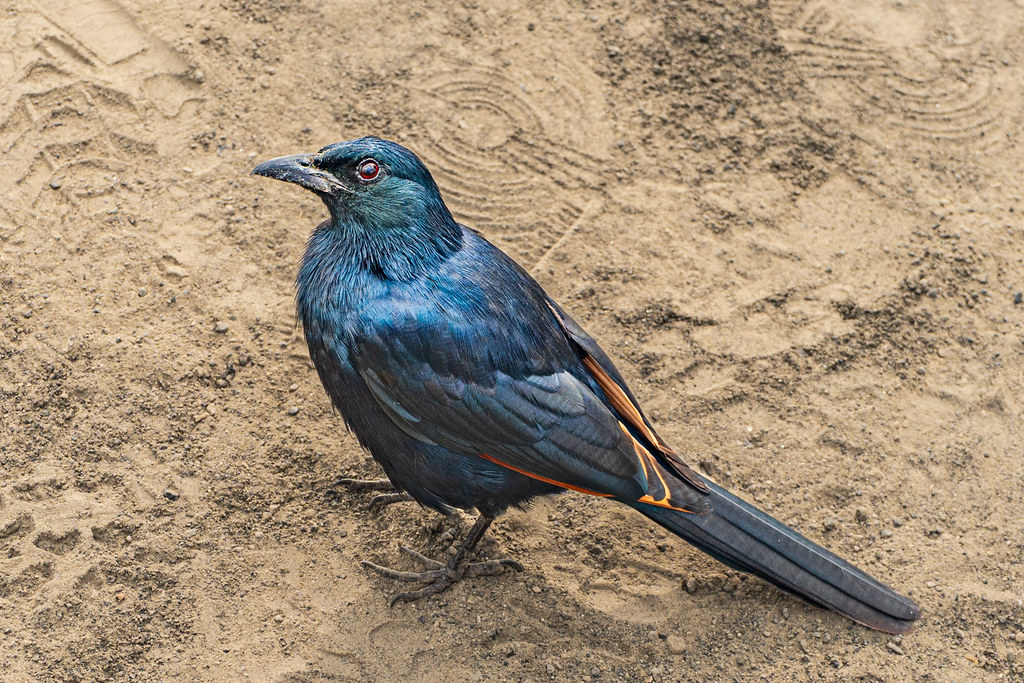
Mount Rungwe stands out for its combination of volcanic features and rich biodiversity. The presence of Lake Ngosi, a crater lake shaped like Africa, is a rare geological marvel. Hot springs and fumaroles add a sensory dimension with their warmth and sulfuric scents. The mountain’s forests shelter endemic species such as the critically endangered Kipunji monkey and the elusive Abbot’s duiker. The trek offers a blend of volcanic landscapes, wildlife encounters, and cultural insights from nearby Nyakyusa communities. This fusion of natural wonders and cultural heritage makes Mount Rungwe a truly distinctive volcano trekking destination.
Summit and Crater Experience on Mount Rungwe
Reaching the summit reveals a breathtaking panorama of the Southern Highlands and the Great Rift Valley. The crater rim encircles Lake Ngosi, whose deep blue waters contrast vividly with the surrounding greenery. Steam rises gently from hot springs near the crater edges, carrying the faint smell of sulfur. The ground beneath is warm in places, a reminder of the volcano’s dormant power. The silence is punctuated by the calls of rare primates and birds. Standing here, hikers feel the raw geological forces that shaped this landscape, surrounded by nature’s quiet grandeur.
Best Time to Trek Mount Rungwe
The optimal trekking season is during the dry months from June to October, when trails are less slippery and visibility is clear. The southeastern slopes receive heavy rainfall during the wet season, making paths muddy and challenging. Temperatures range from cool at higher elevations to warm in the lowlands, so layering is essential. Volcanic activity is dormant, but weather can change rapidly near the summit, with strong winds and sudden fog. Early morning starts are recommended to avoid afternoon clouds and to enjoy crisp views at sunrise.
Trekking Routes and Trail Options on Mount Rungwe
The primary route begins at the Syakula Rangers post near Tukuyu, where permits and guides are arranged. The trail covers approximately 10 kilometers round trip with an elevation gain of about 1,200 meters. It passes through montane forest, bamboo zones, and heathlands before reaching the summit crater. Guided treks are strongly advised due to overgrown and indistinct paths. Some trekkers opt for a day hike, while others camp overnight at Abasi Kandolo campsite to experience the forest ambiance. Alternative shorter forest walks are available but do not reach the summit.
Difficulty Assessment of Mount Rungwe Trek
Mount Rungwe is classified as a moderate volcano trek. The terrain involves steady ascents on soft volcanic ash and occasional rocky sections requiring basic scrambling. Altitude is moderate but can affect those unacclimated. No technical climbing skills are needed, but good fitness and surefootedness are essential. The trail’s overgrowth and navigation challenges make a guide necessary for safety. Overall, it suits hikers with some experience in mountain trekking seeking a rewarding but manageable adventure.
Essential Gear for Mount Rungwe Volcano Trekking
Key gear includes sturdy hiking boots with good grip for volcanic ash and rocky terrain, trekking poles to aid balance, and gaiters to protect against ash and mud. Layered clothing is vital to adapt to temperature changes, including a windproof and waterproof jacket. A headlamp is useful for early starts or camping. Carry sufficient water and sun protection, as shade is limited near the summit. A basic first aid kit and insect repellent are recommended. While volcanic gases are minimal, sensitive hikers may consider a lightweight respirator.
Safety and Volcanic Hazards on Mount Rungwe
Though dormant, Mount Rungwe’s volcanic terrain poses hazards such as unstable crater edges and loose scree. Sudden weather changes can reduce visibility and increase risk of slips. Volcanic gases are generally low but caution is advised near fumaroles and hot springs. Falling rocks may occur on steep slopes. Always trek with a guide familiar with local conditions. Follow Tanzania Forest Services Agency regulations and heed any official warnings. Emergency communication can be limited, so preparation and vigilance are essential.
Permits, Guides, and Logistics for Mount Rungwe Trek
Permits are mandatory and obtained at the Tukuyu Municipal Office, located near the NMB Bank. A guide is required for safety and navigation, available for approximately US$15 per group. The Tanzania Forest Services Agency manages the reserve and enforces regulations. Visitors should register at the Syakula Rangers post before starting the trek. Local tour operators and lodges can assist with arrangements. Planning ahead is recommended, especially during peak season, to secure guides and accommodations.
Where to Stay Near Mount Rungwe
Accommodation options include mountain lodges such as Rungwe Lodge near the base, offering comfortable rooms and scenic views. Camping is possible at designated sites like Abasi Kandolo within the reserve for an immersive experience. Nearby towns Tukuyu and Mbeya provide guesthouses and hotels ranging from budget to mid-range. Staying in Mbeya offers access to additional amenities and transport links. Early booking is advisable during high season. Local eco-camps and community-run guesthouses provide authentic cultural experiences close to trailheads.