
Mount Kenya Volcano Trekking Guide: Conquer Africa’s Second Highest Peak
Explore Mount Kenya, Africa’s dormant stratovolcano and second highest peak, through demanding trekking routes that traverse glaciers, alpine moorlands, and diverse ecosystems. This guide covers geology, terrain, routes, permits, safety, and essential gear for an unforgettable volcanic adventure.
Quick Volcano Snapshot
| Volcano type | Dormant stratovolcano |
|---|---|
| Elevation | 5,199 meters (17,057 feet) |
| Location | Central Kenya, East Africa |
| Activity status | Dormant |
| Trekking difficulty | Demanding |
| Typical trek duration | 4 to 6 days |
| Altitude gain | Approximately 3,000 meters |
| Terrain type | Montane forest, bamboo zones, alpine moorlands, volcanic scree, glacial moraine |
| Best season | January to March and June to October |
| Temperature range | -5°C to 20°C (23°F to 68°F) depending on altitude and season |
| Permit requirement | Kenya Wildlife Service park entry and camping permits required |
The Experience of Hiking Mount Kenya
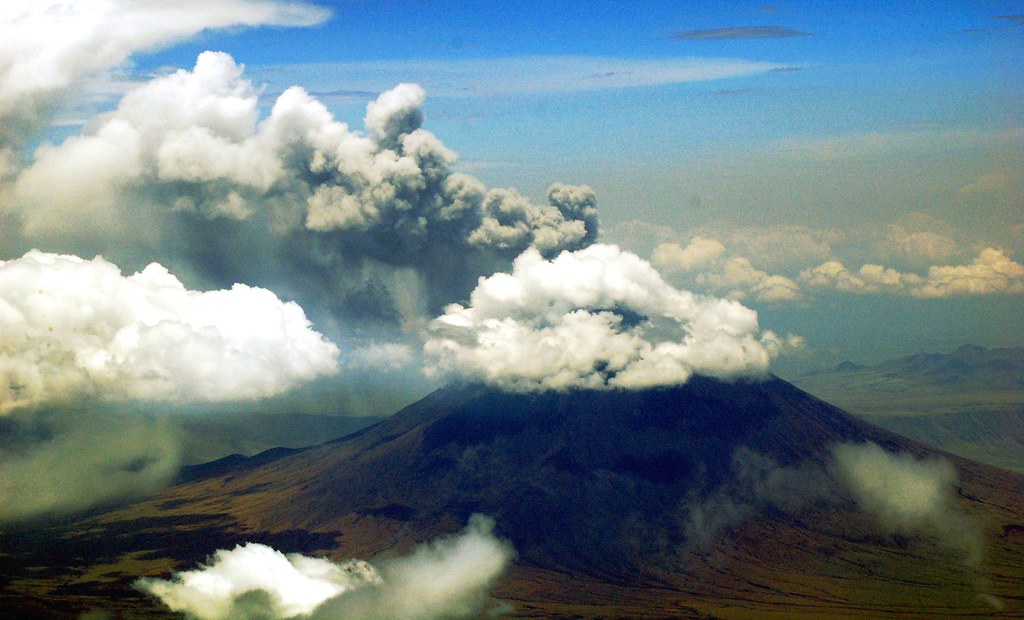
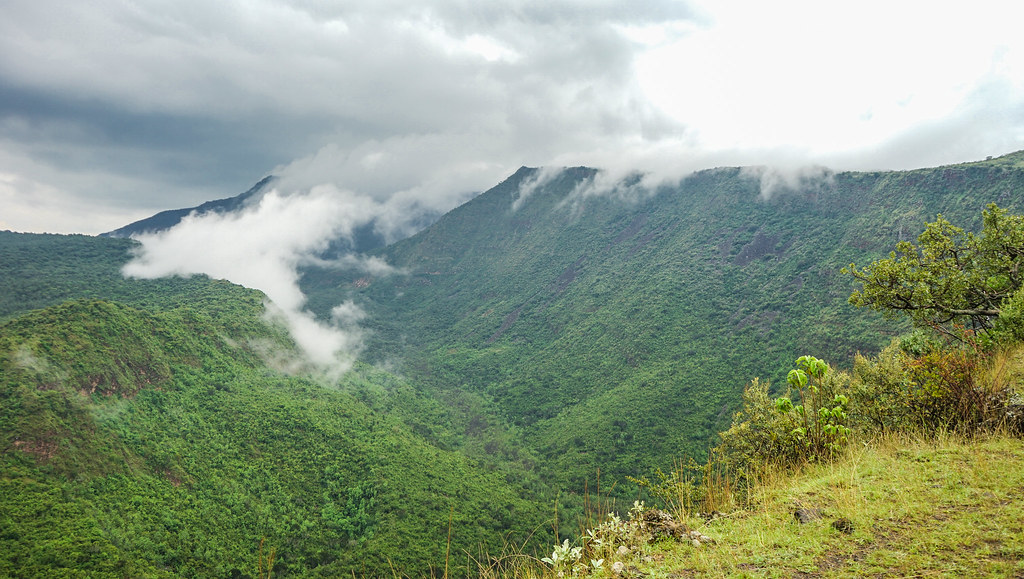
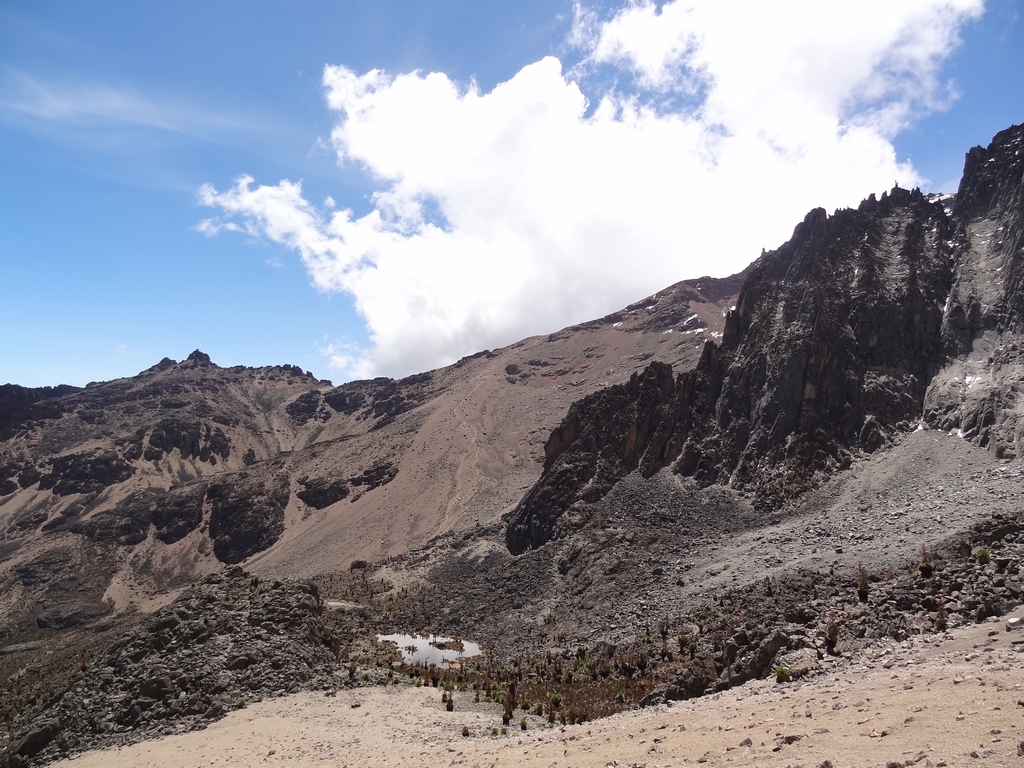
Approaching Mount Kenya, trekkers witness a dramatic transformation from lush montane forests to stark volcanic peaks capped with ancient glaciers. The jagged summits rise sharply, reflecting the mountain’s volcanic origins and glacial sculpting. Hiking here is a journey through diverse ecosystems, from dense bamboo groves to alpine moorlands adorned with giant lobelias and groundsels. Reaching the crater rim or the popular trekking summit, Point Lenana, rewards adventurers with breathtaking panoramic views and a profound sense of accomplishment amid Africa’s second highest peak.

Mount Kenya: Geological Background
Mount Kenya is a dormant stratovolcano formed approximately 3 million years ago following the opening of the East African Rift. Its last eruption occurred between 2.6 and 3.1 million years ago. The mountain’s core consists of crystalline volcanic rocks shaped by extensive glacial erosion, resulting in rugged peaks and deep valleys. Notable geological features include ancient lava flows, glacial moraines, fumaroles, and deposits of volcanic minerals. The glaciers atop Mount Kenya are rapidly retreating due to climate change, highlighting the mountain’s dynamic geological and environmental history.
Terrain and Hiking Experience on Mount Kenya
The trek covers a variety of terrains, beginning in montane forests rich with biodiversity, progressing through dense bamboo zones, and ascending into alpine moorlands characterized by uneven and sometimes boggy ground. At higher elevations, hikers encounter volcanic scree, loose rocks, and glacial moraine fields that require careful footing. Above 3,500 meters, altitude effects become pronounced, with thinner air and colder temperatures. Wind exposure near the summit can be intense. The terrain demands physical stamina, sure-footedness, and proper acclimatization to safely navigate steep slopes and rocky ridges.
What Makes Mount Kenya Trek Unique
Mount Kenya offers a unique blend of volcanic grandeur and ecological diversity. As Africa’s second highest peak, it retains glaciers on its jagged summits, a rarity on the continent. The trek showcases rare afro-alpine ecosystems, featuring giant lobelias and groundsels found only here. Unlike many volcanoes, Mount Kenya’s trekking summit, Point Lenana, is accessible without technical climbing, allowing trekkers to experience high-altitude volcanic landscapes and spectacular sunrise views above the clouds. Its designation as a UNESCO World Heritage Site underscores its global ecological and geological significance.
Summit and Crater Experience
Reaching Point Lenana or the crater rim is a sensory highlight of the trek. The thin, crisp air carries subtle scents of mineral-rich volcanic soils. From the summit, expansive views stretch across Kenya’s highlands and beyond, with glaciers glistening under sunlight. The silence is broken only by the crunch of volcanic scree underfoot and the whistle of alpine winds. Though dormant, the mountain’s volcanic past is evident in the rugged rock formations and glacial valleys framing the summit, offering a powerful connection to Earth’s geological forces.

Best Time to Trek Mount Kenya
The best trekking seasons are from January to March and June to October, when weather conditions are generally dry and stable. These periods provide clearer skies and safer trail conditions. Sudden weather changes, including cold snaps and strong winds, can occur at higher altitudes. The rainy seasons, April to May and November, are best avoided due to slippery trails and increased hypothermia risk. Early morning summit attempts are recommended to enjoy sunrise views and reduce exposure to afternoon storms.
Trekking Routes and Trail Options
Mount Kenya offers several established trekking routes. The Sirimon Route provides a scenic, gradual ascent ideal for acclimatization. The Naro Moru Route is the quickest but steepest path, favored by experienced trekkers. The Chogoria Route is longer and more challenging, renowned for spectacular landscapes including alpine lakes and diverse flora. Many trekkers combine routes to form circuit treks. All routes require Kenya Wildlife Service permits and camping fees. Both guided and self-guided options are available, though hiring guides is strongly recommended for safety and navigation.

Difficulty Assessment
Mount Kenya’s trek is classified as demanding due to its altitude, terrain, and duration. Ascending to Point Lenana requires good physical fitness and proper acclimatization to minimize altitude sickness risk. Technical climbing is necessary only for the highest peaks, Batian and Nelion, which are reserved for experienced mountaineers. Trekking routes involve steep slopes, loose scree, and variable weather conditions, making this a challenging but achievable high-altitude volcano trek for well-prepared hikers.
Essential Volcano Trekking Gear
Essential gear includes sturdy hiking boots with excellent grip, trekking poles for stability on scree and uneven terrain, and gaiters to protect against volcanic ash and mud. Layered clothing is crucial to manage temperature fluctuations, including windproof jackets and thermal layers. A reliable headlamp is necessary for early summit starts. Carry sufficient hydration systems and sun protection, as volcanic landscapes offer little shade. Gas masks are generally not required due to the volcano’s dormant status but check current conditions before trekking. Waterproof gear is recommended during rainy seasons.
Safety and Volcanic Hazards
Mount Kenya is dormant, so eruption risk is negligible. However, trekkers face hazards such as altitude sickness, unstable scree slopes, falling rocks, and sudden weather changes. Wildlife encounters in forest zones require caution. Staying on marked trails and following Kenya Wildlife Service guidelines is essential. Hiring guides enhances safety by monitoring health and navigating challenging terrain. Emergency evacuation plans should be prepared in advance. Always consult current park advisories before embarking on the trek.
Permits, Guides, and Logistics
Trekking Mount Kenya requires permits issued by Kenya Wildlife Service, including park entry and conservancy fees. Camping fees apply at designated sites along the routes. While hiking without a guide is permitted for groups of two or more, hiring licensed guides and porters is strongly advised for safety, support, and local knowledge. Permits can be obtained through official channels or reputable tour operators who also assist with logistics. Seasonal closures and park regulations must be observed to ensure a safe and legal trek.
Where to Stay and Nearby Bases
Key gateway towns for Mount Kenya treks include Nanyuki, serving the Sirimon Route, and Naro Moru, serving the Naro Moru Route. Both towns offer a range of accommodations such as budget hotels, guesthouses, and eco-lodges. Campsites along the trekking routes provide basic shelter and facilities, while some routes feature mountain huts with limited amenities. Booking accommodations in advance is recommended during peak trekking seasons. These towns also serve as logistical hubs for arranging permits, guides, and transport to trailheads.