
Climbing Mount Cameroon: The Ultimate Guide to Trekking West Africa’s Highest Active Volcano
Mount Cameroon, West Africa’s tallest active volcano, offers a demanding trek through lush rainforests, volcanic rock, and alpine meadows. This guide covers geology, routes, safety, gear, and cultural insights for an unforgettable ascent.
Quick Volcano Snapshot
| Volcano type | Stratovolcano |
|---|---|
| Elevation | 4,095 meters (13,435 feet) |
| Location | Southwest Cameroon, Central Africa |
| Activity status | Active |
| Trekking difficulty | Demanding |
| Typical trek duration | 1 to 3 days |
| Altitude gain | Approx. 3,000 meters |
| Terrain type | Tropical rainforest, volcanic rock, ash slopes, alpine meadows |
| Best season | November to April (dry season) |
| Temperature range | From tropical heat at base to near freezing at summit |
| Permit requirement | Mandatory park registration and certified guide |
The Experience of Hiking Mount Cameroon
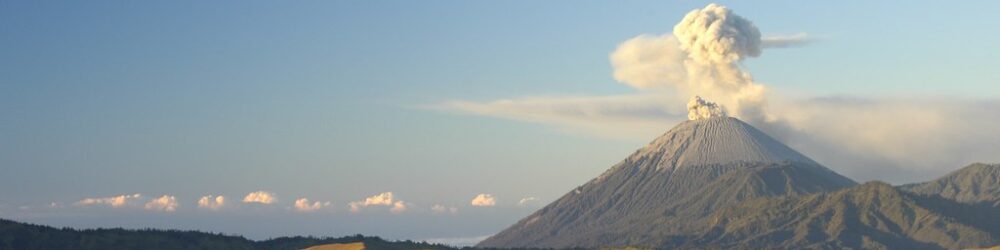
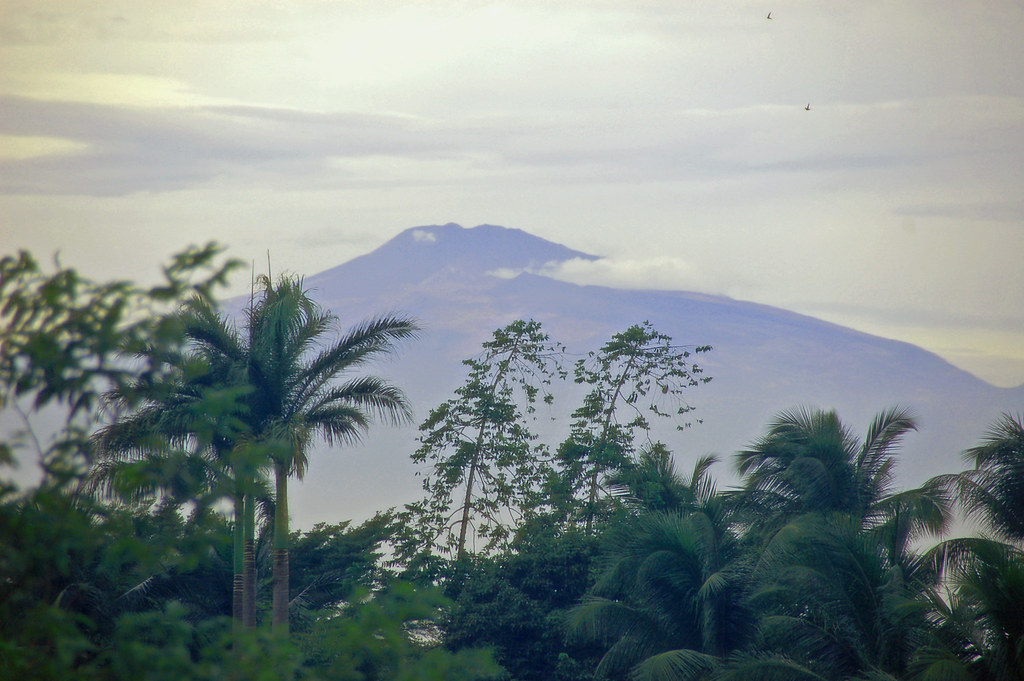
Approaching Mount Cameroon, the landscape shifts dramatically from dense tropical rainforest to stark volcanic rock and alpine meadows. The towering stratovolcano dominates the horizon, its summit often shrouded in mist. Trekking here is a visceral encounter with geological power — the earth’s fiery heart revealed in black lava flows and steaming fumaroles. The climb challenges body and spirit, culminating in the emotional triumph of standing atop West Africa’s highest peak, gazing over a vast panorama that stretches to the Atlantic Ocean.
Mount Cameroon: Geological Background
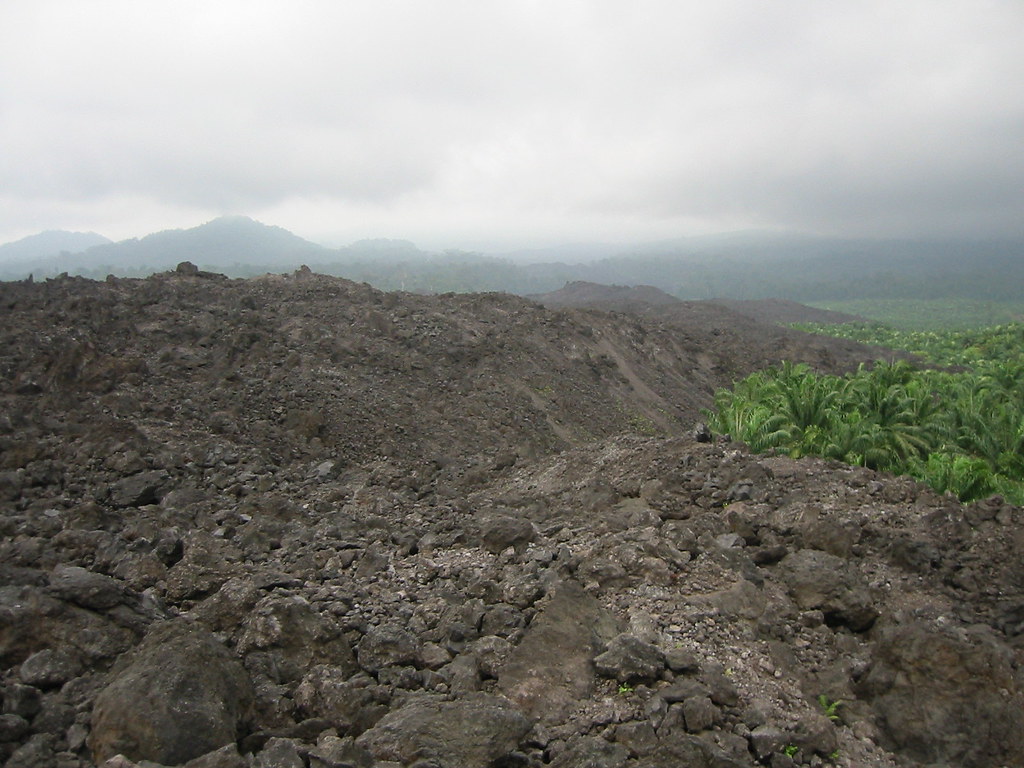
Mount Cameroon is a classic stratovolcano formed by successive eruptions building steep layers of lava and ash. It rises sharply from near sea level to 4,095 meters, shaped by frequent eruptions, the latest in 2012. The volcano features numerous cinder cones and craters along its flanks, with fresh lava fields marking recent activity. Fumaroles and sulfur deposits punctuate the summit area, releasing steam and volcanic gases. The mountain’s geology reveals a dynamic volcanic system, with mineral-rich soils supporting unique flora amid barren lava landscapes.
Terrain and Hiking Experience on Mount Cameroon
The trek traverses diverse terrain: humid tropical rainforest with slippery roots and mud, transitioning to rocky volcanic soil and loose scree slopes. Hikers face steep ascents, occasional scrambling over sharp lava rocks, and exposed ridges near the summit. Altitude effects become noticeable above 3,000 meters, with thinner air and colder winds. The trail demands sure footing and stamina, with rapidly changing weather adding to the challenge. Each ecological zone offers distinct sights and hiking conditions, making the journey as varied as it is demanding.
What Makes the Mount Cameroon Trek Unique
Mount Cameroon stands out as the highest active volcano in West Africa, combining intense volcanic activity with rich biodiversity. Its rapid ecological transitions—from lush rainforest to alpine moorland—occur within a single day’s hike. The presence of steaming fumaroles, fresh lava flows, and multiple craters creates a raw volcanic landscape rarely seen elsewhere. The annual Mount Cameroon Race of Hope adds a cultural dimension, showcasing human endurance against this volcanic giant. The trek’s blend of geological drama, natural beauty, and cultural heritage makes it a singular adventure.
The Summit and Crater Experience
Reaching Mount Cameroon’s summit is a sensory climax: cold, biting winds whip across the barren volcanic plateau. The ground is cracked and scarred by ancient craters and fumaroles emitting sulfurous steam. The sharp scent of sulfur fills the air, and the occasional hiss of escaping gases punctuates the silence. From this vantage point, panoramic views unfold—rolling hills, the Atlantic Ocean’s distant shimmer, and the vast volcanic landscape below. The summit’s stark beauty and elemental forces leave a lasting impression of nature’s power.
Best Time to Trek Mount Cameroon
The ideal trekking season runs from November to April, coinciding with the dry months. Trails are clearer, weather more stable, and visibility better for summit views. Avoid the rainy season (May to October) when trails become slippery, muddy, and hazardous. Early morning starts are recommended to avoid afternoon rains and to catch sunrise views. Volcanic activity is monitored continuously, and trekkers should heed official advisories to avoid periods of increased gas emissions or eruptions.
Trekking Routes and Trail Options
The primary route begins in Buea, ascending through tropical forest to Hut 1, then climbing steeply to Hut 2 or the Man’s Spring camp. From there, hikers push to Hut 3 and the summit. The full summit trek typically takes 2 to 3 days, with options for camping or staying in basic huts. Shorter rainforest trails offer half-day hikes to intermediate elevations for those seeking less strenuous experiences. Certified local guides are mandatory and provide navigation, safety, and cultural insights along all routes.
Difficulty Assessment of Mount Cameroon Trek
Mount Cameroon is classified as a demanding volcano trek. The steep elevation gain of approximately 3,000 meters, unstable volcanic scree, and variable weather require good physical fitness and hiking experience. Altitude sickness is a risk above 3,000 meters. The trail involves some scrambling and navigating loose volcanic rock, but no technical climbing gear is needed. Preparation, acclimatization, and a certified guide are essential for a safe ascent.
Essential Volcano Trekking Gear for Mount Cameroon
Key gear includes sturdy, broken-in hiking boots with ankle support and strong grip for rocky and slippery terrain. Trekking poles help with balance on steep slopes and scree. Layered clothing is vital to adapt from hot rainforest to cold summit conditions: moisture-wicking base layers, insulating mid-layers, and waterproof windproof shells. A headlamp is recommended for early starts. Carry sufficient water, high-energy snacks, sun protection, gloves, and a warm hat. A gas mask is generally not required but check current volcanic gas advisories.
Safety and Volcanic Hazards on Mount Cameroon
Volcanic gases such as sulfur dioxide can pose respiratory risks near fumaroles and craters. Trail sections may have unstable edges and loose scree increasing fall risk. Sudden weather changes can cause hypothermia or disorientation. Eruptions are infrequent but possible; official monitoring by Mount Cameroon National Park authorities and the Mount Cameroon Ecotourism Organisation provides real-time updates. Always trek with a certified guide, register at park offices, and follow safety protocols to mitigate hazards.
Permits, Guides, and Logistics for Mount Cameroon Trekking
A mandatory permit is issued by Mount Cameroon National Park, obtained by registering at the park office in Buea before the trek. Certified local guides are required by law to ensure safety and support local communities. Porters are available to carry gear within weight limits. Park fees contribute to conservation efforts. Seasonal closures or restrictions may apply during heightened volcanic activity. Booking through official channels guarantees compliance with regulations and enhances the trekking experience.
Where to Stay Near Mount Cameroon
Buea town serves as the main base for Mount Cameroon treks, offering guesthouses, lodges, and hotels with varying comfort levels. Some trekking operators provide eco camps or simple huts along the trail for overnight stays. Nearby villages like Debundscha offer local hospitality and supplies. Staying in Buea allows acclimatization and access to guides and permits. Accommodation ranges from budget hostels to mid-range lodges, catering to different traveler preferences.