
Climbing Mount Semeru: The Ultimate Technical Volcano Trekking Guide to Java’s Highest Peak
Mount Semeru, Java’s highest and most active stratovolcano, offers an intense technical trekking experience through volcanic landscapes, pine forests, and rugged lava terrain. This guide covers geology, routes, safety, permits, gear, and the unforgettable summit encounter with near-constant volcanic activity.
Quick Volcano Snapshot
| Volcano type | Stratovolcano |
|---|---|
| Elevation | 3,676 meters |
| Location | East Java, Indonesia |
| Activity status | Active |
| Trekking difficulty | Demanding technical mountaineering |
| Typical trek duration | 2-3 days |
| Altitude gain | Approximately 1,500 meters |
| Terrain type | Volcanic ash slopes, pumice fields, lava rock, pine forests |
| Best season | May to November (dry season) |
| Temperature range | 5°C to 20°C depending on altitude and time of day |
| Permit requirement | Mandatory permit from Bromo Tengger Semeru National Park |
The Experience of Hiking Mount Semeru
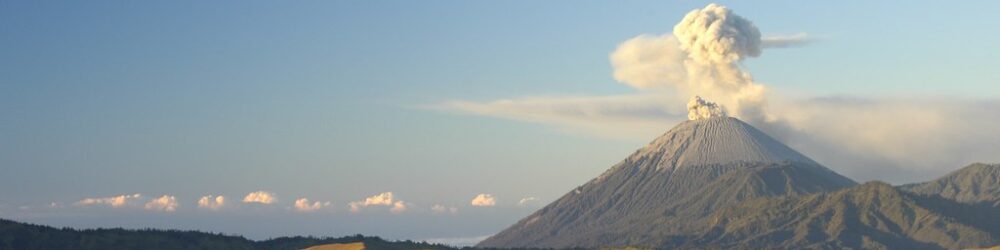
Approaching Mount Semeru, trekkers encounter a dynamic environment where the scent of sulfur fills the air and the earth subtly trembles beneath their feet. The trail begins amid dense pine forests and agricultural fields, gradually giving way to stark volcanic ash slopes and rugged lava terrain. Frequent ash emissions from the summit serve as a vivid reminder of the volcano’s persistent activity. Each step reveals the raw power of geological forces shaping the landscape, culminating in the emotional and sensory climax of standing at the crater rim surrounded by steaming fumaroles and sweeping panoramic views of Java’s volcanic chain.
Mount Semeru: Geological Background
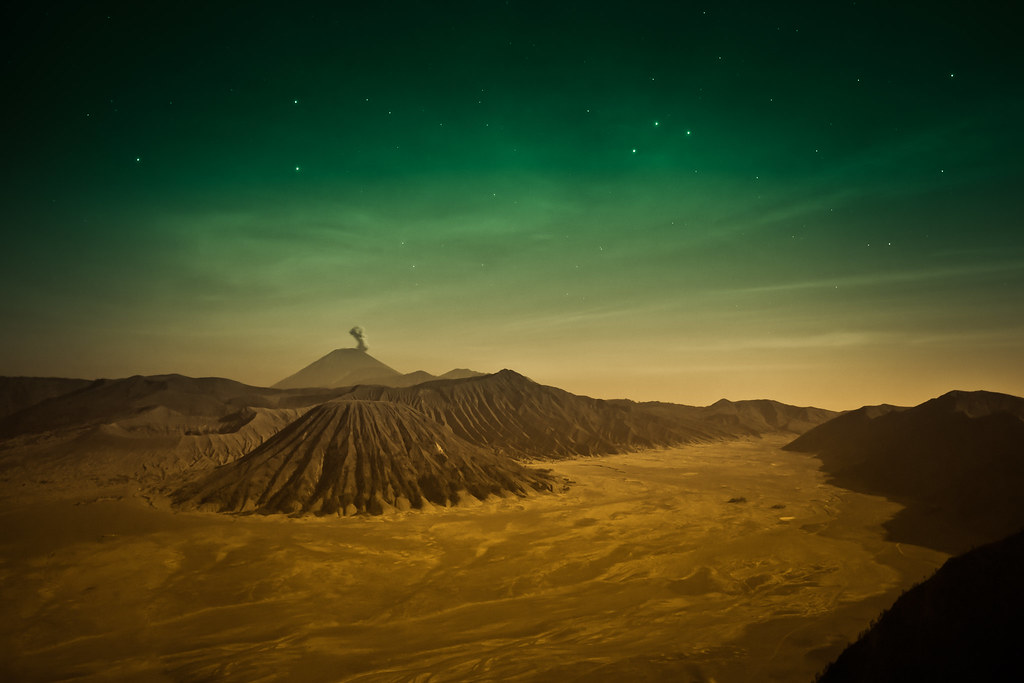
Mount Semeru is a prominent stratovolcano formed by the subduction of the Indo-Australian Plate beneath the Eurasian Plate. Its structure is built primarily from andesitic lava flows and pyroclastic deposits accumulated over thousands of years. Located at the southern edge of the Tengger volcanic complex, Semeru is part of a larger system that includes maars and crater lakes along its summit ridge. The volcano is characterized by frequent moderate eruptions, which produce ash plumes, lava flows, and pyroclastic surges. Sulfur deposits and fumaroles near the crater emit gases that color the terrain with vivid yellows and whites, contributing to the mountain’s distinctive appearance.
Terrain and Hiking Experience on Mount Semeru
The trek starts through lush pine forests and vegetable plantations, offering a gentle introduction to the mountain’s environment. As the trail ascends, the landscape transitions into open volcanic fields with loose pumice, hardened lava rocks, and ash-covered slopes. The final section near the summit is steep and technical, requiring careful footing on unstable volcanic material. Climbers face strong winds and significant temperature fluctuations at higher elevations. The last three kilometers to the crater rim challenge trekkers with altitude effects and exposure to volcanic gases, demanding heightened awareness and physical endurance.

What Makes Mount Semeru Trek Unique
Mount Semeru’s near-continuous volcanic activity distinguishes it from many other trekking destinations. Eruptions occur approximately every 20 to 30 minutes, sending ash clouds and glowing embers into the sky, creating a dramatic and ever-changing summit environment. As Java’s highest peak, it offers unparalleled panoramic views of the surrounding volcanic landscape. The trek traverses diverse ecosystems, from serene alpine lakes like Ranu Kumbolo to stark lava fields, and is steeped in local cultural legends that add spiritual significance. The combination of technical climbing on an active volcano and rich natural and cultural elements makes this trek a uniquely thrilling adventure.
Summit and Crater Experience
Reaching Mount Semeru’s summit is a powerful sensory experience. The crater emits sulfurous steam and ash, warming the ground beneath climbers’ boots. The sharp odor of sulfur mixes with the crisp mountain air, while frequent small eruptions send ash plumes skyward. The sounds of hissing gases and distant rumbling enhance the atmosphere of raw natural power. From the crater rim, trekkers enjoy sweeping views across the Tengger caldera and beyond, witnessing a dramatic volcanic landscape few have experienced so intimately.
Best Time to Trek Mount Semeru
The ideal time to trek Mount Semeru is during the dry season, from May to November, when trails are stable and weather conditions are generally favorable. The rainy season, spanning January to April, brings slippery paths, increased landslide risk, and potential trail closures. Volcanic activity is continuously monitored, and access may be restricted during periods of heightened alert. Early morning summit attempts are recommended to avoid stronger midday winds that can carry toxic volcanic gases down the trail.
Routes and Trail Options
The official and only permitted route begins at Ranu Pani village, situated at 2,117 meters elevation. The round-trip trek covers approximately 42 kilometers, passing through four checkpoints and two main campsites: Ranu Kumbolo (2,389 m) and Kalimati (2,700 m). The final ascent from Kalimati to the summit is a steep 3-kilometer climb over loose volcanic rock and ash. Guided treks are mandatory, with experienced local guides and porters available for hire. While an alternative route exists, it is rarely used and requires expert navigation skills, making the official trail the safest and most practical option.
Difficulty Assessment
Mount Semeru is classified as a demanding technical mountaineering trek. The terrain includes steep ash slopes, loose scree, and sections requiring scrambling over volcanic rock. The altitude gain exceeds 1,500 meters, with the summit reaching 3,676 meters, necessitating good physical fitness and proper acclimatization. Technical skills are essential for safe navigation near the active crater, where unstable terrain and volcanic gases pose additional hazards. This trek is not recommended for beginners and requires thorough preparation, appropriate gear, and strict adherence to safety protocols.
Essential Volcano Trekking Gear for Mount Semeru
Key gear for Mount Semeru includes sturdy hiking boots with excellent grip to handle loose volcanic terrain and trekking poles for stability. Volcanic ash gaiters protect against fine ash, while a windproof jacket guards against cold and wind at higher elevations. A respirator or gas mask is strongly recommended to protect against sulfur fumes near the crater. Headlamps are essential for pre-dawn summit climbs. Adequate hydration systems and sun protection are critical due to exposed trail sections. Warm layers and a high-quality sleeping bag are necessary for cold nights at the campsites.
Safety and Volcanic Hazards
Mount Semeru’s active status presents several risks, including toxic volcanic gases, sudden ash eruptions, unstable crater edges, and falling rocks. Trekkers must stay informed about volcanic activity through updates from Bromo Tengger Semeru National Park authorities. Strict regulations require health certificates and mandatory guides to enhance safety. Weather conditions can change rapidly, increasing hazards on steep slopes. Vigilance, adherence to official warnings, and following the guidance of experienced local guides are vital for a safe ascent.
Permits, Guides, and Logistics
A permit issued by Bromo Tengger Semeru National Park is mandatory for all trekkers, with a daily quota limiting hikers to 300 to preserve the environment and ensure safety. Registration requires a recent health certificate confirming fitness for high-altitude trekking. All groups must hire local guides and porters, who provide essential support and enhance safety. Permits and health checks are obtained in Ranu Pani village, the trailhead. Planning ahead is crucial, especially during peak seasons when permits sell out quickly. Local operators offer comprehensive trekking packages that include transport, equipment rental, and guide services.
Where to Stay Near Mount Semeru
Accommodation options are available in Ranu Pani village, the main trailhead, including guesthouses and homestays offering basic amenities. Along the trail, basic lodges and eco-campsites are located near Ranu Kumbolo and Kalimati campsites to support multi-day treks. Nearby towns such as Malang and Lumajang provide a wider range of hotels and hostels, with transport connections to the trail start. Booking accommodations and logistical support in advance is highly recommended during the dry season to ensure availability.