
Night Hiking Mount Stromboli: The Ultimate Guide to Europe’s Most Active Volcano Trek
Experience the thrilling night hike of Mount Stromboli, Europe’s only permanently active stratovolcano. This demanding trek offers spectacular views of frequent lava bursts and explosions, combining volcanic geology with an unforgettable adventure under the stars. Learn about the volcano’s geology, trekking routes, safety essentials, and why guided tours are mandatory for a safe and awe-inspiring ascent.
Quick Volcano Snapshot
| Volcano type | Stratovolcano |
|---|---|
| Elevation | 926 meters |
| Location | Aeolian Islands, Italy |
| Activity status | Active |
| Trekking difficulty | Demanding |
| Typical trek duration | 5-6 hours |
| Altitude gain | Approx. 900 meters |
| Terrain type | Volcanic ash slopes, lava rock, pumice |
| Best season | Late spring to early autumn (May to October) |
| Temperature range | 10°C to 25°C (varies with altitude and time) |
| Permit requirement | Guide mandatory above 290 meters |
The Experience of Hiking Mount Stromboli at Night
Approaching Mount Stromboli as dusk falls reveals a landscape transformed by fire and shadow. The barren black lava fields contrast starkly with the deep blue Mediterranean sea surrounding the island. As you ascend, the air thickens with the scent of sulfur and the distant rumble of the volcano’s heartbeat grows louder. The night hike culminates in a front-row seat to Stromboli’s iconic lava bursts—fiery explosions that punctuate the darkness with molten light. This is a raw encounter with Earth’s power, where every step brings you closer to the planet’s molten core.
Mount Stromboli: Geological Background
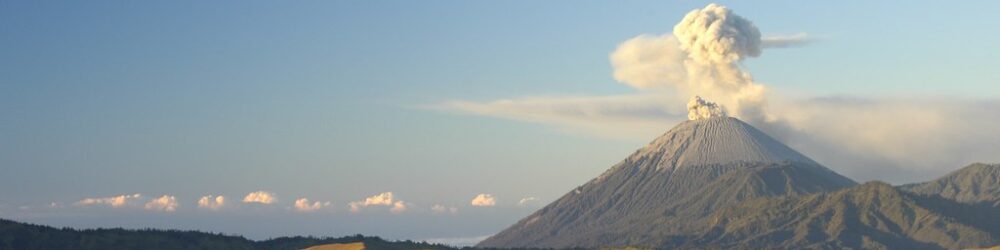
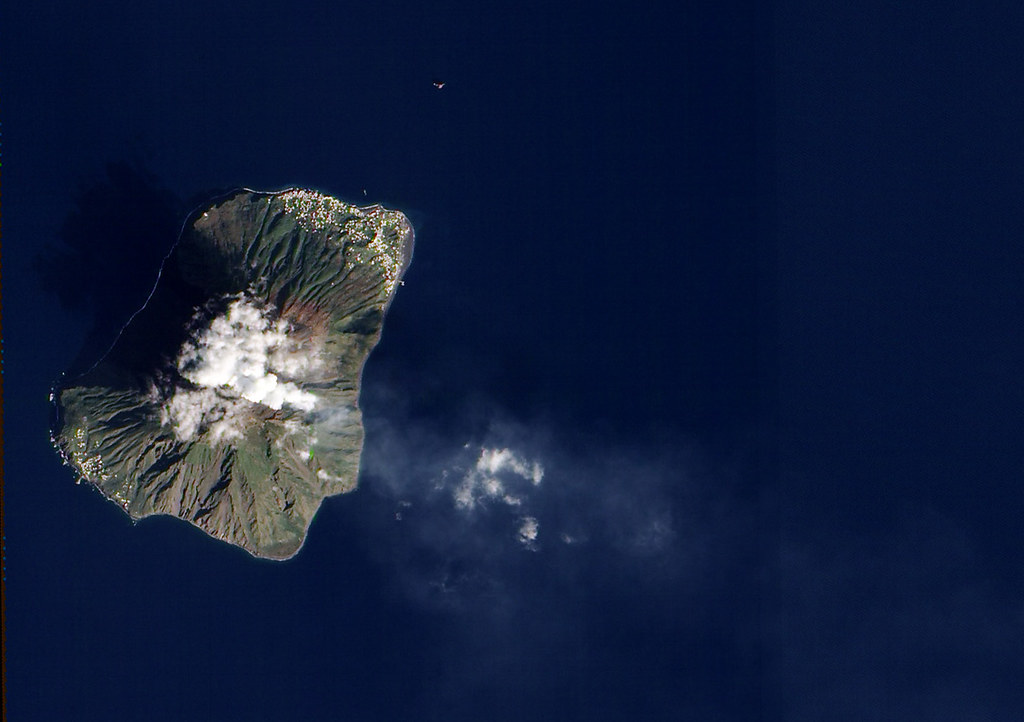
Mount Stromboli is a classic stratovolcano formed by layers of hardened lava, ash, and volcanic bombs. Its continuous activity, known as Strombolian eruptions, features regular bursts of lava and gas every 10 to 30 minutes. The volcano rises 926 meters above sea level but extends thousands of meters below the sea floor. Its summit hosts multiple craters emitting steam, sulfur gases, and incandescent lava. The Sciara del Fuoco, a steep lava slope on the volcano’s flank, channels recent lava flows into the sea. This dynamic geology creates a constantly evolving volcanic landscape rich in basaltic minerals and fumarolic activity.
Terrain and Hiking Experience on Stromboli
The trek to Stromboli’s summit is steep and rugged, traversing loose volcanic ash, pumice, and jagged lava rocks. The path winds through sparse vegetation before giving way to barren slopes marked by black volcanic sand and sharp stones. Hikers face variable footing, requiring careful steps on scree and occasional scrambling over rocky outcrops. Altitude effects are mild but combined with the physical challenge of the ascent and cooling night temperatures, the hike demands good fitness and stamina. Winds near the summit can be strong, carrying sulfurous fumes that add to the intense volcanic atmosphere.
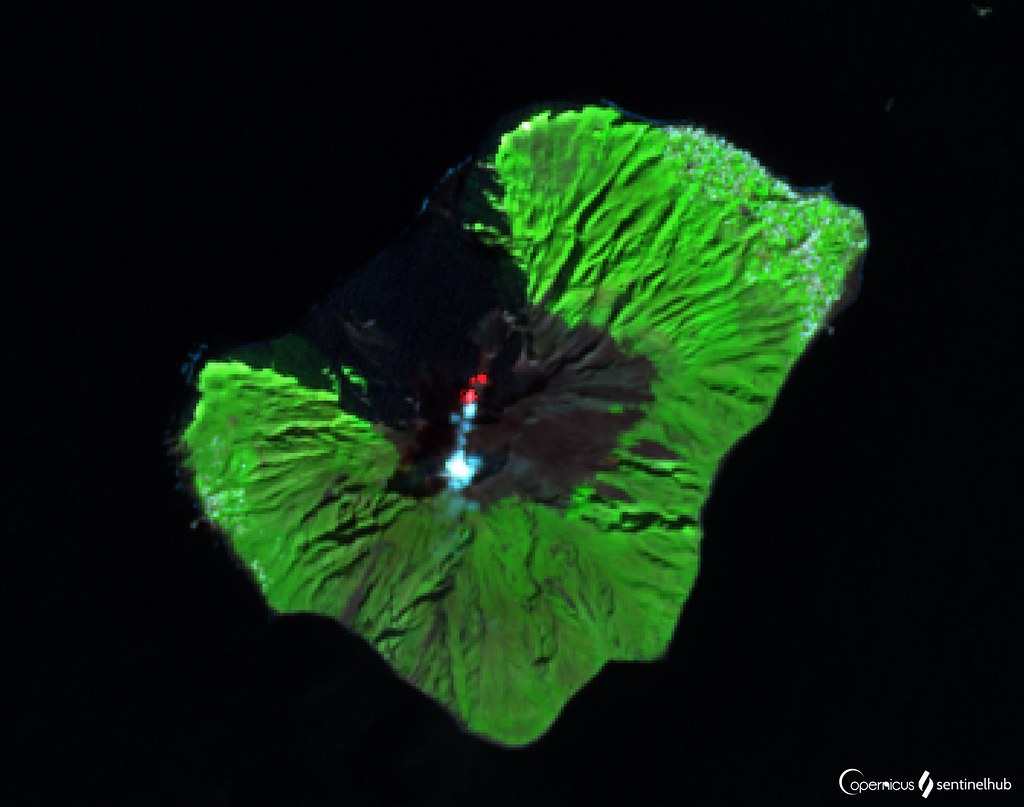
What Makes the Stromboli Night Trek Unique
Stromboli’s night hike is unparalleled for witnessing live volcanic eruptions up close. Unlike dormant or less active volcanoes, Stromboli’s persistent lava bursts create a natural fireworks display visible from the summit. The interplay of glowing lava, dark skies, and the Mediterranean backdrop offers a sensory spectacle unmatched anywhere in Europe. The hike’s timing—starting late afternoon and culminating after dark—adds an element of mystery and anticipation. The volcano’s nickname, the “Lighthouse of the Mediterranean,” reflects its constant fiery glow guiding sailors for millennia.
The Summit and Crater Experience
Reaching the summit viewpoint, hikers stand on the edge of a living volcano. The air vibrates with low rumbles and the sharp crack of explosions. Sulfurous steam rises from fumaroles, carrying a pungent, almost electric scent. Lava bursts shoot incandescent fragments hundreds of meters into the sky, illuminating the crater rim in fiery orange and red. The panoramic view stretches across the Aeolian Islands and the Tyrrhenian Sea, framed by the night sky. This sensory immersion—heat, sound, smell, and sight—creates a profound connection to Earth’s primal forces.
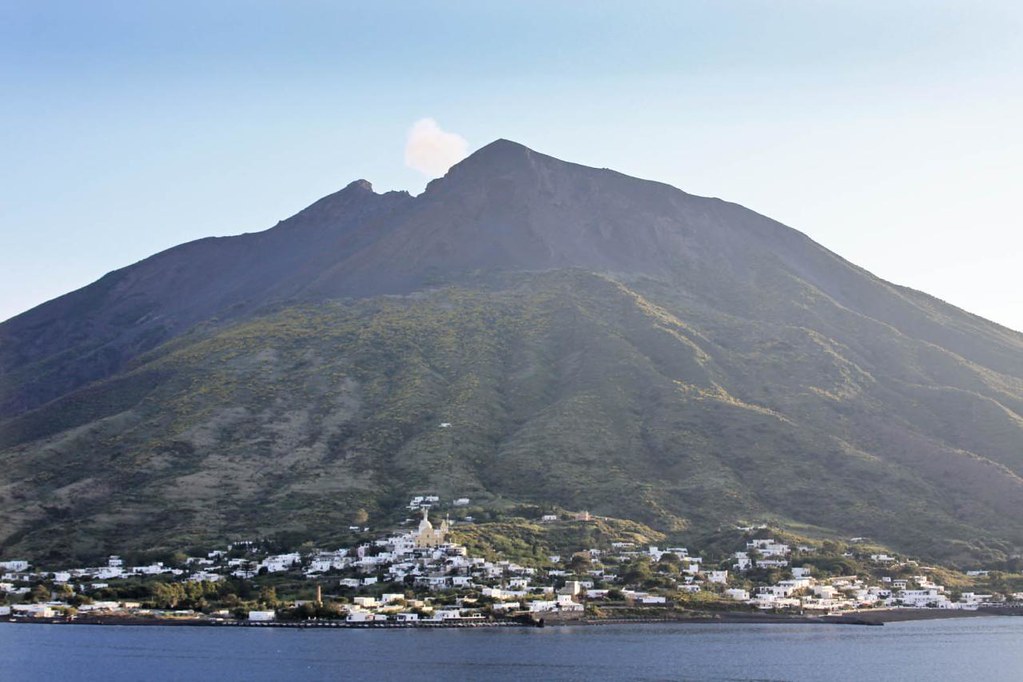
Best Time to Trek Mount Stromboli
The ideal trekking season runs from late spring through early autumn (May to October), when weather is stable and temperatures are moderate. Summer evenings offer clear skies for optimal viewing of volcanic activity. Winter months bring cooler temperatures and increased volcanic hazards, often leading to trail closures. Night hikes are scheduled to coincide with sunset and early darkness for the best eruption visibility. Volcanic activity is monitored continuously, and access may be restricted during heightened alert levels to ensure safety.
Trekking Routes and Trail Options
The primary route for the night hike starts from Stromboli village and ascends approximately 900 meters over 5-6 hours round trip. The trail passes through lush lower slopes before entering volcanic desert terrain. Due to safety regulations, hikers must be accompanied by certified guides beyond 290 meters altitude. Guided tours typically include equipment rental and safety briefings. Alternative shorter hikes reach a 400-meter viewpoint overlooking the Sciara del Fuoco, offering eruption views without summit access. Self-guided hiking above 290 meters is prohibited for safety reasons.
Difficulty Assessment
Mount Stromboli’s night hike is classified as a demanding volcano trek. The steep ascent, loose volcanic terrain, and nighttime conditions require good physical fitness and sure-footedness. The altitude is moderate but combined with the challenging terrain and exposure to volcanic gases, it is unsuitable for beginners. No technical climbing skills are necessary, but hikers should be prepared for uneven ground and variable weather. Certified guides ensure safety and manage risks associated with active volcanic environments.
Essential Volcano Trekking Gear
Key gear includes sturdy hiking boots with excellent grip for loose volcanic ash and rocks, trekking poles for stability, and gaiters to protect against ash infiltration. A windproof and warm jacket is essential for summit conditions. Headlamps with extra batteries are critical for night navigation. Due to volcanic gases, a lightweight respirator or gas mask is recommended. Hydration packs and sun protection are necessary for daytime portions. Renting safety helmets and protective gear from local providers is common and advisable.
Safety and Volcanic Hazards
Stromboli’s continuous eruptions pose risks including falling volcanic bombs, sudden explosions, and exposure to toxic gases like sulfur dioxide. The crater edges can be unstable, and loose scree increases the chance of slips and falls. Weather can change rapidly, with strong winds and temperature drops at altitude. Hiking without a certified guide above 290 meters is illegal and dangerous. Monitoring agencies provide real-time alerts, and guided tours follow strict evacuation protocols. Hikers must remain vigilant and follow all safety instructions.
Permits, Guides, and Logistics
Access above 290 meters requires a certified guide by Italian law, ensuring compliance with safety regulations. Permits are included in guided tour fees, which typically range around €30-50 per person. Groups are limited in size for safety. Booking in advance is essential, especially in peak season. Guides provide helmets, gas masks, and safety briefings. The trailhead is in Stromboli village, accessible by ferry from Sicily or mainland Italy. Local operators offer equipment rental and transport coordination.
Where to Stay Near Mount Stromboli
Accommodation options on Stromboli island include small guesthouses, eco-lodges, and boutique hotels in the main village. Staying near the trailhead allows easy access to guided hikes departing in late afternoon. Some lodges offer packages including guided tours and gear rental. Nearby islands like Lipari and Salina provide additional lodging with ferry connections to Stromboli. Booking early is recommended due to limited capacity and high demand during the trekking season.