
Hiking Mount Teide: The Ultimate Volcano Trekking Guide to Spain’s Highest Peak
Mount Teide, a dormant stratovolcano towering at 3,715 meters, is Spain’s highest peak and the third largest volcano in the world from its base. This guide covers everything from geological insights and trekking routes to permit requirements and safety tips, offering an expert yet adventurous roadmap for hiking this iconic volcanic giant in Tenerife’s Teide National Park.
Quick Volcano Snapshot
| Volcano type | Stratovolcano |
|---|---|
| Elevation | 3,715 meters |
| Location | Tenerife, Canary Islands, Spain |
| Activity status | Dormant |
| Trekking difficulty | Moderate |
| Typical trek duration | 6 to 8 hours round trip |
| Altitude gain | Approximately 1,390 meters |
| Terrain type | Volcanic ash slopes, lava rock, pumice, scree |
| Best season | Spring to early autumn |
| Temperature range | -2°C to 20°C depending on season and altitude |
| Permit requirement | Required for summit access |
The Experience of Hiking Mount Teide
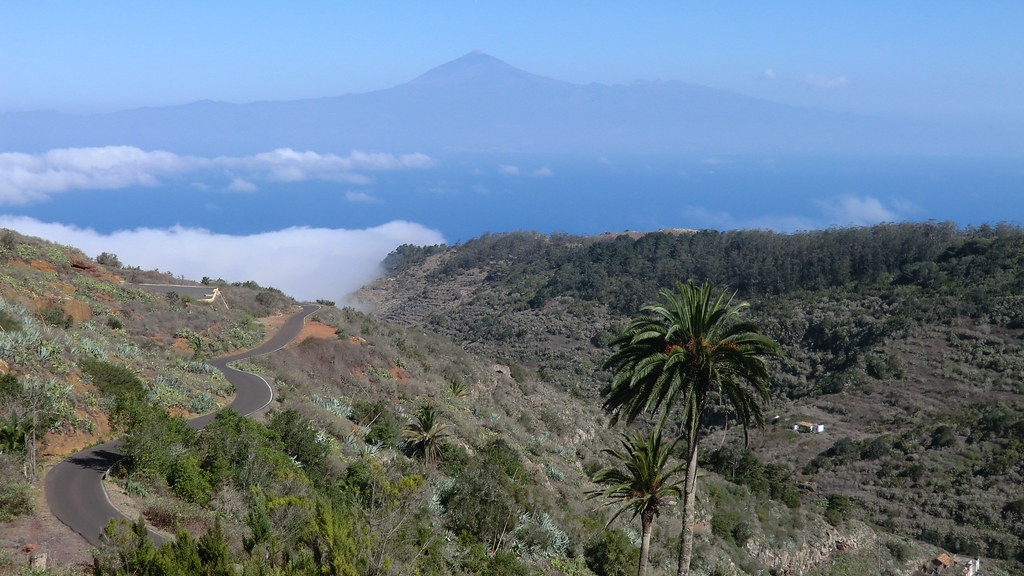
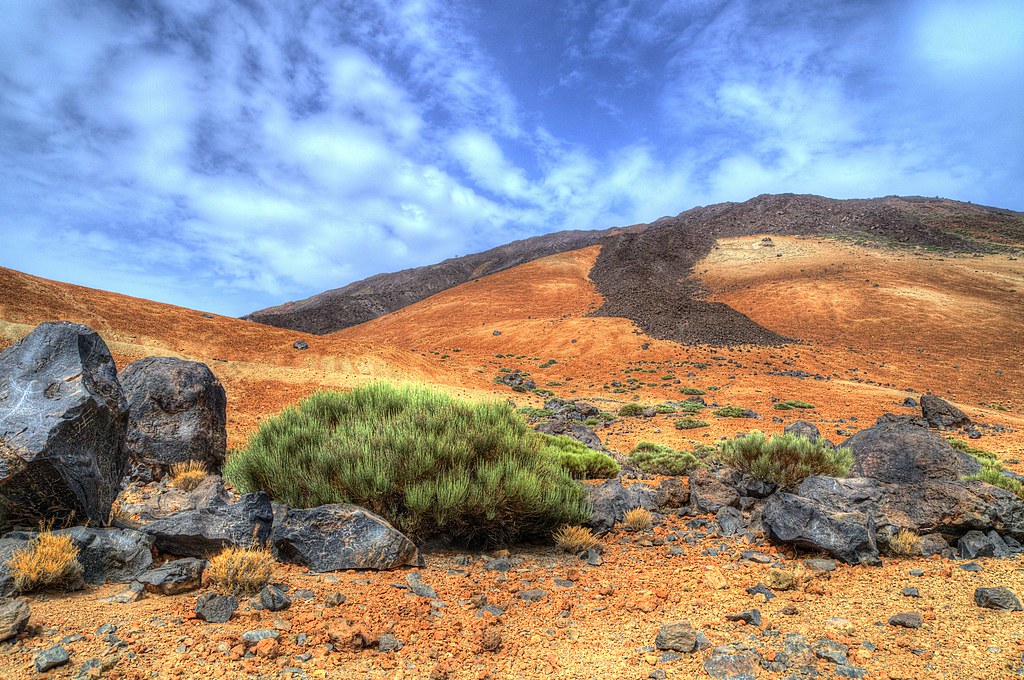
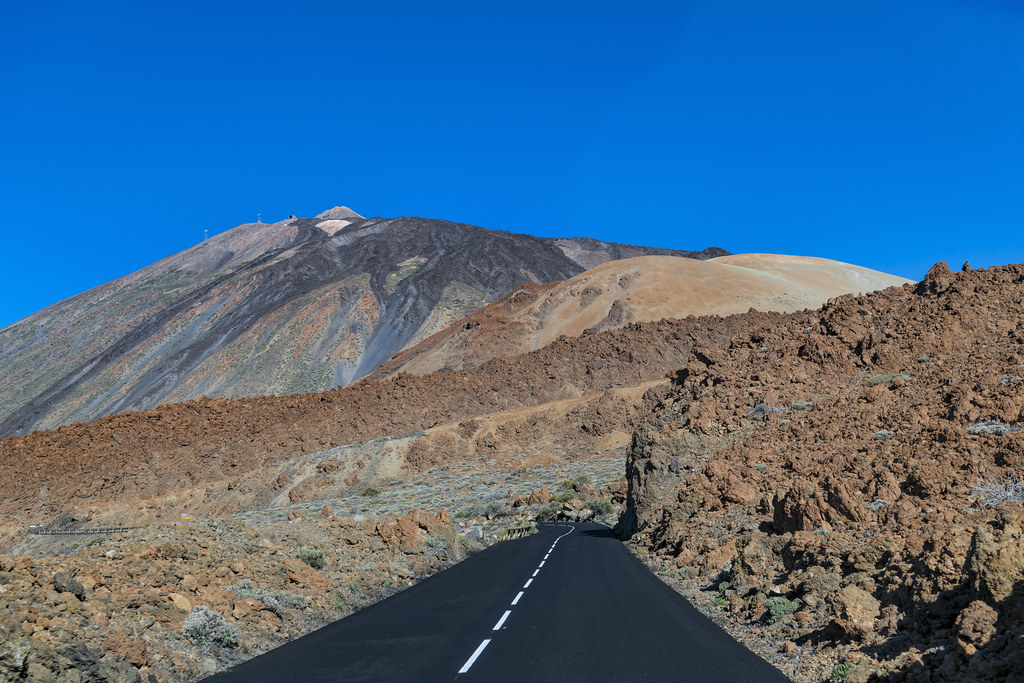
Approaching Mount Teide reveals a vast volcanic landscape marked by jagged lava formations and expansive ash slopes. As you ascend, the air grows thinner and cooler, carrying subtle scents of sulfur and ancient volcanic activity. The stark contrast between the barren summit and the lush island below highlights the mountain’s geological grandeur. Upon reaching the crater rim, hikers are rewarded with sweeping panoramic views of Tenerife and neighboring islands, a breathtaking culmination of the climb’s challenges.
Mount Teide: Geological Background
Mount Teide is a stratovolcano formed through millions of years of successive eruptions that layered lava and ash. Rising from the ocean floor, it ranks as the third largest volcano worldwide by base-to-summit height. Its last eruption occurred in 1909, classifying it as dormant today. The summit crater features fumaroles emitting steam and sulfur gases, while the surrounding lava fields display a variety of volcanic minerals and unique rock formations shaped by past eruptions, offering a vivid record of the island’s volcanic history.
Terrain and Hiking Experience on Mount Teide
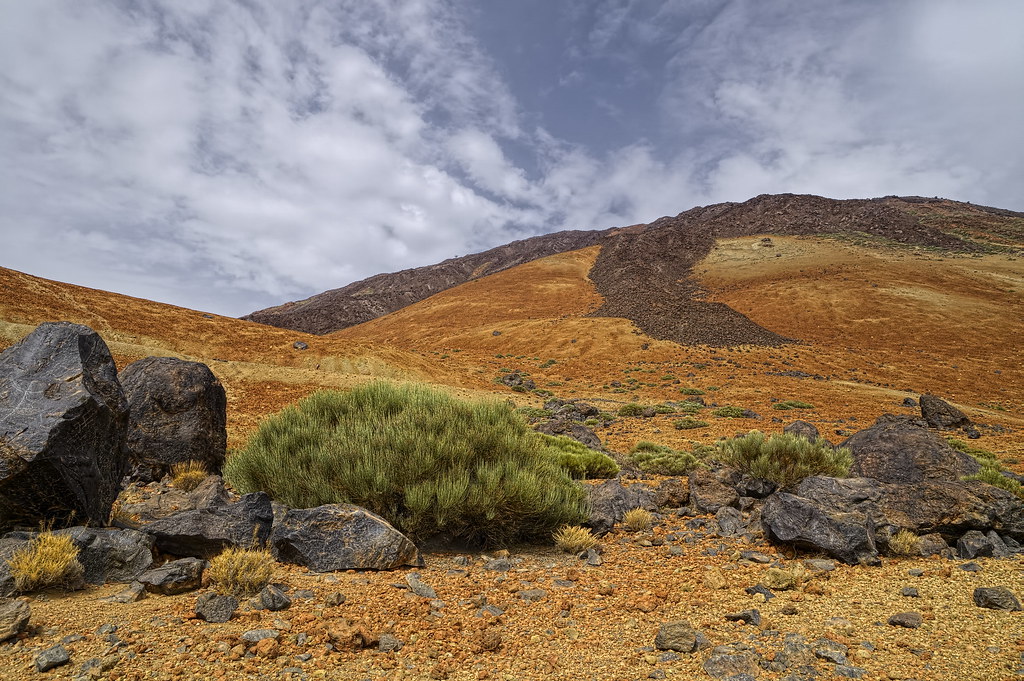
The trek to Mount Teide’s summit involves navigating steep volcanic ash slopes and rugged lava rock sections, particularly near the top. Trails such as Montaña Blanca present loose pumice and scree, requiring careful footing and balance. Above 3,000 meters, hikers experience significant altitude effects including thinner air and cooler temperatures. Sudden strong winds are common and add to the challenge. The volcanic terrain creates a surreal hiking environment, distinct from typical mountain trails, with dramatic landscapes shaped by ancient eruptions.
What Makes the Mount Teide Trek Unique
Mount Teide stands out as Spain’s highest peak and one of the world’s largest volcanoes, offering a unique trekking experience. Hikers gain access to fumaroles and sulfur vents near the summit, encounter rare endemic flora such as the Teide edelweiss, and enjoy expansive views of multiple Canary Islands. The availability of both cable car and hiking options provides flexibility for different fitness levels. The volcanic desert landscape, punctuated by ancient lava flows and the massive caldera below, creates an otherworldly atmosphere unmatched by other treks.
Summit and Crater Experience
At the summit, hikers reach a stark crater rim where steam vents hiss and the air carries a distinct sulfur scent. The panoramic vista encompasses Tenerife’s diverse landscapes and, on clear days, up to five surrounding islands. The summit’s environment presents a striking sensory contrast: cold winds meet the warmth of fumaroles. The profound silence, interrupted only by the sound of escaping gases, creates a humbling and exhilarating atmosphere, making the summit experience truly memorable.
Best Time to Trek Mount Teide
The optimal trekking season for Mount Teide spans from spring through early autumn, avoiding winter snow and strong winds. Summer months see increased demand for permits, so early booking is essential. Weather is generally stable but can change rapidly at high altitude. Sunrise climbs are popular for spectacular views but require headlamps and warm clothing due to cold temperatures. The volcano’s dormant status means monsoon rains and volcanic gas buildup are minimal concerns.
Trekking Routes and Trail Options
The primary ascent route is the Montaña Blanca trail (Trail No. 7), an 8.8 km climb with approximately 1,390 meters of altitude gain leading to the La Rambleta cable car station. From there, Trail No. 10 (Telesforo Bravo) continues to the summit. Hikers may choose to ascend entirely on foot or combine hiking with cable car rides. Alternative routes include trails via Pico Viejo, which offer less crowded and more rugged experiences. All summit access requires a permit, which must be secured in advance.

Difficulty Assessment
Mount Teide is rated as a moderate volcano trek. The main challenges include steep gradients, loose volcanic scree, and the effects of high altitude above 3,000 meters. While no technical climbing skills are necessary, good physical fitness and acclimatization to altitude are important. The trail’s steepness can reach gradients up to 60%, demanding careful pacing, frequent rests, and attention to footing to ensure safety.
Essential Volcano Trekking Gear
Recommended gear includes sturdy hiking boots with excellent grip suitable for volcanic scree, trekking poles to aid stability on steep and loose terrain, and gaiters to protect against fine volcanic ash. Layered clothing and a windproof jacket are vital to manage temperature fluctuations. A headlamp is necessary for early morning or sunrise climbs. Sun protection such as a hat, sunglasses, and high-SPF sunscreen is critical due to intense UV exposure and limited shade. Carry ample water and high-energy snacks to sustain energy at altitude.
Safety and Volcanic Hazards
Although Mount Teide is dormant, volcanic gases near fumaroles can be hazardous; avoid prolonged exposure in these areas. Crater edges may be unstable, and loose scree increases the risk of slips and falls. Sudden weather changes and strong winds can compromise safety. Visitors must comply with permit regulations and park guidelines. The Tenerife Cabildo and National Park authorities monitor volcanic conditions and issue warnings as needed. Proper preparation and respect for the environment are essential for a safe trek.
Permits, Guides, and Logistics
Access to the summit trail (Telesforo Bravo) requires a free permit obtained online via the Tenerife ON platform, with a daily limit of 200 permits. Slots are released weekly, making early booking crucial. Guided tours often include permits and transportation. The cable car station at 2,356 meters serves as a key logistics hub for many hikers. Starting in 2026, an ecotasa fee will apply to summit trail permits. Hikers must carry valid identification and their permit during the ascent.
Where to Stay Near Mount Teide
Accommodation options near Mount Teide range from mountain lodges and eco camps within Teide National Park to guesthouses and hotels in nearby towns such as Vilaflor and La Orotava. Staying close to the cable car base station facilitates early starts for summit attempts. The Altavista Refuge at 3,260 meters, historically used as a high-altitude base, is currently closed. Many visitors prefer Tenerife’s larger towns for greater amenities, combining comfortable lodging with day trips to the volcano.