
Mount Usu Volcano Trekking Guide: Exploring Hokkaido’s Active Stratovolcano and Lake Toya Views
Mount Usu, an active stratovolcano in Hokkaido, Japan, offers an accessible yet thrilling volcano trekking experience. This guide covers its geological background, hiking terrain, routes, safety, and nearby attractions like Lake Toya and Showa-Shinzan. Discover how to explore this dynamic volcanic landscape with expert insights and practical tips.
Quick Volcano Snapshot
| Volcano type | Stratovolcano |
|---|---|
| Elevation | 732 meters |
| Location | Hokkaido, Japan |
| Activity status | Active |
| Trekking difficulty | Easy to Moderate |
| Typical trek duration | 4 to 6 hours |
| Altitude gain | Approx. 400 meters |
| Terrain type | Volcanic ash slopes, lava domes, forest trails, crater rim boardwalks |
| Best season | Late April to mid-November |
| Temperature range | 5°C to 20°C (seasonal) |
| Permit requirement | No permit required for general trails; guided access needed for restricted zones |
The Experience of Hiking Mount Usu
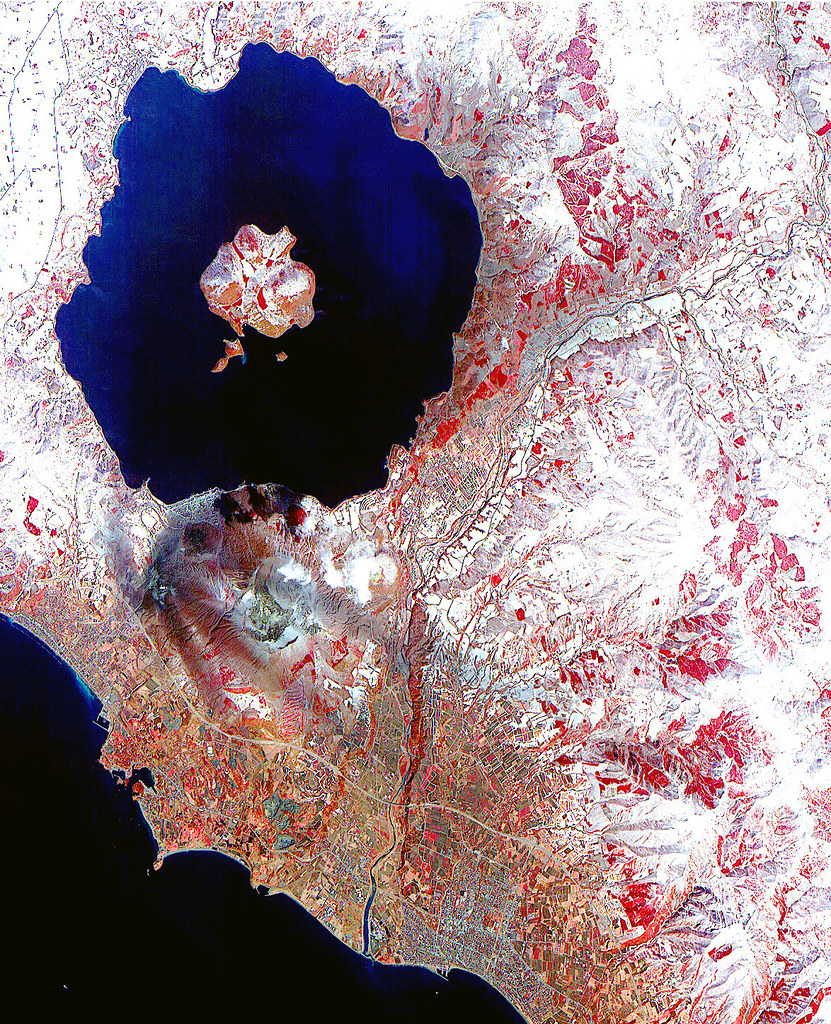
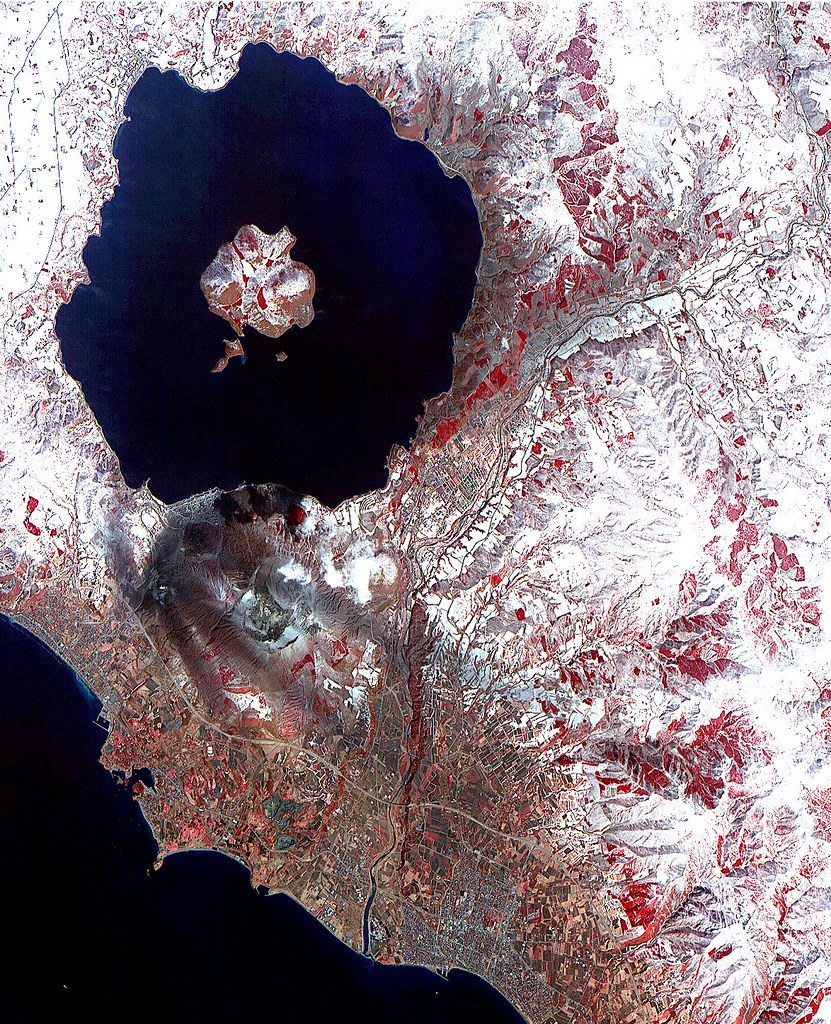
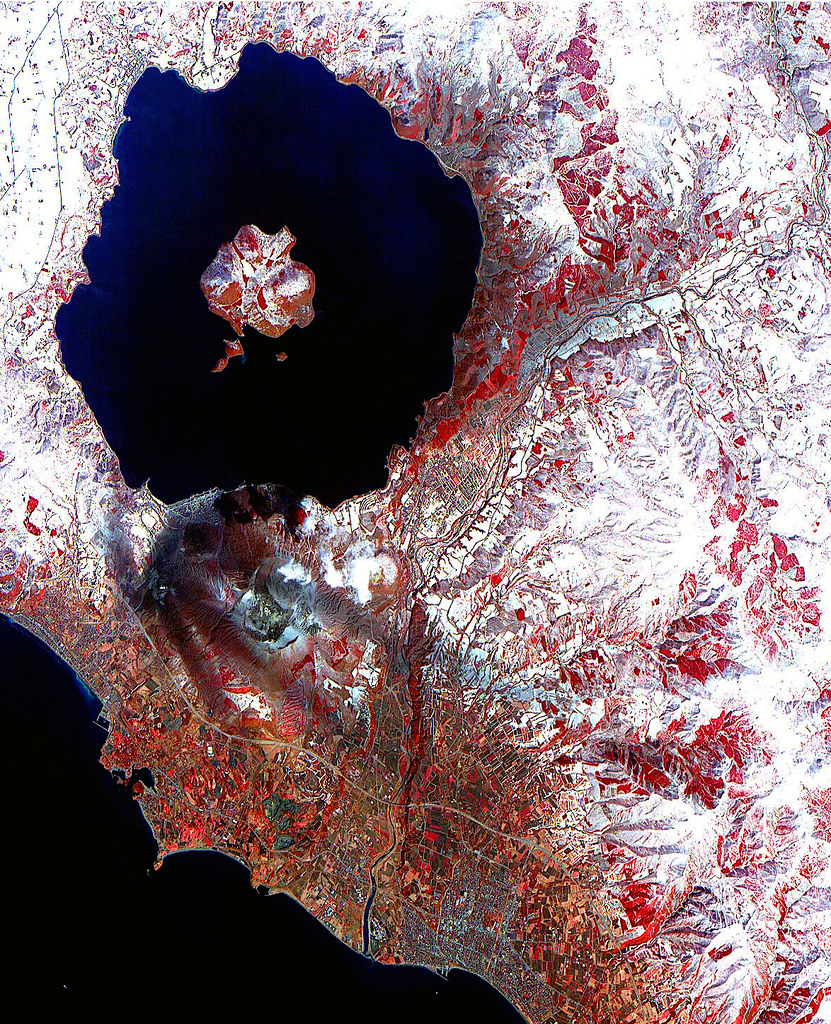
Approaching Mount Usu, the landscape unfolds with stark contrasts: the barren volcanic craters and steaming fumaroles juxtaposed against the lush greenery of Hokkaido’s forests and the shimmering expanse of Lake Toya. The air carries a faint sulfur scent, a reminder of the volcano’s restless nature. Hiking here is a sensory journey through time and power, where every step reveals the raw forces that have shaped this land. Reaching the crater rim, the panoramic views of the lake and the Pacific Ocean evoke a profound sense of awe and connection to Earth’s fiery heart.
Mount Usu: Geological Background
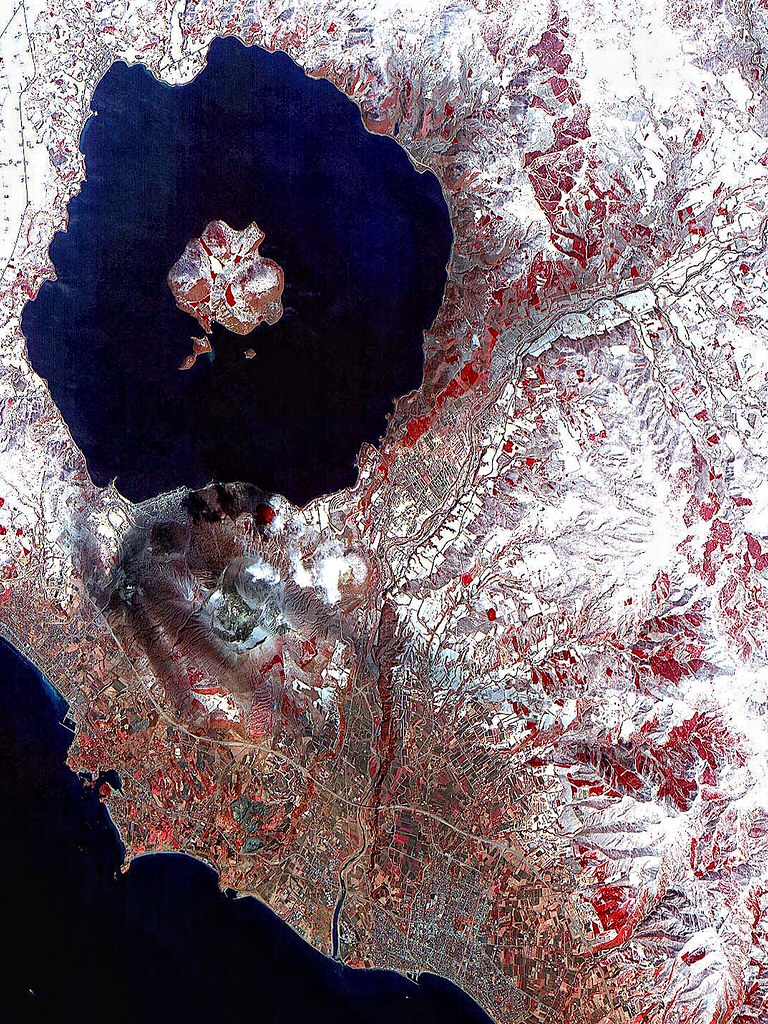
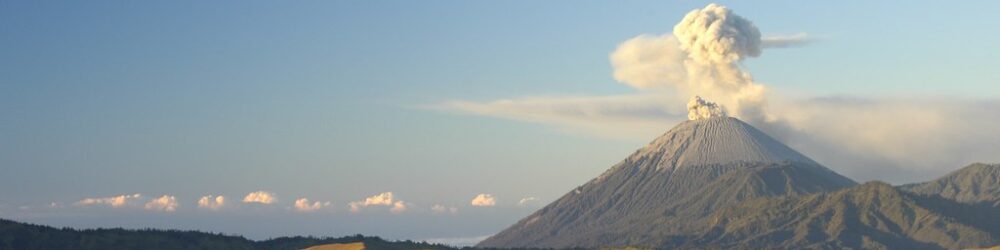
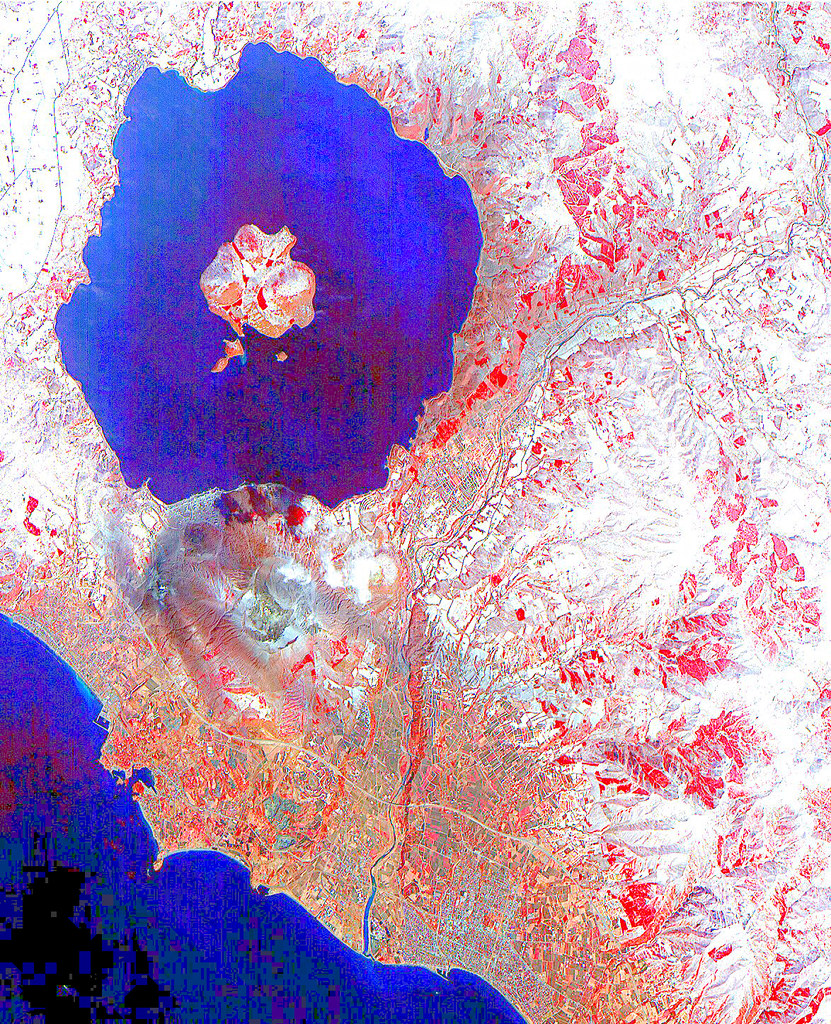
Mount Usu is a stratovolcano formed over tens of thousands of years, part of the Toya caldera complex created by a massive eruption around 110,000 years ago. It has erupted frequently in recorded history, with notable eruptions in 1910, 1944–45, 1977, and 2000. The volcano’s activity has shaped the surrounding landscape, creating lava domes such as Showa-Shinzan, which emerged dramatically in 1943. The area features fumaroles, sulfur deposits, and hardened lava flows, offering a vivid geological classroom. Visitors can observe steaming vents and volcanic minerals that tell the story of ongoing subterranean activity.
Terrain and Hiking Experience on Mount Usu
The hike combines forested trails with volcanic ash slopes and rugged lava rock sections. Well-maintained boardwalks and stairs guide trekkers along the crater rim, providing safe access to viewpoints. The terrain varies from soft volcanic soil to rocky outcrops, with occasional steep and slippery sections, especially after rain. Altitude is moderate, but wind and temperature can shift rapidly near the summit. The trail’s diversity offers a balanced challenge, suitable for hikers with basic fitness seeking an immersive volcanic experience.
What Makes Mount Usu Trek Unique
Mount Usu’s frequent eruptions and well-preserved eruption sites create a living volcanic landscape rarely accessible to hikers. The proximity to Lake Toya and the striking Showa-Shinzan lava dome adds dramatic visual contrasts. The presence of a ropeway enhances accessibility, allowing visitors to combine easy ascent with foot trekking. The UNESCO Global Geopark status ensures rich educational resources and visitor infrastructure. The opportunity to explore recent eruption scars and restricted zones under guided supervision sets this trek apart as both adventurous and informative.
Summit and Crater Experience
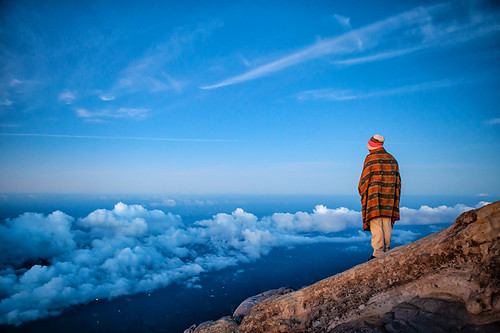
At the summit, hikers stand on the edge of an active crater, where steam vents hiss and sulfurous aromas fill the air. The crater’s rugged rim offers sweeping views of Lake Toya’s deep blue waters, the Pacific Ocean beyond, and the volcanic domes nearby. The ground beneath is warm in places, a tactile reminder of the volcano’s latent energy. Sounds of escaping gases punctuate the silence, creating an intense sensory atmosphere. This vantage point reveals the dynamic interplay of destruction and creation that defines Mount Usu.
Best Time to Trek Mount Usu
The optimal trekking season runs from late April to mid-November, when trails are clear of snow and weather conditions are stable. Autumn offers vibrant foliage and crisp air, enhancing the visual appeal. Winter and early spring bring snow and trail closures, limiting access. Visitors should monitor volcanic activity reports, as eruptions or gas emissions can prompt temporary restrictions. Early morning climbs provide calmer winds and softer light for photography, while daytime hikes offer warmer temperatures.
Trekking Routes and Trail Options
The primary route begins at the Usuzan Ropeway summit station, from where hikers follow the crater rim trail to the Lake Toya Observation Deck and beyond. This path features stairs, boardwalks, and interpretive signage. For those seeking a longer trek, the Kompirayama and Nishiyama trails offer loops through eruption sites and forested areas, connecting to visitor centers and bus stops. Guided tours provide access to restricted volcanic zones, including the Yu-kun crater, with expert commentary and safety equipment. Ropeway use is common for ascent or descent, enabling flexible itineraries.
Difficulty Assessment
Mount Usu’s trek is classified as easy to moderate. The altitude is low, and trails are well-maintained, but volcanic terrain requires careful footing. Some sections involve stairs and uneven surfaces, with potential slipperiness after rain. No technical climbing skills are needed, but a moderate fitness level is recommended to enjoy the full crater rim circuit. The availability of the ropeway allows less experienced hikers to reduce physical strain by ascending or descending mechanically.
Essential Volcano Trekking Gear
Recommended gear includes sturdy hiking boots with good grip for volcanic ash and rocky terrain, trekking poles for stability on slopes and stairs, and layered clothing to adapt to temperature changes and wind near the summit. A windproof jacket is essential. Sun protection such as hats and sunscreen is important due to limited shade. Carry sufficient water and snacks. For guided tours entering restricted zones, helmets and gas masks may be provided. A headlamp is useful for early morning or late afternoon hikes.
Safety and Volcanic Hazards
Mount Usu is an active volcano with ongoing monitoring by Japanese authorities. Hazards include sudden gas emissions, unstable crater edges, falling rocks, and slippery volcanic ash. Visitors should heed all warnings, stay on marked trails, and avoid restricted areas unless accompanied by authorized guides. Weather can change rapidly, increasing risk. Emergency shelters and evacuation plans are in place. Checking volcanic activity updates before hiking is crucial for safety.
Permits, Guides, and Regulations
No permits are required for general hiking trails, but access to certain volcanic zones is restricted and only allowed with guided tours. The Toya-Usu UNESCO Global Geopark visitor centers provide information and arrange guided hikes. Park entry fees are minimal or included in tour costs. Seasonal trail closures occur from mid-November to mid-April due to snow and safety concerns. Visitors must comply with safety rules and respect protected areas.
Where to Stay Near Mount Usu
Accommodation options include lodges and hotels in Toyako Onsen, a spa town near Lake Toya, offering convenient access to trailheads and visitor centers. Eco camps and guesthouses in Sobetsu-cho provide more rustic experiences. Many lodgings offer shuttle services to the Usuzan Ropeway base station. Staying in Noboribetsu or Sapporo is possible but requires longer travel times. Early booking is advised during peak seasons.