
Trekking Taal Volcano: A Complete Guide to Hiking the Philippines’ Complex Volcano Island
Discover the unique adventure of trekking Taal Volcano, an active complex volcano island within a lake on an island in the Philippines. This guide covers geology, terrain, routes, safety protocols, permits, and logistics for an unforgettable volcano hiking experience near Manila and Tagaytay.
Quick Volcano Snapshot
| Volcano type | Complex volcano |
|---|---|
| Elevation | 311 meters |
| Location | Batangas, Luzon, Philippines |
| Activity status | Active |
| Trekking difficulty | Moderate |
| Typical trek duration | 1.5 to 3 hours round trip |
| Altitude gain | Approx. 311 meters |
| Terrain type | Lava fields, ash slopes, dirt trails |
| Best season | Dry season (November to May) |
| Temperature range | 22°C to 32°C |
| Permit requirement | Yes, park entrance fee and permits required |
The Experience of Hiking Taal Volcano
Approaching Taal Volcano is stepping into a geological marvel: an island volcano nested within a lake, itself on a larger island. The journey begins with a serene boat ride across Taal Lake, surrounded by calm waters and lush greenery. As you set foot on the volcano island, the barren volcanic slopes rise sharply, contrasting vividly with the vibrant lake below. The climb challenges your endurance under the tropical sun, with dust kicked up by horses and hikers alike. Reaching the crater rim, you are rewarded with a surreal view of the crater lake, a lake within a volcano within a lake — a rare spectacle that evokes awe and a profound sense of Earth’s dynamic power.
Taal Volcano: Geological Background
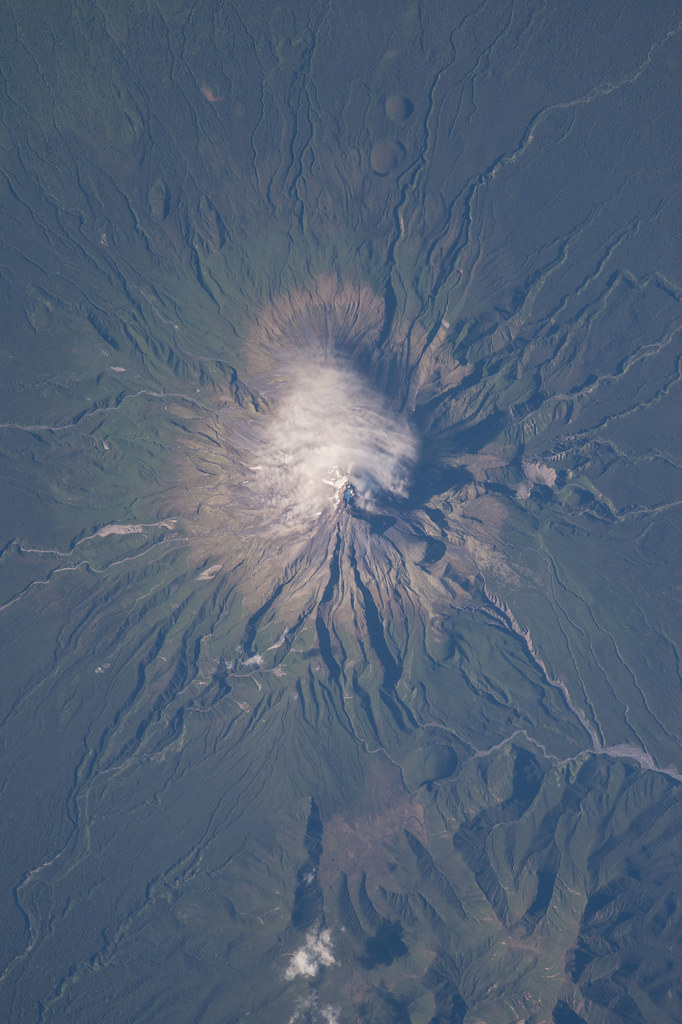
Taal is a complex volcano formed by multiple overlapping cones and craters within a large caldera created by prehistoric eruptions. It is one of the Philippines’ most active volcanoes, with 34 recorded eruptions since 1572. The volcano’s unique structure includes a crater lake that itself contains a small island, creating a rare geological phenomenon. Its eruptions have shaped the surrounding landscape, depositing layers of ash and lava. The crater hosts fumaroles and steam vents, releasing sulfurous gases that color the rocks with vivid yellows and reds. This dynamic volcanic environment is a living laboratory of Earth’s inner forces.
Terrain and Hiking Experience on Taal Volcano
The trek to Taal’s crater rim traverses a mix of terrain: from grassy flatlands near the boat landing to steep dirt and ash slopes. Trails are often dusty and loose, requiring careful footing, especially where horses share the path. The ascent is steady but not technical, with occasional rocky patches and soft volcanic soil. Exposure to the sun is significant, as shade is scarce. Winds near the summit can be brisk, providing relief from the heat. The trail’s moderate incline and volcanic terrain offer a satisfying challenge without demanding advanced mountaineering skills.
What Makes Taal Volcano Trek Unique
Taal’s defining feature is its nested volcanic lakes: a lake within a volcano island, itself within a larger lake on Luzon island. This ‘lakeception’ is unparalleled globally. The trek combines water and volcanic landscapes, starting with a boat crossing and ending with panoramic crater lake views. The volcano’s active status adds an element of raw power and unpredictability. Nearby towns like Tagaytay offer cool highland air and stunning viewpoints. The presence of fumaroles and colorful mineral deposits enriches the geological experience. This trek blends natural beauty, volcanic drama, and cultural proximity.
Summit and Crater Experience at Taal Volcano
Standing at the crater rim, hikers face a breathtaking panorama: the emerald crater lake shimmering below, steam rising from fumaroles, and the vast Taal Lake stretching beyond. The sulfurous scent is sharp in the air, mingling with the warmth radiating from volcanic vents. Sounds of escaping gases punctuate the silence, reminding visitors of the volcano’s latent energy. The crater’s rugged edges frame the surreal scene, inviting reflection on the planet’s fiery heart. Vendors nearby offer refreshments, but the true reward is the intimate encounter with one of Earth’s most intriguing active volcanoes.
Best Time to Trek Taal Volcano
The ideal trekking season is the dry months from November to May, when trails are less slippery and weather is stable. Early mornings are recommended to avoid midday heat and crowds. The wet season brings heavy rains and slippery paths, increasing risk. Volcanic activity can lead to temporary closures; always check updates from PHIVOLCS before planning. Sunrise treks offer cooler temperatures and spectacular light but require headlamps and early starts. Avoid trekking during periods of elevated volcanic alert levels for safety.
Trekking Routes and Trail Options on Taal Volcano
The most popular route starts at Talisay Bay, accessed by boat from Tagaytay or Batangas. This 4 km trail takes about 40 minutes to reach the crater rim with an elevation gain of approximately 311 meters. It is well-marked and suitable for moderate hikers. Alternative longer and more challenging routes include trails from Alitagtag (18 km) and Balete (8 km), recommended only for experienced trekkers. Horseback rides are available for parts of the ascent. Guided tours often combine boat transfers, permits, and local knowledge for a seamless experience.
Difficulty Assessment of Taal Volcano Trek
Taal Volcano is classified as a moderate volcano trek. The terrain is uneven with loose volcanic ash and dirt, requiring good balance and stamina. Altitude is low, so altitude sickness is not a concern. No technical climbing gear is needed, but hikers should be prepared for steep sections and exposure to sun and wind. Fitness level should be moderate; beginners with reasonable conditioning can complete the trek. The presence of horses on trails requires caution. Overall, it is accessible to most active hikers seeking a rewarding volcanic experience.
Essential Gear for Taal Volcano Trekking
Key gear includes sturdy hiking boots with good grip for loose volcanic soil, trekking poles for stability, and sun protection such as hats and sunscreen due to minimal shade. Carry sufficient water and snacks to stay hydrated and energized. A lightweight windproof jacket is useful near the summit where winds pick up. A headlamp is recommended for early morning treks. A gas mask or respirator is advised during periods of increased volcanic gas emissions. Bring a camera to capture the unique landscapes, and a small first aid kit for minor injuries.
Safety and Volcanic Hazards on Taal Volcano
Taal is an active volcano with ongoing monitoring by PHIVOLCS. Risks include sudden eruptions, toxic volcanic gases, unstable crater edges, and falling rocks. Access to the volcano island is currently restricted during elevated alert levels or after eruptions. Always check official warnings before hiking. Stay on marked trails and avoid venturing near fumaroles. Weather can change rapidly, increasing hazards on slippery slopes. Guides provide critical safety information and emergency protocols. Respect all regulations to minimize risk in this dynamic volcanic environment.
Permits, Guides, and Logistics for Taal Volcano Trek
A permit and park entrance fee are required to hike Taal Volcano, obtained at the registration area on the island. Guided tours are highly recommended for safety and local knowledge, often including boat transfers from Tagaytay or Batangas. Independent trekking is possible but requires arranging boat rides and permits in advance. Seasonal closures and volcanic activity may restrict access. Booking through local operators ensures compliance with regulations and supports community livelihoods. Carry identification and follow all park rules. Prepare for early starts to avoid heat and crowds.
Where to Stay Near Taal Volcano
Tagaytay City is the most popular base for Taal Volcano treks, offering a range of accommodations from budget hostels to boutique lodges with volcano views. Nearby Batangas towns like Talisay and Laurel provide guesthouses closer to boat docks. Eco camps and resorts around Taal Lake offer immersive nature experiences. Staying in Tagaytay allows easy access to restaurants, transport, and other attractions. Early morning departures are common, so accommodations with flexible breakfast options are ideal. Booking in advance is recommended during peak season.