
Mount Rinjani Volcano Trekking Guide: Conquer Indonesia’s Second Highest Active Volcano and Its Stunning Crater Lake
Mount Rinjani, Indonesia’s second highest volcano at 3,726 meters, offers a demanding yet unforgettable trek through volcanic savannahs, steep ash slopes, and a breathtaking crater lake, Segara Anak. This guide covers geology, trekking routes, permit procedures, safety protocols, and essential gear for an expert adventure on Lombok’s iconic stratovolcano.
Quick Volcano Snapshot
| Volcano type | Stratovolcano |
|---|---|
| Elevation | 3,726 meters |
| Location | Lombok, Indonesia |
| Activity status | Active |
| Trekking difficulty | Demanding |
| Typical trek duration | 2 to 4 days |
| Altitude gain | Up to 2,500 meters |
| Terrain type | Volcanic ash slopes, lava fields, savannah, tropical forest |
| Best season | April to December (dry season) |
| Temperature range | Near freezing at summit to tropical at base |
| Permit requirement | Mandatory e-Rinjani permit via licensed operator |
The Experience of Hiking Mount Rinjani
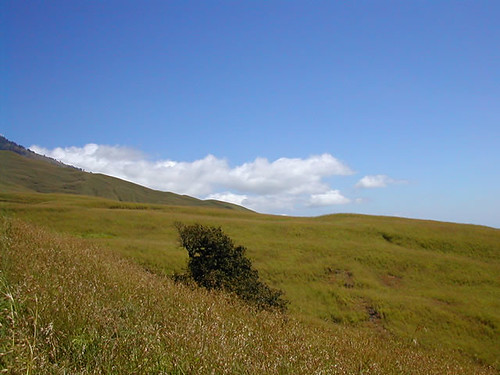
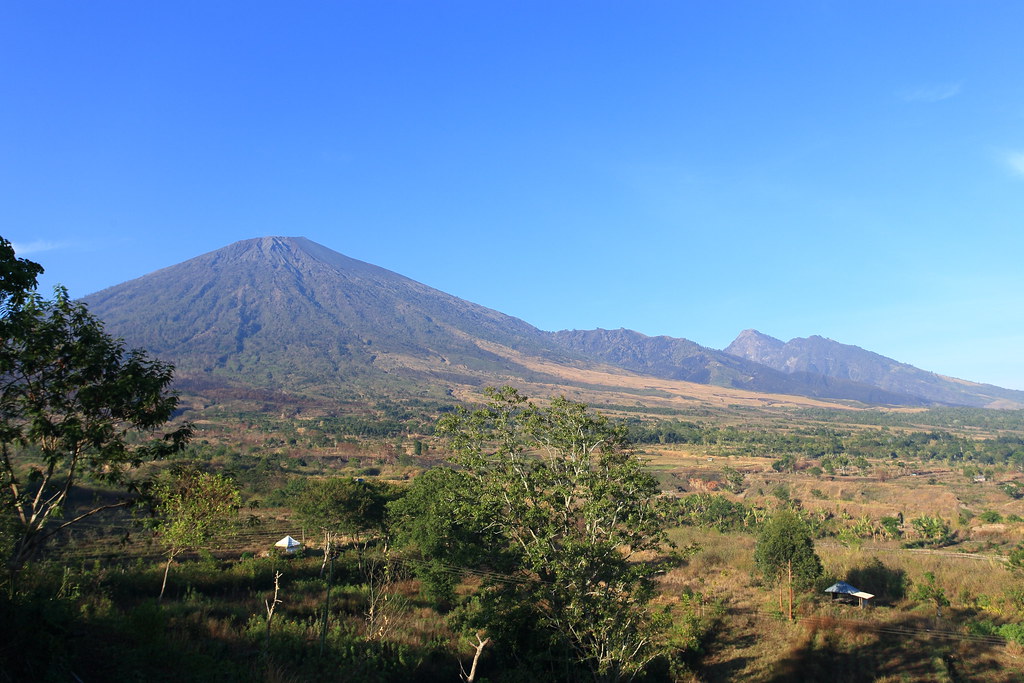
Approaching Mount Rinjani, the landscape shifts dramatically from lush tropical forests to vast volcanic savannahs and rugged ash slopes. The towering stratovolcano dominates the horizon, its summit often crowned with clouds. Trekking here means immersing yourself in raw geological power — the earth’s fiery heart visible in the crater lake Segara Anak and the steaming fumaroles. Each step brings a mix of challenge and awe, culminating in the emotional triumph of standing on the rim, gazing into the deep blue lake and the active Barujari cone. The contrast between barren volcanic terrain and vibrant surrounding nature creates a surreal, unforgettable journey.
Mount Rinjani: Geological Background
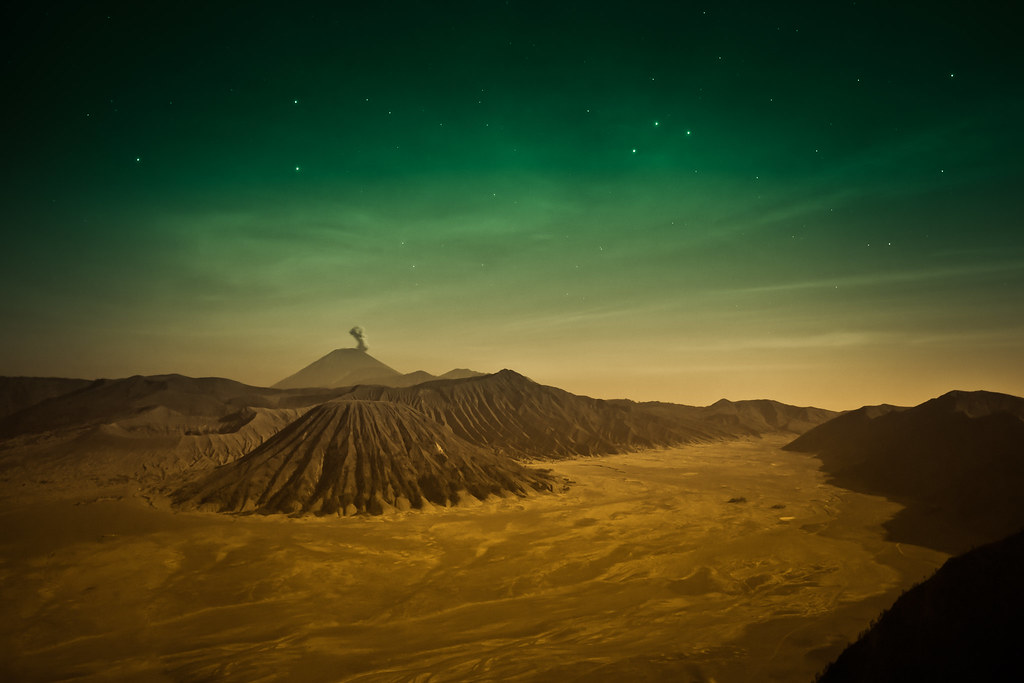
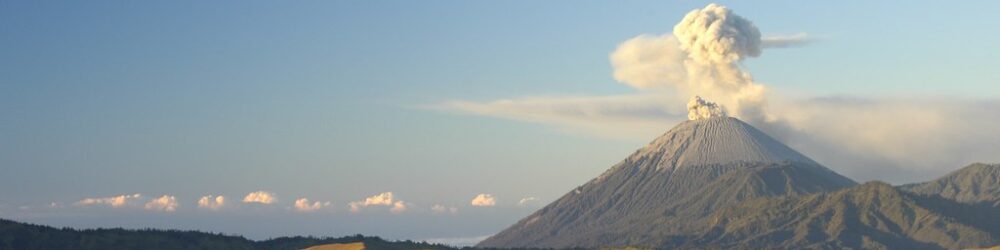
Mount Rinjani is a classic stratovolcano formed by layers of hardened lava, ash, and volcanic debris. Rising 3,726 meters above sea level, it is Indonesia’s second highest volcano. Its formation dates back hundreds of thousands of years through repeated eruptions. The volcano features a large caldera housing Segara Anak, a deep crater lake formed after a massive eruption around 1257 AD. The active Barujari cone within the lake continues to emit steam and occasional ash, marking Rinjani as an active volcano. The terrain includes volcanic minerals like basalt and andesite, sulfur deposits near fumaroles, and unique formations shaped by lava flows and explosive activity.
Terrain and Hiking Experience on Mount Rinjani
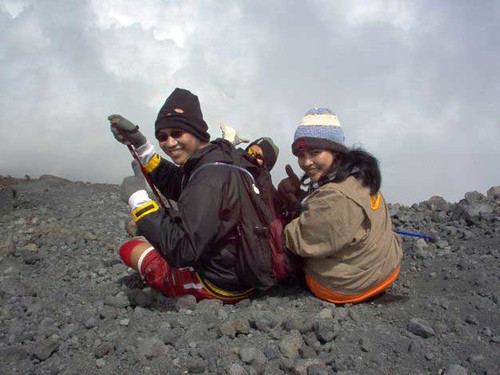
The trek traverses diverse terrain: open savannahs with tall grasses, dense tropical forests, steep volcanic ash slopes, and rugged lava fields. The ascent involves scrambling over loose volcanic rock and navigating unstable scree, especially near the summit. Altitude effects become noticeable above 2,500 meters, with thinner air and cooler temperatures. Wind conditions can be harsh and sudden weather changes frequent. The trail demands physical endurance and sure-footedness, with steep climbs balanced by moments of gentle ridge walking. The volcanic terrain’s shifting textures directly influence the hike’s difficulty and pace.
What Makes the Mount Rinjani Trek Unique
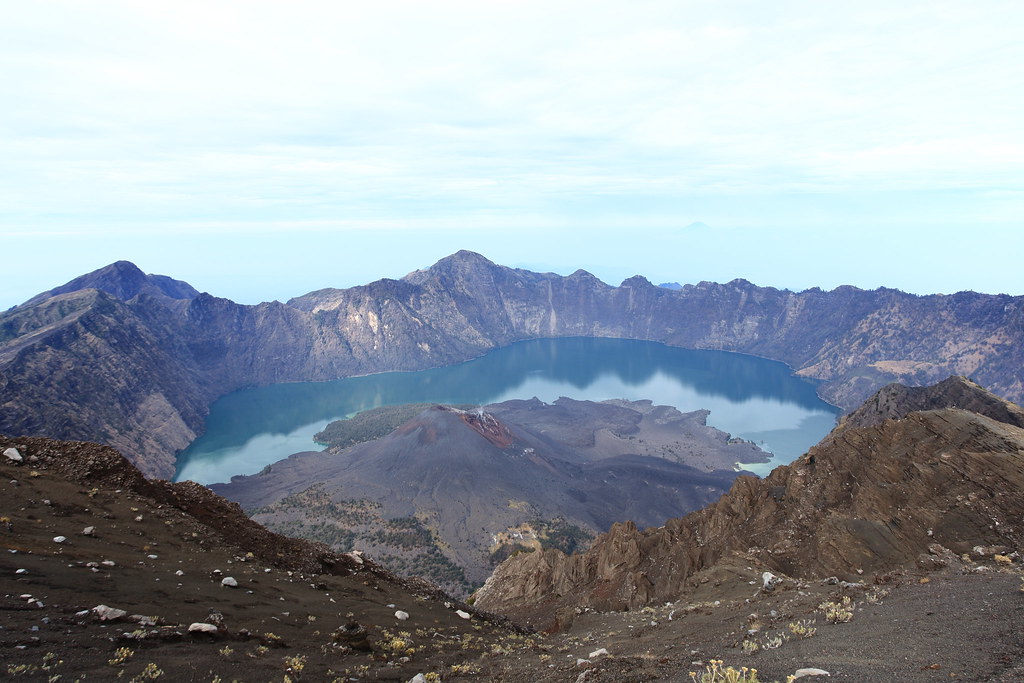
Mount Rinjani’s trek is distinguished by its spectacular crater lake, Segara Anak, a vivid blue body of water nestled within the caldera. The active Barujari cone adds dynamic volcanic activity rarely seen on many treks. The combination of tropical forest, volcanic desert, and savannah landscapes creates a rare ecological mosaic. The summit sunrise above the clouds offers breathtaking panoramas over Lombok and neighboring islands. The trek’s cultural dimension, with Sasak villages and local guide traditions, enriches the experience. Strict eco-friendly regulations and community involvement ensure the mountain’s preservation and sustainable tourism.
Summit and Crater Experience on Mount Rinjani
Reaching the summit at 3,726 meters is a moment of profound exhilaration. The crater rim reveals a vast panorama of volcanic landscapes, distant seas, and island chains. The air carries the faint sulfur scent from fumaroles, and the ground radiates subtle heat near steam vents. The active Barujari cone occasionally emits plumes of smoke and ash, accompanied by the soft hiss of escaping gases. Looking down into Segara Anak’s deep blue waters, surrounded by steep caldera walls, evokes a sense of standing at the edge of the earth’s molten core. The sunrise here bathes the scene in golden light, intensifying the emotional impact.
Best Time to Trek Mount Rinjani
The ideal trekking season runs from April to December during Lombok’s dry months. The park closes from January to March due to heavy rains and increased risk of landslides and slippery trails. Early morning summit climbs are favored to catch the sunrise and avoid afternoon storms. Trekking outside the dry season is strongly discouraged due to dangerous trail conditions and restricted park access. Monitoring volcanic activity is essential; although Rinjani is active, eruptions are infrequent and closely watched by authorities.
Mount Rinjani Trekking Routes and Trail Options
Three main routes lead into Mount Rinjani National Park: Sembalun, Senaru, and Torean. The Sembalun route is the most popular for summit attempts, starting from open savannah and ascending steep volcanic slopes over 2-4 days. The Senaru route passes through tropical forests and waterfalls, focusing on the crater lake and rim rather than the summit, suitable for less demanding treks. The Torean route is quieter and less frequented, offering scenic waterfalls and gentler ascents. All routes require permits and licensed guides. Trek durations range from 2 to 4 days depending on itinerary and objectives.

Difficulty Assessment of Mount Rinjani Trek
Mount Rinjani is classified as a demanding volcano trek. The terrain includes steep, loose volcanic ash slopes and rocky scrambling sections requiring good fitness and sure footing. Altitude gain up to 2,500 meters challenges cardiovascular endurance and acclimatization. The trek is not technical mountaineering but requires stamina, preparation, and experience with high-altitude hiking. Beginners should consider guided tours with acclimatization days. The mandatory guide system enhances safety on this challenging ascent.
Essential Gear for Mount Rinjani Volcano Trekking
Key gear includes sturdy hiking boots with ankle support and strong grip for loose volcanic terrain. Trekking poles aid stability on steep slopes and scree descents. Ash gaiters protect against volcanic dust. Layered clothing is vital: thermal base layers, fleece, windproof and waterproof jackets, gloves, and a beanie for summit cold. A headlamp is essential for pre-dawn summit climbs. Carry at least 3 liters of water with purification tablets or filters. Sun protection—hat, sunglasses, and sunscreen—is critical due to high UV exposure and lack of shade. A basic first aid kit and personal medications complete the essentials.
Safety and Volcanic Hazards on Mount Rinjani
Mount Rinjani’s hazards include unstable crater edges, loose scree, falling rocks, and exposure to volcanic gases near fumaroles. Sudden weather changes bring fog, rain, and cold temperatures, increasing risk of hypothermia and slips. Altitude sickness is a serious concern above 2,500 meters; acclimatization and hydration are critical. The national park enforces strict safety protocols: mandatory licensed guides, limited daily permits, and emergency contact systems. Monitoring agencies track volcanic activity continuously. Trekkers must follow guide instructions and park regulations to minimize risks.
Permits, Guides, and Logistics for Mount Rinjani Trekking
All trekkers must obtain an official e-Rinjani permit through licensed trekking operators; independent permits are not available. Foreign visitors are required to hire certified local guides, with a maximum group size of five per guide. The permit system controls daily visitor quotas (700 permits total) to protect the environment and ensure safety. Booking well in advance is essential, especially during peak season (July to September). Trekking insurance covering evacuation is mandatory. Licensed operators handle registration, permits, guide assignments, and porter services, ensuring compliance with national park regulations.
Where to Stay Near Mount Rinjani
Accommodation options cluster around the main trailheads in Sembalun and Senaru villages. Options range from simple guesthouses and eco-lodges to trekking hostels catering to climbers. Many lodges offer basic amenities and local meals, providing a comfortable base before and after the trek. Camping is permitted only in designated sites within the national park. Staying near trailheads allows early starts and easy access to guides and gear rental. Nearby towns like Mataram provide broader hotel choices and transport connections.