
Mount Pinatubo Volcano Trekking Guide: Exploring the Philippines’ Iconic Crater Lake
Discover the thrilling trek to Mount Pinatubo, an active stratovolcano in Luzon, Philippines. This guide covers geological insights, trekking routes, safety tips, and the unforgettable experience of reaching its stunning turquoise crater lake formed after the 1991 eruption.
Quick Volcano Snapshot
| Volcano type | Stratovolcano |
|---|---|
| Elevation | 1,486 meters (4,875 feet) |
| Location | Luzon, Philippines |
| Activity status | Active (last major eruption in 1991) |
| Trekking difficulty | Moderate |
| Typical trek duration | 4 to 6 hours round trip |
| Altitude gain | Approximately 600 meters |
| Terrain type | Lahar fields, volcanic ash, rocky slopes |
| Best season | November to February |
| Temperature range | 15°C to 30°C (59°F to 86°F) |
| Permit requirement | Mandatory permits and guided tours required |
The Experience of Hiking Mount Pinatubo
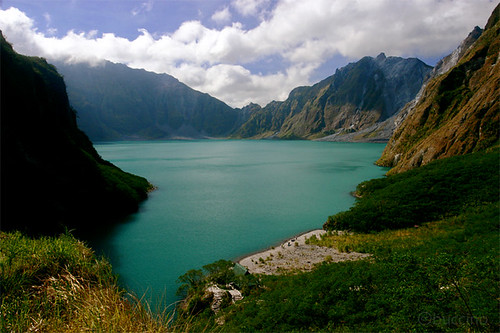
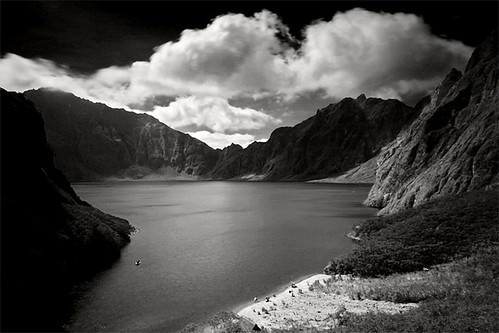
Approaching Mount Pinatubo, trekkers encounter vast lahar fields formed by the 1991 eruption, creating a rugged and barren landscape. The trail transitions from ash-covered plains to lush forests, showcasing nature's resilience. The ascent culminates at the crater rim, revealing a stunning turquoise lake surrounded by steaming fumaroles. This powerful contrast between destruction and renewal offers a deeply moving and unforgettable trekking experience.
Mount Pinatubo: Geological Background
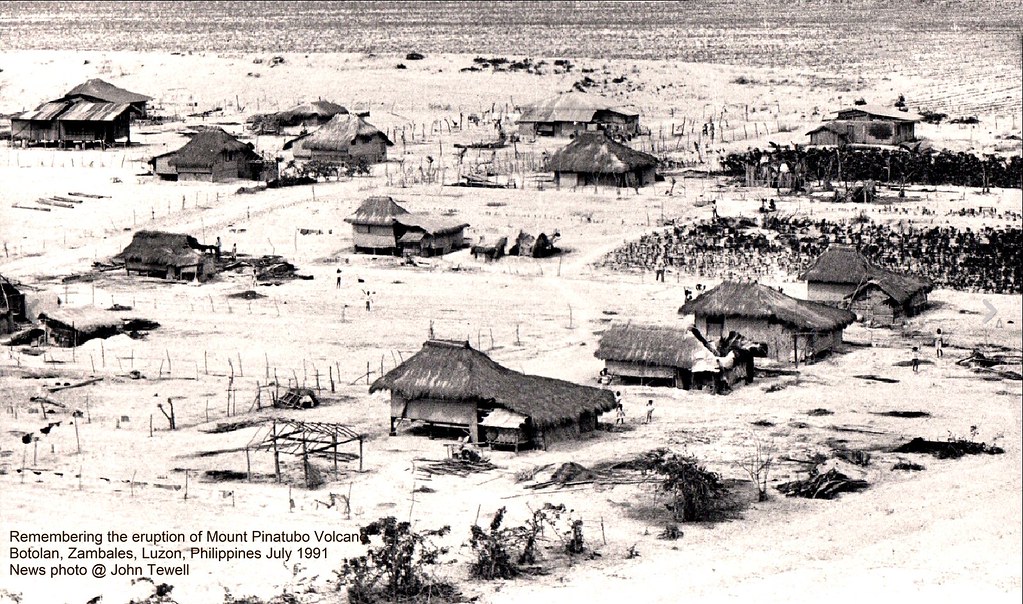
Mount Pinatubo is a stratovolcano composed of layers of hardened lava, tephra, and volcanic ash. Its catastrophic eruption in 1991 was among the largest of the 20th century, drastically altering the surrounding landscape. The eruption produced massive ash clouds, pyroclastic flows, and extensive lahar deposits. The resulting caldera now contains a vibrant turquoise lake rich in volcanic minerals, with fumaroles emitting steam and sulfur gases. This dynamic environment provides insight into volcanic activity and ecological recovery.
Terrain and Hiking Experience on Mount Pinatubo
The trek begins with an exhilarating 4×4 ride across shifting lahar plains, a terrain of volcanic debris and ash. Trails include loose pumice, ash slopes, and rocky sections requiring careful footing. The ascent is steady with occasional gusty winds near the summit. Altitude effects are mild but noticeable. Hikers traverse a raw, ever-changing volcanic landscape that demands attention and respect for its fragile nature.

What Makes the Mount Pinatubo Trek Unique
Mount Pinatubo’s trek stands out due to its dramatic post-eruption landscape featuring expansive lahar fields and a vivid turquoise crater lake. The journey includes a rugged 4×4 ride and cultural interaction with local Aeta communities who serve as guides and share their heritage. Witnessing a volcanic caldera transformed into a serene natural wonder combines geological spectacle with cultural immersion, making this trek truly distinctive.
The Summit and Crater Experience
At the crater rim, trekkers are rewarded with panoramic views of the turquoise lake nestled within the caldera. Steam rises from fumaroles, and the ground emits residual warmth. The air carries a faint sulfur scent, enhancing the sensory experience. The stillness and raw power of the landscape create a profound moment of awe. This summit offers exceptional photographic opportunities and a unique connection to volcanic forces.
Best Time to Trek Mount Pinatubo
The optimal trekking season is from November to February when temperatures are cooler and skies clearer. Avoid the rainy season from June to October due to slippery trails and heightened lahar flow risks. Volcanic activity is continuously monitored, and trekking is permitted only when conditions are safe. Early morning departures are advised to avoid midday heat and to enjoy sunrise views over the crater.
Trekking Routes and Trail Options
The main route begins at Sta. Juliana, Capas, Tarlac, featuring a mandatory 4×4 ride across lahar fields before the hike. The trek to the crater lake typically takes 2 to 3 hours one way, with an elevation gain of about 600 meters. Guided tours are compulsory and arranged through accredited operators. Alternative routes, such as from Inararo, provide varied scenery and cultural experiences but require similar permits and guides.
Difficulty Assessment of Mount Pinatubo Trek
Mount Pinatubo is classified as a moderate trek requiring good physical fitness but no technical climbing skills. The loose volcanic ash and rocky terrain demand surefootedness. Altitude is moderate, reducing acclimatization concerns. The trek suits adventurous beginners and intermediate hikers prepared for uneven surfaces and variable weather conditions.
Essential Volcano Trekking Gear for Mount Pinatubo
Recommended gear includes sturdy hiking boots with strong grip, trekking poles for stability on loose ash, sun protection such as hats and sunscreen, and ample hydration. A windproof jacket is useful near the summit. Due to volcanic gases, a lightweight respirator or mask is advisable. Headlamps are recommended for early starts. Gaiters protect against ash intrusion, and quick-dry clothing enhances comfort throughout the trek.
Safety and Volcanic Hazards on Mount Pinatubo
Trekking Mount Pinatubo involves hazards such as unstable crater edges, loose scree, and sudden weather changes. Sulfur gases from fumaroles can irritate the respiratory system. Although eruption risk is low, it is closely monitored by the Philippine Institute of Volcanology and Seismology (PHIVOLCS). Always trek with authorized guides, follow official warnings, avoid restricted zones, carry emergency supplies, and inform others of your itinerary.
Permits, Guides, and Logistics for Mount Pinatubo Trekking
Permits are mandatory and must be obtained through accredited tour operators or local tourism offices. Guided tours are required for safety and to support local Aeta communities. The 4×4 vehicle ride to the trailhead is compulsory due to difficult terrain. Advance booking is recommended, especially during peak season. Tours typically include permits, guide fees, 4×4 transport, and environmental fees.
Where to Stay Near Mount Pinatubo
Accommodation options include guesthouses and eco-lodges in Capas and Botolan, as well as trekking hostels near the Sta. Juliana jump-off point. Many trekkers choose to stay in Angeles City or Clark for convenient access to transportation and tour operators. Booking through tour agencies often includes transfers and lodging arrangements. Staying close to the trailhead enables early starts and maximizes trekking time.