
Mount Mihara Volcano Trekking Guide: Exploring Japan’s Active Stratovolcano on Izu Ōshima
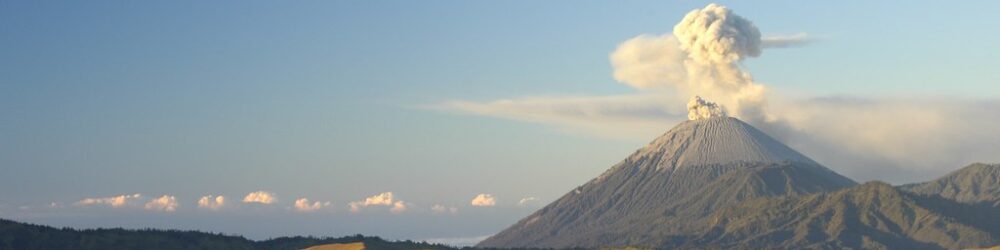
Mount Mihara, an active basaltic stratovolcano on Izu Ōshima Island, offers a compelling moderate trek with dramatic volcanic landscapes, accessible crater rim views, and panoramic vistas including Mount Fuji. This guide covers geology, terrain, routes, safety, and logistics for an immersive volcano hiking experience.
Quick Volcano Snapshot
| Volcano type | Stratovolcano |
|---|---|
| Elevation | 758 meters |
| Location | Izu Ōshima Island, Japan |
| Activity status | Active |
| Trekking difficulty | Moderate |
| Typical trek duration | 3-4 hours |
| Altitude gain | Approximately 300 meters |
| Terrain type | Lava fields, scoria slopes, volcanic ash, rocky crater rim |
| Best season | Year-round (spring to autumn preferred for weather) |
| Temperature range | 5°C to 25°C depending on season |
| Permit requirement | No permit required |
The Experience of Hiking Mount Mihara
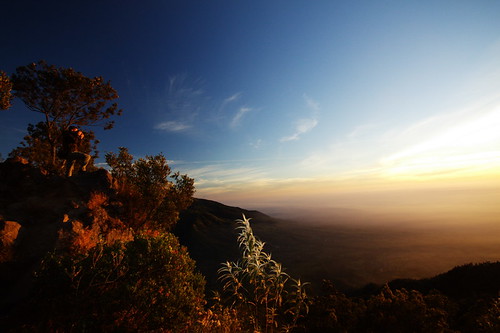
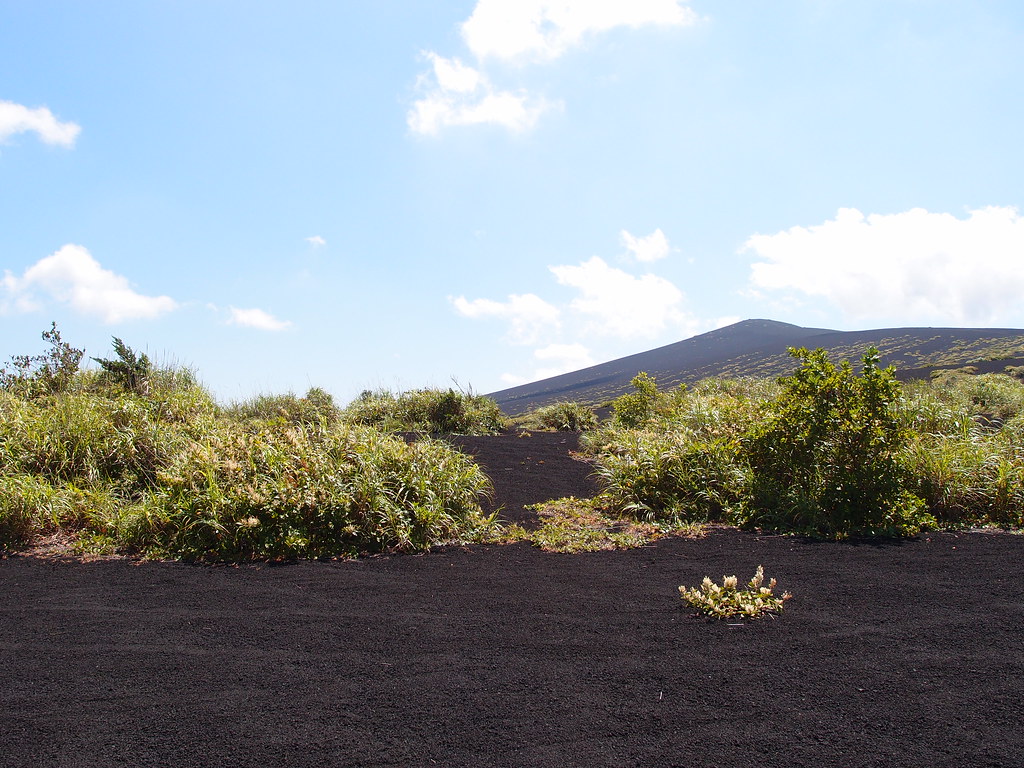
Approaching Mount Mihara, the stark contrast between the black volcanic terrain and the surrounding lush greenery immediately commands attention. The rugged lava fields stretch beneath a vast sky, while the imposing crater rim looms ahead. As you ascend, the raw geological power of this active volcano becomes palpable. The air carries a faint scent of sulfur, and the landscape tells a story of fire and transformation. Reaching the summit, the panorama unfolds with views of the Pacific Ocean and, on clear days, the iconic silhouette of Mount Fuji. The emotional impact of standing on an active crater rim, feeling the earth’s heat beneath your feet, is a profound encounter with nature’s elemental forces.
Mount Mihara: Geological Background
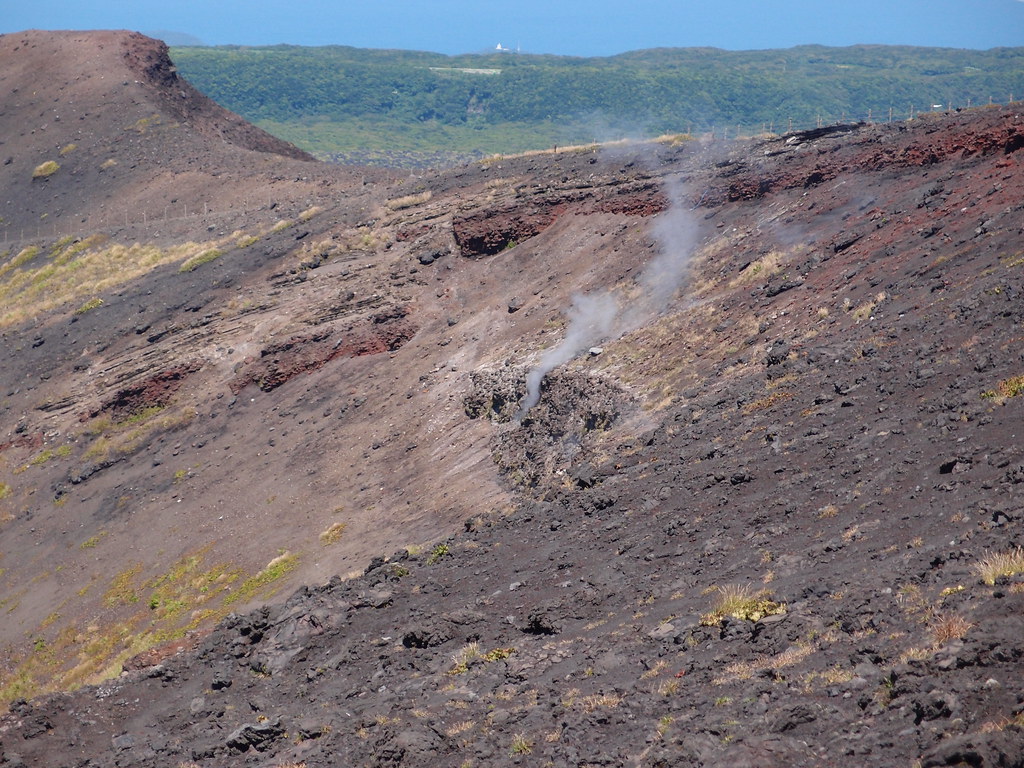
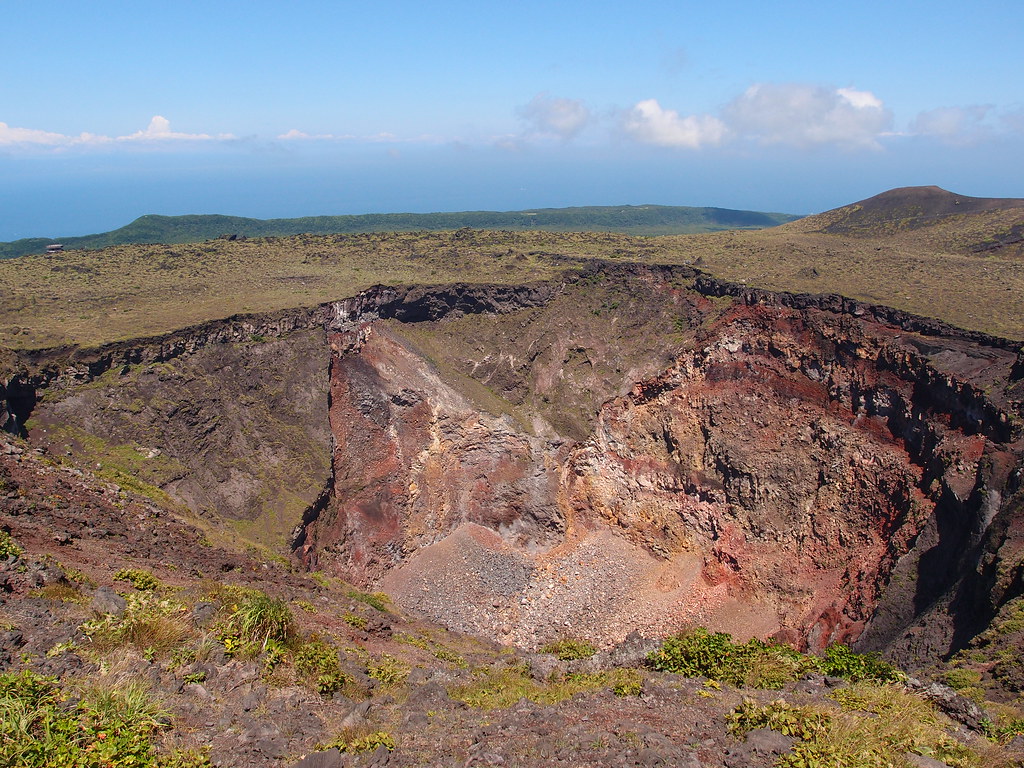
Mount Mihara is a basaltic stratovolcano forming the central scoria cone of Izu Ōshima Island. Rising 758 meters above sea level, it sits within a 4-kilometer-wide summit caldera. The volcano’s structure is built from layers of scoria, lava flows, and pyroclastic deposits formed by repeated explosive eruptions. Notable eruptions include the dramatic 1986 event, which produced lava fountains up to 1.6 kilometers high and ash plumes reaching 16 kilometers into the sky. The crater, approximately 800 meters in diameter, features fumaroles and steam vents that emit sulfurous gases, creating a dynamic and evolving landscape. Mount Mihara is part of the Izu-Bonin volcanic arc, shaped by subduction processes beneath the Pacific Ocean.
Terrain and Hiking Experience on Mount Mihara
The hike to Mount Mihara’s summit is characterized by varied volcanic terrain. Trekkers traverse hardened lava fields and loose scoria slopes, requiring steady footing and good hiking boots. The trail includes gentle ascents on paved and natural paths, with occasional rocky sections near the crater rim. Winds can be strong and temperatures cooler at higher elevations, so layered clothing is advisable. The terrain’s volcanic ash and pumice create a unique hiking surface that can be slippery in places. Altitude effects are mild due to the moderate elevation, but the exposed crater rim demands caution. Overall, the hike offers a balanced challenge suitable for moderately fit adventurers.
What Makes the Mount Mihara Trek Unique
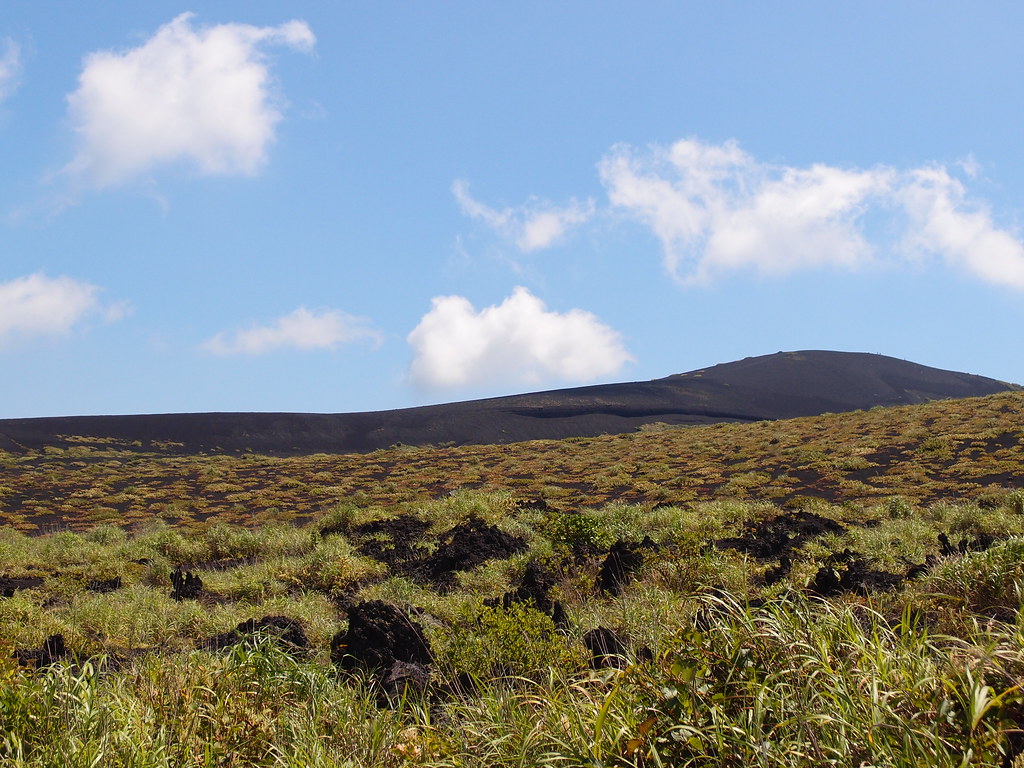
Mount Mihara’s trek stands out for its accessible active crater rim, allowing hikers to experience volcanic activity up close. The 1986 eruption’s lava flows and ash deposits remain visible, offering a tactile connection to recent geological events. The panoramic views from the summit include the Pacific Ocean and, on clear days, the majestic Mount Fuji, creating a rare juxtaposition of volcanic and iconic Japanese landscapes. The island’s cultural history, including its past as a place of exile and its role in Japanese fiction, adds depth to the adventure. The trek’s moderate difficulty and well-maintained trails make it an exceptional volcano hiking destination in Japan.
Summit and Crater Experience at Mount Mihara
Reaching the summit of Mount Mihara reveals a vast, bowl-shaped crater approximately 800 meters wide. The rim offers dramatic views of steaming fumaroles and sulfur vents, with the faint smell of sulfur permeating the air. The ground beneath often radiates residual heat, a reminder of the volcano’s active nature. The sound of escaping gases adds an eerie soundtrack to the scene. From this vantage point, hikers can gaze across the island’s rugged volcanic landscape and beyond to the ocean horizon. The sensory experience—sight, smell, sound, and touch—immerses visitors in the living geology of Mount Mihara.
Best Time to Trek Mount Mihara
Mount Mihara is accessible year-round, but the best trekking seasons are spring through autumn when weather conditions are milder and more stable. Winters can be cold and windy, especially near the crater rim, requiring warm clothing. The summer months offer lush island vegetation but can bring occasional rain and humidity. Volcanic activity is continuously monitored, and access may be restricted during heightened alert levels. Early morning or late afternoon treks provide softer light for photography and more comfortable temperatures. Avoiding the rainy season ensures safer trail conditions and clearer views.
Trekking Routes and Trail Options on Mount Mihara
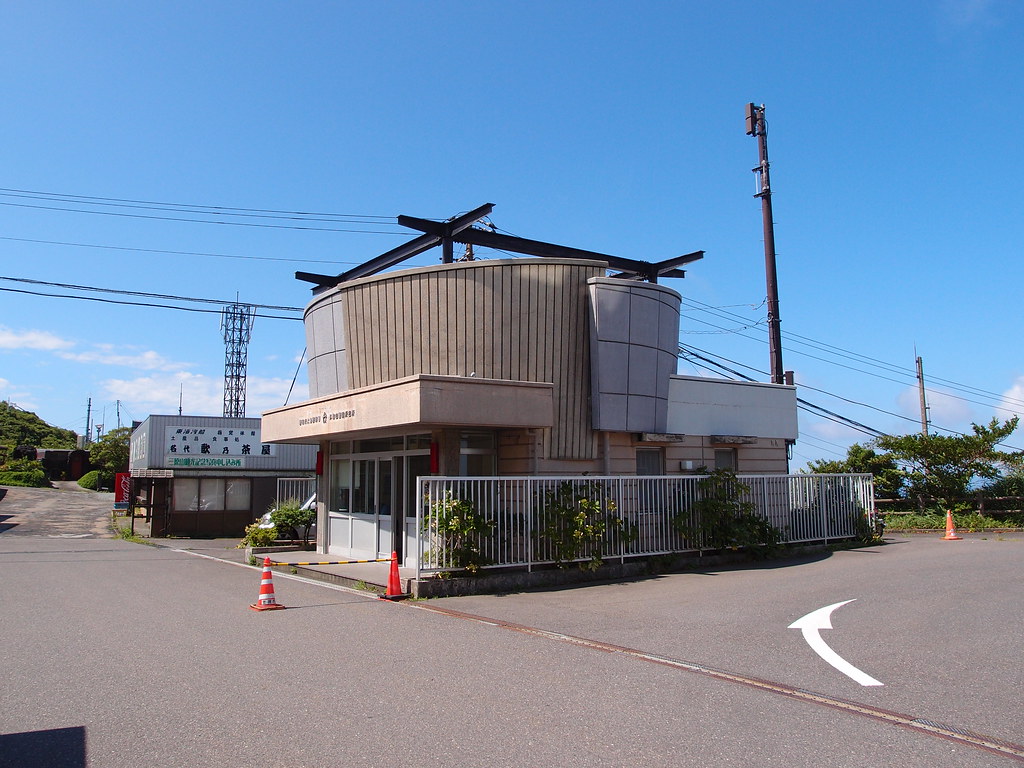
The primary route starts at the Mihara-sanchoguchi Bus Stop or the visitor center near the parking lot. The trail ascends gently through volcanic terrain, passing lava fields from the 1986 eruption. The paved summit trail leads to the crater rim in about 40 minutes. From the summit, the Ohachi-meguri Course loops around the crater rim, offering close views of fumaroles and volcanic formations, taking approximately one hour. The return descent follows the same path, totaling around 3 to 4 hours for the full hike. Guided tours are available, providing geological insights and safety guidance, while self-guided hikers should prepare with maps and weather updates.
Difficulty Assessment of Mount Mihara Trek
Mount Mihara is classified as a moderate volcano trek. The terrain includes uneven volcanic rock, loose scoria, and occasional steep sections near the crater rim. The altitude gain is modest at about 300 meters, minimizing altitude sickness risk. No technical climbing skills or equipment are required, making it accessible to hikers with reasonable fitness. Weather and wind conditions can increase difficulty, especially near the exposed summit. Overall, it is suitable for hikers comfortable with moderate physical exertion and navigating volcanic terrain.
Essential Volcano Trekking Gear for Mount Mihara
Key gear includes sturdy hiking boots with good grip to handle rocky and loose volcanic surfaces. Trekking poles can aid balance on uneven terrain. Lightweight, breathable clothing layered with a windproof jacket is recommended due to variable summit conditions. Sun protection—hat, sunglasses, and sunscreen—is essential as shade is minimal. Carry sufficient water and snacks for hydration and energy. A headlamp is useful for early morning or late afternoon treks. Although volcanic gases are generally low, sensitive individuals may consider a lightweight respirator or mask. A map or GPS device and a fully charged phone enhance safety.
Safety and Volcanic Hazards on Mount Mihara
Mount Mihara is an active volcano monitored by Japanese volcanic agencies. Risks include sudden gas emissions, unstable crater edges, loose scree, and falling rocks. Visitors must heed official warnings and avoid restricted areas during elevated volcanic activity. Weather can change rapidly, increasing exposure risk on the crater rim. Staying on marked trails reduces hazard exposure. Guides provide critical safety information and emergency procedures. It is essential to check volcanic activity reports before trekking and to carry communication devices. Respecting local regulations ensures a safe and responsible volcano hiking experience.
Permits, Guides, and Logistics for Mount Mihara Trekking
No special permits are required to hike Mount Mihara, but park entry fees may apply during peak seasons. Guided tours are recommended for first-time visitors to enhance safety and geological understanding. Local guides offer bilingual support in English and Japanese. Seasonal closures can occur during volcanic unrest or adverse weather. Access to trailheads is facilitated by buses from ferry ports during busy periods; off-season transport options are limited, so planning is essential. Booking accommodations and transport in advance is advised, especially during holidays. Following local rules and guidelines preserves the environment and visitor safety.
Where to Stay Near Mount Mihara
Accommodation options on Izu Ōshima Island include guesthouses, eco-lodges, and small hotels primarily located near the ports of Okata and Motomachi. These bases offer convenient access to the Mihara trailhead via local buses or taxis. While there is no camping on the volcano itself, several inns provide authentic local hospitality and cuisine. Staying near the ferry terminals allows easy arrival and departure. For a more immersive experience, some visitors choose to stay in traditional ryokan or family-run guesthouses, enjoying island culture alongside their volcano adventure.