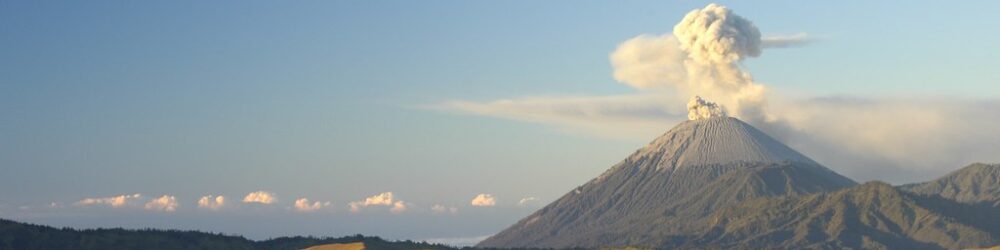

Mount Lokon Volcano Trekking Guide: Exploring North Sulawesi’s Active Stratovolcano
Mount Lokon, an active stratovolcano in North Sulawesi, Indonesia, offers a thrilling moderate trek through volcanic landscapes to its accessible Tompaluan crater. This guide covers geology, terrain, routes, safety, permits, and local insights for adventurous volcano hikers.
Quick Volcano Snapshot
| Volcano type | Stratovolcano |
|---|---|
| Elevation | 1,580 meters |
| Location | North Sulawesi, Indonesia |
| Activity status | Active |
| Trekking difficulty | Moderate |
| Typical trek duration | 1.5 to 2 hours to crater rim |
| Altitude gain | Approximately 330 meters from Tomohon (800m to 1,130m crater rim) |
| Terrain type | Lava riverbed, volcanic ash slopes, rocky paths, tall grass near summit |
| Best season | Dry season (May to October) |
| Temperature range | 15°C to 25°C |
| Permit requirement | Required from local authorities |
The Experience of Hiking Mount Lokon
Approaching Mount Lokon, the landscape shifts from lush agricultural fields around Tomohon to stark volcanic terrain. The air carries a faint sulfur scent, hinting at the volcano’s restless nature. Hiking along a smooth lava riverbed, the path winds upward beneath towering volcanic peaks. The contrast between fertile lowlands and the barren, rugged slopes evokes the raw power of Earth’s forces. Reaching the Tompaluan crater rim, hikers stand at the edge of an active volcano, where steam vents hiss and sulfurous gases swirl. The panorama reveals smoking vents, distant islands, and the vibrant town below, delivering an unforgettable encounter with volcanic vitality.
Mount Lokon: Geological Background
Mount Lokon is a twin stratovolcano complex featuring the active Tompaluan crater nestled between Lokon’s 1,580-meter summit and the older Empung peak. Formed by subduction of the Indo-Australian plate beneath the Eurasian plate, Lokon’s eruptions have been frequent and explosive, producing lava flows, ash deposits, and fumarolic activity. The Tompaluan crater is the main vent, characterized by steaming fumaroles and sulfur deposits. The volcano’s dome-shaped summit is cloaked in razor-sharp grasses, while the surrounding lava fields reveal smooth, hardened flows. These geological features illustrate ongoing volcanic processes shaping North Sulawesi’s dynamic landscape.
Terrain and Hiking Experience on Mount Lokon
The trek begins at Tomohon town (800m elevation), progressing along country lanes before entering a dry lava riverbed. This smooth basaltic surface can be slippery, especially after rain. The ascent involves moderate climbing over loose volcanic rocks and ash slopes. Near the crater, the terrain becomes steeper and more rugged, with patches of tall, sharp grass requiring protective clothing. Wind intensifies near the summit, and temperature can drop noticeably. The trail demands steady footing and moderate fitness but rewards hikers with close-up views of volcanic activity and expansive vistas.
What Makes the Mount Lokon Trek Unique
Mount Lokon’s frequent eruptions and accessible active crater set it apart from many volcano treks. Hikers can witness steaming fumaroles and sulfur vents within a few hours’ climb. The juxtaposition of the lush agricultural landscape below and the stark volcanic terrain above creates dramatic visual contrasts. The twin volcano structure, with the overgrown Empung crater and the active Tompaluan crater, offers diverse geological features. Additionally, the cultural richness of nearby Tomohon town and the panoramic views of surrounding islands and volcanoes enhance the trek’s uniqueness.
Summit and Crater Experience on Mount Lokon
Reaching the Tompaluan crater rim, hikers encounter a steaming, sulfurous landscape alive with volcanic energy. The smell of sulfur is pungent, and the heat from fumaroles warms the air. Gases hiss and escape through vents, creating a sensory tableau of Earth’s inner forces. From the crater edge, views stretch over Tomohon, the Bunaken islands, and neighboring volcanoes like Soputan. The true summit, though less frequented due to dense razor grass, offers a quieter vantage point crowned by a historic trig pillar. The summit panorama reveals the island’s volcanic tapestry under tropical skies.
Best Time to Trek Mount Lokon
The optimal trekking season is during the dry months from May to October, when trails are less slippery and visibility is clearer. Early morning starts before sunrise increase chances of panoramic views and cooler temperatures. Avoid the rainy season (November to April) due to slippery lava beds and increased risk of mudflows. Volcanic activity levels should be monitored closely; authorities may restrict access during heightened alert stages. Trekking is safest when volcanic gas emissions are low and weather conditions stable.
Routes and Trail Options on Mount Lokon
The primary route begins in Tomohon town, ascending through agricultural lanes to a stone quarry, then following the lava riverbed to the Tompaluan crater rim. This route is approximately 3-4 kilometers one way, with an elevation gain of about 330 meters, typically taking 60 to 90 minutes. Some hikers attempt the more challenging summit route, which involves navigating dense razor grass and steep slopes, requiring gloves and possibly a machete. Guided tours are recommended for safety and geological insights. Self-guided options exist but require careful preparation.
Difficulty Assessment of Mount Lokon Trek
Mount Lokon is classified as a moderate volcano trek. The terrain includes slippery lava flows, loose volcanic rocks, and steep ash slopes. Altitude is moderate, peaking at 1,580 meters, minimizing altitude sickness risk. No technical climbing skills are required, but hikers should have good fitness and surefootedness. The summit route is more demanding due to dense vegetation and uneven ground. Overall, the trek suits hikers with some experience in volcanic terrain and moderate endurance.
Essential Gear for Mount Lokon Volcano Trekking
Recommended gear includes sturdy hiking boots with good grip for slippery lava surfaces, trekking poles for stability, and long trousers with gloves to protect against razor-sharp grasses near the summit. A windproof jacket is essential for summit winds and cooler temperatures. Carry a headlamp for early morning starts, ample water for hydration, and sun protection such as a hat and sunscreen due to limited shade. A gas mask or respirator is advisable during periods of increased volcanic gas emissions. A machete may be useful for summit route vegetation clearance.
Safety and Volcanic Hazards on Mount Lokon
Mount Lokon’s active status poses risks including sudden phreatic eruptions, toxic volcanic gases, unstable crater edges, and falling rocks. The Indonesian Geological Agency monitors activity and issues warnings; hikers must heed official advisories and respect exclusion zones, currently expanded to a 2.5-kilometer radius around Tompaluan crater. Wearing masks protects against sulfur dioxide exposure. Weather can change rapidly, increasing hazards on slippery lava beds. Guides enhance safety by navigating hazards and communicating real-time conditions.
Permits, Guides, and Logistics for Mount Lokon Trek
A hiking permit is required from local authorities in Tomohon. Hiring an English-speaking local guide is strongly recommended for safety and enriched geological understanding. Guides assist with navigation, hazard awareness, and permit procedures. Access to the volcano may be restricted during elevated volcanic activity. Transportation from Manado to Tomohon is available via taxi, shared minivans, or arranged by tour operators. Accommodation and guide services can be booked in Tomohon, the main base for the trek.
Where to Stay Near Mount Lokon
Tomohon town, situated at approximately 800 meters elevation, offers a range of accommodations including guesthouses, eco-lodges, and budget hotels. Staying in Tomohon provides convenient access to the trailhead and local amenities. Manado city, 30 kilometers away, offers more extensive lodging and transport options but requires additional travel time. Some trekking tours include transport and accommodation packages. Early booking is advised during peak dry season to secure preferred lodging.
