
Trekking Mount Fuego: The Ultimate Guide to Guatemala’s Most Active Volcano Adventure
Mount Fuego, one of Central America's most active stratovolcanoes, offers a demanding yet unforgettable trekking experience. This guide covers its geology, terrain, safety protocols, trekking routes, and practical tips for adventurers seeking close encounters with volcanic power in Guatemala Highlands.
Quick Volcano Snapshot
| Volcano type | Stratovolcano |
|---|---|
| Elevation | 3,763 meters (12,346 feet) |
| Location | Guatemala Highlands, Guatemala |
| Activity status | One of Central America's most active volcanoes with frequent eruptions |
| Trekking difficulty | Demanding |
| Typical trek duration | 8 to 12 hours round trip |
| Altitude gain | Approximately 1,000 meters |
| Terrain type | Volcanic ash slopes, pumice, rocky paths, forested lower flanks |
| Best season | Dry season (November to April) |
| Temperature range | 5°C to 20°C (41°F to 68°F), colder near summit |
| Permit requirement | Mandatory permits included with guided tours |
The Thrill of Trekking Mount Fuego
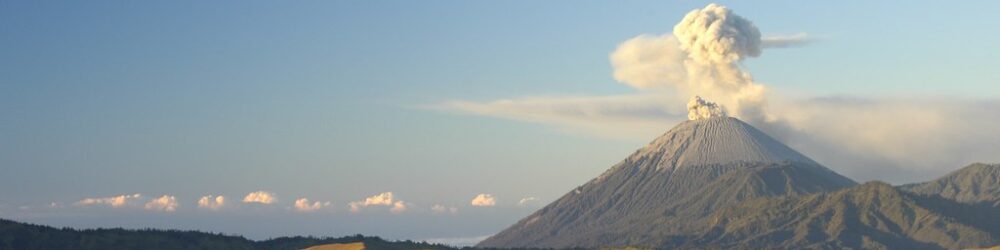
Approaching Mount Fuego, the landscape transforms from lush forests to stark volcanic slopes. The air vibrates with the energy of one of Central America's most active stratovolcanoes. Frequent eruptions send glowing lava and ash plumes into the sky, creating a dramatic backdrop. Trekking here is an intense encounter with Earth's fiery core, contrasting rugged terrain with vibrant life on the lower flanks. Reaching vantage points near the crater inspires awe and respect for the relentless geological forces shaping this iconic peak.
Mount Fuego: A Living Stratovolcano
Mount Fuego is a classic stratovolcano built from layers of hardened lava, ash, and volcanic debris. Its eruptions occur frequently, sometimes every 15 to 30 minutes, sculpting steep slopes and active lava flows. The summit crater remains restless, emitting sulfurous gases and steam through fumaroles. Sulfur deposits and fresh volcanic minerals color the terrain, while explosive activity continuously reshapes the landscape. This dynamic geology offers trekkers a rare, close-up view of volcanic processes in action.
Navigating Fuego’s Volcanic Terrain
The trek starts through dense pine and oak forests, gradually transitioning to volcanic soil and loose pumice. Steep ash slopes challenge footing, while rocky paths require careful scrambling. Near the summit ridge, winds intensify and temperatures drop sharply. The unstable terrain demands steady balance and endurance, with altitude effects becoming noticeable above 3,000 meters. The combination of soft ash and jagged lava rock creates a demanding yet exhilarating hiking experience.
Why Mount Fuego Stands Apart
Mount Fuego’s near-constant activity makes it one of the few volcanoes where hikers witness frequent eruptions. Glowing lava bursts and ash clouds create a spectacular natural light show, especially at dusk and night. Unlike many dormant volcanoes, Fuego’s live volcanic theater unfolds just meters from trekking routes. This proximity to active lava flows, combined with the cultural richness of the Guatemala Highlands, makes the trek uniquely thrilling and unforgettable.
The Edge of Fire: Summit and Crater Views
Summit access to Fuego’s crater is prohibited due to safety risks. However, trekkers can reach a narrow ridge offering breathtaking views of eruptive activity. Here, the sulfurous scent fills the air and the ground vibrates with escaping gases. The fiery glow of molten lava contrasts with the night sky, while ash plumes drift across panoramic vistas of surrounding volcanoes and valleys. This sensory immersion into volcanic power is both humbling and exhilarating.
Optimal Seasons for Trekking Mount Fuego
The dry season from November to April provides the best trekking conditions, with clearer skies and stable weather. Daytime climbs offer warmer temperatures, but many hikers prefer night ascents to witness spectacular lava eruptions against the dark sky. The rainy season, from May to October, is best avoided due to slippery trails and increased volcanic hazards. Always check current volcanic activity reports and local advisories before planning your trek.
Trekking Routes and Trail Choices
Most treks begin in the village of La Soledad, ascending through forested lower slopes to a base camp near Acatenango Volcano. From there, guided groups undertake the challenging night hike to Fuego’s ridge, gaining approximately 1,000 meters in elevation. The round trip covers about 12 kilometers, with stops at lookout points for safe eruption viewing. Guided tours provide essential safety briefings and equipment, as independent summit attempts are prohibited.
Assessing the Trekking Challenge
Mount Fuego’s trek is demanding due to steep inclines, loose volcanic ash, and high altitude. Good physical fitness and acclimatization are necessary. While technical climbing skills are not required, trekking poles and sturdy boots are essential. The night hike adds complexity because of darkness, cold temperatures, and strong winds. This trek is unsuitable for beginners or individuals with respiratory issues caused by volcanic gases.
Gear Essentials for Mount Fuego Trekking
Essential gear includes hiking boots with excellent grip, trekking poles for stability on loose ash, and gaiters to protect footwear from volcanic ash. A windproof jacket and warm layers are vital for cold summit conditions. Headlamps are mandatory for night climbs. Due to sulfur gases, carrying a gas mask or respirator is recommended. Hydration systems and sun protection such as hats and sunscreen are critical, as shade is minimal on upper slopes.
Navigating Risks and Hazards
Trekking Mount Fuego involves exposure to volcanic gases like sulfur dioxide, unstable crater edges, falling rocks, and sudden eruptions. Loose scree and ash increase slip risks. Authorities strictly enforce access restrictions near the summit for safety. Licensed guides monitor volcanic activity closely and communicate warnings. Hikers must follow instructions, carry emergency gear, and be prepared for rapid weather changes.
Permits, Guides, and Trekking Logistics
Permits are mandatory and included in guided tour packages. Independent summit attempts are illegal due to safety concerns. Licensed guides provide safety briefings, equipment rental, and emergency support. Tours typically include transport from Antigua to La Soledad. Seasonal closures may occur during heightened volcanic activity. Booking with reputable operators ensures compliance with regulations and enhances safety.
Accommodation and Base Camp Options
Antigua is the primary base for Mount Fuego treks, offering a range of hotels and hostels. Near the trailhead, rustic lodges and eco camps provide overnight stays before and after hikes. Base camp near Acatenango offers tent camping with spectacular views of Fuego’s eruptions. Some operators offer upgraded cabins with amenities. Early booking is recommended during peak season to secure accommodations.