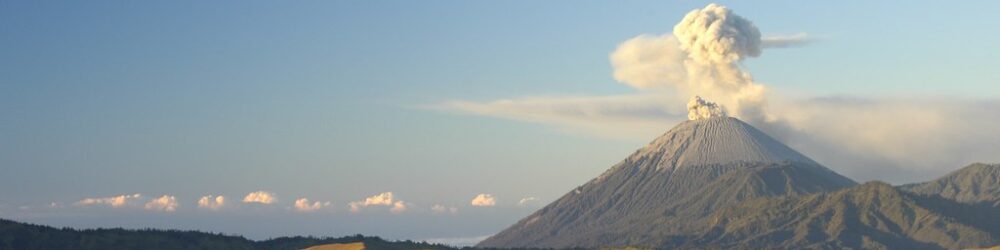

Mount Karisimbi Volcano Trekking Guide: Conquer Rwanda’s Highest Snow-Capped Stratovolcano
Mount Karisimbi, the highest volcano in the Virunga range, offers a demanding two-day trek through diverse vegetation zones, volcanic landscapes, and rich wildlife. This guide covers geology, routes, gear, safety, and best seasons for an unforgettable high-altitude volcano adventure in Rwanda’s Volcanoes National Park.
Quick Volcano Snapshot
| Volcano type | Stratovolcano |
|---|---|
| Elevation | 4,507 meters |
| Location | Virunga Mountains, Rwanda / Democratic Republic of the Congo border |
| Activity status | Dormant |
| Trekking difficulty | Demanding |
| Typical trek duration | 2 days |
| Altitude gain | Approximately 1,800 meters |
| Terrain type | Dense forest, bamboo zones, alpine slopes, volcanic rock, snow-capped summit |
| Best season | Dry seasons: June to October and December to March |
| Temperature range | Daytime 5°C to 10°C; nights below freezing near summit |
| Permit requirement | Required, approx. USD 400 for foreign non-residents |
The Experience of Hiking Mount Karisimbi
Approaching Mount Karisimbi, the highest peak in the Virunga range, reveals a dramatic landscape where dense tropical forests give way to stark volcanic slopes capped with snow. The trail winds through lush greenery before ascending into alpine zones, exposing hikers to the raw geological power that shaped this dormant giant. Reaching the summit, the air thins and the panorama unfolds—neighboring volcanoes, deep valleys, and the vast expanse of the Albertine Rift. The emotional surge of standing atop this towering stratovolcano, feeling the cold wind and glimpsing the snow that inspired its name, is a profound encounter with nature’s grandeur.
Mount Karisimbi: Geological Background
Mount Karisimbi is a stratovolcano formed during the Pleistocene Epoch, approximately 900,000 to 130,000 years ago. Its layered structure of lava and ash built a massive conical shape rising to 4,507 meters. The summit features two craters—the large Mutango crater and the Branca caldera—remnants of past volcanic activity. Though dormant today, the volcano’s slopes bear evidence of ancient lava flows and volcanic minerals. Fumaroles and steam vents are scarce due to dormancy, but the mountain’s geology remains a textbook example of stratovolcanic formation, with steep slopes and varied volcanic rock types shaping the challenging terrain.
Terrain and Hiking Experience on Mount Karisimbi
The trek begins in dense montane forest, transitioning through bamboo thickets and heath zones rich with giant lobelias and senecios. Trails vary from muddy jungle paths to steep volcanic scree and rocky outcrops. Hikers face steep ascents, especially near the summit, where loose volcanic rock and snow patches demand careful footing. Altitude effects become noticeable above 3,500 meters, with thinner air and colder temperatures. Wind exposure increases near the summit ridge, adding to the physical challenge. The terrain’s diversity requires stamina, sure-footedness, and mental resilience to navigate the demanding sections safely.
What Makes the Mount Karisimbi Trek Unique
Mount Karisimbi stands out as the highest volcano in the Virunga Mountains, crowned with a snow-capped summit rarely seen in equatorial Africa. The trek offers a rare combination of tropical biodiversity and alpine volcanic landscapes. Hikers may encounter golden monkeys, mountain gorillas nearby, and over 200 bird species. The proximity to Dian Fossey’s Karisoke Research Center adds historical and conservation significance. The overnight camp at 3,700 meters provides spectacular views of neighboring volcanoes and the glowing lava of Mount Nyiragongo at night, creating a unique blend of natural beauty and volcanic drama.
Summit and Crater Experience on Mount Karisimbi
Reaching the summit is a sensory climax: the cold alpine air carries faint scents of volcanic minerals, while panoramic views stretch across Rwanda, DRC, and Uganda. The vast Mutango crater lies just below, a silent reminder of the volcano’s fiery past. The snow and ice patches glisten under the sun, contrasting with the dark volcanic rock. The summit ridge exposes hikers to strong winds and a profound sense of isolation. The silence is punctuated only by the wind and distant wildlife calls, offering a moment of awe and reflection on the immense geological forces that shaped this peak.
Best Time to Trek Mount Karisimbi
The optimal trekking periods are during the dry seasons from June to October and December to March. These months offer firmer trails, clearer skies, and reduced risk of slippery mud or fog. The rainy seasons bring heavy showers, fog, and muddy paths that increase difficulty and reduce visibility. Early morning starts are recommended to avoid afternoon storms common at high altitude. Seasonal temperature drops, especially at night, require warm gear. Monitoring volcanic activity and park advisories is essential, though Karisimbi is dormant with no recent eruptions.
Routes and Trail Options for Mount Karisimbi
The standard route begins at the foot of Mount Bisoke within Volcanoes National Park. The trek covers approximately 13 kilometers one way, with an elevation gain of about 1,800 meters. The ascent is typically completed over two days, with an overnight camp at 3,700 meters. Guided treks are mandatory, led by experienced park rangers. Porters and cooks can be hired to assist. There are no alternative established routes due to conservation restrictions and terrain challenges. The descent usually takes less time but requires caution on steep, loose slopes.
Difficulty Assessment of Mount Karisimbi Trek
Mount Karisimbi is classified as a demanding volcano trek. The steep slopes, high altitude, and variable terrain require good physical fitness and prior hiking experience. The final summit push is especially challenging due to steepness and altitude. No technical climbing skills are needed, but sure-footedness and endurance are essential. Altitude sickness is a risk; acclimatization and pacing are critical. This trek is unsuitable for beginners and recommended only for well-prepared, adventurous hikers.
Essential Gear for Mount Karisimbi Trekking
Key gear includes sturdy hiking boots with good grip, trekking poles for stability, and gaiters to protect against volcanic ash and mud. Warm layered clothing is vital for cold summit conditions, including thermal underwear, gloves, hat, and windproof jacket. A headlamp is necessary for early starts and night camp. Hydration systems and high-energy snacks support endurance. Insect repellent and sun protection are important due to limited shade. While gas masks are not required, a face buff can help with dust. Camping gear is provided by guides or can be rented.
Safety and Volcanic Hazards on Mount Karisimbi
Though dormant, Mount Karisimbi’s volcanic terrain poses risks such as loose scree, unstable crater edges, and sudden weather changes. Hikers must heed park ranger instructions and avoid wandering off trails. Altitude sickness symptoms require immediate attention. Falling rocks and slippery slopes are common hazards. The Volcanoes National Park authority monitors volcanic activity and issues warnings. Emergency evacuation plans exist but can be slow due to remote location. Proper preparation, guided treks, and awareness minimize risks.
Permits, Guides, and Logistics for Mount Karisimbi
A permit is mandatory, costing approximately USD 400 for foreign non-residents, which includes park entry, guide services, and overnight accommodation on the mountain. Treks must be guided by certified park rangers. Porters and cooks are available for hire. Registration and briefing occur at Volcanoes National Park headquarters in Kinigi before the trek. Booking in advance is essential due to limited permits. Transport to trailheads is arranged from Musanze or Kinigi. Seasonal closures are rare but possible due to weather or conservation needs.
Where to Stay Near Mount Karisimbi
Accommodation options near Volcanoes National Park headquarters in Kinigi include lodges, eco-camps, and guesthouses catering to trekkers. Wilderness Sabyinyo Lodge and similar establishments offer comfortable stays with easy access to briefing points. Budget hostels and community guesthouses are also available in Musanze town, about 30 minutes away. Staying near the park the night before the trek is recommended to ensure timely briefing and early start. Some campsites on the mountain provide basic overnight shelter during the trek.

