
Climbing Stromboli Volcano: Trekking Italy’s Ever-Active 'Lighthouse of the Mediterranean'
Discover the thrilling ascent of Stromboli, one of Italy’s most active stratovolcanoes. This demanding trek offers a unique chance to witness near-continuous mild eruptions lighting up the night sky. Explore the rugged lava terrain, steaming vents, and panoramic views of the Aeolian Islands in this expert volcano trekking guide.
Quick Volcano Snapshot
| Volcano type | Stratovolcano |
|---|---|
| Elevation | 924 m |
| Location | Aeolian Islands, Italy |
| Activity status | Active |
| Trekking difficulty | Demanding |
| Typical trek duration | 5 to 7 hours |
| Altitude gain | Approximately 900 m |
| Terrain type | Rocky lava fields, volcanic ash slopes, loose pumice |
| Best season | Late spring to early autumn (May to October) |
| Temperature range | 15°C to 30°C (varies with altitude and season) |
| Permit requirement | Guide mandatory above 290 m; permit included with guided tours |
The Experience of Hiking Stromboli Volcano
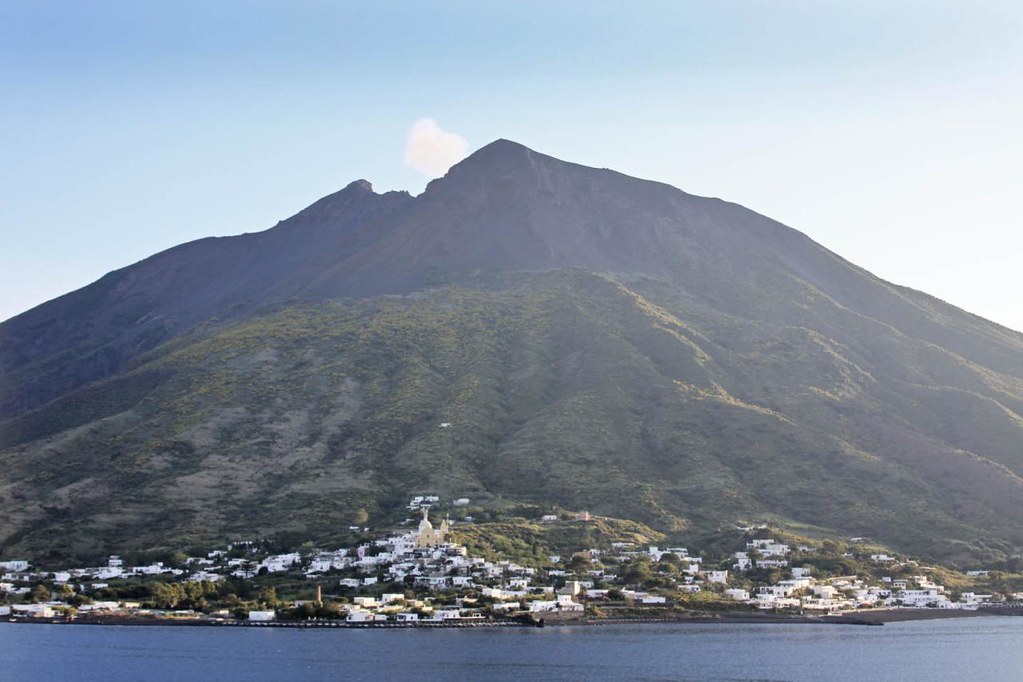
Approaching Stromboli is stepping into a living geological theater. The island’s silhouette rises sharply from the Tyrrhenian Sea, crowned by a smoking summit that never sleeps. As you ascend, barren black lava fields stretch beneath your feet, contrasting starkly with the deep blue sea and lush Mediterranean vegetation below. The air vibrates with distant rumbles and the faint glow of incandescent lava bursts. Reaching the crater rim, you stand on the edge of Earth’s fiery pulse, witnessing explosions of molten rock lighting the night sky every 10 to 30 minutes — a breathtaking spectacle that stirs awe and respect.

Stromboli Volcano: Geological Background
Stromboli is a classic stratovolcano formed by layers of hardened lava, tephra, and volcanic ash. It has been erupting almost continuously for over 2,500 years, earning the nickname 'Lighthouse of the Mediterranean' for its regular fiery bursts visible from afar. Its eruptions are mild but persistent, characterized by Strombolian activity — short-lived explosive bursts ejecting incandescent lava bombs and ash. The summit crater hosts multiple vents with active fumaroles emitting sulfurous gases and steam. Unique geological features include black volcanic sand beaches, rugged lava terraces, and sulfur deposits near vents. The volcano’s persistent activity offers a rare window into ongoing magmatic processes.
Terrain and Hiking Experience on Stromboli
The trek to Stromboli’s summit is physically demanding, involving a steady climb of about 900 meters over rocky, uneven terrain. Trails wind through hardened lava flows, loose volcanic ash, and pumice slopes that challenge footing. Sections require careful scrambling over jagged volcanic rocks. The air thins slightly near the summit, and winds can be strong and chilly, especially at dusk. Hikers experience dramatic shifts from warm coastal temperatures to cooler, wind-swept heights. The trail is unpaved and can be slippery, demanding secure footwear and good balance. The rugged landscape immerses trekkers in a raw volcanic environment rarely matched elsewhere.
What Makes the Stromboli Trek Unique
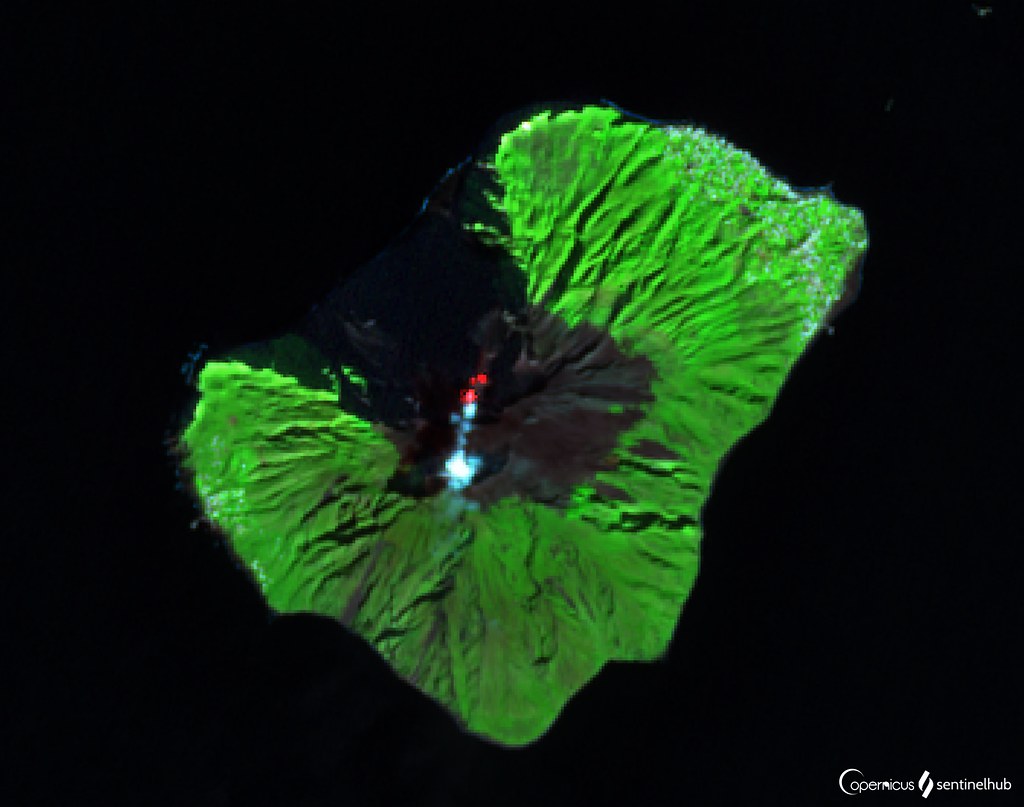
Stromboli’s continuous mild explosive activity is unparalleled, offering a live volcanic light show visible from the crater rim. Unlike dormant volcanoes, here eruptions occur every 10 to 30 minutes, creating a dynamic and mesmerizing spectacle. The volcano’s island setting adds to its uniqueness — surrounded by the Mediterranean Sea and other Aeolian Islands, the views are spectacular. Nighttime treks allow hikers to witness glowing lava bombs arc against the dark sky. The combination of geological activity, island atmosphere, and cultural charm of Stromboli village creates a singular volcano trekking experience.
The Summit and Crater Experience
Reaching Stromboli’s summit crater is a sensory immersion. The air is thick with the sharp scent of sulfur and warm steam rising from fumaroles. You hear the rhythmic explosions sending glowing lava fragments skyward, punctuated by the crackling of cooling rock. The heat radiates from vents beneath your feet, contrasting with the cool night air. Panoramic views stretch across the Aeolian archipelago and the Tyrrhenian Sea, framed by the dark volcanic landscape. The crater’s edge offers a front-row seat to Earth’s fiery breath — a humbling and electrifying moment for any adventurer.
Best Time to Trek Stromboli Volcano
The ideal trekking season runs from late spring through early autumn (May to October), when weather is stable and temperatures are moderate. Summer evenings are popular for guided night hikes to witness eruptions under dark skies. Avoid winter months due to increased rainfall, slippery trails, and cooler temperatures. Volcanic activity is monitored continuously; hikes are only permitted when conditions are safe. Booking guided tours in advance is essential during peak season, as group sizes are limited for safety. Early evening departures allow ascent in daylight and crater viewing at dusk.
Trekking Routes and Trail Options on Stromboli
The main trekking route starts from Stromboli village at sea level and ascends approximately 900 meters to the summit crater. The trail is unpaved, rocky, and steep in sections, taking about 3 hours to ascend and 1 to 1.5 hours to descend. Guided tours are mandatory above 290 meters for safety and legal reasons. Some shorter hikes are possible below this altitude for independent hikers but miss the summit experience. Nighttime guided treks are popular to witness eruptions. Alternative routes explore lower volcanic features and coastal lava fields but do not reach the summit.
Difficulty Assessment of Stromboli Trek
Stromboli’s trek is classified as a demanding volcano ascent. The combination of steep elevation gain, loose volcanic terrain, and exposure to volcanic hazards requires good physical fitness and hiking experience. The trail demands surefootedness on rocky and sandy slopes. Altitude is moderate but can affect breathing near the summit. No technical climbing gear is needed, but hikers must be prepared for variable weather and volcanic activity. This trek is not suitable for beginners or those with respiratory issues due to volcanic gases.
Essential Volcano Trekking Gear for Stromboli
Key gear includes sturdy hiking boots with excellent grip for rocky and loose terrain, trekking poles for stability, and gaiters to protect against volcanic ash. A windproof jacket is essential for summit winds and cooler temperatures. Headlamps are necessary for night ascents. Due to volcanic gases, a lightweight respirator or gas mask is recommended, especially near fumaroles. Hydration systems and sun protection (hat, sunscreen) are critical as shade is minimal. Carry layered clothing to adjust to temperature changes and a small first aid kit.
Safety and Volcanic Hazards on Stromboli
Stromboli’s continuous eruptions pose risks including falling hot rocks, sudden explosive bursts, and toxic volcanic gases. The crater edges can be unstable, and loose scree increases slip hazards. Sudden weather changes and strong winds add to the challenge. Hiking above 290 meters is only allowed with certified guides trained in volcanic monitoring and emergency response. Visitors must follow all safety instructions and evacuation procedures. Real-time volcanic activity updates are available and guides adjust plans accordingly. Respecting safety rules is vital to avoid accidents.
Permits, Guides, and Logistics for Stromboli Trekking
By Italian law, trekking above 290 meters on Stromboli requires a certified guide; permits are included with guided tours. Independent hiking is restricted to lower elevations. Guided tours depart from Stromboli village, usually in late afternoon, returning late evening. Groups are limited in size for safety. Booking in advance is strongly recommended, especially in summer. Guides provide safety equipment and monitor volcanic activity continuously. Visitors must comply with park regulations and respect restricted zones. Logistics include ferry access to Stromboli island and local accommodations.
Where to Stay Near Stromboli Volcano
Accommodation options on Stromboli island range from small guesthouses and eco-lodges in Stromboli village to trekking hostels and family-run inns. Staying in the village offers easy access to trailheads and local amenities. Many lodgings cater to volcano trekkers, offering gear rental and guided tour bookings. For longer stays, some eco camps and boutique hotels provide immersive island experiences. Nearby Aeolian Islands also offer additional lodging for those exploring the archipelago. Early booking is advised during peak season due to limited capacity.