
Trekking Santorini’s Palea Kameni Volcano: A Complete Guide to Hiking Greece’s Volcanic Island and Hot Springs
Explore the active volcanic island of Palea Kameni in Santorini Caldera, Greece. This guide covers the geology, hiking terrain, unique volcanic features, trekking routes, safety tips, and how to experience the island’s famed hot springs and lava landscapes.
Quick Volcano Snapshot
| Volcano type | Lava dome volcano |
|---|---|
| Elevation | 130 meters (427 feet) |
| Location | Santorini Caldera, Greece |
| Activity status | Active (last eruption in 1950) |
| Trekking difficulty | Moderate |
| Typical trek duration | 20–30 minutes ascent to crater rim |
| Altitude gain | Approximately 130 meters |
| Terrain type | Volcanic rock, hardened lava flows, volcanic ash |
| Best season | April to October |
| Temperature range | 15°C to 30°C (59°F to 86°F) |
| Permit requirement | No special permits required |
The Experience of Hiking Palea Kameni Volcano
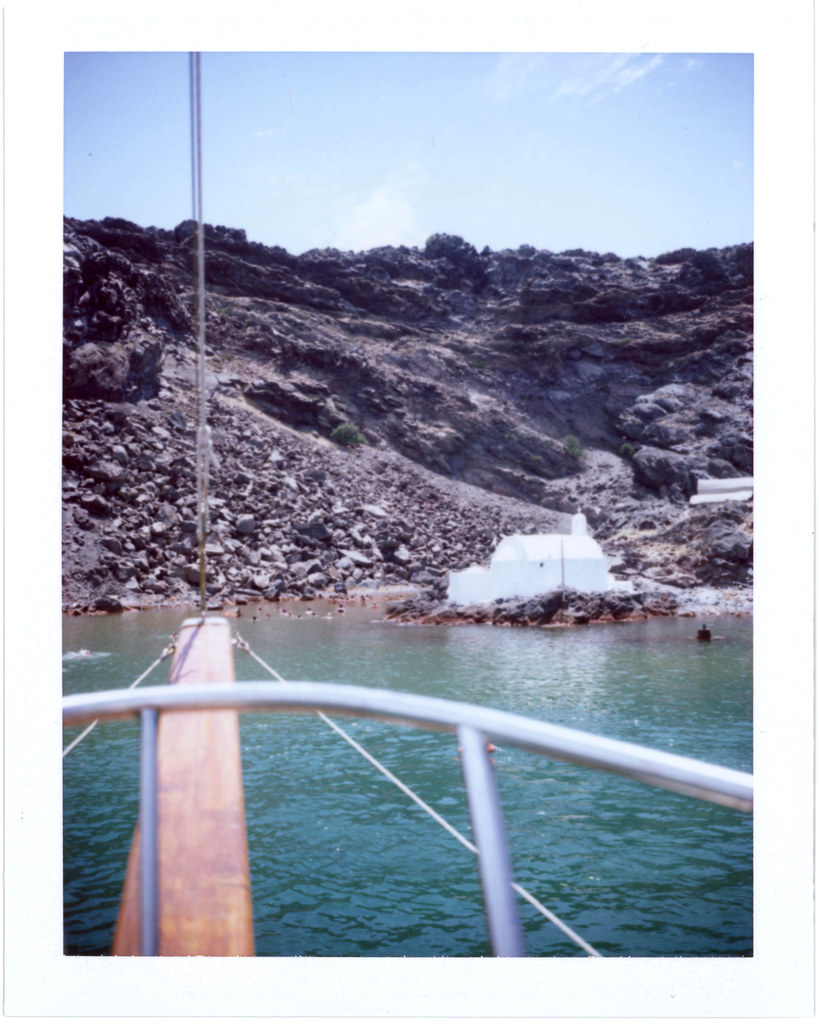
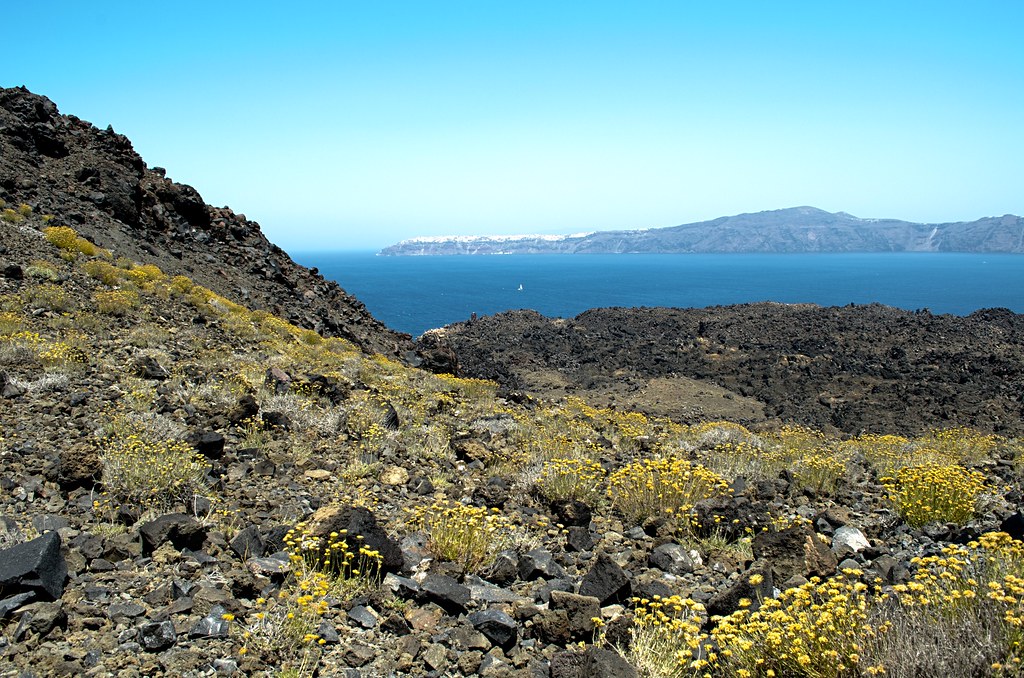
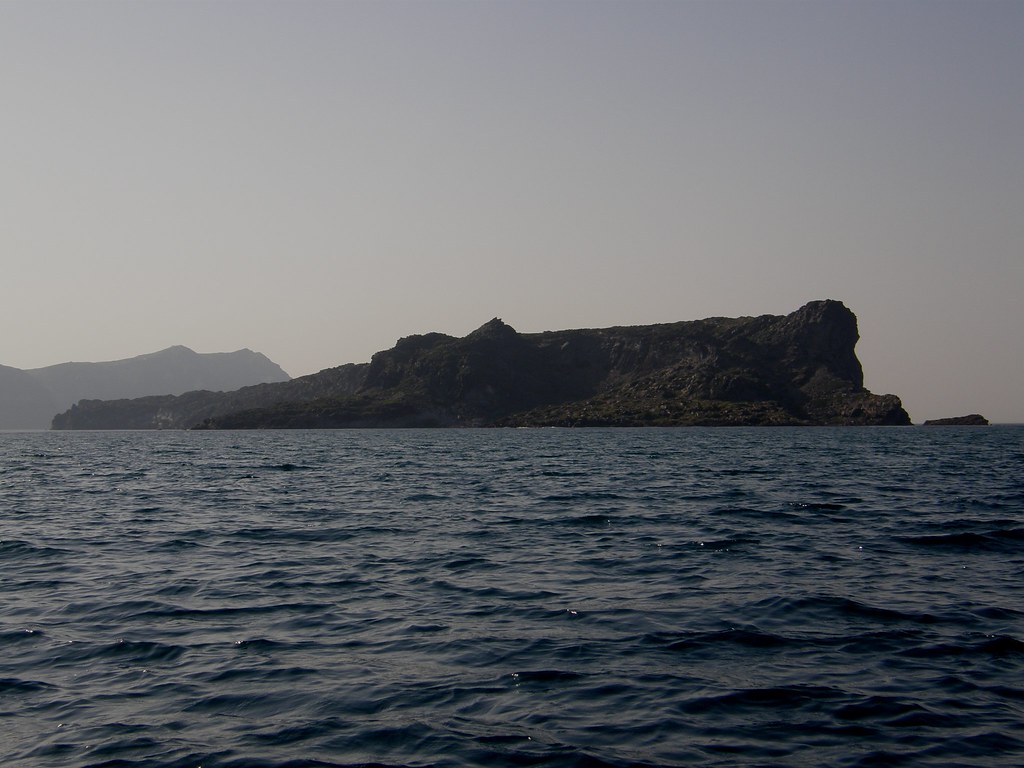
Approaching Palea Kameni, hikers are greeted by a striking contrast between the deep blue Aegean Sea and the black volcanic rock that forms the island. The barren lava domes rise sharply from the water, showcasing raw geological power. Trekking here means walking on a living volcanic landscape shaped by recent eruptions. Steam vents and sulfurous hot springs punctuate the terrain, reminding visitors of the Earth's restless energy. Reaching the crater rim rewards hikers with sweeping views of the Santorini caldera cliffs and the shimmering sea, creating a profound connection to millennia of volcanic history.
Geological Background of Palea Kameni
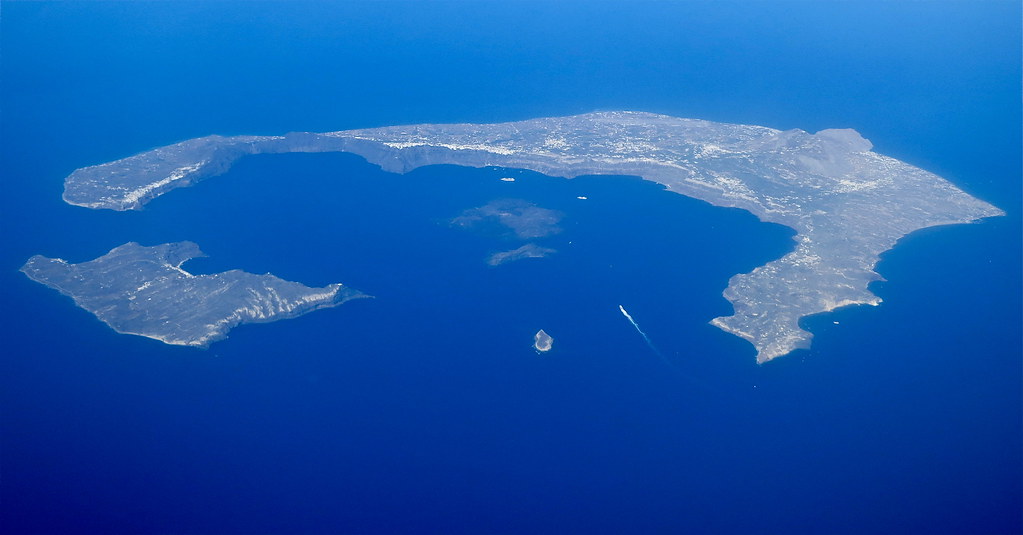
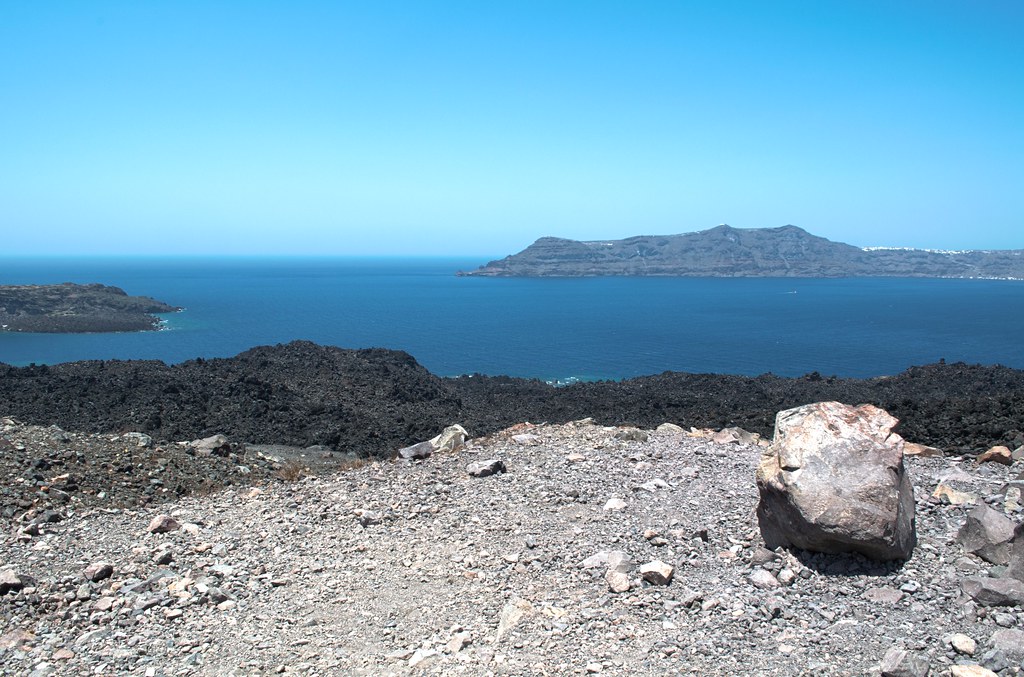
Palea Kameni is part of the Santorini volcanic complex, formed by the subduction of the African tectonic plate beneath the Eurasian plate. The island emerged from a series of eruptions within the flooded Santorini caldera, resulting in lava domes and thick ash deposits. The last eruption occurred in 1950, leaving fresh lava flows and steaming fumaroles visible today. The island's geology is dominated by black volcanic rock rich in basalt minerals, with notable sulfur deposits near the hot springs. The caldera itself was created by a massive eruption approximately 3,600 years ago, which reshaped the landscape and influenced the region’s geological evolution.
Terrain and Hiking Experience on Palea Kameni
The hike on Palea Kameni involves moderate trekking over uneven volcanic terrain. Hikers navigate hardened lava flows, loose volcanic ash, and sharp volcanic rocks. The trail ascends gently toward the crater rim, with occasional scrambling over jagged lava domes. Volcanic soil can be loose and dusty, so sturdy footwear is essential. Winds near the summit are often strong and cool, contrasting with the warm sun at lower elevations. The volcanic landscape offers a raw, otherworldly hiking experience distinct from typical island trails.

What Makes the Palea Kameni Trek Unique
Palea Kameni’s trek stands out due to its combination of recent volcanic activity and accessible hot springs. Unlike many volcano hikes, visitors can swim in sulfur-rich thermal waters heated by subterranean volcanic heat. The island’s black lava domes and steaming fumaroles create a dramatic volcanic desert atmosphere. Its proximity to the iconic Santorini caldera cliffs and the opportunity to witness fresh lava formations make this trek a rare geological adventure in Europe.
Summit and Crater Experience on Palea Kameni
Reaching the crater rim reveals a rugged volcanic landscape marked by cracked lava and steaming vents. The pungent smell of sulfur fills the air, and the heat radiating from fumaroles is palpable. From the summit, panoramic views extend across the caldera’s steep cliffs and the sparkling Aegean Sea. The crater’s raw textures and the sound of escaping volcanic gases immerse hikers in the dynamic power of the Earth beneath their feet.
Best Time to Trek Palea Kameni Volcano
The ideal trekking season runs from spring through early autumn (April to October), when weather is warm and dry. Summer months can be hot with intense sun exposure, so sun protection is essential. Winter months tend to be cooler and wetter, with fewer tours operating. Volcanic activity is continuously monitored, and access may be restricted during periods of increased activity. Early morning or late afternoon hikes offer cooler temperatures and softer light ideal for photography.
Trekking Routes and Trail Options on Palea Kameni
Access to Palea Kameni is by boat from Santorini’s ports, typically Athinios or Fira. The main hiking route is a 20 to 30-minute ascent from the landing beach to the crater rim, following marked trails over volcanic rock. Guided tours often combine the hike with boat stops at the hot springs for swimming. Self-guided hikers should adhere to established paths for safety. Some tours extend to the nearby Nea Kameni island or include sailing around the caldera for a broader volcanic experience.
Difficulty Assessment of the Palea Kameni Trek
This trek is classified as moderate in difficulty. The terrain is uneven, featuring volcanic rock and ash, requiring good balance and sturdy footwear. The altitude is low, approximately 130 meters, so altitude sickness is not a concern. No technical climbing skills are needed, but hikers should be prepared for loose footing and exposed sections near the crater rim. A reasonable fitness level is recommended for the ascent and descent.
Essential Gear for Hiking Palea Kameni
Recommended gear includes sturdy hiking boots with good grip suitable for volcanic rock, trekking poles for added stability, sun protection such as a hat, sunscreen, and sunglasses, and a windproof jacket to guard against summit winds. A swimsuit and towel are essential for enjoying the hot springs. Carry sufficient water and snacks, as there are no facilities on the island. A headlamp is useful for early morning or late afternoon hikes. While a lightweight gas mask is generally not required, it may be helpful near fumaroles for sensitive individuals.
Safety and Volcanic Hazards on Palea Kameni
Volcanic gases such as sulfur dioxide can be present near fumaroles and hot springs; individuals sensitive to these gases should limit exposure. Crater edges may be unstable and require caution. Loose volcanic scree and sharp lava rocks pose slipping and injury risks. Although the volcano is active, eruptions are rare and closely monitored by Greek authorities. Sudden weather changes and strong winds can occur. Always follow official warnings and stay on marked trails for safety.
Permits, Guides, and Logistics for Palea Kameni
No special permits are required to hike Palea Kameni. Access is only by boat, with numerous daily tours departing from Santorini ports. Guided hikes are recommended for safety and geological insight. Self-guided hiking is possible but requires careful navigation. Seasonal closures or restrictions may apply during volcanic unrest. Booking boat tours in advance is advised during peak season to secure availability.
Where to Stay Near Palea Kameni Volcano
The main base for visiting Palea Kameni is Santorini island, with accommodations available in Fira, Oia, and nearby villages. Options range from boutique hotels and guesthouses to luxury resorts. Staying in Fira offers proximity to the main port for boat departures. For a more immersive experience, some travelers choose eco-lodges or boutique stays with caldera views. There are no accommodations on Palea Kameni itself.