
Trekking Mount Vulture: Exploring Italy’s Dormant Volcano with Crater Lakes and Rich Biodiversity
Mount Vulture, a dormant complex volcano in Basilicata, Italy, offers a unique trekking experience featuring extinct crater lakes, lush forests, and panoramic views. This comprehensive guide details its geology, hiking terrain, routes, safety considerations, and logistics for volcano trekking enthusiasts.
Quick Volcano Snapshot
| Volcano type | Complex stratovolcano |
|---|---|
| Elevation | 1,326 m |
| Location | Basilicata, Italy |
| Activity status | Dormant |
| Trekking difficulty | Moderate |
| Typical trek duration | 4 to 6 hours |
| Altitude gain | 600–700 m |
| Terrain type | Volcanic rock, ash slopes, forest trails |
| Best season | April to October |
| Temperature range | Mild to warm (spring to autumn) |
| Permit requirement | No permits required |
The Experience of Hiking Mount Vulture
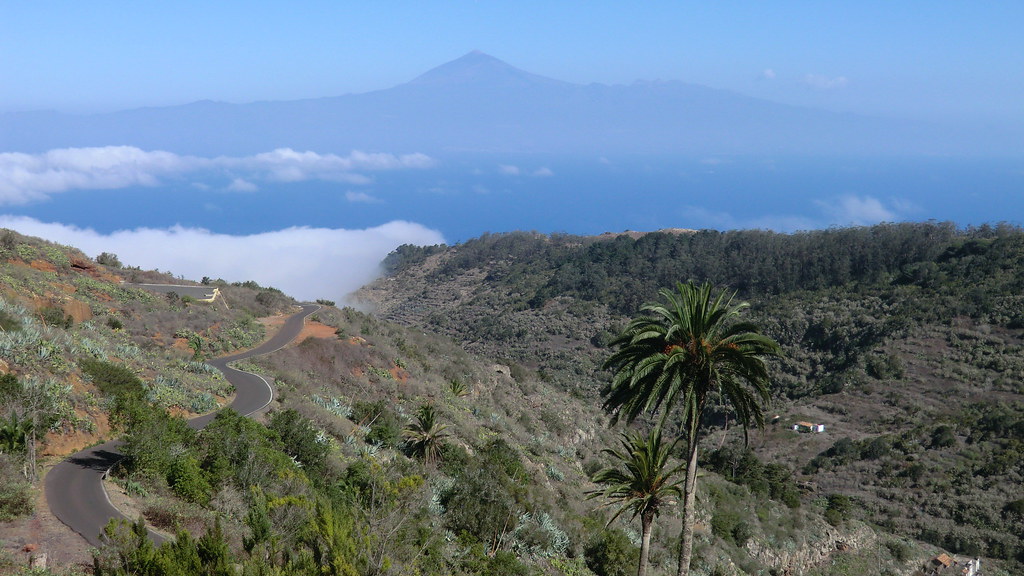
Mount Vulture rises prominently in the Basilicata region, offering trekkers a journey through a landscape shaped by ancient volcanic forces. Approaching the volcano, hikers witness a transition from gentle hills to rugged volcanic formations crowned by crater lakes. The trail weaves through dense chestnut and beech forests, contrasting with stark volcanic rock. This trek invites exploration of a dormant giant, where silence and nature’s resilience create a profound connection to Earth’s volcanic past. The summit rewards with sweeping views over the crater and surrounding Apennine mountains.
Mount Vulture: Geological Background
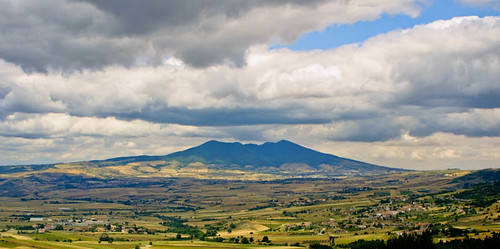
Mount Vulture is a complex stratovolcano formed over the last one million to 40,000 years. Its geological history includes powerful ignimbrite eruptions, lava dome growth, and sector collapses that formed the Valle dei Grigi caldera. The summit area contains two maars filled by the Monticchio Lakes, created by phreatomagmatic explosions when magma interacted with groundwater. The volcano is notable for its rare hauyne-bearing lavas, an uncommon volcanic mineral. Although currently dormant, Mount Vulture’s geology reveals a dynamic evolution of violent eruptions followed by periods of rebuilding and erosion.
Terrain and Hiking Experience on Mount Vulture
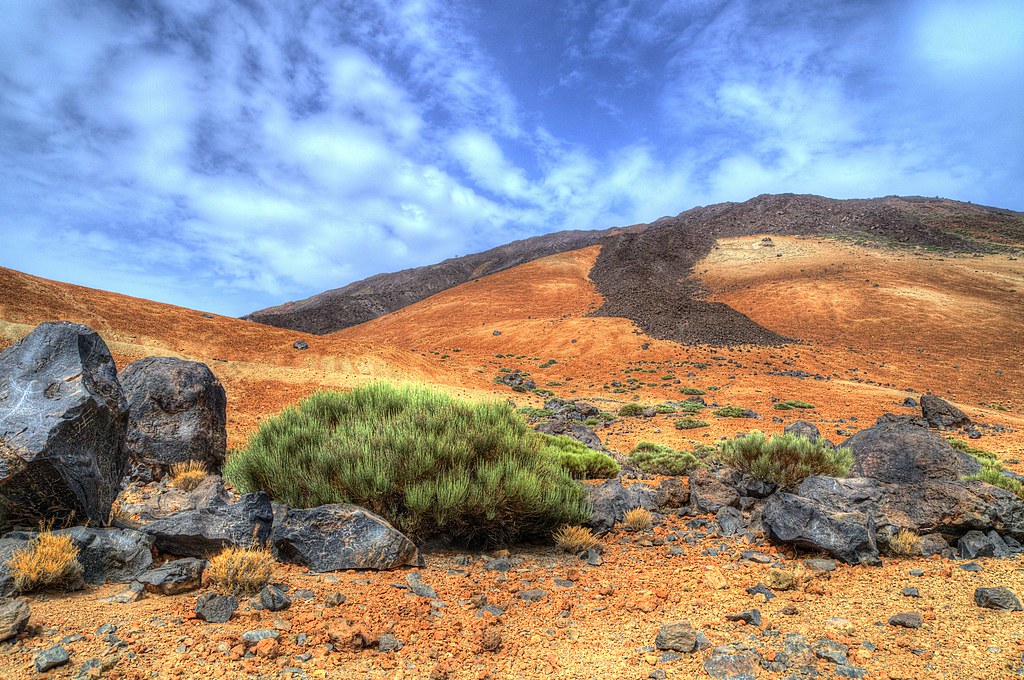
The trek covers diverse terrain, including volcanic rock outcrops, ash-covered slopes, and shaded forest paths. Near the summit, hikers navigate loose scree and rugged lava fields, requiring careful footing and attention. The trail passes through chestnut and beech forests, providing shade and rich biodiversity. Altitude gain is moderate but consistent, with some steep sections challenging endurance. Wind conditions near the crater can be brisk, and temperatures vary significantly between shaded forests and exposed ridges. This variety enhances the hiking experience, blending volcanic landscapes with vibrant natural surroundings.
What Makes the Mount Vulture Trek Unique
Mount Vulture offers a rare combination of an extinct volcano with a striking crater lake ecosystem. Unlike active volcanoes, it allows safe exploration of volcanic features without eruption risk. The Monticchio Lakes nestled within the caldera create unique aquatic habitats surrounded by dense forests. Its location east of the Apennines and the presence of ultra-alkaline lavas containing rare minerals add geological significance. The trek combines volcanic desolation with rich biodiversity, making it a distinctive destination for hikers seeking both natural beauty and scientific interest.
Summit and Crater Experience on Mount Vulture
At the summit, hikers encounter the expansive Valle dei Grigi caldera, home to the twin Monticchio Lakes shimmering below. The crater rim offers panoramic views of Basilicata’s rolling hills and the distant Apennines. The air may carry faint traces of ancient volcanic gases, enhancing the sense of connection to the volcano’s fiery history. The cool breeze and forest scents create a tranquil atmosphere. The rugged crater edges and lakeshores invite reflection on the powerful geological forces that shaped this landscape over millennia.
Best Time to Trek Mount Vulture
The optimal trekking season runs from April through October, when temperatures are mild to warm and trails are generally accessible. Winter months bring snow and cold winds, making hiking more difficult and less safe. Summer afternoons can be hot, so early morning starts are advisable to avoid heat stress. The volcano’s dormant status means no restrictions related to volcanic activity, but weather in mountainous areas can change rapidly. Spring offers blooming flora, while autumn displays vibrant foliage around the crater, enhancing the scenic experience.
Trekking Routes and Trail Options on Mount Vulture
Several well-marked routes lead to Mount Vulture’s summit and crater rim. The most frequented trail begins near the Monticchio villages, ascending through mixed forest and volcanic terrain. Typical trek duration ranges from 4 to 6 hours, with an altitude gain of approximately 600 to 700 meters. Circular trails allow hikers to explore the crater rim and lakeshores fully. Both guided and self-guided options are available, with local operators providing geological insights and historical context. Carrying a map or GPS device is recommended for navigation.
Difficulty Assessment of Mount Vulture Trek
Mount Vulture is classified as a moderate trek suitable for hikers with reasonable fitness and some mountain experience. The terrain includes uneven volcanic rock, loose scree, and forest trails requiring good balance and stamina. No technical climbing skills are necessary, but steady elevation gain and variable footing demand caution. The altitude of 1,326 meters reduces the risk of altitude sickness. Weather and trail conditions can influence difficulty, so preparation and awareness are essential for a safe and enjoyable hike.
Essential Volcano Trekking Gear for Mount Vulture
Recommended gear includes sturdy hiking boots with strong grip for volcanic rock and scree, trekking poles for added stability, and layered clothing to adapt to temperature changes. A windproof jacket is essential near the summit where conditions can be breezy. Sun protection such as a hat, sunglasses, and sunscreen is important due to limited shade on exposed sections. Carry sufficient water and high-energy snacks. Gas masks are unnecessary given the volcano’s dormant status. A headlamp is useful for early starts or late finishes.
Safety and Volcanic Hazards on Mount Vulture
Mount Vulture is an extinct volcano with extremely low volcanic hazard. Nonetheless, hikers should exercise caution near unstable crater edges and loose rocks. The region is seismically active, so minor earthquakes may occur, potentially triggering rockfalls. Staying on marked trails and following local guidance is essential. There are no active fumaroles or hazardous gas emissions. Emergency services and regional seismic monitoring provide additional safety oversight to ensure visitor security.
Permits, Guides, and Logistics for Mount Vulture Trekking
No permits are required to hike Mount Vulture. The volcano lies within the Vulture Regional Natural Park, which promotes responsible trekking practices. Guided tours are available and recommended for those interested in geological details and local history. Park entry is free, though some guided services may charge fees. Seasonal trail closures are rare. Access roads and parking facilities are available near main trailheads, facilitating convenient start points for the trek.
Where to Stay Near Mount Vulture
Accommodation options include guesthouses and small hotels in Monticchio and nearby towns such as Rionero in Vulture. Eco-lodges and agriturismi offer immersive stays amid nature and vineyards, providing authentic local experiences. Some trekking hostels provide budget-friendly lodging close to trailheads. Staying in these villages offers easy access to the volcano and opportunities to enjoy regional culinary specialties, including the renowned Aglianico del Vulture wine.