
Hiking Mount Vesuvius: A Complete Volcano Trekking Guide to Italy’s Legendary Stratovolcano
Mount Vesuvius, Italy’s iconic stratovolcano overlooking Naples, offers an accessible yet profound trekking experience. This guide covers its dramatic geological history, the easy crater hike, safety tips, best seasons, and how to combine your visit with nearby Pompeii and Naples tours.
Quick Volcano Snapshot
| Volcano type | Stratovolcano |
|---|---|
| Elevation | 1,281 m |
| Location | Campania, Italy |
| Activity status | Active (dormant since 1944) |
| Trekking difficulty | Easy |
| Typical trek duration | 2-3 hours round trip |
| Altitude gain | Approximately 400 m |
| Terrain type | Volcanic ash slopes, rocky lava fields |
| Best season | Spring to early autumn (April to October) |
| Temperature range | 10°C to 25°C depending on season and elevation |
| Permit requirement | Yes, park entry ticket required |
The Experience of Hiking Mount Vesuvius
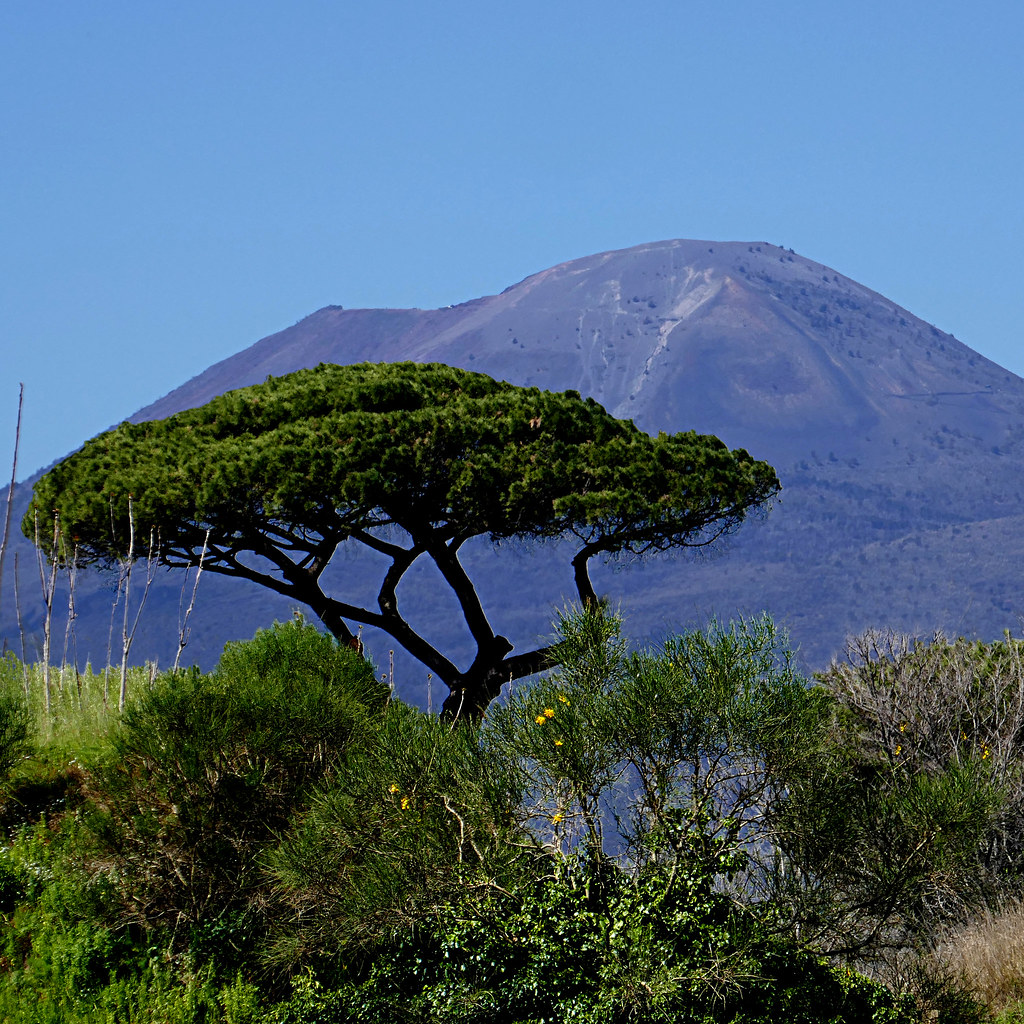
Approaching Mount Vesuvius, the landscape shifts from lush Mediterranean greenery to stark volcanic terrain. The towering cone looms above the Bay of Naples, a silent sentinel with a history etched in fire and ash. Hiking its slopes, you feel the raw geological power beneath your feet—ancient lava flows and ash deposits tell stories of cataclysmic eruptions. The trail leads you to the crater rim, where panoramic views of Naples, the sea, and the vast caldera evoke awe and reflection on nature's might and fragility.

Mount Vesuvius: Geological Background
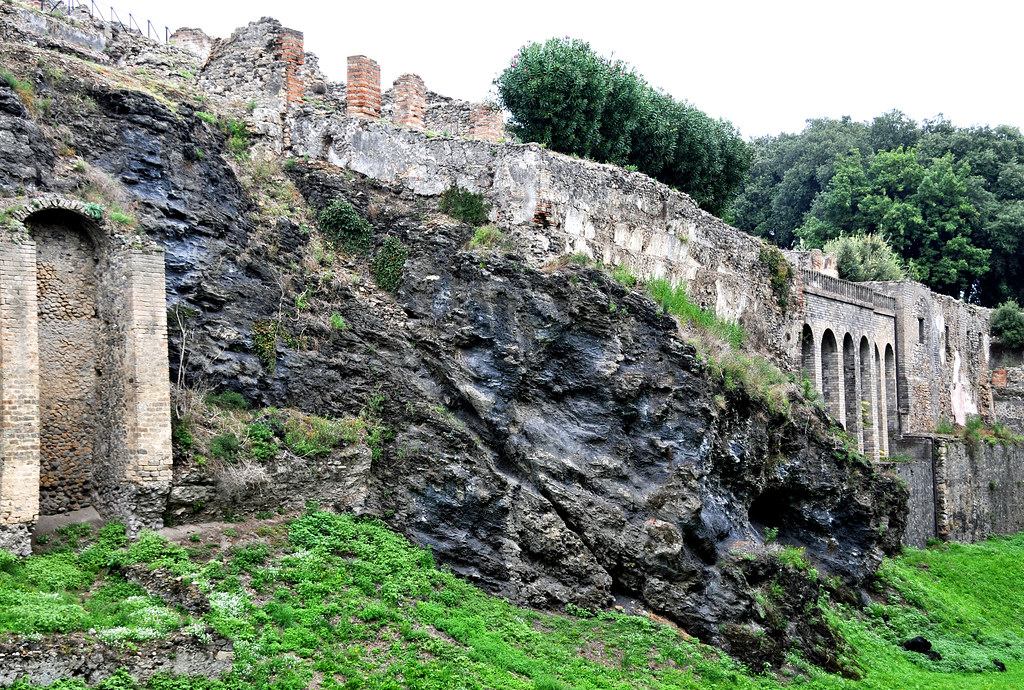
Mount Vesuvius is a classic stratovolcano formed by layers of hardened lava, tephra, and volcanic ash. It emerged from the complex tectonic interactions of the African and Eurasian plates. Its most infamous eruption in AD 79 buried Pompeii and Herculaneum under meters of ash and pumice, preserving these ancient cities. The volcano’s crater is roughly 600 meters wide, with fumaroles emitting steam and sulfur gases. The volcanic minerals and rocks here include basaltic and andesitic lavas, rich in iron and magnesium. Unique formations like lava domes and pyroclastic deposits reveal its violent past.
Terrain and Hiking Experience on Mount Vesuvius
The hike up Vesuvius is characterized by well-marked trails over loose volcanic ash and rocky lava fields. The ascent is steady but not steep, with an altitude gain of about 400 meters. The volcanic soil is loose and can be slippery, requiring sturdy footwear. Near the summit, the trail skirts the crater rim, exposed to wind and occasional sulfurous steam vents. Temperature drops with elevation, and the terrain’s openness means little shade. The hike is accessible for most fitness levels, offering a tactile connection to volcanic geology.

What Makes the Mount Vesuvius Trek Unique
Mount Vesuvius stands out for its historical significance and accessibility. It is one of the few active volcanoes in Europe with a well-maintained trail to the crater rim. The trek combines geological wonder with cultural heritage, as visitors can pair the hike with tours of Pompeii and Herculaneum. The volcano’s proximity to Naples and the Mediterranean Sea creates stunning vistas. The fumaroles and sulfur deposits add sensory depth, while the volcano’s dormant status since 1944 offers a relatively safe yet thrilling adventure.
Summit and Crater Experience on Mount Vesuvius
Reaching the summit, hikers stand on the edge of a vast crater, nearly 600 meters wide and 200 meters deep. The air carries the faint smell of sulfur, and steam escapes from fumaroles below. The ground radiates residual heat, a reminder of the volcano’s latent power. From the rim, panoramic views stretch over Naples, the Bay of Naples, and the Apennine Mountains. The crater’s rugged interior reveals layers of volcanic deposits, inviting contemplation of the forces that shaped this landscape.

Best Time to Trek Mount Vesuvius
The ideal trekking season runs from spring through early autumn (April to October), when weather is mild and trails are dry. Avoid winter months due to colder temperatures and occasional rain. Early morning hikes are recommended to beat crowds and enjoy cooler temperatures. Volcanic activity is closely monitored, and access may be restricted during heightened alert levels. Check local updates before planning your trek to ensure safety.
Routes and Trail Options on Mount Vesuvius
The primary route starts at the Vesuvius National Park entrance near the parking area at 1,000 meters elevation. The trail to the crater rim is about 4 kilometers round trip, with an altitude gain of approximately 400 meters. The path is well-maintained and marked, suitable for self-guided hikers or guided tours. Shuttle buses operate from nearby towns like Naples and Pompeii to the trailhead. Alternative shorter routes exist within the park but do not reach the crater.
Difficulty Assessment of the Mount Vesuvius Trek
Mount Vesuvius is classified as an easy volcano trek. The terrain is mostly stable with moderate elevation gain and no technical climbing required. The main challenges are loose volcanic ash and exposure near the crater rim. Suitable for beginners and families with children aged 9 and above, provided they have basic fitness and proper footwear. Altitude is moderate, so altitude sickness is not a concern.
Essential Volcano Trekking Gear for Mount Vesuvius
Wear sturdy hiking boots with good grip to handle loose ash and rocky terrain. Trekking poles can aid stability on slopes. Lightweight, breathable clothing with layers is recommended due to temperature changes. Sun protection is essential—wide-brimmed hats, sunglasses, and sunscreen—since the trail offers little shade. Carry at least 1.5 liters of water per person and snacks. A windproof jacket is useful near the summit. For early morning or late hikes, bring a headlamp. A basic first aid kit and a map or GPS device are advisable.
Safety and Volcanic Hazards on Mount Vesuvius
Though dormant since 1944, Vesuvius remains an active volcano monitored by Italian authorities. Visitors must respect safety barriers near unstable crater edges. Volcanic gases, mainly sulfur dioxide, can be present near fumaroles—those with respiratory issues should consult a doctor before hiking. Loose scree and falling rocks are potential hazards on the trail. Sudden weather changes can occur, so be prepared. Follow official park guidelines and heed any eruption alerts or trail closures.
Permits, Guides, and Logistics for Mount Vesuvius Trekking
A park entry ticket is required to hike Mount Vesuvius, available at the visitor center or online. Guided tours are widely available and recommended for historical and geological insights. Shuttle buses connect Naples, Pompeii, and the trailhead. No special permits beyond park entry are needed. Seasonal closures or restrictions may apply during volcanic activity or adverse weather. Booking in advance is advised during peak tourist seasons.
Where to Stay Near Mount Vesuvius
Accommodation options range from hotels and guesthouses in Naples and Pompeii to eco-lodges near the national park entrance. Staying in Naples offers urban amenities and easy transport links, while Pompeii provides proximity to archaeological sites and the volcano. For a more immersive experience, small inns and agriturismos in Campania’s countryside offer local hospitality. Early starts for the hike are easier when staying close to the park.