
Hiking Mount Stromboli: The Ultimate Guide to Trekking Europe’s Most Active Volcano
Mount Stromboli, the ‘Lighthouse of the Mediterranean,’ offers an unforgettable volcano trekking experience with its continuous mild explosive activity. This guide covers geological insights, trekking routes, safety protocols, gear essentials, and local logistics for adventurers seeking to witness Stromboli’s fiery displays up close.
Quick Volcano Snapshot
| Volcano type | Stratovolcano |
|---|---|
| Elevation | 924 meters |
| Location | Stromboli Island, Aeolian Islands, Italy |
| Activity status | Continuously active with mild Strombolian eruptions |
| Trekking difficulty | Moderate |
| Typical trek duration | 5-6 hours (guided summit hike) |
| Altitude gain | Approximately 500 meters |
| Terrain type | Volcanic lava flows, ash slopes, pumice fields, Mediterranean vegetation |
| Best season | May to October |
| Temperature range | 10°C to 28°C depending on season and altitude |
| Permit requirement | Guided tours mandatory above 290 meters; permits included in guided tour fees |
The Experience of Hiking Mount Stromboli
Approaching Mount Stromboli, hikers are greeted by a striking contrast between lush Mediterranean vegetation at the base and stark black volcanic slopes higher up. The ascent reveals a dynamic landscape shaped by continuous volcanic activity. As you climb, the terrain transitions from olive groves and wild herbs to rugged lava fields and ash-covered paths. The rhythmic bursts of incandescent lava from the summit create a captivating spectacle, especially at dusk. Reaching the crater viewpoint immerses you in the raw power of the volcano, with the heat of fumaroles, the sulfurous scent in the air, and the deep rumble of explosions lighting the night sky.
Mount Stromboli: Geological Background
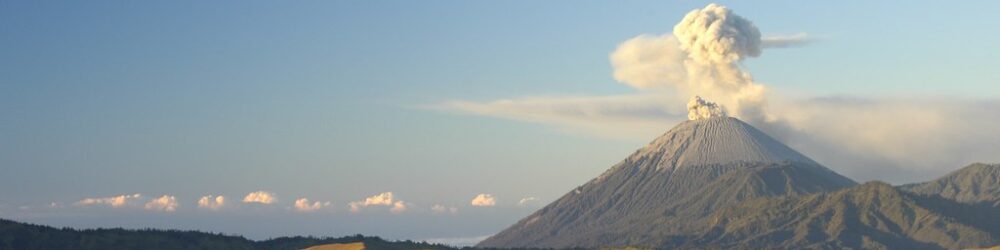
Mount Stromboli is a classic stratovolcano rising sharply from the Tyrrhenian Sea as part of the Aeolian volcanic arc. It is built from alternating layers of hardened lava, volcanic ash, and tephra. Its defining characteristic is persistent Strombolian activity, consisting of mild, rhythmic explosions that eject incandescent lava fragments every 10 to 30 minutes. The summit area contains three active craters and numerous fumaroles emitting sulfurous gases. The Sciara del Fuoco, a steep lava channel on the volcano’s northwest flank, channels frequent lava flows into the sea. This continuous activity has created a unique volcanic landscape with diverse minerals and rugged terrain that hikers encounter throughout the trek.
Terrain and Hiking Experience on Stromboli
The trek begins at sea level in the village of Stromboli, winding through narrow streets and Mediterranean vegetation. As the trail ascends, volcanic terrain dominates, featuring steep slopes of loose ash and pumice that require careful footing. The path zigzags upward over solidified lava flows and unstable scree fields. Near the summit, strong winds and cooler temperatures add to the challenge. The trail demands moderate physical fitness and surefootedness. Hikers are rewarded with panoramic views of the Aeolian Islands and the Tyrrhenian Sea, as well as the ever-present volcanic activity.
What Makes the Stromboli Trek Unique
Mount Stromboli’s continuous mild explosive activity distinguishes it from other volcano treks worldwide. Nicknamed the ‘Lighthouse of the Mediterranean,’ its frequent eruptions create a natural light show visible from miles away. Night hikes offer a rare opportunity to witness glowing lava bursts illuminating the crater rim against the dark sky. The island’s isolation, combined with volcanic desert terrain and the steady pulse of eruptions, creates a unique adventure for volcano enthusiasts and hikers seeking an active volcanic experience.
The Summit and Crater Experience
At the summit observation terraces, hikers experience an intense sensory environment. Sulfurous steam rises from fumaroles, filling the air with a distinct brimstone scent. Every 15 to 20 minutes, fiery lava bombs arc into the night sky accompanied by deep, resonant booms. The heat radiating from the crater is palpable beneath your feet. Panoramic views extend across the Aeolian Islands and the Tyrrhenian Sea, enhancing the dramatic atmosphere. This combination of sound, sight, smell, and heat creates a profound connection to the Earth’s elemental forces.
Best Time to Trek Mount Stromboli
The best time to trek Mount Stromboli is from late spring through early autumn, typically May to October. During this period, weather conditions are stable, and temperatures are moderate, making hiking safer and more comfortable. Summer evenings are especially popular for night hikes to witness volcanic eruptions under the stars. Winter months are not recommended due to increased volcanic gas emissions and unpredictable weather. Always consult current volcanic activity reports and local regulations before planning your trek.
Trekking Routes and Trail Options
The main trekking route starts in the village of Stromboli and ascends approximately 500 meters over 5 to 7 kilometers. Hikers without guides can reach the 290-meter viewpoint, which offers good views but limited proximity to active eruptions. Above this altitude, access is restricted to guided tours only. Guided hikes continue to the 400-meter observation terraces, the safest and closest vantage point to the active craters. These guided tours typically last 5 to 6 hours, departing late afternoon to reach the summit by dusk and return after dark.
Difficulty Assessment
Mount Stromboli is considered a moderate-level volcano trek. The trail includes steep slopes, loose volcanic scree, and uneven lava rock surfaces that require good balance and moderate physical fitness. Although the altitude is relatively low, some hikers may experience mild breathlessness near the summit. No technical climbing skills are necessary, but hikers should be prepared for rapidly changing weather and volcanic conditions. Proper acclimatization and physical preparation improve the trekking experience.
Essential Volcano Trekking Gear
Recommended gear includes sturdy hiking boots with excellent grip to navigate loose scree and rocky terrain. Trekking poles help maintain stability on steep and unstable slopes. Volcanic ash gaiters protect against fine dust. Layered clothing and a windproof jacket are essential to handle summit winds and temperature drops. Headlamps are mandatory for night hikes. Due to volcanic gases, carrying a lightweight respirator or gas mask is advised. Additionally, bring sufficient water, sun protection, and a backpack to carry essentials.
Safety and Volcanic Hazards
Stromboli’s continuous activity presents hazards including sudden explosive eruptions, falling volcanic bombs, toxic gases, and unstable crater edges. Strict safety regulations require all hikers above 290 meters to be accompanied by certified guides trained in emergency procedures. Real-time monitoring agencies provide alerts, but volcanic activity can be unpredictable. Hikers must follow guide instructions, stay on designated paths, and avoid restricted zones. Wearing protective gear and maintaining situational awareness are critical for safety.
Permits, Guides, and Logistics
Access above 290 meters is legally restricted to guided groups only. Permits and guide fees are included in organized tours, typically costing between €30 and €40 per person. Group sizes are limited to enhance safety and environmental protection. Booking in advance is essential, especially during peak season. Guides provide safety equipment, up-to-date volcanic activity information, and emergency support. Self-guided hiking is permitted only up to 290 meters, which limits views of active eruptions.
Where to Stay Near Mount Stromboli
Accommodation options on Stromboli Island include small guesthouses, eco-lodges, and trekking hostels primarily located in the village of Stromboli. Many visitors choose to stay multiple nights to fully experience the volcano’s activity cycles. Local facilities often offer equipment rental for hiking gear and safety equipment. Staying near the village provides convenient access to guided tours, restaurants, and other amenities essential for a comfortable trekking experience.