
Winter Trekking Mount Etna: A Complete Guide to Sicily’s Snow-Covered Active Volcano
Explore Mount Etna in winter, Europe’s most active stratovolcano, through snow-covered lava fields and steaming fumaroles. This guide covers geology, terrain, routes, safety, gear, and logistics for an unforgettable cold-season volcano trek.
Quick Volcano Snapshot
| Volcano type | Stratovolcano |
|---|---|
| Elevation | 3,329 meters |
| Location | Sicily, Italy |
| Activity status | Active |
| Trekking difficulty | Moderate |
| Typical trek duration | 4 to 8 hours |
| Altitude gain | Up to 1,000 meters |
| Terrain type | Snow-covered lava fields, volcanic ash slopes, rocky ridges |
| Best season | December to March |
| Temperature range | -5°C to 5°C |
| Permit requirement | Guides mandatory above 2,800 meters; park entry fees apply |
The Experience of Winter Hiking Mount Etna
Approaching Mount Etna in winter reveals a striking contrast: black volcanic rock blanketed by pristine snow, with steam rising from hidden fumaroles. The biting cold sharpens your senses as you ascend through frost-covered forests and open volcanic plateaus. The landscape transforms into a surreal icy desert, where silence dominates except for the occasional hiss of volcanic vents. Reaching the crater rim, the raw power of this active giant is palpable. The sulfurous scent mingles with crisp mountain air, and panoramic views stretch from snow-capped peaks to the Mediterranean Sea. This trek offers an immersive encounter with elemental geology and winter wilderness, combining natural beauty with volcanic drama.
Mount Etna: Geological Background
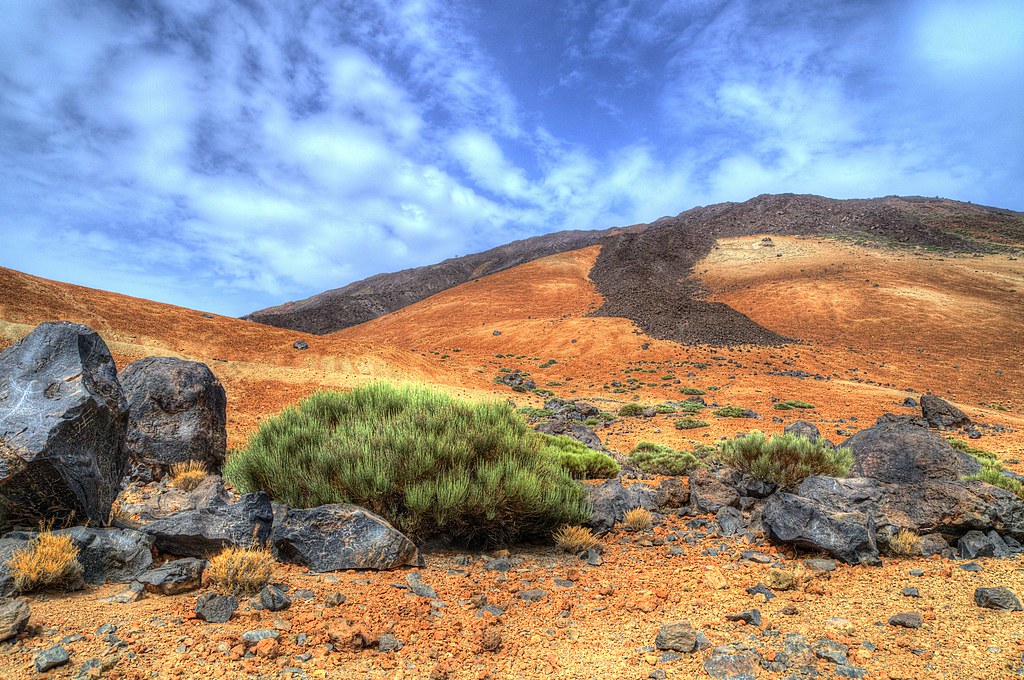
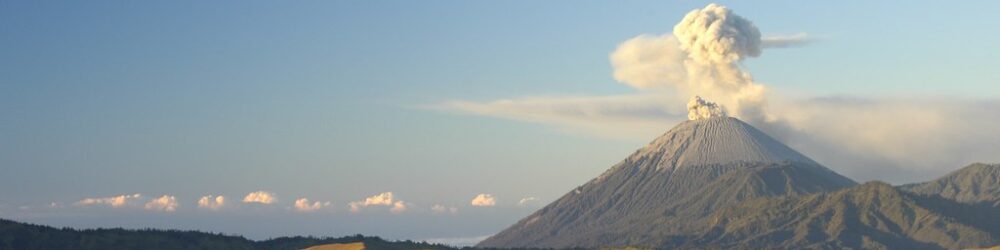
Mount Etna is one of the world’s most active stratovolcanoes, formed over hundreds of thousands of years by successive layers of basaltic lava, ash, and volcanic debris. Its complex summit features multiple craters and fissures, constantly reshaped by frequent eruptions. The volcano’s geology includes extensive basaltic lava fields, sulfur deposits near fumaroles, and steaming vents that punctuate the snowy winter landscape. Unique formations such as lava tubes and fractured craters provide insight into ongoing volcanic processes. Etna’s restless activity offers a dynamic natural laboratory for understanding stratovolcano evolution and volcanic hazards.
Terrain and Hiking Experience in Winter
In winter, Mount Etna’s terrain becomes a challenging mosaic of snow-covered lava fields, icy ash slopes, and jagged rocky ridges. Hikers must navigate slippery volcanic sand beneath snow, occasional ice patches, and exposed ridgelines often buffeted by cold winds. Above 2,200 meters, snowshoeing or crampon use is frequently necessary to maintain footing. The ascent involves steady altitude gain with variable terrain difficulty. The volcanic roughness combined with winter conditions demands careful footing, endurance, and awareness. Despite the challenges, trekkers are rewarded with surreal, quiet landscapes and the unique experience of traversing an active volcano in winter.
What Makes Winter Trekking Mount Etna Unique
Mount Etna’s winter trek stands out as a rare European volcano hike where snow blankets the volcanic desert, creating a striking contrast between white drifts and black lava flows. Steaming fumaroles emit ethereal mist rising from the snow, adding a mystical atmosphere. The proximity of ski resorts introduces an alpine dimension unusual for an active volcano. Panoramic views extend to the Mediterranean coastline, blending volcanic power with winter wilderness. This combination of elemental forces, scenic diversity, and seasonal transformation creates a singular trekking experience unmatched in Europe.
The Summit and Crater Experience in Winter
Reaching Etna’s crater rim in winter is a sensory climax. The sulfurous aroma intensifies near fumaroles, while the ground beneath the snow radiates subtle warmth. Steaming vents hiss and bubble, contrasting with the cold silence of the snowy landscape. From the summit, panoramic views reveal snow-capped peaks, distant sea horizons, and the vast volcanic terrain below. The interplay of fire and ice here embodies the volcano’s elemental force. Observing active fumaroles surrounded by snowfields offers a rare glimpse into volcanic activity in a winter setting.
Best Time to Trek Mount Etna in Winter
The prime winter trekking season on Mount Etna runs from December through March, when snow typically covers elevations above 1,500 meters. Clear, cold days provide spectacular visibility, but weather can change rapidly with fog, strong winds, and sudden temperature drops. Volcanic activity and safety regulations restrict summit access above 2,800 meters, making guided treks essential during winter. Early morning starts maximize daylight and take advantage of more stable weather conditions. Avoid periods of heavy volcanic gas emissions or severe storms for safety.
Winter Trekking Routes and Trail Options
Popular winter routes include the Silvestri Craters near Rifugio Sapienza, which offer moderate altitude and accessible snow terrain suitable for snowshoeing. The Monti Sartorius trail on the northeast side combines snow-covered forests with volcanic landscapes and panoramic views. Piano Provenzana on the northern slope serves as a volcanic plateau ideal for snowshoe hikes and acclimatization. Guided excursions often start from cable car stations at around 2,500 meters, ascending approximately 500 meters on foot to reach fumarole fields and crater bases up to 3,000 meters, respecting safety limits. Trail conditions vary with weather and volcanic activity, so local guidance is recommended.

Difficulty Assessment of Winter Mount Etna Trek
Winter trekking on Mount Etna is classified as a moderate volcano trek. Challenges include navigating snow and ice, altitude reaching up to 3,000 meters, and exposure to cold, often strong winds. While no technical climbing skills are required, good physical fitness and experience with winter hiking are strongly recommended. Above 2,800 meters, certified guides are mandatory due to unstable terrain and volcanic hazards. Proper acclimatization and preparation help reduce risks of altitude sickness and fatigue. Trekkers should be prepared for variable weather and challenging footing.
Essential Gear for Winter Volcano Trekking
Key gear for winter trekking on Mount Etna includes waterproof hiking boots with excellent grip, snowshoes or crampons for icy sections, and trekking poles for stability. Layered technical clothing is vital to protect against cold and wind, including a windproof jacket, insulated gloves, hat, and neck buff. Sunglasses and sunscreen protect against intense snow glare. A headlamp is useful for early starts or late finishes. Carry sufficient hydration and snacks. When near fumaroles, a gas mask or respirator is recommended to filter volcanic gases. Equipment rental is available at base stations for convenience.
Safety and Volcanic Hazards on Mount Etna in Winter
Winter hikers on Mount Etna face hazards including volcanic gases, unstable crater edges, loose volcanic scree, and sudden weather changes. Fumaroles emit sulfurous gases that can be harmful; avoid prolonged exposure and always follow guide instructions. Snow can conceal fractures and unstable ground, increasing risk of slips or falls. Authorities continuously monitor volcanic activity, and access above 2,800 meters is restricted. Always check current conditions before trekking, use certified guides, and carry communication devices. Emergency protocols exist, but personal preparedness and caution are essential for safety.
Permits, Guides, and Logistics for Winter Treks
Independent trekking is permitted up to 2,800 meters; above this altitude, certified alpine or volcanological guides are mandatory according to regional safety regulations. Park entry fees apply year-round. Guided tours typically include equipment rental, safety briefings, and up-to-date volcanic activity information. Seasonal closures and access restrictions depend on volcanic behavior and weather conditions. Booking in advance is strongly recommended, especially for winter excursions. Transfers from Catania airport or city and cable car tickets are additional costs to consider when planning logistics.
Where to Stay Near Mount Etna for Winter Treks
Accommodation options near Mount Etna include mountain lodges and eco camps around Rifugio Sapienza and Piano Provenzana, providing proximity to trailheads and equipment rental facilities. Ski resorts in the area offer comfortable lodging with winter amenities such as heating and dining. Local guesthouses in nearby towns like Linguaglossa and Nicolosi provide authentic Sicilian hospitality and convenient access to the volcano. Staying near base stations facilitates early starts and easy access to guided tours. Due to seasonal demand, especially in winter, advance booking is advised.