
Trekking Mount Bandai: Exploring Japan’s Dramatic Stratovolcano and Its Volcanic Landscapes
Mount Bandai, a majestic stratovolcano in Japan’s Tohoku region, offers a moderate trek through volcanic terrain shaped by its powerful 1888 eruption. This guide covers its geological history, hiking routes, unique crater landscapes, and practical trekking advice for adventurers seeking to experience one of Japan’s most iconic volcanic mountains.
Quick Volcano Snapshot
| Volcano type | Stratovolcano |
|---|---|
| Elevation | 1,816 meters |
| Location | Fukushima Prefecture, Tohoku, Japan |
| Activity status | Dormant |
| Trekking difficulty | Moderate |
| Typical trek duration | 2 to 6 hours depending on route |
| Altitude gain | Approximately 1,200 meters |
| Terrain type | Volcanic ash slopes, rocky ridges, marshes, lakes |
| Best season | Late April to early November |
| Temperature range | 5°C to 20°C during trekking season |
| Permit requirement | No special permit required |
The Experience of Hiking Mount Bandai
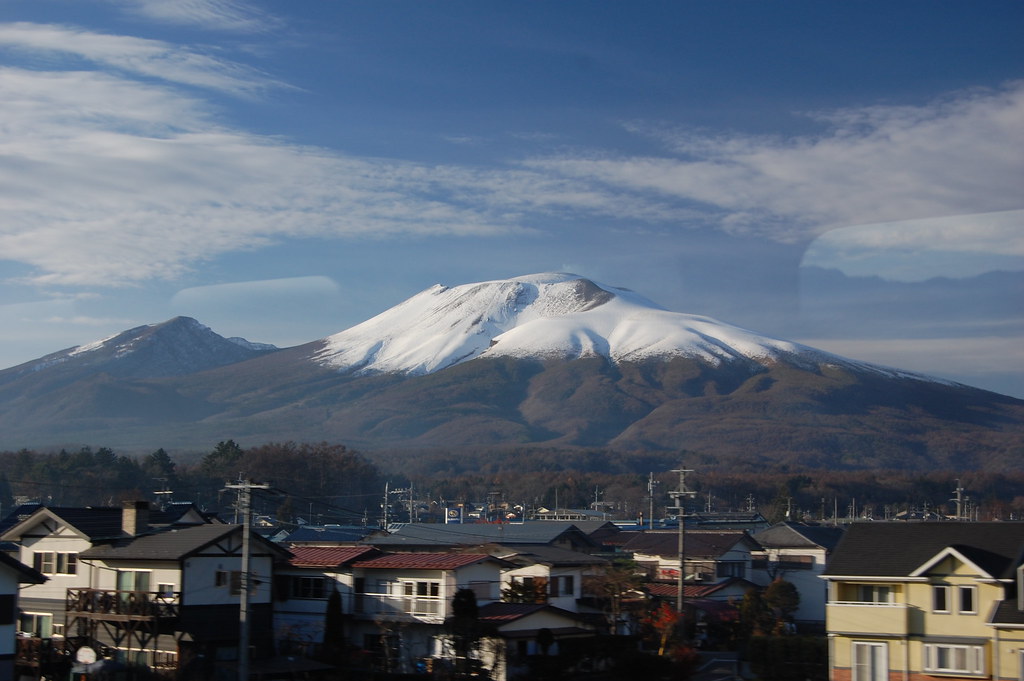
Approaching Mount Bandai, hikers are greeted by a striking volcanic silhouette once known as Aizu Fuji for its resemblance to Mount Fuji. The landscape reveals a dramatic contrast between barren volcanic slopes and lush marshes and lakes formed by the 1888 eruption. As you ascend, the raw geological power is palpable — sulfurous steam vents and rugged crater rims evoke the mountain’s fiery past. Reaching the summit offers sweeping views over the Urabandai highlands, a mosaic of volcanic lakes and forests, leaving an unforgettable impression of nature’s transformative force.
Mount Bandai: Geological Background
Mount Bandai is a stratovolcano shaped by millennia of volcanic activity. Its most defining event was the catastrophic 1888 eruption, a massive steam explosion that caused a northern flank collapse. This landslide dammed rivers and created the Urabandai region’s distinctive lakes and marshes, including the famous Goshikinuma Ponds. The volcano’s crater features fumaroles emitting sulfurous gases, and the terrain is rich with volcanic minerals. The eruption transformed the once symmetrical cone into a rugged landscape of crater fields and volcanic debris, offering a vivid geological story visible to all trekkers.
Terrain and Hiking Experience on Mount Bandai
Hiking Mount Bandai involves traversing varied volcanic terrain. Trails wind through grassy ski slopes, steep ash and pumice fields, and rocky ridges. The ascent includes sections of loose scree and exposed crater rims requiring careful footing. Altitude effects are mild but noticeable near the summit, where winds can be strong and temperatures cooler. The trail’s volcanic soil and marshy areas add to the unique hiking experience, blending rugged volcanic features with alpine flora. The terrain’s diversity shapes the moderate difficulty, rewarding hikers with dynamic landscapes at every turn.
What Makes Mount Bandai Trek Unique
Mount Bandai’s trek stands out for its volcanic landscape sculpted by the 1888 eruption, which created a rare combination of crater lakes, marshes, and rugged volcanic terrain. The Goshikinuma Lakes, with their vivid colors, add a mystical quality to the hike. The presence of active fumaroles and sulfur vents near the crater rim offers a sensory glimpse into volcanic activity despite the mountain’s dormant status. Additionally, the multi-day hiking options connecting Bandai with Azuma and Adatara volcanoes provide an extended volcanic adventure through Tohoku’s sacred mountain ranges.
Summit and Crater Experience
Reaching Mount Bandai’s summit reveals a panorama of volcanic lakes, dense forests, and distant mountain ranges. The crater area emits faint sulfurous odors from fumaroles, and the ground’s warmth hints at the volcano’s lingering heat. The summit’s rocky terrain demands careful navigation but rewards with expansive views over the Urabandai region’s lakes and marshes. The sound of escaping gases and the sight of steaming vents create an immersive volcanic atmosphere, connecting hikers directly with the mountain’s geological heartbeat.
Best Time to Trek Mount Bandai
The ideal trekking season runs from late April through early November, avoiding heavy winter snow and avalanche risks. Spring and autumn offer crisp air and clear views, with autumn foliage painting the slopes in vibrant colors. Summer provides lush alpine flora but can be warmer and occasionally rainy. Winter ascents are only recommended for experienced mountaineers due to deep snow and avalanche hazards. Monitoring local volcanic activity and weather forecasts is essential, especially during shoulder seasons.
Trekking Routes and Trail Options
Mount Bandai offers several routes catering to different skill levels. The Happodai Trail is the most popular and beginner-friendly, taking about 2 hours to the summit from the Bandaisan Gold Line. The Inawashiro Trail, starting near the ski resort, is moderate and takes around 6 hours round trip, featuring diverse terrain and lake views. The Kawakami Trailhead offers more challenging paths through crater fields and dense forests. Multi-day hikes combining Bandai with Azuma and Adatara volcanoes are popular for extended volcanic trekking experiences.
Difficulty Assessment
Mount Bandai’s trek is classified as a moderate volcano trek. The terrain includes steep ash slopes, rocky ridges, and loose scree requiring sure-footedness but no technical climbing skills. Altitude gain of approximately 1,200 meters is manageable for hikers with reasonable fitness. The trails are well-marked but can be exposed near the summit, demanding caution in poor weather. Overall, the trek suits hikers with some experience and a good level of endurance.
Essential Volcano Trekking Gear
Recommended gear includes sturdy hiking boots with good grip for rocky and loose terrain, trekking poles to aid balance on scree slopes, and gaiters to protect against volcanic ash. A windproof jacket is essential for summit winds, and layered clothing helps manage temperature shifts. A headlamp is useful for early starts or late finishes. Sun protection is critical due to limited shade. Carry sufficient water and snacks, and consider a gas mask or respirator if sulfur fumes are strong near fumaroles.
Safety and Volcanic Hazards
While Mount Bandai is dormant, hikers should remain aware of volcanic hazards such as unstable crater edges, loose rocks, and occasional sulfur gas emissions. Sudden weather changes can increase risks, especially near exposed ridges. Always stay on marked trails to avoid fragile terrain and potential falls. Check volcanic activity updates from local monitoring agencies before trekking. Carry a map, inform others of your plans, and avoid hiking alone in remote sections.
Permits, Guides, and Logistics
No special permits are required to hike Mount Bandai, but park entry fees may apply in some areas. Hiring a local guide is recommended for those unfamiliar with the terrain or seeking deeper geological insights. Guided tours often include transport and cultural experiences. Seasonal trail closures can occur due to weather or volcanic activity, so check official sources before planning. Local regulations emphasize environmental protection and safety compliance.
Where to Stay Near Mount Bandai
Accommodation options include mountain lodges near trailheads, guesthouses in Inawashiro and Bandai towns, and eco-friendly campsites in the Urabandai area. Ski resorts offer seasonal lodging with easy access to trails. Staying near Inawashiro Station provides convenient transport links and amenities. Early booking is advised during peak hiking seasons and autumn foliage periods.