
Trekking Mount Soputan: Indonesia’s Active Stratovolcano Adventure in Sulawesi
Mount Soputan, an active stratovolcano in North Sulawesi, Indonesia, offers a demanding trek through dense forests, volcanic ash fields, and steep rocky slopes. This guide covers its geology, trekking routes, safety protocols, and the unique experience of witnessing an active volcanic crater up close.
Quick Volcano Snapshot
| Volcano type | Stratovolcano |
|---|---|
| Elevation | 1,785 meters |
| Location | North Sulawesi, Indonesia |
| Activity status | Active |
| Trekking difficulty | Demanding |
| Typical trek duration | 2-3 days |
| Altitude gain | Approximately 1,000 meters |
| Terrain type | Dense tropical forest, volcanic ash fields, rocky slopes |
| Best season | May to September (dry season) |
| Temperature range | 10°C to 25°C |
| Permit requirement | Required |
The Experience of Hiking Mount Soputan
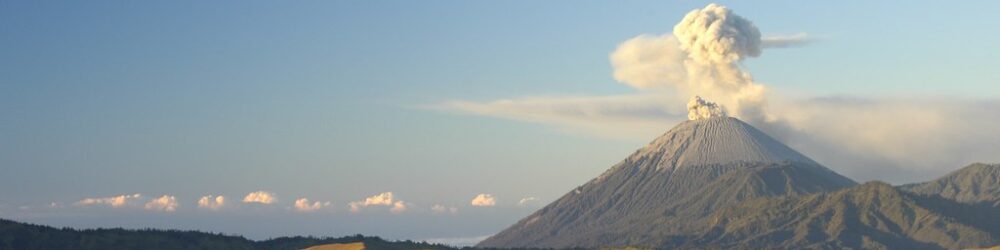
Mount Soputan offers a dramatic transition from lush tropical forests to stark volcanic landscapes. The trail reveals the raw power of this active stratovolcano, with black ash fields and rugged lava rocks contrasting against vibrant greenery. Each step upward intensifies the connection to the Earth's geological forces. Approaching the crater rim, hikers encounter sulfurous scents and steaming fumaroles, providing a rare glimpse into the planet's fiery core. The trek challenges both the body and the senses, rewarding adventurers with an unforgettable volcanic experience.
Mount Soputan: Geological Background
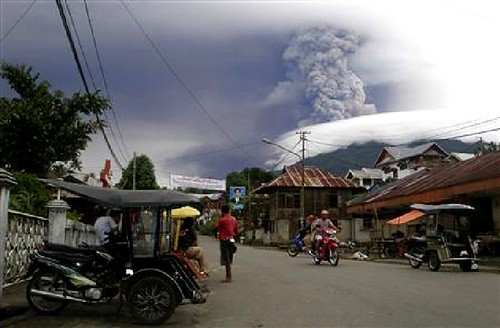
Mount Soputan is a stratovolcano composed primarily of andesite and basalt lava flows interspersed with pyroclastic deposits. Its frequent explosive eruptions have shaped the steep conical profile and created extensive fresh lava fields. Located near the southwestern rim of the Tondano Caldera in North Sulawesi, the volcano features an active crater with fumaroles emitting sulfur gases. The terrain is rich in volcanic minerals, including sulfur deposits and hardened lava formations. Due to its history of sudden eruptions, the volcano is closely monitored by geological authorities to ensure hiker safety.
Terrain and Hiking Experience on Mount Soputan
The trek begins through open farmland and gradually enters dense pine and tropical forests. Trails vary from wide, well-defined paths to narrow, steep ascents covered in loose volcanic ash and pumice. Hikers must navigate slippery lava rock sections and a challenging landslide area secured by ropes. The final approach involves steep, unstable slopes composed of volcanic sand and rocky outcrops. Altitude and wind intensify near the summit, demanding careful footing and endurance. The diverse terrain offers a mix of ecological zones and geological features, making the hike both physically demanding and visually captivating.
What Makes Mount Soputan Trek Unique
Mount Soputan stands out as one of Indonesia's most active volcanoes, with frequent explosive eruptions that continually reshape its landscape. Trekkers witness fresh volcanic deposits, steaming fumaroles, and sulfur clouds close to the crater rim. The trek uniquely combines dense forest biodiversity with stark volcanic desert, creating a rare ecological and geological contrast. The opportunity to observe an active crater emitting gas plumes within a tropical setting attracts adventure seekers and volcanology enthusiasts alike.
Summit and Crater Experience
At the summit or the nearby Anak peak, hikers are rewarded with sweeping panoramic views of the Tondano Caldera and the North Sulawesi coastline. The crater rim offers a sensory spectacle: the sharp smell of sulfur, warmth radiating from fumaroles, and the hiss of escaping volcanic gases. The landscape is raw and dynamic, featuring fresh volcanic sand and jagged lava formations. This close encounter with an active volcanic vent is both humbling and exhilarating, providing a profound appreciation for the Earth's volcanic activity.
Best Time to Trek Mount Soputan
The optimal trekking season is during the dry months from May to September, when trails are less slippery and weather conditions are more stable. The monsoon season, from November to March, brings heavy rains and increased volcanic gas hazards, making trekking unsafe. Climbs are subject to volcanic activity monitoring, and access may be restricted during eruptions or elevated alert levels. Early morning starts are recommended to avoid afternoon heat and sudden weather changes.
Trekking Routes and Trail Options
The primary route begins at Pinabetengan village, ascending through farmland, pine forest, and volcanic terrain to the basecamp at 1,326 meters. From basecamp, the trail continues approximately 4 kilometers to the summit area. Due to safety concerns, most guides lead trekkers to the Aeseput viewpoint, located about 200 meters below the summit. The full ascent to the summit is steep and slippery, recommended only for experienced climbers. Guided tours are commonly arranged from Manado and Tombatu, with options for private or group treks.
Difficulty Assessment
Mount Soputan is classified as a demanding volcano trek. The trail features steep ascents, unstable volcanic ash slopes, and rocky scrambling sections. With an altitude gain of around 1,000 meters and exposure to volcanic gases, the trek requires good physical fitness and acclimatization. While technical climbing gear is generally not necessary, sure-footedness and stamina are essential. This trek is unsuitable for beginners and is recommended for experienced hikers comfortable with challenging terrain and variable conditions.
Essential Volcano Trekking Gear
Key gear includes sturdy hiking boots with strong grip, trekking poles for stability on loose ash and rocks, and volcanic ash gaiters to protect against fine particles. A windproof and waterproof jacket is vital for sudden weather changes. Carrying a gas mask or respirator is recommended to guard against sulfur fumes near the crater. Headlamps are necessary for early starts or late finishes. Hydration systems and sun protection, such as hats and sunscreen, are critical due to limited shade on exposed slopes.
Safety and Volcanic Hazards
Mount Soputan's active status presents risks including sudden eruptions, toxic volcanic gases, unstable crater edges, and falling rocks. Hikers must follow official volcanic activity updates and adhere to park regulations. The trail includes landslide-prone sections that require caution. Certified guides provide real-time safety information and evacuation plans. Trekking during elevated alert levels is prohibited. Carry emergency communication devices and be prepared for rapid weather changes to ensure safety throughout the trek.
Permits, Guides, and Logistics
A permit is required to trek Mount Soputan and can be obtained through local authorities or tour operators. Hiring a certified local guide is strongly recommended for safety and navigation. Park entry fees apply and support conservation efforts. Tours typically include transport from Manado or Tombatu, guide services, and sometimes camping equipment. Seasonal closures may occur during periods of volcanic unrest. Advance booking is advised, especially during peak trekking months, to secure permits and guide availability.
Where to Stay Near Mount Soputan
Accommodation options include guesthouses and homestays in Tombatu village, the main gateway to the trek. Manado city offers a range of hotels and lodges with easy access to transportation. For multi-day treks, camping at the basecamp located at 1,326 meters is common, providing a staging point for summit attempts. Eco-lodges and trekking hostels in the region cater to adventure travelers seeking proximity to the volcano and opportunities to experience local culture.
