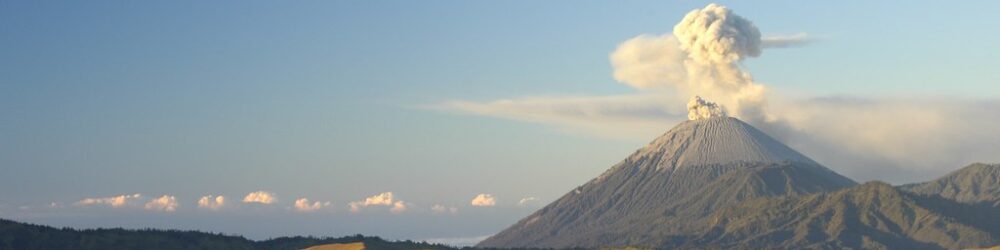

Mount Bisoke Volcano Trekking Guide: Hiking to Rwanda’s Stunning Crater Lake Summit
Mount Bisoke, a dormant stratovolcano in the Virunga Mountains on the Rwanda-DRC border, offers a moderate trek culminating in a breathtaking crater lake. This guide covers geology, trekking routes, terrain, safety, permits, and the unique wildlife encounters that make Bisoke a must-do volcano hike in Africa.
Quick Volcano Snapshot
| Volcano type | Stratovolcano |
|---|---|
| Elevation | 3711 meters (12,175 feet) |
| Location | Virunga Mountains, Rwanda / Democratic Republic of Congo border |
| Activity status | Dormant |
| Trekking difficulty | Moderate |
| Typical trek duration | 6 hours ascent, 2+ hours descent |
| Altitude gain | Approximately 1000 meters |
| Terrain type | Bamboo forest, Hagenia forest, sub-alpine vegetation, volcanic ash and rocky trails |
| Best season | Dry season: June to September and December to February |
| Temperature range | 5°C to 20°C (varies with altitude and season) |
| Permit requirement | Required (includes park entry and guided trek fees) |
The Experience of Hiking Mount Bisoke
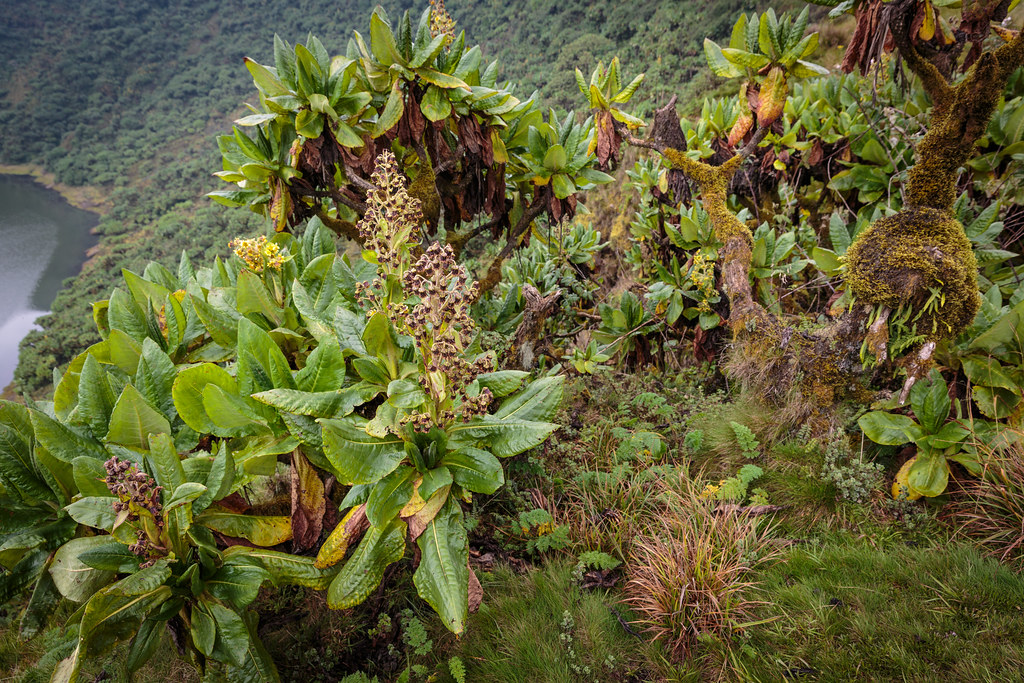
Approaching Mount Bisoke, the landscape shifts dramatically from lush rainforest to alpine vegetation, revealing the raw power of volcanic forces shaping the Virunga range. The trail winds through dense bamboo groves and Hagenia forests, opening to rugged volcanic terrain. Reaching the summit crater lake, a serene azure pool nestled within the caldera, offers a profound contrast to the wild ascent. The panoramic views stretch across Rwanda’s rolling hills and the peaks of neighboring volcanoes, evoking a deep connection to the Earth’s geological heartbeat.
Mount Bisoke: Geological Background
Mount Bisoke is a dormant stratovolcano formed by tectonic activity along the East African Rift. Its last major eruption in 1957 created the large crater lake at the summit, about 400 meters in diameter. The volcano’s structure includes steep ash slopes and hardened lava flows. Unique geological features include fumaroles and sulfur deposits near the crater rim. The mountain’s volcanic soils support diverse alpine flora, while the crater lake itself is a rare volcanic lake in the Virunga massif.
Terrain and Hiking Experience on Mount Bisoke
The trek begins at 2700 meters elevation, ascending through bamboo forests that give way to Hagenia and sub-alpine zones. Trails vary from soft volcanic ash to rocky outcrops requiring careful footing. The path can be muddy and slippery during rains, with occasional thorny vegetation and insects. Altitude and temperature changes demand pacing and preparation. Hikers experience moderate steepness, with some scrambling over volcanic rocks near the summit. The trail’s diversity offers a dynamic hiking experience blending forest and volcanic landscapes.
What Makes the Mount Bisoke Trek Unique
Mount Bisoke’s defining feature is its spectacular crater lake at the summit, one of the largest in the Virunga range. The trek also offers chances to encounter rare wildlife including mountain gorillas and golden monkeys in their natural habitat. The volcano’s location within Volcanoes National Park provides rich biodiversity and pristine forest ecosystems. Unlike more technical volcano climbs, Bisoke’s moderate difficulty makes it accessible while still delivering dramatic volcanic scenery and wildlife encounters.
Summit and Crater Experience on Mount Bisoke
Reaching the summit, hikers are greeted by the tranquil crater lake’s deep blue waters, often shrouded in mist. The air carries faint sulfur scents from fumaroles, and the ground radiates subtle geothermal warmth. The crater rim offers sweeping views of the Virunga Mountains, including Mount Mikeno and Rwanda’s verdant hills. The silence is punctuated by distant bird calls and the occasional rustle of forest wildlife. This serene yet powerful setting rewards the effort with a sensory immersion in volcanic wilderness.
Best Time to Trek Mount Bisoke
The ideal trekking seasons are the dry months from June to September and December to February, when trails are less slippery and weather is more stable. The wet seasons bring heavy rains, muddy paths, and increased insect activity, making the hike more challenging. Early morning starts are recommended to avoid afternoon clouds and to enjoy clearer summit views. Volcanic activity is dormant, but park authorities monitor conditions and may restrict access during adverse weather.
Trekking Routes and Trail Options on Mount Bisoke
The primary route starts from Volcanoes National Park headquarters near Musanze at 2700 meters. The trail ascends through bamboo and Hagenia forests, continuing to the crater rim at 3711 meters. The round trip typically takes 8 hours: 4 to 6 hours ascending and 2 or more descending. Guided treks are mandatory and include ranger support. There are no alternative routes due to park regulations and conservation efforts. Porters can be hired to assist with gear, recommended for less experienced hikers.
Difficulty Assessment of Mount Bisoke Trek
Mount Bisoke is classified as a moderate volcano trek. The terrain requires good fitness but no technical climbing skills. Altitude gain of about 1000 meters and variable trail conditions demand endurance and careful pacing. Hikers should be prepared for steep sections, slippery mud, and occasional rock scrambling. Basic physical fitness suffices, but acclimatization and proper gear improve comfort. This trek is suitable for adventurous beginners with guidance and for experienced hikers seeking a rewarding volcanic summit.
Essential Gear for Mount Bisoke Volcano Trekking
Key gear includes sturdy waterproof hiking boots with good grip, trekking poles for stability on uneven terrain, and gaiters to protect against volcanic ash and mud. Layered clothing is essential for temperature shifts, including a windproof and rainproof jacket. A headlamp is useful for early starts. Carry sufficient water and sun protection such as hats and sunscreen, as shade is limited above the forest line. A small first aid kit and insect repellent are recommended. Gas masks are not required due to dormant status.
Safety and Volcanic Hazards on Mount Bisoke
Though dormant, Mount Bisoke’s volcanic terrain presents hazards like unstable crater edges, loose scree, and slippery trails. Sudden weather changes can cause cold temperatures and poor visibility. Encounters with wildlife require respectful distance and adherence to park rules. Rangers monitor volcanic activity and trail safety, and guided treks are mandatory to ensure compliance and emergency support. Visitors should heed official warnings and avoid approaching fumaroles or sulfur vents closely.
Permits, Guides, and Logistics for Mount Bisoke Trek
A permit is required to hike Mount Bisoke, costing approximately $75 per person, which includes park entry and a guided trek. Booking is done through Volcanoes National Park offices or authorized tour operators. Guided hikes are compulsory for safety and conservation. Porters are available for hire to carry gear. Trekkers gather at the park headquarters for a briefing before departure. Seasonal closures or restrictions may apply based on weather or conservation needs, so advance planning is essential.
Where to Stay Near Mount Bisoke
Accommodation options near Mount Bisoke include lodges and eco-camps in Musanze town, about 3 hours from Kigali. Facilities range from budget guesthouses to mid-range lodges offering easy access to Volcanoes National Park. Staying in Musanze provides proximity to trailheads and park offices. Some lodges offer package deals including guided treks and gorilla permits. For early starts, overnight stays near the park headquarters are recommended to maximize trekking time and reduce travel on hike day.
