
Trekking Mount Hoyo: Exploring the Lush Forested Volcano and Crater Lakes of Eastern Congo
Mount Hoyo is a dormant complex volcano in Eastern Congo offering a unique trekking experience through dense equatorial forests, karst cave systems, and crater lakes. This moderate trek combines rich biodiversity with geological intrigue, ideal for adventurous hikers seeking off-the-beaten-path volcano landscapes in Africa.
Quick Volcano Snapshot
| Volcano type | Complex volcano |
|---|---|
| Elevation | 1450 m |
| Location | Eastern Congo, Democratic Republic of the Congo |
| Activity status | Dormant |
| Trekking difficulty | Moderate |
| Typical trek duration | 4-6 hours |
| Altitude gain | Approximately 500 m |
| Terrain type | Dense equatorial forest, karst limestone, crater lakes |
| Best season | June to September, December to February (dry seasons) |
| Temperature range | 18°C to 28°C |
| Permit requirement | Required (managed by ICCN) |
The Experience of Hiking Mount Hoyo
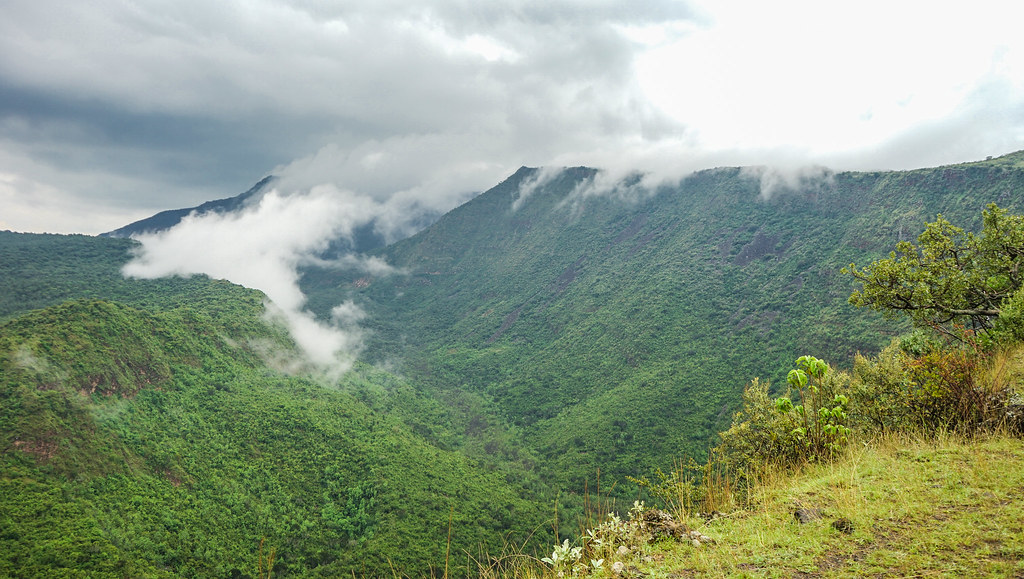
Approaching Mount Hoyo, the dense equatorial forest envelops you in a vibrant green silence, broken only by distant birdcalls and the rustle of leaves. The volcano’s slopes rise gently but steadily, cloaked in thick foliage that conceals a labyrinth of karst caves and hidden crater lakes. Trekking here is a journey into a living geological museum where the earth’s ancient forces meet thriving biodiversity. Reaching the summit reveals a serene crater lake, a stark contrast to the raw volcanic power that shaped this landscape. The emotional reward is profound — a sense of discovery in one of Africa’s lesser-known volcanic realms.
Mount Hoyo: Geological Background
Mount Hoyo is a complex volcano formed within the Albertine Rift, part of the East African Rift system. Its structure is characterized by multiple vents and a rugged terrain shaped by volcanic activity and tectonic movements. The volcano’s summit at 1450 meters hosts crater lakes formed in collapsed calderas. The region’s geology includes extensive dolomite karst formations, creating a network of caves with labyrinthine passages. Volcanic minerals and fumarolic activity are minimal today, reflecting its dormant status. The surrounding limestone and volcanic rock interplay to create unique geological formations rarely seen on other African volcanoes.
Terrain and Hiking Experience on Mount Hoyo
The trek traverses dense, humid equatorial forest with thick undergrowth and occasional clearings revealing views of crater lakes. Trails wind through karst limestone terrain, featuring rocky outcrops and occasional slippery moss-covered stones. The ascent is steady but not steep, with some sections requiring careful footing over loose soil and roots. Altitude effects are mild due to the moderate elevation. Hikers experience shifts in temperature and humidity, with cool breezes near the summit contrasting the warm forest floor. The terrain demands moderate fitness and surefootedness but rewards with immersive natural beauty.
What Makes Mount Hoyo Trek Unique
Mount Hoyo stands out for its lush forested slopes combined with volcanic features rarely seen together. Unlike typical barren volcanic landscapes, here the volcano is cloaked in dense equatorial rainforest harboring rare flora and fauna. The presence of karst caves beneath the volcano adds a speleological dimension to the trek. Crater lakes nestled in volcanic calderas provide tranquil, reflective surfaces contrasting with the rugged terrain. This blend of volcanic geology and rich biodiversity offers a unique eco-adventure in a region with few developed trekking routes.
Summit and Crater Experience on Mount Hoyo
Reaching Mount Hoyo’s summit reveals a peaceful crater lake framed by verdant forest. The air is cool and fresh, carrying faint earthy scents of wet foliage and limestone. The crater’s rim offers panoramic views of the surrounding Ituri forest and distant rift valley. Unlike active volcanoes, there is no sulfur smell or fumarolic heat, but the stillness evokes the volcano’s dormant power. The quiet water surface mirrors the sky, inviting reflection on the ancient forces that shaped this landscape. It is a moment of serene connection with nature’s geological artistry.
Best Time to Trek Mount Hoyo
The ideal trekking seasons are during the dry months from June to September and December to February. These periods offer more stable weather, firmer trails, and clearer views. The rainy seasons bring heavy equatorial downpours that can make trails slippery and obscure visibility. Volcanic activity is dormant, so no eruption-related restrictions apply. Early morning starts are recommended to enjoy cooler temperatures and wildlife activity. Avoid trekking during heavy rains to minimize risks from slippery terrain and leeches.
Trekking Routes and Trail Options on Mount Hoyo
The main trail begins at the base near local villages accessible by public transport. The route ascends gradually through dense forest, passing karst cave entrances and small streams. The full circuit to the summit and back typically takes 4 to 6 hours. Optional side trails explore cave systems and crater lake shores. Guided treks are recommended for navigation and local ecological insights, though experienced hikers can self-guide with proper preparation. The trail is well-marked but remote, requiring good map reading and basic navigation skills.
Difficulty Assessment of Mount Hoyo Trek
Mount Hoyo is classified as a moderate volcano trek. The terrain is uneven with rocky and root-strewn paths but lacks technical climbing sections. Altitude is moderate, minimizing altitude sickness risk. Fitness level should be good for sustained uphill walking and negotiating slippery surfaces. No specialized mountaineering skills or equipment are required. The main challenges are tropical humidity, potential leeches, and navigating dense forest trails.
Essential Gear for Mount Hoyo Volcano Trekking
Recommended gear includes sturdy hiking boots with good grip for rocky and slippery terrain, trekking poles for stability, and gaiters to protect against leeches and underbrush. Lightweight, breathable clothing with long sleeves and pants helps guard against insects. A rain jacket is essential for sudden tropical showers. Carry a headlamp for early starts or cave exploration. Hydration systems and sun protection are important despite forest cover. A basic first aid kit and insect repellent complete the essentials.
Safety and Volcanic Hazards on Mount Hoyo
Mount Hoyo is dormant with no current volcanic hazards such as eruptions or gas emissions. Safety concerns focus on natural trail risks: slippery rocks, unstable footing, and dense forest navigation. Wildlife encounters are possible but generally low risk. Carry communication devices and inform local authorities or guides of your plans. The area is managed by ICCN, which enforces conservation and safety regulations. Always check local conditions and weather forecasts before trekking.
Permits, Guides, and Logistics for Mount Hoyo Trekking
Trekking Mount Hoyo requires permits issued by the Institut Congolais de la Conservation de la Nature (ICCN). Hiring a local guide is strongly recommended for navigation, safety, and ecological interpretation. Guides also facilitate permit acquisition and support local communities. Access to trailheads is possible via public transport from nearby towns. Planning logistics in advance is essential due to limited infrastructure. Respect park regulations and carry identification and permit documents during the trek.
Where to Stay Near Mount Hoyo
Accommodation options near Mount Hoyo are limited but include local guesthouses and eco-lodges in nearby villages. These provide basic amenities and opportunities to engage with local culture. For more developed facilities, travelers may stay in larger towns within reachable distance and arrange day trips. Camping near the trailhead is possible with proper permits and equipment. Staying close to the base allows early starts and better acclimatization.