
Mount Asama Volcano Trekking Guide: Exploring Japan’s Most Active Stratovolcano
Mount Asama, Honshu’s most active stratovolcano, offers a thrilling moderate trek through dynamic volcanic terrain. This guide covers geology, routes, safety, and seasonal tips for an unforgettable ascent near Karuizawa.
Quick Volcano Snapshot
| Volcano type | Stratovolcano |
|---|---|
| Elevation | 2,568 meters |
| Location | Honshu, Japan |
| Activity status | Active |
| Trekking difficulty | Moderate |
| Typical trek duration | 5 to 7 hours |
| Altitude gain | Approximately 1,200 meters |
| Terrain type | Volcanic ash slopes, lava rock fields, forest trails |
| Best season | May to October |
| Temperature range | 5°C to 20°C during trekking season |
| Permit requirement | Trekking itinerary submission required for some routes |
The Experience of Hiking Mount Asama
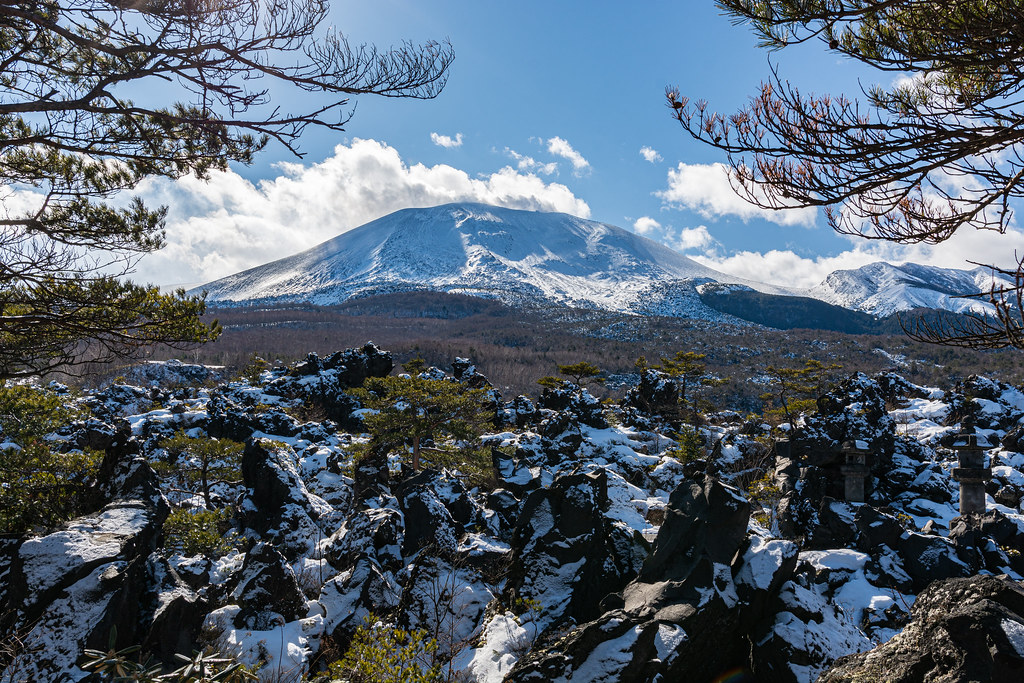
Approaching Mount Asama, hikers witness a striking transformation from verdant forests to stark volcanic landscapes marked by steaming fumaroles and sulfurous scents. The ascent reveals expansive lava fields and rugged ridges, challenging trekkers with steep ash slopes and rocky terrain. The summit area offers panoramic views and a profound connection to the mountain’s fiery nature. This trek combines natural beauty with the raw power of an active volcano, creating a memorable adventure.
Mount Asama: Geological Background
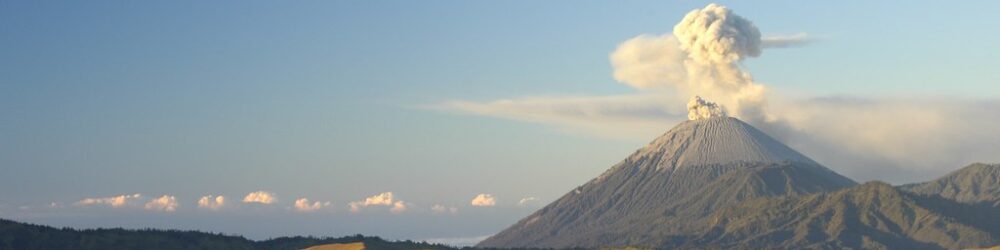
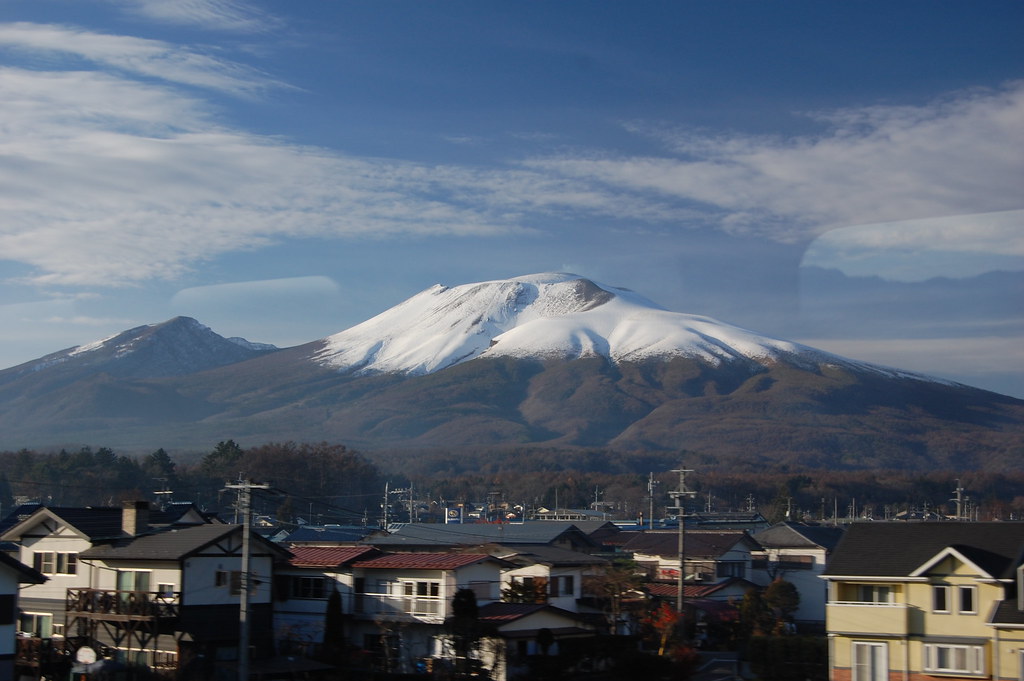
Mount Asama is a classic stratovolcano composed of alternating layers of lava, ash, and volcanic debris. Its eruptive history includes the significant 1783 Tenmei eruption, which reshaped the region and impacted local communities. The summit area features active fumaroles emitting steam and sulfur gases, with recent lava flows visible in the last decades. Geological highlights include jagged lava domes and extensive pyroclastic deposits. Continuous monitoring by the Japan Meteorological Agency ensures awareness of its frequent activity and potential hazards.
Terrain and Hiking Experience on Mount Asama
The trek covers varied terrain, starting with dense forest trails that transition into volcanic ash slopes and rugged lava rock fields. Hikers must navigate loose pumice and sharp volcanic stones, requiring sturdy footwear and careful footing. The route includes exposed ridges where strong winds are common. Altitude effects are mild but noticeable near the summit, with temperatures dropping sharply, necessitating layered clothing. Overall, the trek demands moderate fitness and surefootedness.
What Makes the Mount Asama Trek Unique
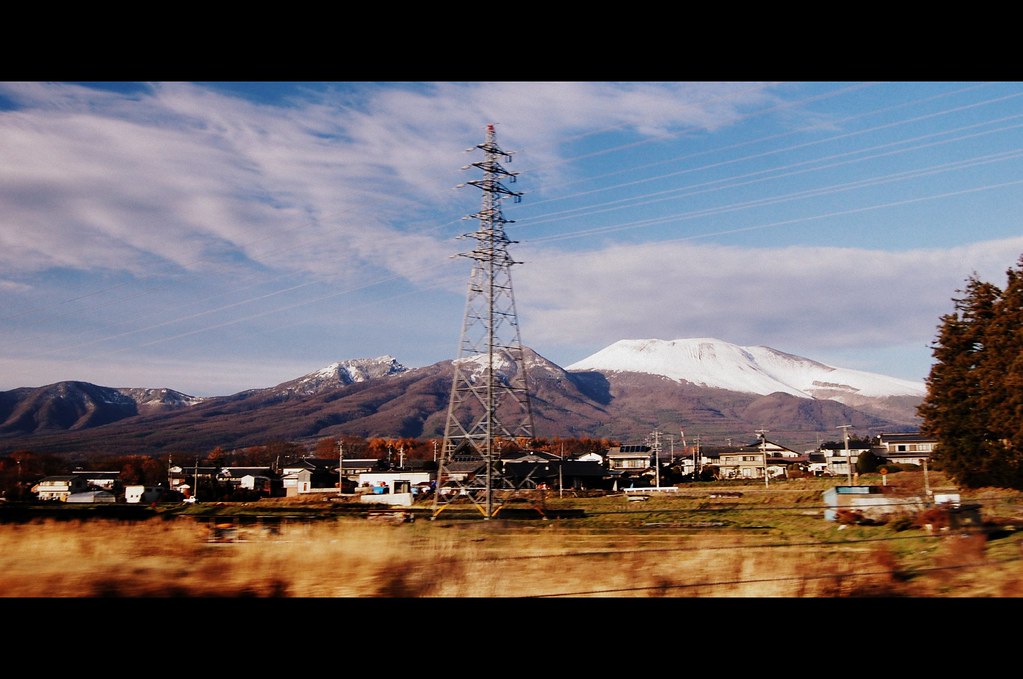
Mount Asama’s status as Honshu’s most active volcano offers hikers a rare chance to observe ongoing volcanic activity, including steaming fumaroles and fresh lava flows. The trek’s proximity to Karuizawa combines wilderness access with convenience. The stark volcanic desert contrasts vividly with surrounding forests, while panoramic views showcase iconic Japanese landscapes. Seasonal wildflowers and the possibility of spotting elusive Japanese mountain goats add unique natural elements to the experience.
Summit and Crater Experience
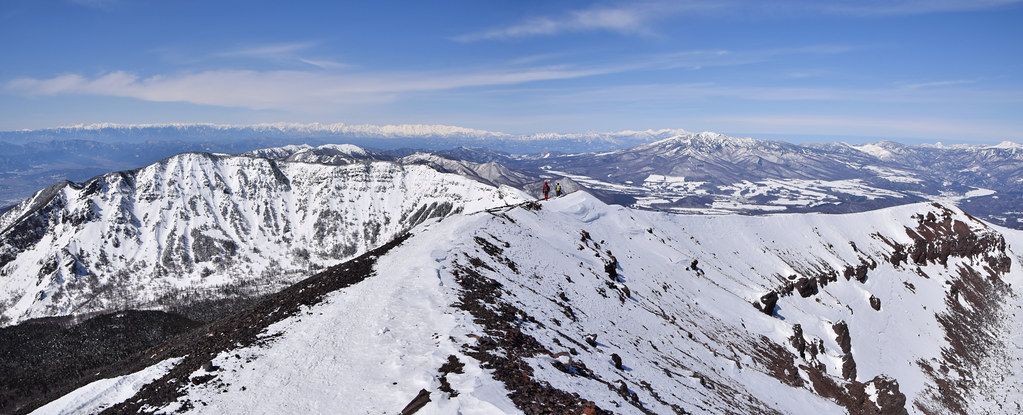
At the summit plateau near Mount Asama’s crater, hikers feel the warmth of the earth beneath their feet and detect the sharp sulfur scent in the air. The crater rim is often enveloped in steam, with occasional volcanic gas bursts. Views extend across volcanic terrain and distant mountain ranges. The sensory experience of escaping gases and active fumaroles creates a dramatic atmosphere. Due to volcanic activity, direct crater access is restricted, but nearby peaks provide excellent vantage points.
Best Time to Trek Mount Asama
The prime trekking season spans from late spring to early autumn (May through October), when trails are mostly free of snow and weather conditions are stable. Summer offers mild temperatures but may include sudden rain showers. Winter ascents are not recommended due to snow and ice hazards. Volcanic activity can lead to trail closures, so checking updates from the Japan Meteorological Agency before hiking is essential for safety.
Routes and Trail Options
Popular routes include the Kurofu Course from Kurumazaka Pass and the Kazankan Course starting near Hotel Tengu Onsen Asama Sanso. The Kurofu route is steeper and more direct, while the Kazankan route offers a gentler ascent through forested terrain. Both routes have shuttle bus connections enabling circuit trekking. Due to volcanic activity, the summit trail to Maekake-yama is often closed; hikers typically summit nearby peaks such as Mt. Kurofu or Mt. Jakotsu. Guided tours are available, especially beneficial for less experienced trekkers.
Difficulty Assessment
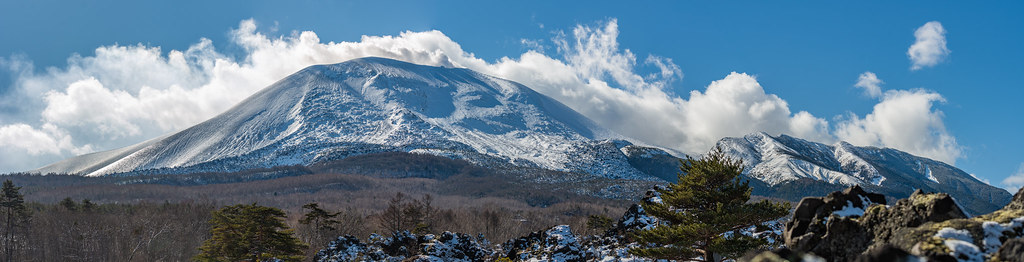
Mount Asama is rated as a moderate trek. The terrain includes steep ash slopes and rocky sections that require good balance and fitness. Altitude is moderate, minimizing risks of severe altitude sickness. No technical climbing equipment is necessary, but hikers should be prepared for exposed ridges and variable weather conditions. The trek suits those with some mountain hiking experience and a reasonable fitness level.
Essential Volcano Trekking Gear
Recommended gear includes sturdy hiking boots with strong grip suitable for volcanic rock, trekking poles for stability on loose terrain, and gaiters to protect against volcanic ash. Layered clothing and a windproof jacket are vital due to temperature fluctuations and summit winds. Carry a headlamp for early starts or late finishes. A gas mask or respirator is advisable during periods of increased volcanic gas emissions. Ample water, sun protection, and navigation tools such as a map or GPS device complete the essentials.
Safety and Volcanic Hazards
Mount Asama’s active status requires hikers to strictly observe volcanic warnings and trail closures. Hazards include toxic gases, unstable crater edges, falling rocks, and sudden eruptions. The Japan Meteorological Agency monitors activity and issues alerts. Always verify current conditions before hiking. Emergency evacuation routes are clearly marked, and staying within permitted areas is crucial. Rapid weather changes can increase risks, especially on exposed ridges.
Permits, Guides, and Logistics
For certain routes, especially the Kurofu and Kazankan courses, hikers must submit a trekking itinerary. Park entry fees are minimal or included in guided tours. Hiring guides is recommended for first-time trekkers or during elevated volcanic alert levels. Seasonal closures may occur depending on volcanic activity. Local authorities provide real-time updates online. Booking tours through specialized operators enhances safety and offers valuable geological insights.
Where to Stay Near Mount Asama
Karuizawa serves as the main base for Mount Asama treks, offering a variety of accommodations including mountain lodges, eco camps, and comfortable guesthouses. The Asama Sanso mountain hut near the trailhead provides hot springs and rest facilities. Staying in Karuizawa combines convenience with access to local amenities and transport. Early morning shuttle buses connect accommodations to trailheads, facilitating day hikes.