
Mount Batur Volcano Trekking: The Ultimate Sunrise Hike Guide in Bali’s Active Caldera
Mount Batur, Bali’s active caldera volcano, offers a thrilling moderate trek culminating in a breathtaking sunrise over its crater lake. This guide covers geology, trekking routes, safety, permits, and cultural significance for adventurous volcano hikers.
Quick Volcano Snapshot
| Volcano type | Caldera |
|---|---|
| Elevation | 1,717 meters (5,633 feet) |
| Location | Bali, Indonesia |
| Activity status | Active |
| Trekking difficulty | Moderate |
| Typical trek duration | 2–3 hours ascent, 1.5–2 hours descent |
| Altitude gain | Approx. 700 meters |
| Terrain type | Volcanic ash slopes, lava fields, rocky paths |
| Best season | May to July (dry season) |
| Temperature range | 10°C to 25°C (50°F to 77°F) |
| Permit requirement | Yes, regulated permits and mandatory guides |
The Experience of Hiking Mount Batur
Approaching Mount Batur in the pre-dawn darkness, the volcanic landscape unfolds as a raw, primeval stage. The path winds through blackened lava fields and ash slopes, illuminated only by headlamps and the stars. The air is crisp and carries the faint scent of sulfur. As you ascend, the barren terrain contrasts sharply with the lush Balinese countryside below. Reaching the summit just as the sun peeks over the horizon, the caldera lake glistens like a mirror, surrounded by mist and distant peaks. The moment is charged with geological power and serene beauty, a rare communion with Earth’s fiery heart.
Mount Batur: Geological Background
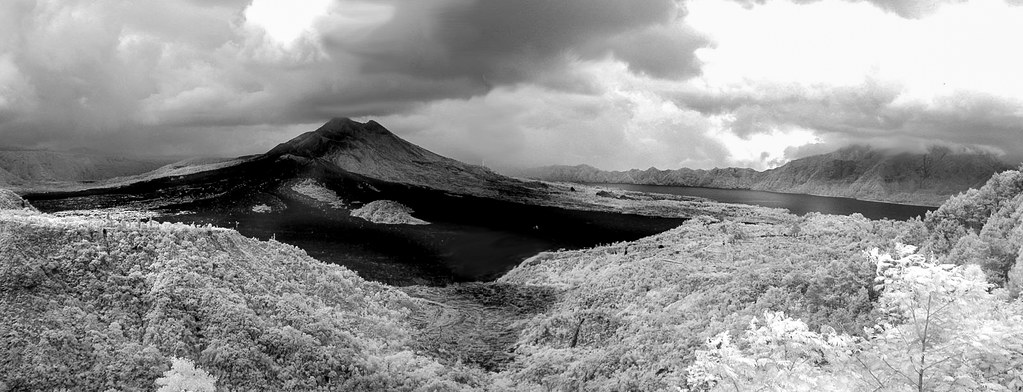
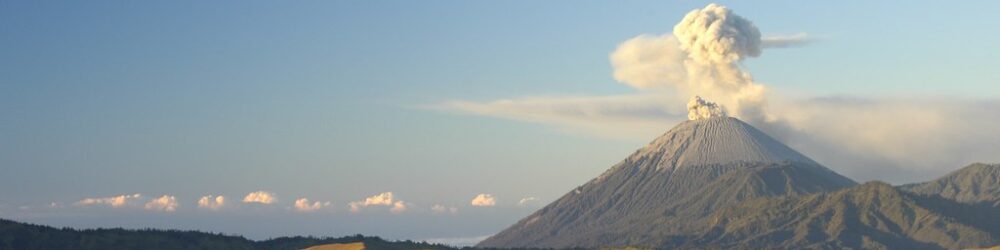
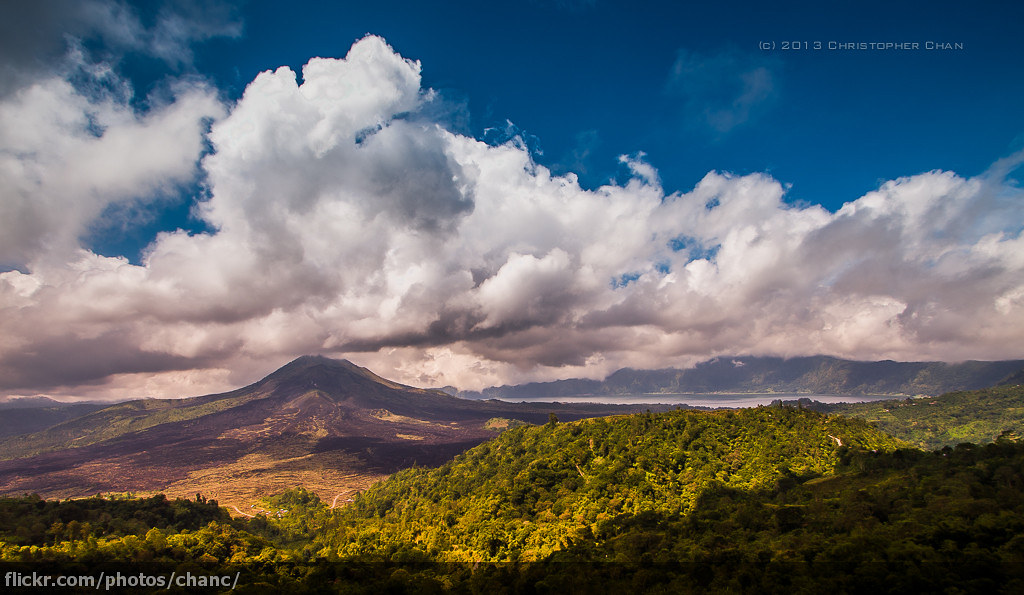
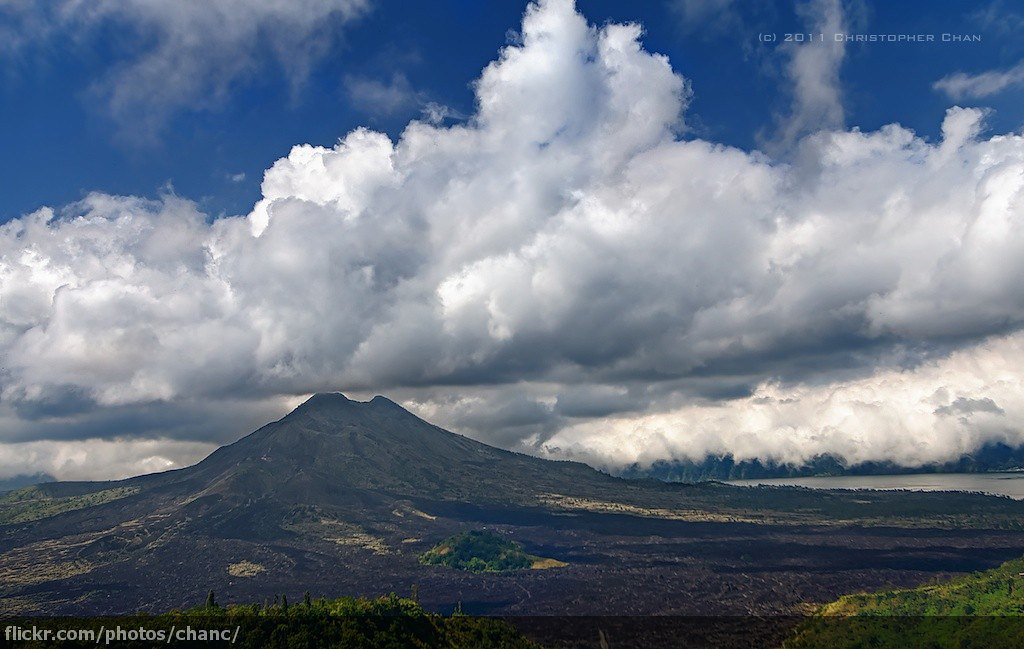
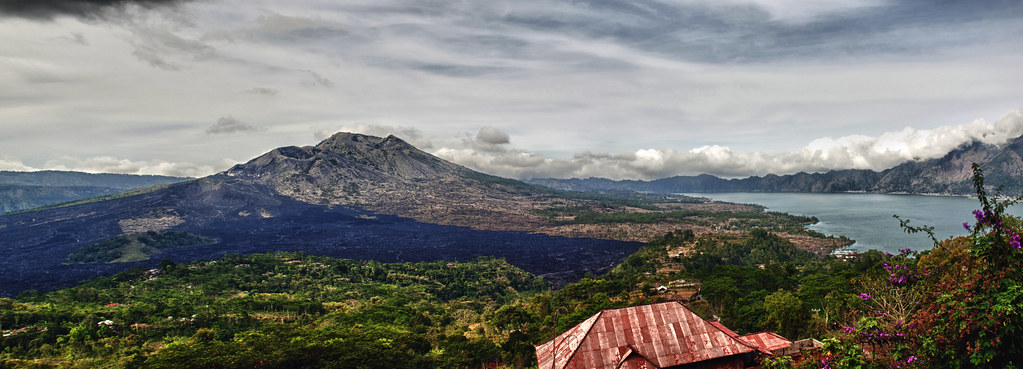
Mount Batur is a large active caldera volcano formed by multiple eruptions over tens of thousands of years. Its current caldera, about 10 by 13 kilometers, was shaped by massive explosive events around 23,000 to 28,000 years ago. The volcano’s summit rises within this caldera, featuring a smaller 7.5-kilometer-wide crater. Frequent eruptions have created extensive lava fields and ash deposits, visible as blackened terrain on the slopes. Sulfur vents and fumaroles emit steam and gases, leaving mineral deposits that color parts of the crater rim. This dynamic geology offers a vivid window into volcanic processes and Bali’s fiery origins.
Terrain and Hiking Experience on Mount Batur
The trek begins on volcanic ash and loose pumice slopes that demand steady footing. The path is moderately steep but well-trodden, winding through rugged lava rock and occasional rocky scrambles. The terrain can be slippery, especially in the dark or after rain, requiring careful steps and sometimes trekking poles. Wind intensifies near the summit, and temperatures drop noticeably. The volcanic soil is barren, with sparse vegetation, emphasizing the rawness of the landscape. The ascent is physically engaging but accessible to hikers with moderate fitness, rewarding climbers with expansive views at every turn.
What Makes Mount Batur Trek Unique
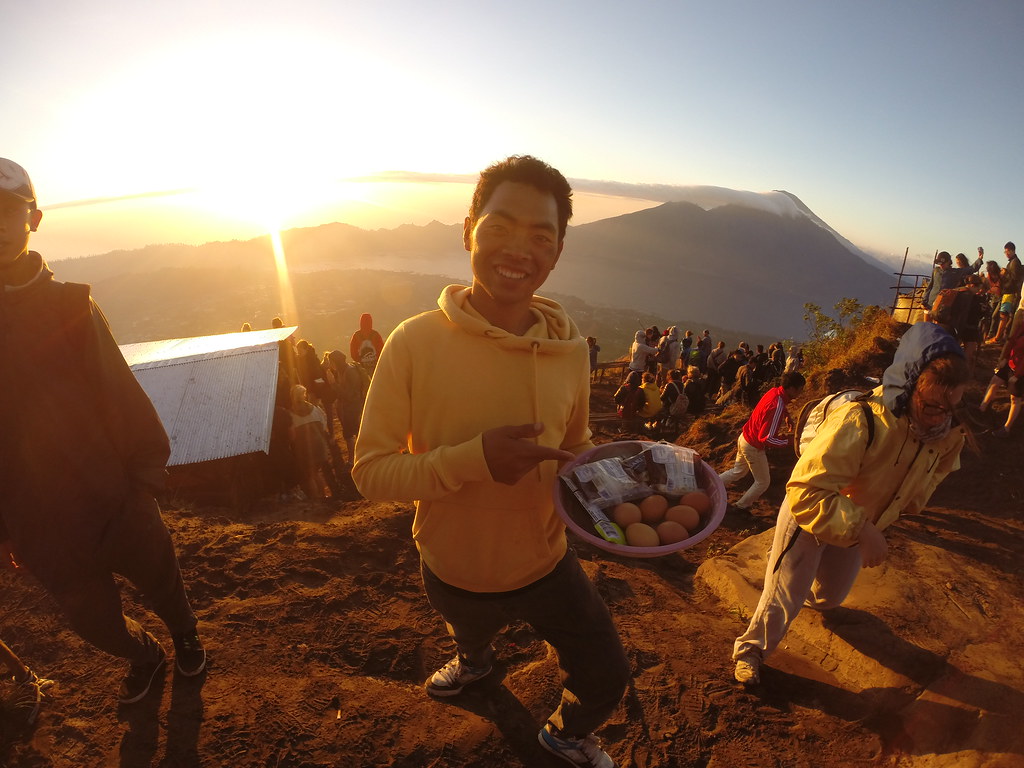
Mount Batur’s trek is renowned for its spectacular sunrise views over the caldera lake and surrounding mountains. The active volcanic features—steaming fumaroles, black lava fields, and sulfur deposits—create a dramatic and otherworldly environment. The cultural significance of the volcano to Balinese Hinduism adds a spiritual dimension. Unlike many volcano hikes, Mount Batur offers a relatively short but intense climb accessible to many, combined with the unique experience of breakfast cooked by volcanic steam at the summit. This blend of natural power, cultural depth, and adventure makes it a standout volcano trek.
Summit and Crater Experience
Reaching Mount Batur’s summit, hikers are greeted by a panoramic vista of the caldera lake shimmering below and the jagged rim of the crater. The air is tinged with the sharp scent of sulfur from nearby fumaroles, and the ground radiates gentle warmth. The sound of escaping volcanic gases punctuates the stillness. Watching the sunrise here is a sensory spectacle: the sky shifts from deep indigo to fiery orange, illuminating the volcanic landscape in surreal light. The summit’s rugged edges and steaming vents remind visitors of the volcano’s restless energy beneath the tranquil surface.
Best Time to Trek Mount Batur
The optimal trekking season is during Bali’s dry months from May to July, when trails are less slippery and skies are clearer for sunrise views. Early morning climbs starting around 2–4 am are standard to reach the summit by dawn. Avoid the wet season (November to March) due to heavy rains and slippery terrain. Volcanic activity is closely monitored; while Mount Batur remains open, hikers should stay updated on alerts. Sunrise treks offer cooler temperatures and dramatic lighting, while daytime climbs provide warmer conditions but less spectacular views.
Trekking Routes and Trail Options
The primary route starts from the village of Toya Bungkah at the caldera’s edge. This well-marked trail ascends approximately 700 meters over 2–3 hours. Guided tours typically include hotel pickup, briefing, and a steady-paced ascent with rest stops. Some tours offer jeep rides to shorten the approach, but the classic hike on foot is preferred for the full experience. After summiting, trekkers can circumnavigate the crater rim before descending. Solo trekking is discouraged due to safety and permit regulations. Alternative routes exist but are less frequented and require local knowledge.
Difficulty Assessment
Mount Batur is classified as a moderate volcano trek. The trail is steep in sections but does not require technical climbing skills. Hikers should have a reasonable fitness level to manage the 2–3 hour ascent and altitude gain. The volcanic terrain can be loose and uneven, demanding good balance and sturdy footwear. Altitude effects are mild but can cause breathlessness for some. The presence of guides enhances safety and navigation. This trek suits beginners with some hiking experience and intermediate adventurers seeking a rewarding volcano climb without technical mountaineering.
Essential Volcano Trekking Gear
Key gear includes sturdy hiking boots with good grip for loose volcanic ash and rocks, trekking poles for stability, and layered clothing to adapt to temperature changes. A headlamp is essential for pre-dawn starts. A windproof jacket protects against summit winds. Carry sufficient water and sun protection—hat, sunglasses, and sunscreen—as shade is minimal. A gas mask or respirator is generally not required but advisable for sensitive individuals due to sulfur fumes. Snacks and a camera complete the kit for a safe and enjoyable trek.
Safety and Volcanic Hazards
Mount Batur is an active volcano with potential hazards including volcanic gases, unstable crater edges, loose scree, and sudden weather changes. Sulfur fumes can irritate eyes and lungs; hikers with respiratory issues should take precautions. The trail can be slippery, especially in darkness or rain, increasing fall risk. Authorities strictly regulate access with mandatory guides and permits to ensure safety. Monitoring agencies provide real-time eruption data. Hikers must follow guidelines, stay on marked paths, and heed warnings to minimize risks.
Permits, Guides, and Logistics
Permits are required to hike Mount Batur and are managed by local authorities to regulate visitor numbers and protect the environment. Hiring a licensed local guide is mandatory for safety and navigation. Guides provide essential briefings, equipment like flashlights, and knowledge of volcanic conditions. Tours typically include hotel transfers, permits, and insurance. New safety protocols are being implemented to improve regulation and reduce accidents. Booking in advance is recommended, especially during peak seasons. Solo trekking without a guide is strongly discouraged and often prohibited.
Where to Stay Near Mount Batur
Accommodations range from guesthouses and eco-lodges in Toya Bungkah village near the trailhead to hotels and villas in Ubud and Kintamani. Staying close to the base allows early starts and reduces travel time. Many lodges offer packages including guided treks and transport. For a cultural experience, consider homestays that provide insight into Balinese life. After the trek, nearby hot springs offer relaxing baths. Booking ahead is advised during high season to secure preferred lodging.