
Trekking Mount Sibualbuali: Exploring North Sumatra’s Lush Stratovolcano and Crater Lake
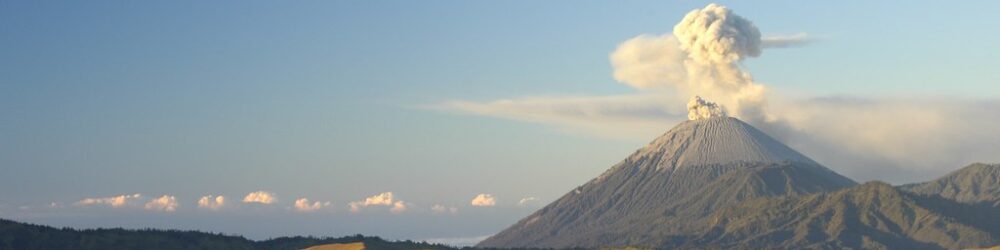
Mount Sibualbuali, a dormant stratovolcano in North Sumatra, Indonesia, offers a unique trekking experience through dense rainforest to a serene crater lake. This moderate trek combines geological intrigue with rich biodiversity, making it a must for volcano hikers seeking off-the-beaten-path adventures in Indonesia.
Quick Volcano Snapshot
| Volcano type | Stratovolcano |
|---|---|
| Elevation | 1819 m |
| Location | North Sumatra, Indonesia |
| Activity status | Dormant |
| Trekking difficulty | Moderate |
| Typical trek duration | 6-8 hours round trip |
| Altitude gain | Approx. 800 m |
| Terrain type | Lush rainforest trails, volcanic rock, crater lake |
| Best season | May to September (dry season) |
| Temperature range | 15°C to 25°C |
| Permit requirement | Required (local trekking permit) |
The Experience of Hiking Mount Sibualbuali
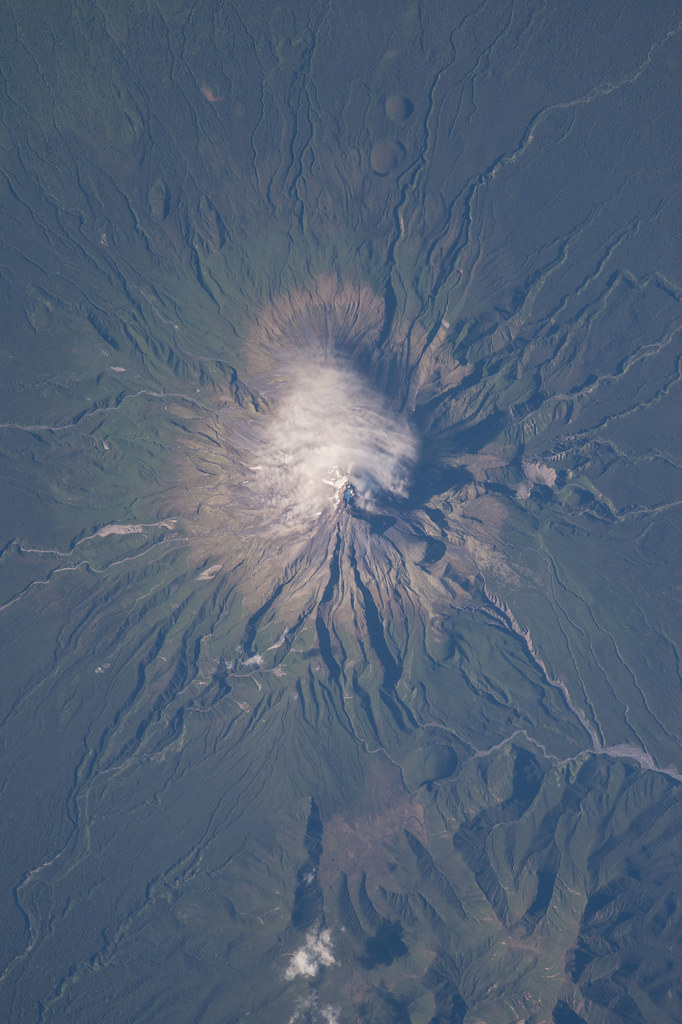
Approaching Mount Sibualbuali, trekkers are enveloped by dense tropical rainforest that cloaks this dormant stratovolcano. The trail winds through vibrant greenery, contrasting sharply with the volcanic rock beneath. As you ascend, the air grows cooler and the forest thickens, hinting at the geological forces that shaped this land. Reaching the crater lake, a tranquil body of water nestled within the volcano’s rim, offers a profound sense of calm and connection to Earth’s ancient power. The journey blends the rawness of volcanic terrain with the lushness of Sumatra’s ecosystems, creating a unique trekking experience.
Geological Background of Mount Sibualbuali
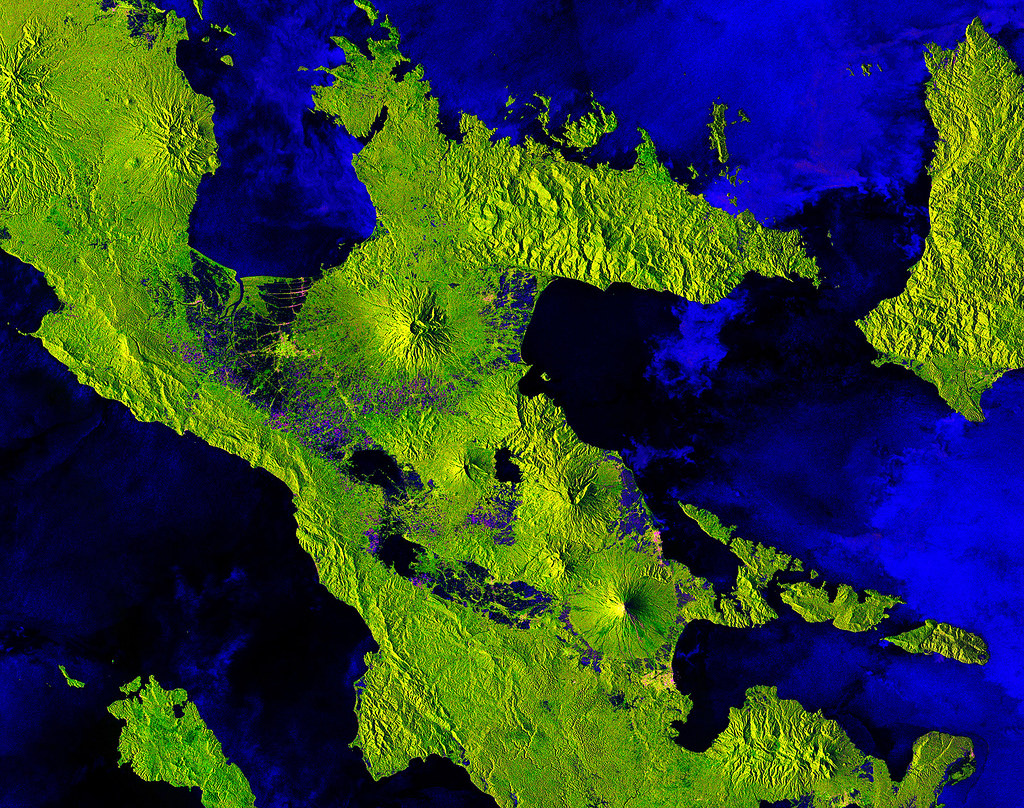
Mount Sibualbuali is an eroded andesitic stratovolcano formed along the Great Sumatran Fault within the Sarulla graben. Its structure reveals layers of hardened lava and volcanic ash from past eruptions, although no historical eruptions are recorded. The volcano features two solfatara fields on its eastern flank, where steam vents and sulfurous gases escape, evidence of residual hydrothermal activity. A prominent rhyolitic-dacitic lava dome formed from fault movements adds to its complex geology. The crater lake occupies the summit caldera, a remnant of the volcano’s ancient eruptive past.
Terrain and Hiking Experience on Mount Sibualbuali
The trek to Sibualbuali’s summit traverses steep rainforest slopes, volcanic rock outcrops, and patches of loose scree. The trail is moderately challenging, with sections requiring careful footing over uneven volcanic debris and occasional scrambling near the crater rim. Humidity and dense vegetation characterize the lower elevations, while higher up, cooler temperatures and open views emerge. The terrain demands steady pace and good balance, especially on slippery volcanic soil after rain. Winds near the summit can be brisk, adding to the alpine atmosphere.
What Makes the Mount Sibualbuali Trek Unique
Unlike many Indonesian volcanoes dominated by barren lava fields, Sibualbuali is enveloped in lush rainforest, offering a rare blend of volcanic and tropical ecosystems. Its crater lake is a serene centerpiece, reflecting the surrounding greenery and sky. The presence of active solfatara fields adds a subtle geothermal intrigue without the hazards of an active volcano. This combination of verdant biodiversity, geological features, and moderate trekking difficulty makes Sibualbuali a distinctive destination for volcano enthusiasts seeking solitude and natural beauty.
Summit and Crater Experience at Mount Sibualbuali
Reaching the summit reveals a peaceful crater lake framed by steep volcanic walls and dense forest. The air carries faint sulfurous scents from nearby fumaroles, and wisps of steam rise gently from solfatara vents. The crater’s still waters contrast with the rugged terrain, creating a dramatic tableau. From the rim, panoramic views stretch over the Sarulla graben and the Great Sumatran Fault zone, highlighting the tectonic forces shaping the region. The quiet here is profound, broken only by bird calls and the occasional hiss of escaping gases.
Best Time to Trek Mount Sibualbuali
The optimal trekking season runs from May through September, coinciding with North Sumatra’s dry months. Trails are less slippery, and weather conditions are more stable. Avoid the monsoon season (October to April) when heavy rains can make paths treacherous and increase the risk of landslides. Early morning starts are recommended to enjoy cooler temperatures and avoid afternoon showers. Volcanic activity is dormant, but always check local advisories for any changes in fumarolic activity.
Trekking Routes and Trail Options on Mount Sibualbuali
The primary route begins at a village near the volcano’s base, ascending through rainforest trails marked by local guides. The round-trip trek typically takes 6 to 8 hours, covering approximately 10 kilometers with an altitude gain of around 800 meters. GPS tracks are available through local trekking operators. Guided treks are recommended for navigation and safety, especially due to the dense forest and volcanic terrain. There are no alternative official routes, but some side trails explore fumarolic fields on the eastern flank.
Difficulty Assessment of the Mount Sibualbuali Trek
Mount Sibualbuali is classified as a moderate volcano trek. The terrain involves steep ascents, uneven volcanic rock, and occasional loose scree. No technical climbing skills are required, but hikers should be in good physical condition and comfortable with sustained uphill hiking. Altitude is moderate at 1819 meters, so altitude sickness risk is low. The trail’s rainforest environment adds humidity and potential slippery conditions, increasing the challenge. Overall, it suits hikers with some trekking experience seeking a rewarding volcano adventure.
Essential Gear for Trekking Mount Sibualbuali
Key gear includes sturdy hiking boots with good grip for volcanic and forest terrain, trekking poles to aid balance on steep and uneven paths, and gaiters to protect against volcanic ash and underbrush. A lightweight windproof jacket is advisable for summit winds and cooler temperatures. Carry sufficient water and sun protection, as shade is limited near the crater. A headlamp is useful for early starts. While gas masks are generally unnecessary due to low fumarolic activity, sensitive hikers may consider a simple respirator. GPS device or smartphone with offline maps is recommended.
Safety and Volcanic Hazards on Mount Sibualbuali
Though dormant, Sibualbuali exhibits persistent low-level solfataric activity with toxic gas emissions near fumaroles. Avoid lingering near steam vents and unstable ground in thermal areas. The region is seismically active due to the Great Sumatran Fault, so sudden tremors are possible. Trail conditions can deteriorate after rain, increasing slip and fall risks. Always trek with a guide familiar with local hazards. Check updates from Indonesia’s Centre for Volcanology and Geological Hazard Mitigation (PVMBG) before and during your trek.
Permits, Guides, and Logistics for Mount Sibualbuali Trekking
A local trekking permit is required to access Mount Sibualbuali, obtainable through authorized tour operators or local authorities. Hiring a licensed guide is strongly recommended for navigation, safety, and enriching the experience with geological and cultural insights. Guides also facilitate permit arrangements. The nearest town provides basic accommodation and transport options. Organize logistics in advance, especially during peak trekking season. Respect local regulations and environmental guidelines to preserve the pristine volcanic ecosystem.
Where to Stay Near Mount Sibualbuali
Accommodations near Sibualbuali range from simple guesthouses in nearby villages to eco-lodges catering to trekkers. Staying in local villages offers cultural immersion and supports community-based tourism. Some trekking operators provide camping options near the trailhead for early starts. The closest urban center offers more facilities but requires additional travel time to the volcano base. Booking in advance is advisable during the dry season to secure lodging and guide services.