
Mount Kanlaon Volcano Trekking Guide: Conquer the Visayas’ Highest Active Stratovolcano
Mount Kanlaon, the tallest peak in the Visayas region of the Philippines, offers a demanding yet rewarding volcano trek. This guide covers its geology, trekking routes, safety protocols, permit requirements, and best seasons to explore its dramatic volcanic landscapes and rich biodiversity.
Quick Volcano Snapshot
| Volcano type | Stratovolcano |
|---|---|
| Elevation | 2,435 meters (7,992 feet) |
| Location | Negros Island, Visayas, Philippines |
| Activity status | Active |
| Trekking difficulty | Demanding |
| Typical trek duration | 2 days |
| Altitude gain | Approximately 1,800 meters |
| Terrain type | Tropical forest, mossy jungle, volcanic ash, rocky slopes |
| Best season | November to May (dry season) |
| Temperature range | 5°C to 25°C (41°F to 77°F) depending on elevation |
| Permit requirement | Mandatory permits and guided treks required |
The Experience of Hiking Mount Kanlaon
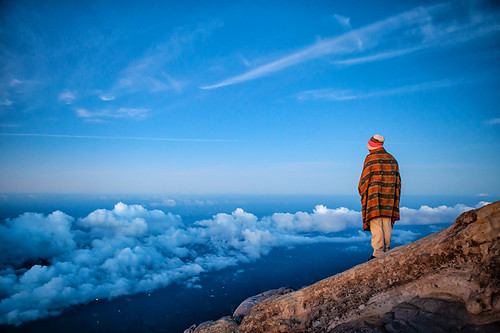
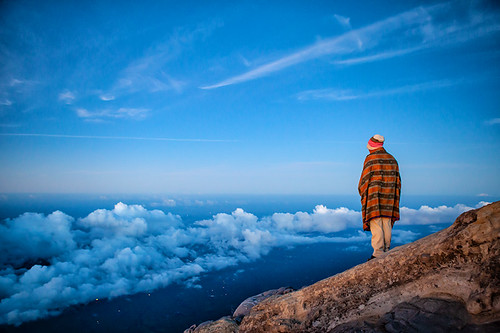
Mount Kanlaon presents a captivating journey through diverse landscapes. Starting from lush lowland forests, trekkers ascend into dense mossy jungles where the air grows cooler and the scent of damp earth intensifies. As you climb higher, the terrain shifts to stark volcanic slopes marked by loose ash and rugged rocks. The volcano’s towering silhouette dominates the horizon, a constant reminder of the powerful geological forces beneath. Upon reaching the crater rim, hikers are rewarded with sweeping panoramic views of the Visayas region and the dramatic Lugud Crater, evoking a deep connection to the Earth's volcanic heart.
Mount Kanlaon: Geological Background
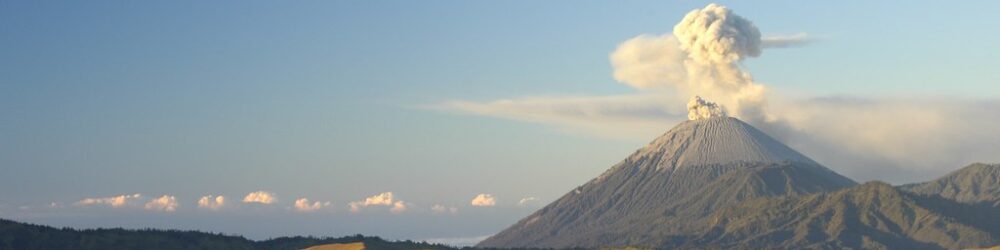
Mount Kanlaon is an active stratovolcano formed through layers of lava flows, ash, and pyroclastic deposits. It is the highest peak in the Visayas and one of the Philippines’ most active volcanoes, with 26 eruptions recorded since 1919. Its activity is mainly characterized by phreatic explosions and the growth of lava domes. The summit area features the Lugud Crater, a deep volcanic abyss with sulfuric pools, and Margaja Valley, a large caldera containing a crater lake. Fumaroles and sulfur deposits near the crater indicate ongoing subterranean volcanic processes, making Kanlaon a dynamic and evolving geological site.
Terrain and Hiking Experience on Mount Kanlaon
The trek begins through tropical lowland forests rich in biodiversity, gradually transitioning into mossy jungle with slippery roots and occasional leeches. As elevation increases, the trail becomes steeper and more challenging, featuring loose volcanic ash, rocky scrambles, and dense cogon grass fields. Near the summit, the landscape opens to exposed ridges and steep volcanic slopes that are often windy and cold. The final ascent to the crater rim requires careful footing on loose scree and volcanic rock. Variable weather and altitude effects add to the physical demands, requiring stamina and sure-footedness.
What Makes the Mount Kanlaon Trek Unique
Mount Kanlaon is unique due to its status as the largest volcano in the Visayas and one of the Philippines’ most active. Its vast caldera, steaming fumaroles, and sulfuric crater lake create a rare volcanic environment in the region. The trek traverses multiple ecosystems, from tropical forests to volcanic deserts, supporting a rich variety of flora and fauna. Cultural significance and local folklore enrich the experience, while the volcano’s unpredictable activity demands respect and vigilance, making it a compelling destination for adventurous trekkers.
Summit and Crater Experience
At the summit, hikers face the immense Lugud Crater, a deep rocky abyss emitting sulfurous steam. The air is filled with a sharp mineral scent, and subtle vibrations from volcanic activity can be felt underfoot. From the crater rim, 360-degree views encompass Negros Island and surrounding seas, contrasting barren volcanic rock with lush distant landscapes. The presence of fumaroles and escaping gases creates a vivid sensory experience that highlights the volcano’s raw power and ongoing activity.
Best Time to Trek Mount Kanlaon
The optimal time to trek Mount Kanlaon is during the dry season from November to May, when trails are more stable and weather conditions are favorable. The wet season, from June to October, brings heavy rains, slippery paths, and increased volcanic gas risks. Volcanic activity can lead to sudden trail closures; therefore, it is essential to check PHIVOLCS alerts before planning your trek. Early morning ascents are recommended to avoid afternoon winds and to enjoy sunrise views.
Trekking Routes and Trail Options
The most frequented route is the Guintubdan-Wasay trail on the Negros Occidental side. It offers a gradual ascent through farmland and forest before steepening near the summit, typically completed in two days with an overnight camp. Another option is the Mananawin-Mapot traverse, which provides varied terrain and scenic diversity. All routes require permits and are best undertaken with experienced local guides who are knowledgeable about current volcanic conditions and safety protocols.
Difficulty Assessment
Mount Kanlaon is classified as a demanding trek due to steep inclines, loose volcanic ash, slippery roots, and rocky scrambles. Altitude effects become noticeable above 2,000 meters, requiring good cardiovascular fitness and acclimatization. While no technical climbing gear is necessary, hikers must be prepared for challenging terrain and rapidly changing weather. This trek is recommended for experienced hikers comfortable with rugged mountain environments and variable conditions.
Essential Volcano Trekking Gear
Essential gear includes sturdy hiking boots with excellent grip, trekking poles for balance, and gaiters to protect against volcanic ash and leeches. A windproof and waterproof jacket is crucial due to sudden weather changes. Carry a reliable headlamp for early starts, a hydration system, and sun protection such as hats and sunscreen. A gas mask or respirator is advisable in case of elevated volcanic gas levels. Additionally, bring a first aid kit and layered clothing to adapt to temperature fluctuations.
Safety and Volcanic Hazards
As an active volcano, Mount Kanlaon poses risks including sudden phreatic eruptions, toxic gases, unstable crater edges, and falling rocks. The four-kilometer permanent danger zone around the crater is strictly off-limits. Trekkers must monitor PHIVOLCS alerts and adhere to instructions from local authorities. Rapid weather changes can increase hazards on steep slopes. Hiring experienced guides and following park regulations are essential to ensure safety throughout the trek.
Permits, Guides, and Logistics
Permits from the Department of Environment and Natural Resources (DENR) and local park authorities are mandatory for trekking Mount Kanlaon. Guided treks are required to ensure safety and environmental protection. Booking with accredited local guides supports community livelihoods and enhances the trekking experience. Park fees apply, and seasonal closures may occur during heightened volcanic activity or special observances such as Holy Week. Planning ahead is essential for a smooth and safe trek.
Where to Stay Near Mount Kanlaon
Accommodation options near Mount Kanlaon include basic guesthouses and homestays in La Castellana and surrounding towns, as well as eco-lodges closer to trailheads. Many trekkers choose to camp overnight at designated sites on the mountain, such as Saddle Camp. It is advisable to book accommodations in advance, especially during peak trekking seasons. Staying in local communities supports conservation efforts and offers valuable cultural insights.